









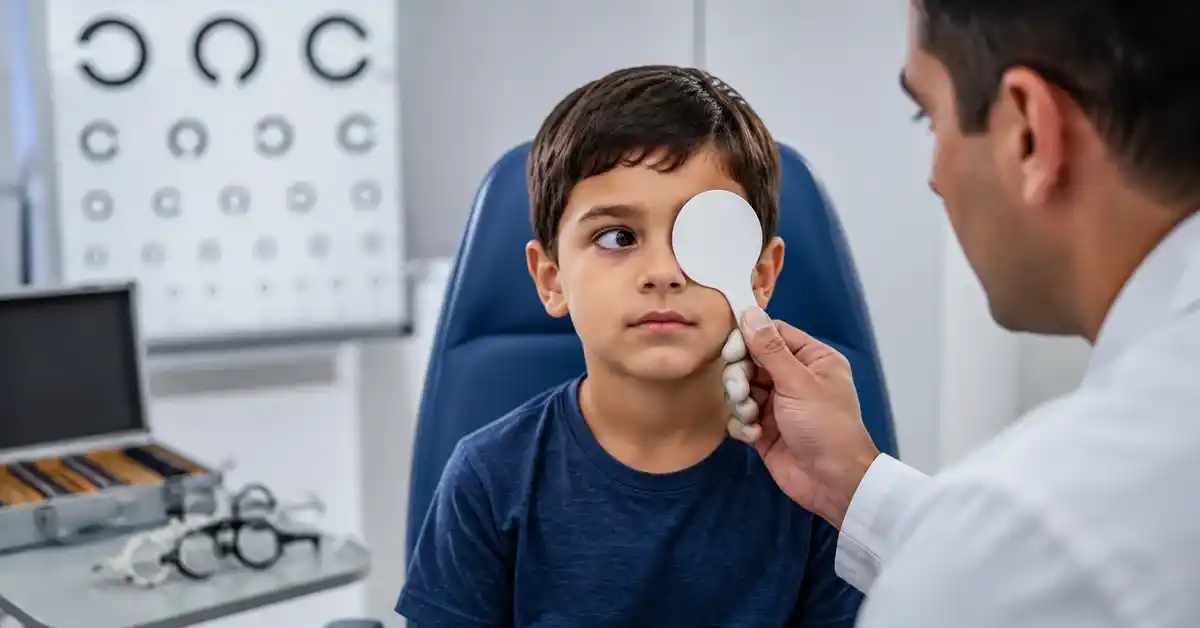
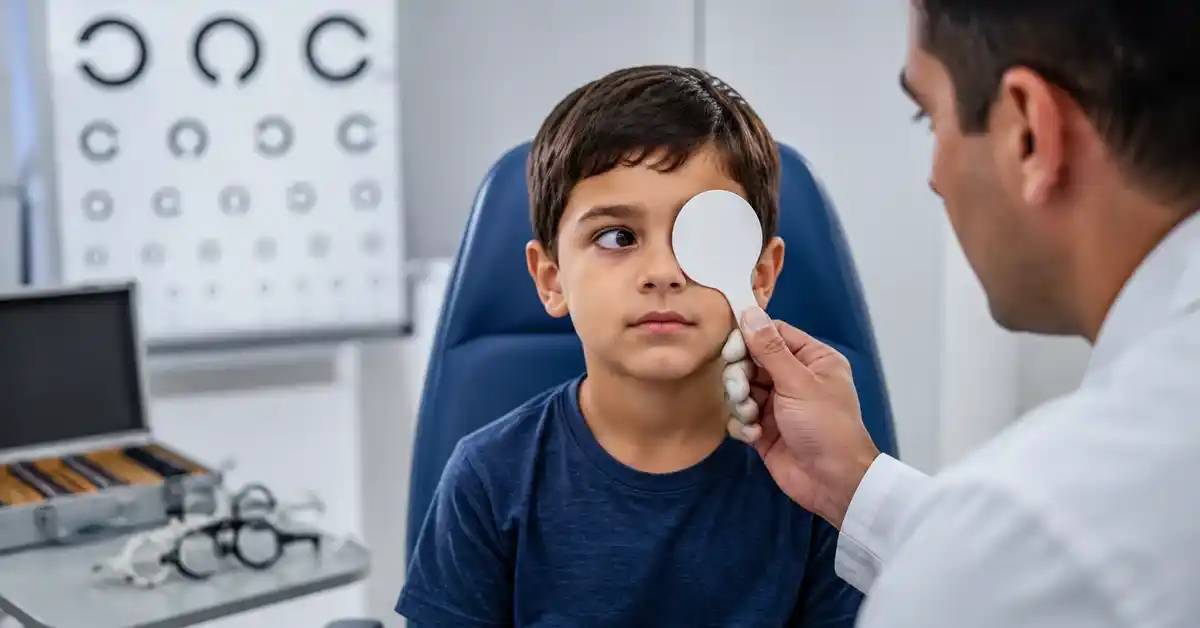
A child's healthy and coordinated vision is the cornerstone of their cognitive and motor development, serving as their primary window to explore the world. However, visual challenges such as strabismus, or eye misalignment, can sometimes arise, a condition where the eyes do not look in the same direction at the same time. This misalignment not only affects appearance but can have profound implications for the development of three-dimensional vision and may lead to "lazy eye," or amblyopia, if not addressed in a timely manner.
Understanding the options for pediatric strabismus correction, both surgical and non-surgical, is the first step toward ensuring a child's healthy visual future. With significant medical advancements, treating strabismus in children is no longer limited to a few solutions. There is now a broad spectrum of treatments ranging from eyeglasses and vision therapy to precise surgical interventions. The choice of the most appropriate treatment depends on multiple factors, including the child's age, the type of strabismus, and the degree of misalignment, which necessitates an accurate diagnosis and a customized treatment plan.
In this comprehensive guide, we will illuminate everything related to pediatric strabismus correction. We will review the different types of strabismus, clarify when surgery is necessary, and explore in detail the effective non-surgical options. Safemedigo is dedicated to equipping parents with the necessary knowledge to make informed decisions about their children's eye health, providing full support throughout the treatment journey to ensure the best possible visual outcomes.
What Is Pediatric Strabismus
Pediatric strabismus is a common visual condition where the eyes are misaligned, causing each eye to point in a different direction. Early detection of strabismus in infants is crucial to prevent long-term complications and ensure proper visual development.
Types of Childhood Strabismus (esotropia, exotropia, vertical strabismus)
The types of childhood strabismus are classified based on the direction of the eye turn:
- Esotropia (Inward Turning): This is the most common type, where one or both eyes turn inward toward the nose.
- Exotropia (Outward Turning): In this condition, one or both eyes turn outward, away from the nose.
- Vertical Strabismus (Hypertropia/Hypotropia): This involves a vertical misalignment, where one eye is positioned higher (hypertropia) or lower (hypotropia) than the other.
Strabismus can be constant (present at all times) or intermittent (appearing only at certain times, such as when the child is tired or stressed).
Early Detection of Strabismus in Infants and Toddlers
Diagnosis often begins with parents noticing signs of strabismus in toddlers or infants. An ophthalmologist conducts a comprehensive examination, including several tests to assess visual acuity, measure the degree of misalignment, and determine the type of strabismus. Common diagnostic tools include the corneal light reflex test (Hirschberg test) and the cover test, which help the doctor determine if the eyes are working together correctly. A thorough examination is essential to rule out other underlying medical causes and to establish the most appropriate treatment plan.
When a Child Needs Strabismus Surgery
The decision to perform strabismus surgery for children is based on a careful and thorough evaluation by a pediatric ophthalmologist.
Indicators That Suggest Surgery Is Necessary
Surgery becomes a primary option when the degree of eye misalignment is too large to be corrected by non-surgical means. Constant strabismus that is always present, or strabismus that does not respond to eyeglasses or vision therapy after an adequate trial period, often requires surgical intervention. The goal of eye muscle surgery for kids is not merely cosmetic; it is primarily functional. It aims to restore binocular vision, allowing the brain to fuse the images from both eyes, which is critical for preventing the development of amblyopia (lazy eye).
Cases Where Non-Surgical Treatment May Suffice
In many instances, particularly with accommodative esotropia related to farsightedness, non-surgical strabismus treatment can be highly effective. If the misalignment is small or intermittent, or if it is caused by a refractive error (like significant farsightedness), wearing corrective eyeglasses may be sufficient to straighten the eyes completely. Additionally, pediatric strabismus exercises can help strengthen the eye muscles and improve their ability to work together in certain types of strabismus, such as convergence insufficiency.
Read about: Treating Childhood Myopia: When Is Surgical Intervention Needed
Non-Surgical Strabismus Treatments for Children
Before considering surgery, a range of non-surgical solutions that have proven effective in many cases are explored.
Prism Glasses for Strabismus
Eyeglasses are the first line of defense in treating accommodative esotropia. In this type of strabismus, the child exerts significant effort to focus on near objects due to farsightedness, causing the eyes to turn inward. Glasses correct the refractive error, reducing the focusing effort required and allowing the eyes to align naturally.
Pediatric Strabismus Exercises and Vision Therapy
Vision therapy aims to improve coordination between the eyes and strengthen the muscles responsible for their movement. These exercises are particularly effective for intermittent strabismus or convergence insufficiency, where the eyes have difficulty working together to focus on near objects. Exercises may include activities like "pencil push-ups" or specialized computer programs. To ensure their effectiveness, these exercises should be performed under the supervision of a vision therapist.
Prismatic lenses for strabismus and double vision
Prismatic lenses are special lenses that bend light before it enters the eye, helping to merge the images from both eyes into a single image and alleviate double vision (diplopia). These prisms can be incorporated into eyeglasses. They are often used as a temporary measure before surgery, as a permanent treatment for small misalignments in adults, or when surgery is not a viable option.
Read about: Vision Correction in Children: Is LASIK Safe for Young Eyes?
Surgical Methods for Pediatric Strabismus Correction
When surgery is the optimal solution, it is important for parents to understand the nature of the procedure and what to expect.
Eye Muscle Surgery Steps for Kids
Strabismus surgery for children is performed under general anesthesia. The surgeon makes a small incision in the clear tissue covering the white of the eye (the conjunctiva) to access the eye muscles. Depending on the type of misalignment, the surgeon will either weaken a muscle (by moving it back on the eyeball in a recession procedure) or strengthen it (by shortening it in a resection procedure). The eye is not removed from its socket during the surgery. Absorbable sutures are typically used, so they do not need to be removed later. The procedure usually takes between 30 to 60 minutes per eye.
What to Expect Post-Surgery and Follow-Up
After surgery, it is normal for the child's eye to be red and slightly swollen, with a scratchy or sore feeling. The doctor will prescribe eye drops (antibiotic and steroid) to prevent infection and reduce inflammation. Most of these symptoms resolve within a few weeks. It is crucial to follow the doctor's instructions carefully and attend all follow-up appointments. The results of strabismus surgery in kids are excellent in most cases, but sometimes, further surgery may be needed to achieve perfect alignment.
Alternative and Adjunct Treatments: From Botox to Amblyopia Care
Alongside traditional treatments, there are additional options that can play a significant role in the overall treatment plan.
Botox for Strabismus in Children
Botox injections can be used as an alternative to surgery in certain specific cases, particularly for infantile esotropia or strabismus caused by nerve palsy. Treatment with Botox for strabismus in children works by temporarily weakening the injected muscle, allowing the opposing muscle to pull the eye into a straighter position. The effect of Botox is temporary (lasting several months), but in some cases, it can lead to a permanent correction of the eye's position.
Combined Treatment of Strabismus and Amblyopia
Amblyopia, or "lazy eye," is a decrease in vision in a structurally normal eye. It occurs when the brain ignores the visual signals from one eye (often the misaligned one). The strabismus and amblyopia treatment is as important as correcting the misalignment itself. The most common treatment is patching the stronger eye for several hours a day, which forces the brain to use the weaker eye and strengthens its vision. Atropine eye drops can also be used in the stronger eye to temporarily blur its vision, achieving the same goal.

Risks and Benefits of Pediatric Strabismus Correction
Like any medical procedure, there are potential benefits and risks to be weighed.
Benefits: Improved Vision and Binocular Alignment
The primary benefit of strabismus correction is the restoration of binocular vision—the brain's ability to fuse the images from both eyes into a single, three-dimensional image. This improves depth perception, which is vital for many activities. Early treatment also prevents or treats amblyopia, preserving visual acuity in both eyes. Furthermore, improving the eyes' appearance has a significant positive psychological impact on a child's self-esteem and social interaction.
Possible Complications and Post-Surgery Considerations
The complications of strabismus surgery in children are very low. The most common risks include undercorrection (some residual misalignment) or overcorrection (misalignment in the opposite direction), which might require glasses or additional surgery. Rare risks include infection, bleeding, or scarring. It is important to discuss all potential risks with the surgeon before making a decision. Our team at Safemedigo ensures to provide a thorough explanation to guarantee your comfort and peace of mind.
Treatment Timeline and Success Factors for Childhood Strabismus
The treatment journey varies from one child to another and depends on several factors.
Factors Affecting Duration of Treatment (age, type, response)
The duration of strabismus treatment in children is variable. The child's age at the start of treatment is a critical factor; the earlier the treatment begins, the better and faster the results. The type and degree of strabismus also play a major role; accommodative strabismus that responds to glasses may be resolved quickly, while constant strabismus may require surgery and a longer follow-up period. The individual child's response to treatment, whether it's patching or exercises, also affects the overall duration.
When to Consider Treatment Successful and Outcomes Review
Treatment is considered successful when two main goals are achieved: good alignment of the eyes (a good cosmetic and functional result) and the best possible visual acuity in both eyes (treatment of amblyopia). Success does not necessarily mean stopping the use of glasses, as the child may need to wear them for many years to maintain eye alignment. The true success is enabling the child to develop a healthy and balanced visual system that allows them to grow and learn normally.
Read about: Child Eye Alignment Surgery: Turkey vs Germany
Conclusion
In conclusion, pediatric strabismus correction represents a therapeutic journey that requires patience and close collaboration between parents and the medical team. Understanding the available options, from non-surgical solutions like glasses and exercises to precise surgical intervention, is key to achieving the best visual outcomes for your child. Early detection and timely intervention not only correct the appearance of the eyes but also lay the foundation for a healthy visual system, preventing long-term complications such as lazy eye and loss of 3D vision.
Every child deserves to see the world clearly and with both eyes. With modern technologies and advanced medical expertise, achieving this goal is more possible than ever. Strabismus should not be viewed as merely a cosmetic issue but as a medical condition that requires attention to ensure a child's healthy development, both visually and psychologically. Investing in your child's eye health today is an investment in their entire future.
If you have any concerns about your child's vision or have noticed any signs of strabismus, do not hesitate to take the first step. At Safemedigo, we are here to provide support and guidance. Contact our team today via WhatsApp for an expert consultation and to start your child's journey toward clear vision and a bright future.
Frequently Asked Questions: Pediatric Strabismus Correction: Surgical Non-surgical Methods
Can strabismus in children go away on its own?
Minor, intermittent strabismus in newborns (up to 4-6 months of age) may resolve on its own as the visual system develops. However, any constant strabismus or misalignment that persists beyond this age will not go away on its own and must be evaluated by an ophthalmologist.
What is the ideal age for a child to have strabismus surgery?
There is no single "ideal" age, and the decision depends on the type and severity of the strabismus. For severe congenital strabismus, a surgeon might recommend surgery early (between 6 and 12 months of age) to provide the best chance for binocular vision development. In other cases, surgery may be delayed until non-surgical treatments have been tried first.
Will the strabismus come back after surgery?
In most cases, the success rate of strabismus surgery in children is high, and the results are permanent. However, in a small percentage of cases, a slight misalignment may recur over time, which might require additional treatment such as glasses or even a second surgery. Regular follow-up with the doctor is important to monitor eye stability.
Does eye patching treat the strabismus itself?
No, eye patching does not treat the eye misalignment (strabismus) itself. Its primary purpose is to treat amblyopia (lazy eye), which often accompanies strabismus. By covering the stronger eye, the brain is forced to use the weaker eye, thereby strengthening its vision. Correcting the misalignment itself requires glasses or surgery.
How long will my child need to wear glasses for strabismus?
If the strabismus is accommodative and related to farsightedness, the child may need to wear glasses for many years, often into their teenage years. As the child grows, their refractive error may change, and the need for glasses might gradually decrease. The ophthalmologist will determine when and how the reliance on glasses can be reduced.