




Myopia, or nearsightedness, is one of the most common vision problems affecting children worldwide. This condition is rapidly increasing, largely due to modern lifestyle changes. When you notice your child squinting to see the board at school or sitting too close to the television, these could be the first warning signs.
Understanding the options for childhood myopia treatment is the first step toward protecting their vision and ensuring a healthy visual future. Solutions range from traditional choices like glasses and contact lenses to modern therapies aimed at slowing the condition's progression, leading to the critical question that worries many parents: when is surgery needed for childhood myopia?
At Safemedigo, we understand the weight of this responsibility and the importance of making the right decision. That's why we offer this detailed guide to cover everything related to childhood myopia, clarify when surgical intervention for childhood myopia becomes a viable option, and help you understand the most suitable treatment path for your child.
What is childhood myopia?
Myopia, or nearsightedness, is a common refractive error that causes distant objects to appear blurry and out of focus, while close-up vision remains clear. It's not just a vision problem; it's a challenge that can impact a child's academic and social development.
Definition of childhood myopia and its causes
Myopia occurs when the eyeball grows too long from front to back, or when the cornea (the clear front surface of the eye) is too curved. As a result, the light entering the eye focuses in front of the retina instead of directly on it, leading to blurry distance vision.
The exact causes are not fully understood, but it is believed to be a combination of genetic and environmental factors. If one or both parents are myopic, the child's risk increases. Additionally, spending extensive time on near-focus activities (like reading and using electronic devices) and a lack of exposure to natural daylight are linked to a higher risk of developing and progressing myopia.
How childhood myopia affects a child’s daily vision
The impact of myopia on a child's daily life can be significant. They might struggle to see the board in the classroom, affecting their academic performance. They may hesitate to participate in sports that require good distance vision, such as soccer or basketball, which could affect their physical and social growth.
Without diagnosis and treatment, a child might suffer from constant headaches or eye strain. They might appear uninterested in school activities when the real issue is their inability to see clearly.
Early signs of childhood myopia
Young children often don't complain about vision problems because they may not realize their sight is different from others. Therefore, parents and teachers should watch for early signs, which include:
- Squinting or partially closing the eyelids to see distant objects.
- Sitting very close to the TV or holding books and devices near their face.
- Rubbing their eyes frequently.
- Complaining of headaches or eye fatigue.
- Difficulty seeing the board or recognizing people and objects from a distance.
Options for childhood myopia treatment
Once myopia is diagnosed, several treatment options are available. The primary goal is not only to correct the current vision but also to try to slow or stop the condition's progression, which is crucial during childhood.
Traditional treatment – glasses and contacts
Childhood myopia treatment with glasses and contacts remains the first and most common line of defense. Eyeglasses are the easiest and safest way to correct myopia in children. The concave lenses in the glasses work to refocus light correctly onto the retina, providing immediate clear vision.
Contact lenses are another option, especially for older children and teenagers who are active in sports or feel self-conscious about wearing glasses. Contacts require greater responsibility in terms of hygiene and care to avoid eye infections.
Modern methods to slow childhood myopia progression
In recent years, innovative treatments have emerged that not only correct vision but also aim to control myopia's progression. This field, known as "myopia management," includes:
- Low-dose atropine eye drops: Studies have shown that a daily drop of low-concentration atropine (0.01% - 0.05%) can significantly slow down the progression of myopia in children.
- Multifocal contact lenses: These are specially designed lenses with different focus zones. They correct central vision while changing how light is focused in the peripheral vision, sending a signal to the eye to slow its growth.
- Orthokeratology (Ortho-K): This involves wearing special rigid contact lenses during sleep. These lenses gently reshape the cornea overnight, allowing the child to see clearly during the day without glasses or contacts. It has also been proven effective in slowing myopia progression.
When is surgery needed for childhood myopia?
The most important question remains: when is surgery needed for childhood myopia? The universally accepted rule is that refractive surgery (like LASIK) is not performed on children except in very rare and specific cases. The main reason is that a child's eye is still growing, and their myopia has not yet stabilized. Performing surgery before the vision stabilizes means the myopia could return as the eye continues to grow.
Therefore, considering surgery is usually postponed until the late teens or early twenties, after vision measurements have been stable for at least a year.
Read about: LASIK vs Femto LASIK: How to Choose the Best Vision Correction
When is surgical intervention needed for childhood myopia?
Although the general rule is to avoid surgery for children, there are important exceptions. Surgical intervention for childhood myopia is considered under specific medical circumstances where traditional options like glasses cannot provide an effective solution.
Signs of surgical intervention needed in childhood myopia
The signs of surgical intervention are needed in childhood myopia are not just about poor vision but are related to more complex conditions. The most common condition that might require surgery is severe "anisometropia."
Anisometropia occurs when there is a significant difference in the prescription between the two eyes. If this difference is too large, the brain cannot merge the two different images, leading it to ignore the image from the weaker eye. This condition, if left untreated, leads to "lazy eye" (amblyopia), a permanent vision impairment that cannot be corrected later with glasses.
In such cases, glasses may be impractical or not well-tolerated by the child, and surgery might be the only option to bring the prescriptions closer together and allow the brain to develop normal vision in both eyes.
How a doctor evaluates the need for childhood myopia surgery
The decision to perform pediatric myopia surgery is a purely medical one made by a team of specialists, including a pediatric ophthalmologist and a refractive surgeon. The evaluation for childhood myopia surgery includes a comprehensive eye exam, precise measurements of the refractive error, and an assessment of anisometropia and amblyopia.
The doctor will discuss all available options with the parents, including the benefits and risks of each. Surgery will only be recommended if the potential benefits of avoiding permanent vision loss far outweigh the risks associated with surgery at a young age.
Best age for childhood myopia surgery
There is no specific "best age," as the decision depends on the individual medical condition. Surgery can be performed even on very young children (under 5 years old) if it is necessary to prevent severe amblyopia. However, these are exceptional cases and not the norm.
For elective surgery to eliminate the need for glasses, the best age for childhood myopia surgery is after 18, and preferably in the early twenties, after ensuring the eye's condition has fully stabilized.
Read about: Latest Femtolasik Techniques for Sensitive Eyes in Turkey
Types of surgery for childhood myopia
When surgery is medically necessary for children, the techniques used may differ slightly from those for adults, with a greater emphasis on safety and long-term outcomes.
Childhood myopia refractive surgery options
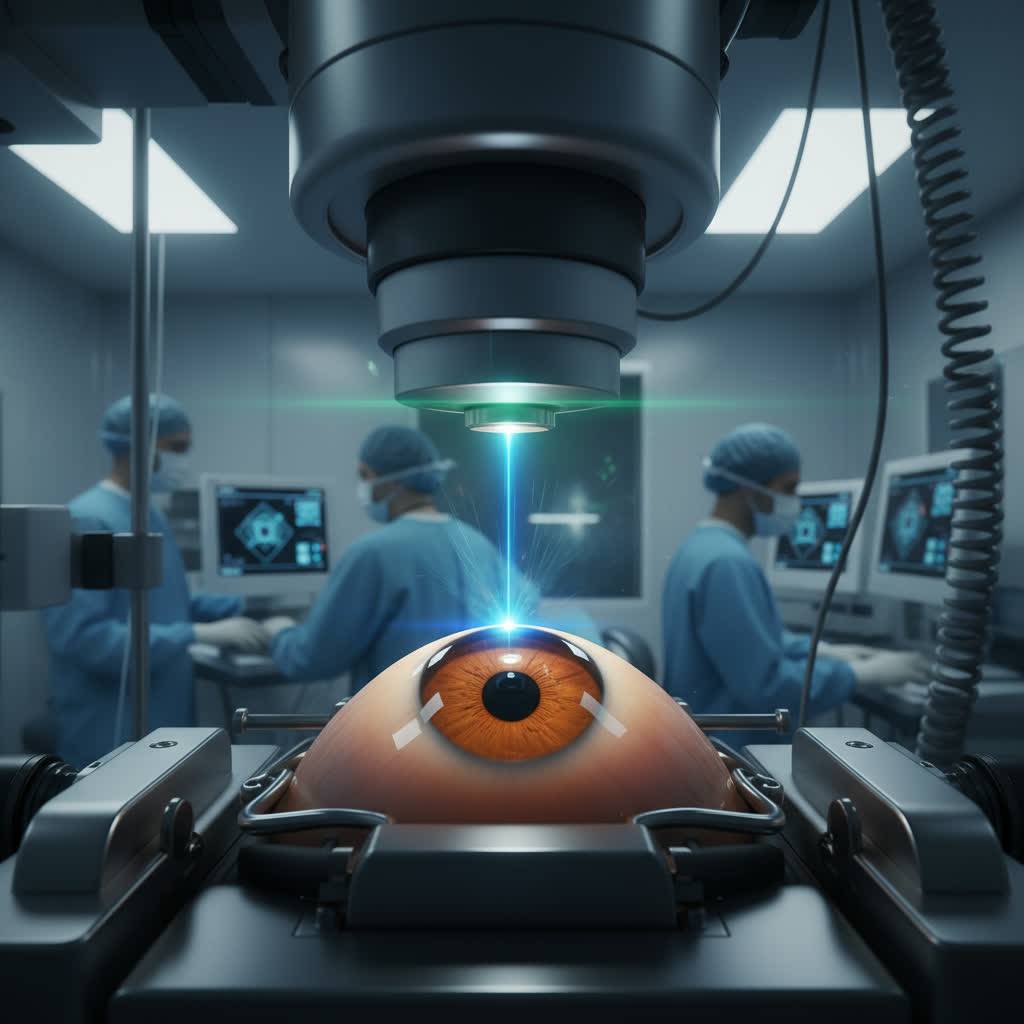
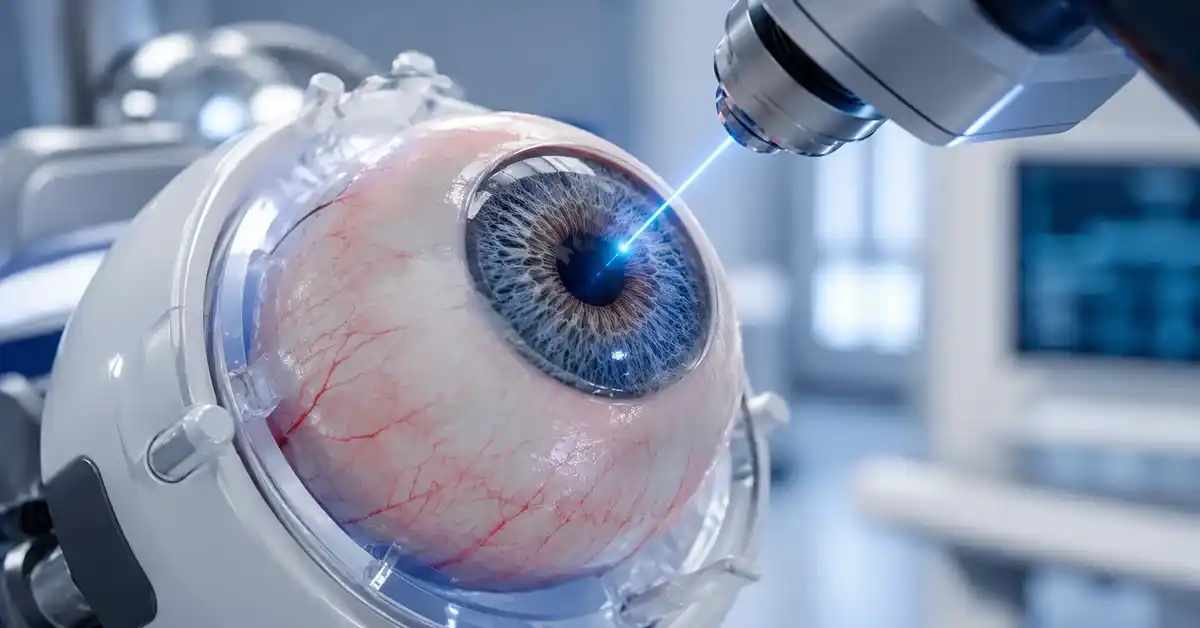
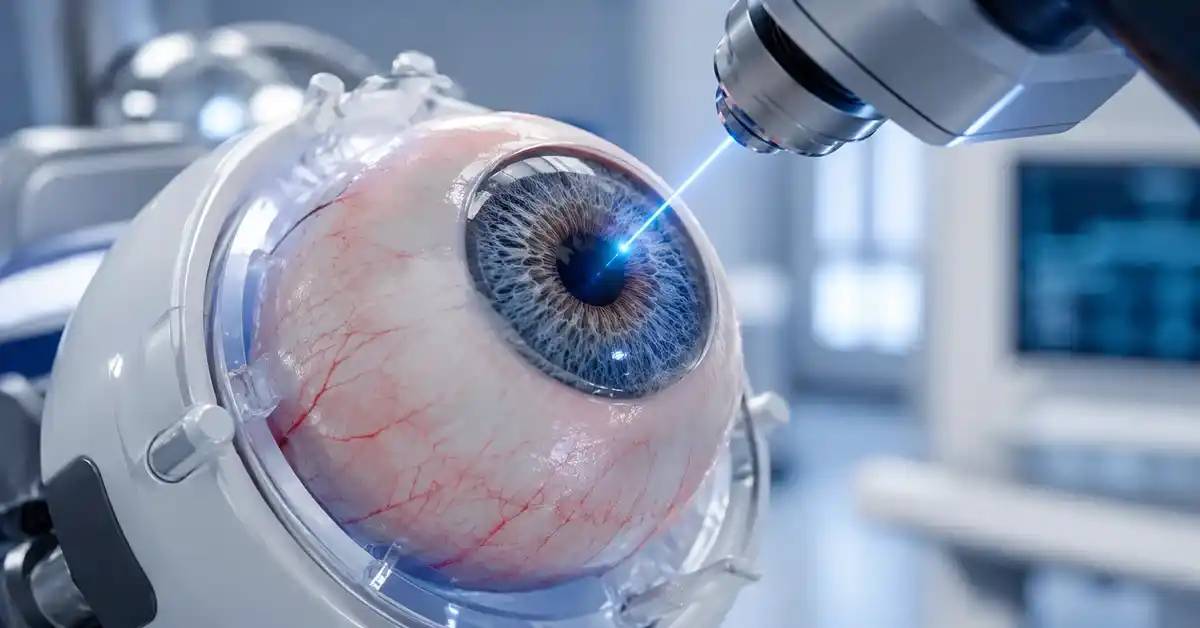
Childhood myopia refractive surgery like LASIK is very rare. LASIK involves creating a thin flap in the cornea, a procedure that can carry additional risks for children who might rub their eyes. Therefore, surgeons typically prefer surface techniques that do not involve creating a flap.
Photorefractive Keratectomy (PRK) is a more common alternative in the rare cases requiring laser surgery for children. In this technique, the thin surface layer of the cornea (the epithelium) is removed, and then a laser is used to reshape the cornea. The epithelium grows back within a few days. This method is considered safer for children in terms of long-term corneal stability.
Pediatric myopia surgery – benefits and risks
In addition to PRK, another option for very high degrees of myopia is the implantation of a phakic intraocular lens (Phakic IOL). In this procedure, a small artificial lens is implanted inside the eye, either in front of or behind the iris, without removing the eye's natural lens. This procedure is reversible (the implanted lens can be removed) and is very effective for correcting high levels of myopia that cannot be effectively corrected with a laser.
The primary benefit of pediatric myopia surgery is enabling proper visual development and preventing permanent vision loss from amblyopia. However, risks include infection, dry eye, and glare, which must be carefully weighed.
Treating childhood myopia surgically: what happens before and after?
Before treating childhood myopia surgically, a thorough evaluation confirms candidacy. The procedure is done under anesthesia to ensure the child remains still. Afterward, the child will need to use medicated eye drops and avoid rubbing their eyes. Follow-up appointments are crucial to monitor healing and visual outcomes. The goal is not cosmetic but therapeutic, aiming to enable normal visual development.
Read about: Femtosecond LASIK: Turkey vs Germany
Comparing non-surgical and surgical treatment for childhood myopia
For the vast majority of children, the comparison remains between non-surgical options, with surgery being an exceptional choice. Understanding the pros and cons of each approach helps parents make informed decisions.
Childhood myopia treatment: glasses and contacts vs surgery
Childhood myopia treatment with glasses and contacts remains the gold standard. Glasses are completely safe, effective, and relatively inexpensive. They provide precise vision correction without any intervention in the eye's structure and can be easily updated as the child's prescription changes.
Contact lenses, whether standard for vision correction or specialized for myopia management, offer a wider field of view and better visual quality, making them excellent for sports. However, they require strict adherence to hygiene to prevent infection.
Pros and cons of each option
- Glasses
Pros: Safe, easy to use, protect the eyes, inexpensive.
Cons: Can break, may be impractical for sports, some children may feel self-conscious. - Contact Lenses
Pros: Better peripheral vision, ideal for sports, invisible.
Cons: Require care and hygiene, risk of infection if not used correctly, ongoing cost. - Surgery (in rare cases)
Pros: Provides a relatively permanent solution, can prevent lazy eye in specific cases.
Cons: Invasive procedure with risks (infection, dry eye, glare), irreversible (except for IOLs), the child may need additional surgery in the future.
How to choose the right treatment for your child
The right treatment is chosen in consultation with a pediatric ophthalmologist. For most cases, the journey will begin with glasses. If the myopia is progressing rapidly, the doctor will discuss myopia management options like atropine drops or specialized lenses.

How to qualify for surgery for childhood myopia
In the exceptional cases where surgery is considered a necessary therapeutic option, there is a rigorous and precise evaluation process to ensure the child is a suitable candidate and the procedure is safe and effective for their condition.
Evaluation steps for childhood myopia surgery
The evaluation steps for childhood myopia surgery involve a multi-stage process:
- Comprehensive Examination: It all starts with a full eye exam by a pediatric ophthalmologist to determine the degree of refractive error in each eye and assess overall eye health.
- Amblyopia Assessment: Special focus is placed on assessing the presence and severity of lazy eye (amblyopia) resulting from a large difference in vision between the eyes.
- Trial of Conventional Treatments: Before considering surgery, all other options must be exhausted. The doctor will first try to correct vision with glasses or contact lenses, along with amblyopia treatment (like patching the stronger eye).
- Consultation with a Refractive Surgeon: If conventional treatments fail or are impractical, the child is referred to a surgeon specializing in refractive surgeries for further evaluation.
Medical criteria considered by specialists
Before making a surgical decision, a series of advanced tests are performed, including:
- Corneal Topography: To create a detailed map of the corneal surface, measure its thickness, and ensure there are no abnormalities like keratoconus.
- Intraocular Pressure Measurement: To rule out glaucoma.
- Dilated Fundus Examination: To examine the retina and optic nerve and ensure they are healthy.
Preparation steps before the surgery
If the child is deemed a suitable candidate for surgery, the medical team will explain all the details of the procedure to the parents and the child (if their age allows). Expectations, the recovery period, and pre- and post-operative instructions, such as using specific eye drops and avoiding eye rubbing, will be discussed.
Read about: LASIK Eye Surgery: Turkey vs USA
Benefits and risks of surgery for childhood myopia
The expected benefits and potential risks must be carefully balanced when considering a surgical procedure for a child. This discussion is a fundamental part of the informed decision-making process.
Benefits of childhood myopia surgery over the long term
In carefully selected cases, the benefits are significant. The primary benefit is enabling proper visual development and preventing permanent vision loss due to amblyopia. By reducing the prescription difference between the eyes, surgery allows the brain to learn to use both eyes together.
In the long term, this can lead to improved 3D vision (stereopsis), enhance the child's quality of life, and allow them to participate fully in all activities without significant visual hindrances.
Potential complications after childhood myopia surgery
Like any surgical procedure, childhood myopia surgery carries some risks, even if rare. Potential complications include:
- Inaccurate Correction: The myopia may not be fully corrected (undercorrection) or may be overcorrected (overcorrection). The child might need to wear glasses with a lower prescription after surgery.
- Dry Eye: This is a common and usually temporary symptom, but it may last longer in some cases.
- Glare and Halos: Especially at night, this issue usually diminishes over time.
- Infection or Inflammation: These are very rare risks when post-operative care instructions are followed and prescribed drops are used.
How to reduce the risks of childhood myopia surgery
How to avoid complications of childhood myopia and determine the need for surgery largely depends on careful selection. Risks are minimized by:
- Choosing an experienced surgeon with expertise in performing operations on children.
- Conducting comprehensive pre-operative evaluations and tests.
- Strictly adhering to the doctor's post-operative instructions, especially regarding the use of drops and avoiding eye rubbing.
- Regular follow-up with the doctor after surgery to monitor healing and results.
Read about: LASIK Eye Correction for Adults: Post-Procedure Tips
More Details about the surgery for childhood myopia
There are some common questions on parents' minds when discussing this sensitive topic, which deserve further clarification.
Can childhood myopia surgery be delayed?
Yes, and in fact, postponement is the rule. Can childhood myopia surgery be delayed? The answer is yes, and it should be delayed whenever possible. Surgery is only resorted to when postponement would be detrimental to the child's visual development, as in the case of severe amblyopia that does not respond to other treatments.
For elective surgery, postponement is not only possible but necessary until the eye has fully stabilized in adulthood.
What is the best age for childhood myopia surgery?
As mentioned, there is no one-size-fits-all age. The best age for childhood myopia surgery depends on the purpose of the surgery:
- For therapeutic purposes (to prevent amblyopia): The age at which the diagnosis is made and other treatments fail, which could be at a very young age.
- For elective purposes (to get rid of glasses): After the age of 18, and preferably in the early twenties, after vision has been stable for at least a full year.
What is childhood myopia surgery, and how is it done?
In short, what is childhood myopia surgery, and how is it done? It is a precise medical procedure that typically uses a laser (like PRK) or an intraocular lens implant to change how light focuses on the retina. It is performed under anesthesia (often general anesthesia for very young children to ensure they do not move) in a sterile operating room.
The goal is to correct the refractive error in a relatively permanent way, allowing for clear vision without the need for glasses, or at least reducing the degree of myopia to a manageable level and preventing long-term complications.
Read about: Comprehensive Eye Exams Before Vision Correction Surgery
Preventing and managing childhood myopia
While genetic myopia cannot be prevented, there are steps that can be taken to reduce the risk of its onset or slow its progression, which is just as important as treatment.
Tips to slow the progression of childhood myopia
Recent research suggests that certain daily habits can make a big difference:
- Increase outdoor time: Encourage your child to spend at least 90 minutes to two hours a day playing outdoors in natural daylight. This has been shown to be the most effective factor in preventing myopia and slowing its progression.
- Take breaks: When doing near activities like reading or using a computer, encourage your child to follow the 20-20-20 rule: every 20 minutes, look at something 20 feet away for 20 seconds.
- Maintain a healthy distance: Ensure the child holds books and devices at least 30-40 cm away from their eyes.
- Good lighting: Provide adequate lighting in the room when reading or doing homework.
How to avoid complications of childhood myopia and determine the need for surgery
How to avoid complications of childhood myopia and determine the need for surgery begins with early diagnosis and effective treatment. High myopia (more than -6.00 diopters) increases the risk of serious eye problems later in life, such as retinal detachment, glaucoma, and cataracts.
Therefore, the goal of myopia management in childhood is not only to provide clear vision but also to keep the final degree of myopia as low as possible to reduce these future risks.
Importance of regular eye check-ups
Regular eye exams are essential for every child, even if they show no signs of vision problems. The American Academy of Ophthalmology recommends eye screenings at birth, at 6 months, at 3 years, before starting school, and then every one to two years thereafter.
Regular check-ups allow for the early detection of myopia and any other issues, and the initiation of appropriate treatment in a timely manner, which is the best investment in your child's long-term eye health.
Read about: Cost and Modern Techniques of Vision Correction Surgery in Turkey
Conclusion
Treating childhood myopia requires a balanced approach that combines vigilance, early diagnosis, and choosing the most appropriate treatment. For the vast majority, glasses and contact lenses, along with modern myopia management strategies, remain the safest and most effective solutions during the growing years.
Surgical intervention for childhood myopia should remain an option reserved for rare and exceptional medical cases where its therapeutic benefits clearly outweigh its risks. The decision on when to consider surgery for childhood myopia is a shared responsibility between parents and a specialized medical team, with the child's safety and proper visual development as the top priority.
At Safemedigo, we are committed to providing you with accurate information and reliable guidance to help you navigate this journey. Your child's eye health is an investment in their entire future. If you have any questions or concerns about your child's vision, do not hesitate to contact our team via WhatsApp for expert consultation and guidance.
Frequently Asked Questions: Treating Childhood Myopia: When Is Surgical Intervention Needed
Can childhood myopia disappear as they grow up?
No, myopia typically does not disappear. In fact, it tends to increase and progress during the childhood and teenage years as the eye grows. The goal of treatment is not to cure it, but to correct vision and slow down its rate of progression as much as possible.
My child spends a lot of time on tablets. Does this cause myopia?
Excessive use of electronic devices and prolonged near-focus is a risk factor associated with the increased progression of myopia, but it is not the sole cause. The most important preventive factor is encouraging the child to spend adequate time outdoors in natural daylight.
What is the difference between LASIK and PRK for children?
The main difference is that LASIK involves creating a flap in the cornea, whereas PRK does not. Since children are more prone to rubbing their eyes, which could dislodge the flap, PRK is generally considered a safer option in the rare cases that require laser surgery for children.
If my child has surgery at a young age, will they need glasses again?
This is very likely. Since the child's eye is still growing, the degree of myopia will probably continue to change after surgery. The goal of early surgery is not to eliminate the need for glasses for life, but a therapeutic one to prevent lazy eye. The child may need glasses with a lower prescription after surgery or additional surgery in the future.