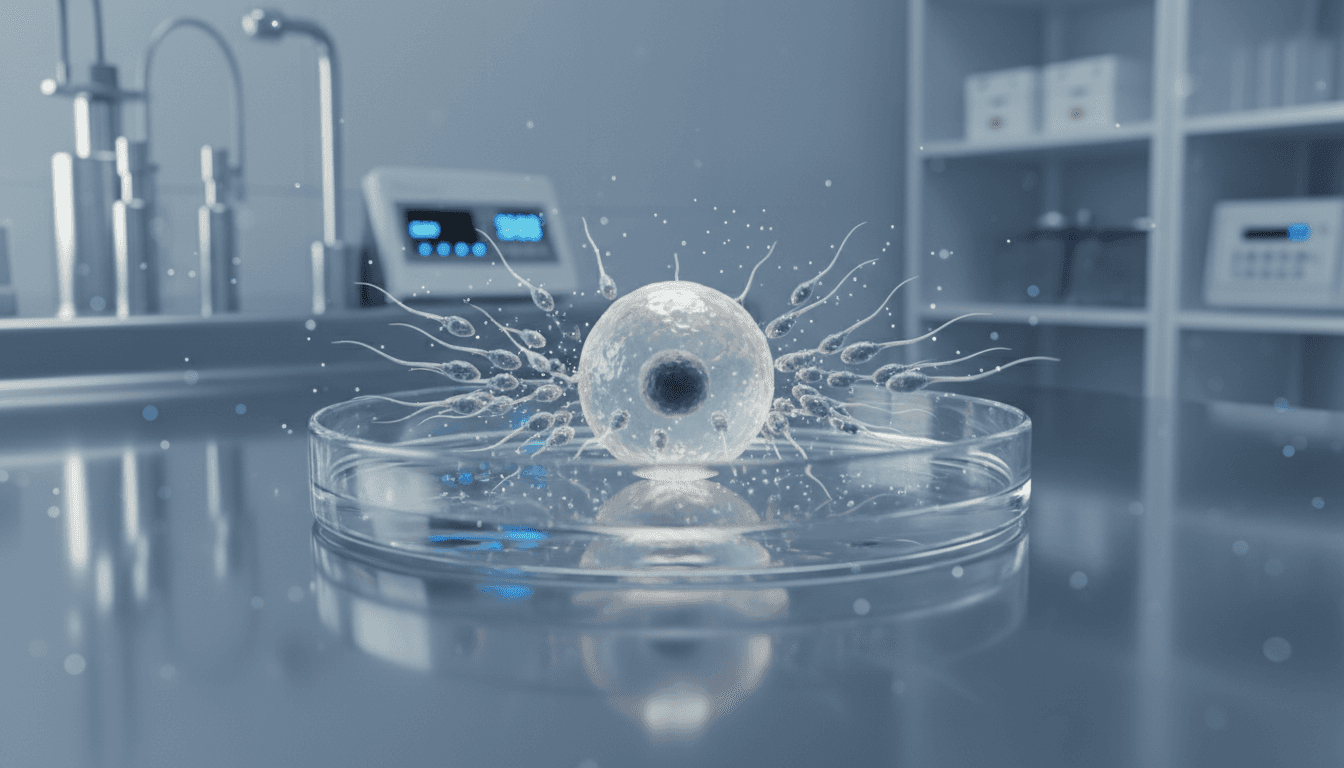






Radical prostatectomy can permanently change the natural pathway to fatherhood, but it does not always eliminate the possibility of having a biological child. The procedure removes the prostate and seminal vesicles and disrupts normal seminal emission, making natural conception through intercourse no longer feasible after radical prostatectomy.
At Safemedigo, fertility assessment after prostatectomy considers the exact operation, previous or planned cancer treatments, testicular function, and whether sperm was frozen before surgery. When banked sperm is unavailable, sperm may sometimes be retrieved directly from the epididymis or testicle and used in assisted reproduction, most commonly with intracytoplasmic sperm injection, or ICSI.
How Radical Prostatectomy Affects Male Fertility, Ejaculation, and Natural Conception
The reproductive consequences of radical prostatectomy differ substantially from procedures performed for benign prostate enlargement. Radical cancer surgery alters the reproductive tract permanently.
Why Ejaculation Stops After Radical Prostatectomy
Before surgery, sperm travels from the testes through the epididymis and vas deferens and mixes with fluid produced mainly by the seminal vesicles and prostate.
Radical prostatectomy removes these glands and disrupts the pathway for seminal emission. Men may still experience orgasm after recovery, but no semen is released, resulting in a dry orgasm.
This should not automatically be confused with conventional retrograde ejaculation, where semen travels backward into the bladder.
Can the Testicles Continue Producing Sperm After Prostate Removal?
Yes, sperm production may continue when testicular function remains intact.
Radical prostatectomy does not normally remove the testicles. The principal reproductive problem is therefore often loss of the route by which sperm could reach the outside of the body.
Surgical sperm retrieval can consequently remain an option for selected men.
Radical Prostatectomy Versus Surgery for Benign Prostate Enlargement
Not every prostate operation produces identical infertility.
Procedures for benign enlargement can alter ejaculation in different ways, including retrograde ejaculation in some men. Radical prostatectomy, however, removes reproductive structures and interrupts the pathway required for normal seminal emission.
Knowing the exact operation is therefore essential before planning fertility treatment.
Fertility Preservation and Sperm Freezing Before Radical Prostatectomy
The most straightforward fertility strategy is often to discuss preservation before prostate cancer treatment begins.
Ejaculated sperm cryopreservation is an established method, and contemporary fertility-preservation recommendations advise obtaining sperm before potentially fertility-impairing surgery or gonadotoxic treatment whenever possible.
Sperm Banking Before Prostate Cancer Surgery
The process generally involves collecting one or more semen samples, analyzing them, processing the sperm, and freezing multiple aliquots for future treatment.
When time and sperm quality allow, banking more than one sample can provide additional options for future IVF or ICSI.
Fertility Preservation When a Semen Sample Cannot Be Produced
Some men cannot provide an ejaculated sample because of erectile, ejaculatory, psychological, or medical problems.
Assisted collection techniques may occasionally help. If ejaculated sperm cannot be obtained, surgical sperm retrieval may be considered before cancer therapy in appropriate situations.
Why Fertility Planning Should Consider the Entire Prostate Cancer Treatment
Prostatectomy may not be the only treatment.
Pelvic radiation and hormonal treatment can also affect fertility, and other systemic therapies may further influence sperm production.
Fertility counseling should therefore take place before the complete oncological treatment plan whenever future biological fatherhood matters to the patient.
Read about: Step-by-Step Guide to the In Vitro Fertilization (IVF) Process
Surgical Sperm Retrieval After Prostatectomy From the Epididymis or Testicle
A lack of semen after radical prostatectomy does not automatically mean that sperm are absent from the reproductive system.
When spermatogenesis continues, sperm can potentially be retrieved from the epididymis or testicle.
PESA and MESA for Epididymal Sperm Retrieval After Prostatectomy
Sperm may sometimes be obtained from the epididymis.
PESA uses a needle to aspirate epididymal fluid containing sperm.
MESA uses microsurgical access to identify and collect sperm from the epididymis.
The choice depends on anatomy, previous surgery, expected sperm production, and the experience of the male-fertility team.
TESA and TESE for Testicular Sperm Retrieval After Prostatectomy
If epididymal retrieval is not suitable, sperm can be obtained directly from the testicle.
TESA uses needle aspiration to obtain testicular tissue and sperm.
TESE removes a small tissue sample that is examined for sperm.
Retrieved sperm can be frozen or used directly for IVF/ICSI. Surgical retrieval is an established option when a man cannot provide ejaculated sperm.
When Is Micro-TESE Needed After Radical Prostatectomy?
Micro-TESE is not automatically necessary simply because a man has undergone prostatectomy.
It is most useful when sperm production itself is impaired and sperm are difficult to locate within the testicle.
When spermatogenesis appears preserved and the main problem is loss of sperm transport, less complex retrieval techniques may be appropriate first.

IVF and ICSI After Prostatectomy Using Surgically Retrieved Sperm
The phrase “IVF after prostatectomy” is commonly used, but ICSI is frequently the practical fertilization method when sperm has been surgically retrieved.
Surgically obtained samples may contain relatively few sperm, and ICSI allows an embryologist to inject a single selected sperm directly into a mature egg.
Why ICSI Is Commonly Used With Surgically Retrieved Sperm
Conventional IVF requires sufficient sperm to surround an egg and fertilize it independently.
ICSI can be more appropriate when:
- Only a small number of sperm are available.
- Sperm has been surgically retrieved.
- Motility is reduced.
- Additional male-factor infertility is present.
Successful sperm retrieval does not guarantee pregnancy because reproductive outcome also depends strongly on the female partner and embryo development.
How an IVF-ICSI Cycle Works After Prostatectomy
The couple is evaluated together.
The female partner undergoes ovarian stimulation followed by egg retrieval. For the male partner, the laboratory may use:
- Sperm frozen before prostate surgery.
- Previously retrieved and frozen sperm.
- Sperm retrieved specifically for the current treatment cycle.
Mature eggs are then fertilized by ICSI, and embryos are monitored before transfer or freezing according to the treatment plan.
Fresh Versus Frozen Surgically Retrieved Sperm
Both approaches can be used.
Retrieving and freezing sperm before ovarian stimulation can be valuable when there is uncertainty about whether sperm will be found, because it prevents the couple from reaching egg retrieval without knowing whether a usable male gamete source exists.
Factors That Determine IVF Success After Radical Prostatectomy
Finding sperm is only one part of achieving pregnancy. Success depends on the reproductive characteristics of both partners.
Female Age and Ovarian Reserve in IVF After Prostatectomy
Evaluation typically includes the female partner's age, ovarian reserve, follicle count, reproductive history, and uterine factors.
When ovarian reserve is limited, timing and coordination of sperm retrieval become particularly important.
Testicular Function and Previous Prostate Cancer Treatments
Male assessment should consider:
- The exact prostate operation.
- Previous fertility history.
- Radiation treatment.
- Hormonal therapy.
- Other systemic cancer treatments.
- Current medications.
- Testicular health.
Hormonal treatment for prostate cancer can decrease sperm production, while pelvic radiation can also affect male fertility depending on the treatment exposure.
Testosterone Therapy and Sperm Production During Fertility Treatment
Exogenous testosterone is important to disclose during fertility assessment.
Testosterone treatment can suppress the hormonal signals required for spermatogenesis and may reduce sperm production substantially, sometimes to azoospermia.
Cancer or hormonal medications should never be altered without coordination with the treating medical team.
Read about: IVF Procedure Explained: From Fertilization to Embryo Transfer
Planning Biological Fatherhood After Prostate Cancer and Prostatectomy
Fertility care is most effective when it is coordinated with cancer treatment rather than addressed only after all treatment has ended.
For men who have not yet undergone surgery, sperm cryopreservation should be discussed when future fertility is important. After surgery, the focus shifts toward determining whether sperm production remains present and selecting the safest retrieval strategy.
Male and Female Tests Before IVF After Prostatectomy
Male evaluation may include review of:
- Operative records.
- Cancer pathology.
- Subsequent oncological treatment.
- Testicular examination.
- Hormonal testing when indicated.
- Current medication.
- The preferred sperm-retrieval technique.
The female partner should be assessed at the same time so the couple's treatment plan reflects both sides of fertility.
What Happens if the First Sperm Retrieval Attempt Is Unsuccessful?
The reason for failure should be reassessed.
A different retrieval technique may be considered when sperm production is still believed to be present. Micro-TESE may become relevant when impaired spermatogenesis is suspected.
No sperm-retrieval technique can guarantee success because sperm must actually be produced within the testicular tissue.
Sexual Function and Fertility After Prostatectomy Are Different Issues
Erectile dysfunction and infertility after radical prostatectomy should not be considered the same problem.
A man can have severe erectile dysfunction while still producing sperm, and restoring erections does not restore normal ejaculation after radical prostatectomy.
Fertility treatment and sexual rehabilitation can therefore proceed as separate but coordinated pathways.
Read about: IVF Cost and Success: Turkey vs USA
Conclusion
Radical prostatectomy prevents natural conception through intercourse because normal semen ejaculation and sperm transport are permanently disrupted. However, sperm production may remain intact, allowing selected men to use sperm retrieved from the epididymis or testicle for IVF, most often through ICSI.
Whenever possible, sperm should be preserved before prostate cancer treatment. For men who have already undergone surgery, evaluation of testicular function, previous cancer treatments, and the female partner's fertility helps determine whether PESA, TESA, TESE, or a more advanced retrieval approach is appropriate.
Frequently Asked Questions: IVF After Prostatectomy
Can a man have biological children after radical prostatectomy?
Yes, in selected cases, by using sperm frozen before surgery or sperm surgically retrieved from the epididymis or testicle.
Can a man ejaculate after radical prostatectomy?
Normal semen ejaculation does not occur after radical prostatectomy, although orgasm may still be possible.
Does the body still produce sperm without a prostate?
The testicles may continue producing sperm if testicular function remains intact, but the normal route for sperm ejaculation has been interrupted.
Which sperm-retrieval procedure is best after prostatectomy?
The choice between PESA, MESA, TESA, TESE, and Micro-TESE depends on sperm production, anatomy, previous treatment, and clinical findings.
Is IVF or ICSI usually used with surgically retrieved sperm?
ICSI is commonly used because it can fertilize an egg using a very small number of surgically retrieved sperm.