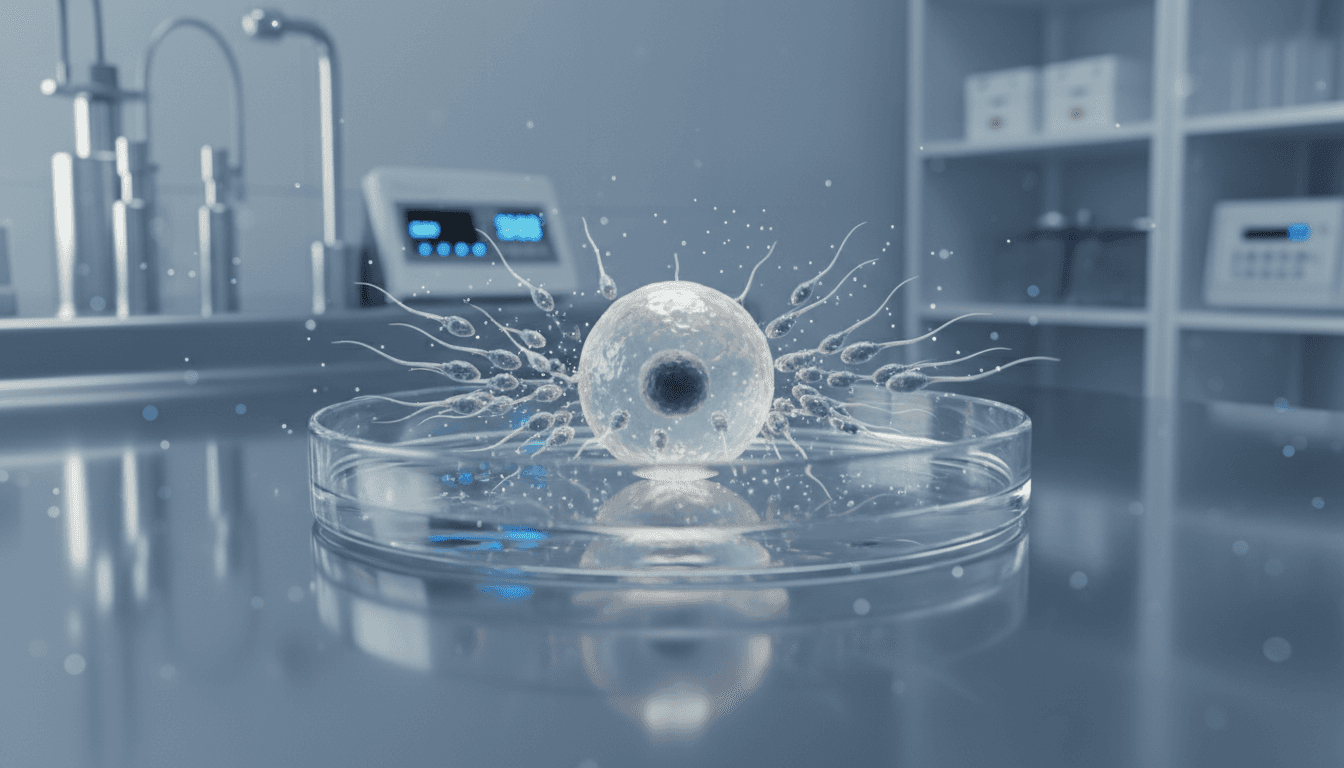








Unexplained infertility is one of the most frustrating diagnoses a couple can receive on their journey to parenthood. It refers to cases where all standard fertility tests return normal results for both partners, yet pregnancy does not occur after 12 months or more of regular, unprotected intercourse. Despite the absence of an identifiable cause, this diagnosis does not signal the end of hope — quite the opposite.
This comprehensive guide explores the causes of unexplained infertility, the most accurate diagnostic approaches, and the full spectrum of treatment options available today — from IUI to IVF and beyond. Understanding the chances of pregnancy with unexplained infertility and the steps to treat it effectively can make all the difference in a couple's journey toward a successful pregnancy with the support of the Safemedigo specialist team.
What Is Unexplained Infertility and Its Causes
Unexplained infertility accounts for 10% to 30% of all infertility cases worldwide. It is a diagnosis given when all standard fertility evaluations — including semen analysis, ovarian reserve testing, fallopian tube assessment, and ovulation evaluation — yield normal results, yet conception remains elusive.
Unexplained Infertility Definition
Unexplained infertility is medically defined as the failure to conceive after 12 months (or 6 months for women over 35) of regular, unprotected intercourse, despite normal findings across all standard fertility investigations. While the tests appear normal, subtle dysfunctions may exist at levels that conventional testing cannot detect. This is why unexplained infertility diagnosis often requires more advanced and specialized evaluation to uncover hidden factors that standard protocols may miss.
Causes of Unexplained Infertility
Although no definitive cause is identified, several underlying factors may contribute to infertility with no known cause:
- Subtle defects in egg or sperm quality not detected by routine analysis.
- Impaired fertilization or early embryo development in the laboratory setting.
- Reduced endometrial receptivity, preventing successful embryo implantation.
- Occult immune responses that interfere with embryo acceptance.
- Genetic or chromosomal micro-abnormalities not visible on standard karyotyping.
- Environmental and hormonal factors that subtly disrupt the reproductive process.
Identifying these potential causes is critical to determining the best treatment for unexplained infertility and tailoring the most effective therapeutic approach for each couple.
Unexplained Infertility in Women
In women, unexplained infertility in women is often linked to subtle issues that standard tests fail to reveal. These may include diminished functional ovarian reserve despite normal AMH levels, impaired endometrial receptivity even with adequate lining thickness, subtle ovulatory dysfunction such as luteinized unruptured follicle syndrome, or mild chronic uterine inflammation. Psychological stress and chronic anxiety also play a significant role, as they directly affect hormonal balance and ovulation quality — factors that are rarely captured in routine fertility testing but are highly relevant to the chances of pregnancy with unexplained infertility.
Unexplained Infertility in Men
Unexplained infertility in men is equally complex. A semen analysis may show normal count, motility, and morphology, yet a hidden functional defect may prevent the sperm from successfully penetrating or fertilizing the egg. Sperm DNA fragmentation — microscopic damage to the genetic material within sperm cells — is one of the most common yet underdiagnosed contributors to infertility with no known cause. Advanced sperm function tests, including the DNA fragmentation index (DFI), are essential components of a thorough unexplained infertility diagnosis when standard semen parameters appear normal.
Read about: Latest Male Infertility Treatments: From Medications to Innovative Techniques
Diagnosis of Unexplained Infertility
Accurate and comprehensive diagnosis is the foundation of any effective unexplained infertility treatment plan. Moving beyond standard testing allows physicians to identify subtle dysfunctions and design a targeted therapeutic strategy.
Unexplained Infertility Diagnosis
A thorough unexplained infertility diagnosis goes beyond the basic fertility workup and includes:
- Sperm DNA fragmentation testing (DFI) to assess genetic integrity of sperm.
- Endometrial receptivity analysis (ERA test) to identify the optimal implantation window.
- Chromosomal karyotyping for both partners to detect genetic anomalies.
- Detailed hormonal profiling throughout the menstrual cycle.
- Diagnostic hysteroscopy to identify subtle intrauterine abnormalities.
- Reproductive immunology testing to detect anti-sperm antibodies or immune-mediated implantation failure.
Infertility Testing with Normal Results
One of the most challenging aspects of unexplained infertility is receiving infertility testing with normal results while still being unable to conceive. In these cases, advanced testing becomes essential. Ovarian reserve assessment via AMH levels and antral follicle count, combined with detailed uterine cavity evaluation and advanced sperm function testing, can reveal subtle issues invisible to standard protocols. These specialized investigations are the key to unlocking the most effective steps to treat unexplained infertility and achieving a successful pregnancy outcome.
When Is Infertility Unexplained
Infertility is classified as unexplained when two core criteria are met: first, the couple has been trying to conceive for 12 months without success (6 months if the woman is over 35); and second, all standard fertility investigations return normal results. At this point, couples are strongly advised to seek evaluation at a specialized fertility center rather than continuing to wait, as early intervention significantly improves the chances of pregnancy with unexplained infertility.

Treatment Options for Unexplained Infertility
A wide range of evidence-based treatment options is available for unexplained infertility, progressing from the least to the most interventional depending on each couple's unique circumstances.
Unexplained Infertility Treatment
The treatment pathway for unexplained infertility typically follows a stepwise approach:
- Lifestyle optimization: dietary improvements, moderate exercise, smoking cessation, and stress reduction.
- Ovulation stimulation: mild ovarian stimulation to increase the number of mature eggs available for fertilization.
- Intrauterine insemination (IUI): placing prepared sperm directly into the uterus at the time of ovulation.
- In vitro fertilization (IVF): fertilizing the egg outside the body and transferring the resulting embryo into the uterus.
- Intracytoplasmic sperm injection (ICSI): injecting a single sperm directly into the egg to ensure fertilization.
Best Treatment for Unexplained Infertility
The best treatment for unexplained infertility is one that is individualized to each couple's profile, taking into account the woman's age, ovarian reserve, duration of infertility, and previous treatment history. Research consistently shows that IVF combined with ICSI achieves higher success rates in unexplained infertility compared to IUI alone, particularly for women over 35. The addition of preimplantation genetic testing (PGT-A) and endometrial receptivity analysis (ERA) further enhances the success rates of unexplained infertility treatment by selecting chromosomally normal embryos and optimizing the timing of embryo transfer.
Fertility Treatment Options
Among the most advanced fertility treatment options available today for unexplained infertility are:
- ERA (Endometrial Receptivity Analysis): identifies the personalized implantation window for optimal embryo transfer timing.
- PGT-A (Preimplantation Genetic Testing for Aneuploidy): selects chromosomally normal embryos to improve implantation rates.
- Time-lapse embryo monitoring: continuous observation of embryo development to select the highest-quality embryo for transfer.
- Artificial oocyte activation (AOA): used in cases of repeated fertilization failure to improve fertilization outcomes.
- Advanced endometrial preparation protocols: tailored hormonal regimens to maximize endometrial receptivity.
Read about: Modern Fertility Treatments for Men and Women You Should Know
IUI for Unexplained Infertility
Intrauterine insemination (IUI) is often the first-line treatment approach for unexplained infertility, offering a relatively simple and cost-effective intervention with meaningful success rates in appropriate candidates.
IUI for Unexplained Infertility
IUI for unexplained infertility involves processing and concentrating the sperm sample in the laboratory to select the most motile and morphologically normal sperm, then injecting them directly into the uterine cavity at the time of ovulation. This procedure is typically combined with mild ovarian stimulation to ensure at least one or two mature follicles are available. IUI is most appropriate for couples where the woman is under 35, has patent fallopian tubes, a good ovarian reserve, and where semen parameters are within the normal range, making it a practical first step in the steps to treat unexplained infertility.
IUI Success Rates
The success rates of IUI for unexplained infertility range from 10% to 20% per cycle, with cumulative pregnancy rates reaching 40%–50% after three to four consecutive cycles. These success rates of unexplained infertility treatment via IUI are influenced by several factors, including the woman's age, ovarian response to stimulation, endometrial thickness at the time of insemination, and the quality of the processed sperm sample. Younger women with good ovarian reserve tend to achieve the highest success rates with this approach.
When to Consider IUI
IUI is recommended as an initial treatment step for unexplained infertility when the woman is under 35, both fallopian tubes are open and functional, and semen analysis results are within normal limits. However, if pregnancy is not achieved after three to four IUI cycles, transitioning to IVF or ICSI is strongly recommended to improve the chances of pregnancy with unexplained infertility and avoid unnecessary delays in achieving a successful outcome.
IVF for Unexplained Infertility
In vitro fertilization (IVF) combined with intracytoplasmic sperm injection (ICSI) represents the most effective treatment modality for unexplained infertility, particularly when IUI has not been successful or when the couple's profile warrants a more direct approach.
IVF for Unexplained Infertility
IVF for unexplained infertility involves stimulating the ovaries to produce multiple mature eggs, retrieving them under ultrasound guidance, fertilizing them with sperm in the laboratory using ICSI, and then transferring the resulting embryo(s) into the uterus. This process bypasses many of the potential barriers to natural conception, including subtle fertilization defects and implantation issues. The ability to observe embryo development in the laboratory and select the best-quality embryo for transfer gives IVF a significant advantage over less interventional approaches in cases of unexplained infertility.
Success Rates of Unexplained Infertility
The success rates of unexplained infertility treatment via IVF-ICSI are among the highest in assisted reproductive technology, ranging from 40% to 60% per cycle for women under 35. These rates decline gradually with advancing age but can be significantly improved through the addition of PGT-A and ERA testing. When chromosomally normal embryos are transferred during the optimal implantation window, the cumulative success rates of unexplained infertility treatment can exceed 70% over multiple cycles, offering couples a realistic and encouraging path to parenthood.
When to Choose IVF
IVF is the recommended treatment choice for unexplained infertility in the following scenarios:
- Failure to conceive after three or more IUI cycles.
- Woman's age over 35 with declining ovarian reserve.
- Suspected subtle sperm functional defects despite normal semen analysis.
- History of fertilization failure in previous IVF cycles.
- Desire to perform preimplantation genetic testing (PGT-A) before embryo transfer.
- Recurrent implantation failure or recurrent pregnancy loss.
Read about: IVF Procedure Explained: From Fertilization to Embryo Transfer
Chances of Pregnancy with Unexplained Infertility
The prognosis for couples diagnosed with unexplained infertility is considerably more optimistic than many realize. With the right treatment approach and timely intervention, the chances of achieving a successful pregnancy are genuinely encouraging.
Chances of Pregnancy with Unexplained Infertility
Studies indicate that the chances of pregnancy with unexplained infertility reach approximately 30%–40% annually even without any medical intervention — a rate higher than many other infertility diagnoses. With appropriate medical treatment, these rates improve substantially: IUI for unexplained infertility achieves 10%–20% per cycle, while IVF for unexplained infertility can reach 40%–60% per cycle for younger women. The single most important factor in maximizing these chances is seeking specialized medical evaluation early rather than waiting and hoping for spontaneous conception.
How to Increase Fertility Chances
Several evidence-based strategies can help increase fertility chances in couples with unexplained infertility:
- Maintaining a healthy body weight, as both underweight and overweight conditions impair fertility.
- Following an antioxidant-rich diet with adequate folate, vitamin D, and omega-3 fatty acids.
- Avoiding smoking, alcohol, and recreational drugs, which are known to reduce fertility in both partners.
- Limiting caffeine intake to less than 200 mg per day.
- Managing chronic stress through mindfulness, yoga, or cognitive behavioral therapy.
- Ensuring regular, moderate physical activity without excessive exercise.
Natural Conception Tips
While medical treatment is often necessary for unexplained infertility, natural conception tips can complement the treatment process. Timing intercourse to coincide with the fertile window (the five days before ovulation and the day of ovulation itself) maximizes the chances of natural conception. Using ovulation predictor kits or tracking basal body temperature can help identify this window accurately. Additionally, ensuring both partners are taking appropriate supplements — folic acid for women and antioxidants such as CoQ10 for men — can improve gamete quality and support the overall treatment process.
Read about: Natural Fertility Treatments: Effective Ways to Boost Conception
Improving Treatment Success
Maximizing the success of unexplained infertility treatment extends beyond the clinical protocol to encompass lifestyle optimization, psychological wellbeing, and a structured, evidence-based approach to each treatment cycle.
Steps to Treat Unexplained Infertility
A structured and evidence-based approach to the steps to treat unexplained infertility follows this progression:
- Comprehensive diagnostic evaluation including advanced specialized testing for both partners.
- Initiation of less invasive interventions (IUI with ovarian stimulation) when clinically appropriate.
- Transition to IVF-ICSI if IUI is unsuccessful after three to four cycles.
- Integration of PGT-A and ERA testing to optimize embryo selection and transfer timing.
- Ongoing monitoring and protocol adjustment based on the response and outcomes of each cycle.
Lifestyle and Fertility
The connection between lifestyle and fertility is well-established in the scientific literature. Nutritional optimization — particularly adequate intake of folate, vitamin D, zinc, and antioxidants — directly supports egg and sperm quality. Maintaining a healthy BMI is equally important, as adipose tissue influences estrogen metabolism and ovarian function. Reducing exposure to endocrine-disrupting chemicals found in plastics, pesticides, and certain personal care products is also recommended. These lifestyle modifications, when combined with appropriate medical treatment, can meaningfully improve the success rates of unexplained infertility treatment.
Emotional Support During Treatment
The psychological burden of unexplained infertility should never be underestimated. The uncertainty of not having a clear diagnosis, combined with the emotional and financial demands of fertility treatment, can take a significant toll on couples. Seeking professional psychological support, joining peer support groups, and maintaining open communication between partners are all essential components of a holistic treatment approach. The Safemedigo team recognizes that emotional wellbeing is inseparable from physical health in the fertility journey, and provides compassionate, patient-centered support throughout every stage of treatment.
In conclusion, unexplained infertility — while challenging — is a highly treatable condition with a genuinely positive prognosis for most couples. The combination of advanced diagnostic testing, individualized treatment protocols ranging from IUI to IVF-ICSI, lifestyle optimization, and psychological support creates the optimal foundation for achieving a successful pregnancy. The key is early action, expert guidance, and a personalized approach tailored to each couple's unique needs.
Whether you are just beginning your fertility journey or have already undergone initial investigations, the Safemedigo specialist team is here to provide the expertise, technology, and compassionate care needed to turn your dream of parenthood into reality. Reach out to Safemedigo today and take the first confident step toward your successful pregnancy.
FAQ: Unexplained Infertility: Treatment Options
Does unexplained infertility mean I can never get pregnant?
Absolutely not. Unexplained infertility does not mean pregnancy is impossible. In fact, the chances of pregnancy with unexplained infertility are among the more favorable compared to other infertility diagnoses, with spontaneous conception rates of 30%–40% annually without any treatment. With appropriate medical intervention such as IUI or IVF for unexplained infertility, these rates improve substantially, giving couples a realistic and encouraging path to parenthood.
How many IUI cycles should I try before moving to IVF?
The general recommendation is to attempt three to four IUI cycles before transitioning to IVF for unexplained infertility, provided the woman is under 35 and has a good ovarian reserve. For women over 35 or those with diminished ovarian reserve, proceeding directly to IVF-ICSI is often advised to avoid unnecessary delays. The best treatment for unexplained infertility is always individualized based on age, ovarian reserve, and the couple's specific circumstances.
Is genetic testing of embryos necessary for unexplained infertility?
Preimplantation genetic testing (PGT-A) is not required in all cases of unexplained infertility, but it is strongly recommended in specific situations: recurrent implantation failure, recurrent pregnancy loss, advanced maternal age (over 35), or when previous IVF cycles have produced poor-quality embryos. PGT-A significantly improves the success rates of unexplained infertility treatment by selecting chromosomally normal embryos, reducing the risk of miscarriage, and increasing the likelihood of a successful live birth.
Can stress cause unexplained infertility?
Chronic psychological stress can contribute to infertility with no known cause by disrupting hormonal balance, impairing ovulation quality, and reducing sperm parameters. While stress alone is rarely the sole cause of unexplained infertility, addressing it is an integral part of a comprehensive treatment plan. Stress management techniques — including mindfulness, cognitive behavioral therapy, and peer support — are recommended alongside medical treatment to optimize overall outcomes and improve the chances of pregnancy with unexplained infertility.
What is the difference between IUI and IVF for unexplained infertility?
IUI for unexplained infertility involves placing processed sperm directly into the uterus to facilitate natural fertilization, and is a simpler, less costly procedure. IVF for unexplained infertility involves fertilizing the egg outside the body in a laboratory setting, offering direct control over the fertilization process and the ability to assess embryo quality before transfer. IVF-ICSI achieves significantly higher success rates than IUI, making it the preferred option when IUI has been unsuccessful or when the couple's profile suggests a more direct approach is warranted.