





Coronary artery blockage is a primary form of coronary artery disease that threatens the health of millions worldwide. This narrowing of the arteries supplying the heart obstructs blood flow, which can lead to severe consequences. Fortunately, treatment is no longer limited to complex open-heart surgery. Modern artery treatment techniques have opened new horizons, offering effective and less invasive solutions.
This article aims to review the latest methods for treating coronary artery disease without surgery, focusing on the role of cardiac catheterization and coronary stent placement. At Safemedigo, we believe that knowledge is the first step toward healing, and we strive to empower you to understand your advanced treatment options to restore artery health and enjoy a normal, active life.
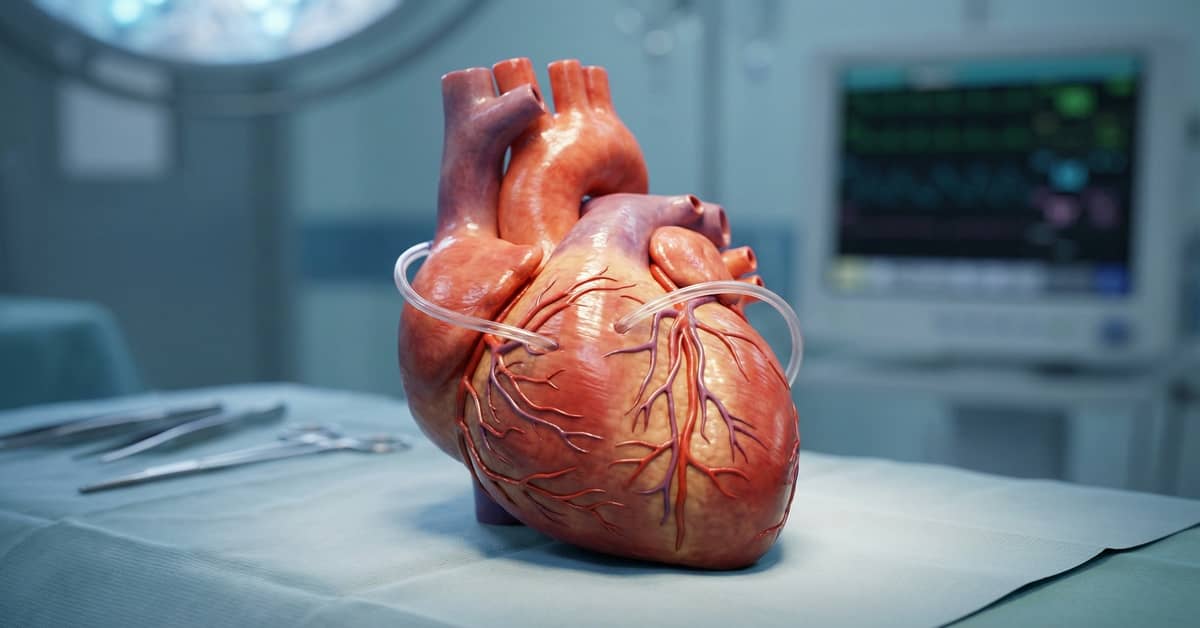
Coronary Artery Blockage and Heart Impact
Coronary Artery Blockage Symptoms
Often, heart artery blockage symptoms are silent at first, but as the narrowing worsens, warning signs begin to appear. It is essential to pay attention to these symptoms:
- Angina: Pain, pressure, or tightness in the chest, which may spread to the arm or shoulder.
- Shortness of breath: Especially during physical exertion.
- Rapid fatigue: Feeling extremely tired when performing previously easy activities.
- Cold sweats and nausea: May accompany severe pain episodes.
Early recognition of these symptoms is crucial to avoid the risks of coronary artery disease.
Causes of Artery Blockage
The causes of artery blockage are numerous, a process known as atherosclerosis, where fatty substances and cholesterol (plaque) build up on the inner walls of the arteries. Key contributing factors include high blood pressure, high cholesterol, diabetes, smoking, obesity, and family history. Understanding these causes is key to implementing effective strategies for preventing artery blockage.
Risks of Coronary Artery Disease
Neglecting the treatment of coronary artery blockage carries serious risks. When the heart does not receive enough oxygen-rich blood, it can lead to a heart attack (myocardial infarction), where part of the heart muscle dies. Other risks include weakening of the heart muscle, heart failure, and dangerous heart rhythm disorders. Therefore, prompt therapeutic intervention is necessary to reduce these risks.
Read about: Symptoms of Coronary Artery Blockage and Treatment Options
Accurate Diagnosis of Coronary Artery Blockage
Coronary Heart Disease Diagnosis
The diagnosis of coronary heart disease begins with a comprehensive assessment of the patient's medical history and risk factors, in addition to a physical examination. The doctor listens to the patient's heart and lungs and measures blood pressure. Based on this initial assessment, the doctor may order a series of more specialized tests to confirm the diagnosis and determine the severity of the blockage.
Coronary Artery Imaging
Coronary artery imaging is the gold standard for diagnosing blockages. This procedure is usually performed during cardiac catheterization, where a special dye is injected into the coronary arteries, and then X-ray images (angiography) are taken. These images clearly show any narrowing or blockages in the arteries, allowing the doctor to pinpoint the exact location and severity of the problem.
Advanced Artery Tests
Besides catheterization, there are advanced non-invasive artery tests that can aid in diagnosis. These include coronary computed tomography angiography (CT Angiography), which uses CT scans and dye to create 3D images of the heart and its arteries. This test can be an effective alternative to diagnostic catheterization in some cases, providing a highly accurate diagnosis of blocked artery treatment needs.
Read about: Non-Surgical Artery Blockage Treatments: Latest Advances
Treating Coronary Artery Blockage Without Surgery
Non-Surgical Artery Treatment
Non-surgical heart treatment has revolutionized the field of cardiology. Instead of open-heart surgery, many cases of coronary artery blockage can now be treated using catheter-based techniques. These procedures are minimally invasive heart treatment options, require a shorter recovery period, and carry lower risks compared to traditional surgery, making them the preferred choice for many patients.
Modern Artery Treatment Techniques
Modern artery treatment techniques are constantly evolving. These advanced cardiac treatments include the use of drug-eluting stents that release medication to prevent re-narrowing, drug-coated balloons, and atherectomy techniques that use special tools to scrape or vaporize hardened plaque. These techniques allow doctors to handle various types of complex blockages more effectively.
Improving Blood Flow to the Heart
The primary goal of treating coronary artery disease is improving blood flow to the heart. By opening blocked arteries, the supply of oxygen and nutrients to the heart muscle is restored. This not only relieves symptoms like chest pain and shortness of breath but also improves heart function and reduces the risk of a future heart attack.

Cardiac Catheterization and Treatment Role
Catheter-Based Treatment
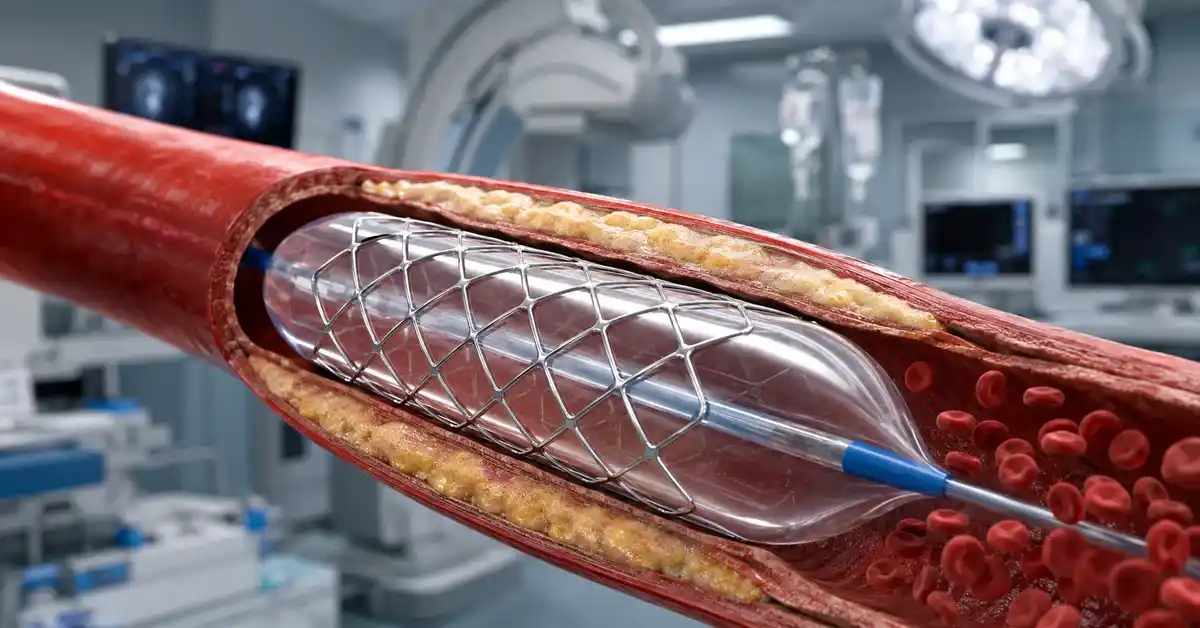
Catheter-based treatment, also known as percutaneous coronary intervention (PCI) or angioplasty procedure, is the main procedure for treating coronary artery blockage without surgery. A thin, flexible tube (catheter) is inserted through an artery in the arm or groin and guided to the heart's arteries. The necessary procedures are then performed through this catheter. The steps include:
- Inserting and guiding the catheter to the blocked coronary artery.
- Inflating a small balloon at the site of the narrowing to widen the artery.
- In most cases, placing a stent to keep the artery open.
Artery Stent Placement
A coronary stent placement involves inserting a small, expandable mesh tube into the artery after it has been widened by the balloon. The stent acts as a permanent scaffold to keep the artery open and prevent re-blockage. Most modern stents are drug-eluting, coated with medication that is slowly released to help prevent the growth of scar tissue within the stent, improving long-term outcomes.
Cardiac Catheterization Results
Cardiac catheterization has very high success rates in opening blocked arteries and relieving symptoms. Most patients feel an immediate improvement in symptoms and can return to their normal activities within a few days. The long-term results are excellent, especially when the procedure is combined with appropriate medications and healthy lifestyle changes.
Read about: Cardiac Catheterization for Artery Blockage Treatment
Treating Atherosclerosis with Modern Methods
Atherosclerosis Treatment
Atherosclerosis treatment is a comprehensive approach that not only focuses on opening existing blockages but also aims to slow the progression of the disease and prevent the formation of new plaques. This relies on strict management of risk factors, which is the cornerstone of long-term artery health improvement after any therapeutic intervention.
Medications for Artery Blockage
Medications for coronary artery disease play a vital role in heart artery disease management. After stent placement, patients must take antiplatelet drugs (like aspirin and clopidogrel) to prevent clot formation. Additionally, other drugs such as statins to lower cholesterol, beta-blockers to reduce the workload on the heart, and medications to control blood pressure are prescribed.
Artery Disease Follow-Up
Regular follow-up after catheter-based treatment is essential to ensure the best outcomes. This follow-up includes periodic doctor visits, blood tests to monitor cholesterol levels, and evaluation of any new symptoms. Follow-up helps to ensure the effectiveness of medications, adjust the treatment plan as needed, and provide support and encouragement for the patient to adhere to a healthy lifestyle.
Read about: Coronary Artery Replacement: Turkey vs Germany
Preventing Coronary Artery Blockage
Coronary Artery Disease Prevention
Coronary artery disease prevention is the best strategy of all. This can be achieved by controlling modifiable risk factors. Even if you have a family history, making healthy choices can significantly reduce your chances of developing the disease.
Lifestyle and Artery Health
Lifestyle directly affects artery health. A diet low in saturated fat and cholesterol, and rich in fiber, fruits, and vegetables, can help prevent plaque buildup. Regular exercise also helps maintain a healthy weight, lower blood pressure, and improve cholesterol levels.
Reducing Heart Disease Risks
To effectively reduce heart disease risks, it is essential to quit smoking, as it is one of the biggest risk factors for atherosclerosis. In addition, chronic conditions like diabetes and high blood pressure must be managed effectively through adherence to medications and medical follow-up. Managing stress and getting enough sleep also contribute to overall heart health.
Read about: The Best Tests Before Open Heart Surgery
Artery Health and Long-Term Treatment Success
Long-Term Artery Health
Maintaining long-term artery health is a lifelong commitment. After treating a blockage, it is important to continue following a healthy lifestyle to prevent new blockages from forming in the same or other arteries. This ensures the continued improvement of blood flow to the heart and maintains the positive results of the treatment.
Nutrition and Artery Treatment
Nutrition plays a key supportive role in artery treatment. The Mediterranean diet, which focuses on olive oil, fish, nuts, vegetables, and fruits, is recommended. This dietary pattern helps reduce inflammation in the body, improve cholesterol levels, and support overall blood vessel health.
Exercise and Artery Diseases
Regular exercise is an integral part of rehabilitation for patients with artery diseases. Exercise helps strengthen the heart muscle, improve circulation, lower blood pressure, and aid in weight control. A doctor should be consulted before starting any exercise program to determine the appropriate type and intensity for the patient's health condition.
Read about: Open Heart Surgery Cost: Turkey vs USA
Conclusion
In conclusion, modern, non-surgical artery treatment techniques have transformed how we handle coronary artery blockage, offering new hope and a better quality of life for patients. Through catheter-based treatment and coronary stent placement, it is now possible to effectively and safely restore blood flow to the heart with a short recovery period. However, treatment remains part of a larger journey that includes prevention, follow-up, and commitment to a healthy lifestyle. Don't let a blocked artery control your life; take the first step toward a healthy heart and contact the experts at Safemedigo today.
Frequently Asked Questions: Treating Coronary Artery Blockage with Non-Surgical Techniques
How long is the hospital stay after an angioplasty procedure and stent placement?
In most uncomplicated cases, the patient can go home the same day or the day after the procedure. This depends on the patient's condition and the type of procedure performed.
Will I feel the stent in my artery?
No, you will not feel the stent at all. Once placed, it becomes part of the artery wall, and you will have no physical sensation of it.
Can the artery get blocked again after a stent is placed?
There is a small risk of re-narrowing within the stent (restenosis), but this risk has been significantly reduced with the use of modern drug-eluting stents. Adherence to medications and a healthy lifestyle further reduces this risk.
What are the activity restrictions after getting a stent?
Your doctor will advise you to avoid strenuous activities and heavy lifting for about a week. After that, you can gradually return to your normal activities. Recommended cardiac rehabilitation programs are very helpful in safely resuming activity.
Is catheter-based treatment the only option for treating artery blockage?
No, the best option depends on the number, location, and severity of the blockages, as well as the patient's overall health. In some complex cases (such as multiple blockages), coronary artery bypass graft (CABG) surgery may be the better option. Your doctor will discuss the most suitable option for your condition with you.