





The heart is the engine of the circulatory system, a vital organ that tirelessly pumps oxygen-rich blood to every cell in the body. The efficiency of this powerhouse depends on a complex network of coronary arteries that supply it with nourishment. However, when these arteries become blocked due to the buildup of fatty deposits, a condition known as atherosclerosis, the heart's health is directly threatened, potentially leading to severe complications like heart attacks. This is where advanced medical technologies become crucial for reopening these vital pathways and restoring normal blood flow.
At the forefront of these technologies is interventional cardiac catheterization, a sophisticated medical procedure that has revolutionized the field of cardiology. Instead of resorting to complex open-heart surgeries, catheterization allows physicians to access and treat the heart's arteries through a tiny incision, merely a few millimeters in size. Whether it's a diagnostic catheterization to pinpoint the exact locations of blockages or a therapeutic one to open them, this procedure offers an effective solution with minimal surgical invasion, reducing risks and significantly shortening recovery time.
In this comprehensive guide, we will explore everything related to interventional cardiac catheterization procedures, from their definition and types to the detailed steps involved and advanced therapeutic techniques like stent placement and balloon angioplasty. Safemedigo is committed to providing patients with a clear understanding of this vital procedure, empowering them to comprehend their treatment options and make informed decisions in collaboration with their medical team, ensuring their heart's health and a return to a normal, active life.
What is Cardiac Catheterization?
Cardiac catheterization is a precise medical procedure used to diagnose and treat cardiovascular conditions, particularly problems affecting the coronary arteries.
Definition of cardiac catheterization
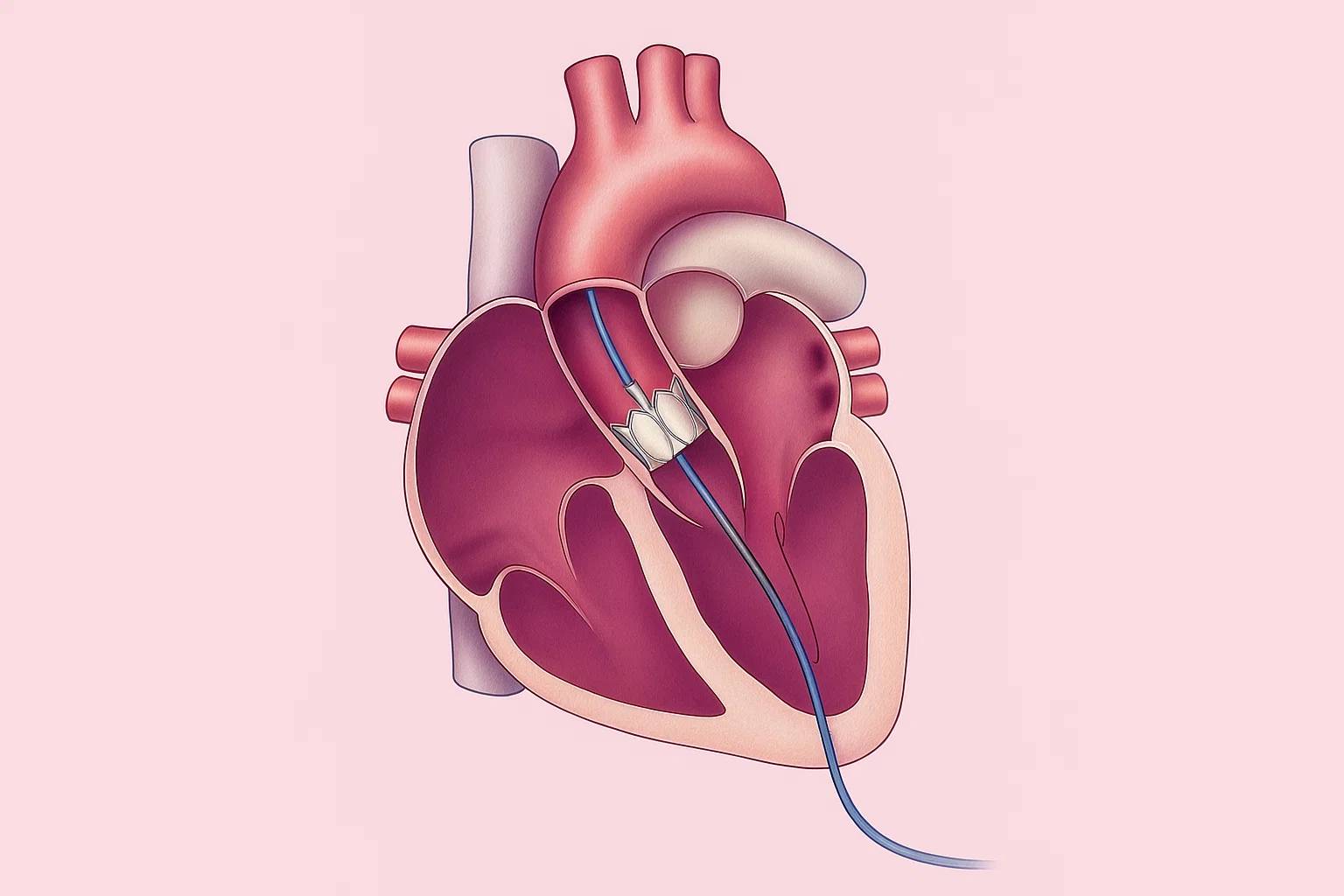
The procedure involves inserting a thin, flexible tube (a catheter) into a blood vessel, typically in the wrist (radial artery) or groin (femoral artery). This catheter is then carefully guided under X-ray imaging until it reaches the heart's arteries. Through this catheter, doctors can perform a variety of diagnostic and therapeutic interventions directly inside the heart.
Diagnostic vs Therapeutic cardiac catheterization
Cardiac catheterization is divided into two main types:
- Diagnostic Cardiac Catheterization (Coronary Angiography): The primary goal is to identify the problem. A special contrast dye is injected through the catheter, which allows X-rays to create a clear map of the coronary arteries. This map, called an angiogram, helps detect any narrowing or blockages and determine their severity.
- Therapeutic Cardiac Catheterization (Percutaneous Coronary Intervention - PCI): This is performed after a diagnosis is made, often during the same session. If a significant blockage is found, the catheter can be used to perform an immediate treatment, such as opening the blocked artery with a small balloon or placing a metal stent to keep it open.
When cardiac catheterization is recommended
Cardiac catheterization is recommended in several situations, most notably when coronary artery disease is suspected. Symptoms that might prompt a doctor to recommend the procedure include chest pain (angina), shortness of breath, or abnormal results from other heart tests like an electrocardiogram (ECG) or a stress test.
Read about: Symptoms of Coronary Artery Blockage and Treatment Options
Why use Catheterization to Treat Blocked Coronary Arteries
Percutaneous coronary intervention (PCI) is the optimal and most effective solution for treating blockages that threaten the heart muscle.
How coronary artery blockage develops
Coronary artery blockage occurs as a result of a process called atherosclerosis. This process begins with the accumulation of fatty substances, cholesterol, and calcium on the inner walls of the arteries, forming what are known as "plaques." Over time, these plaques grow and harden, leading to the narrowing of the arteries and reduced blood flow to the heart muscle. If one of these plaques ruptures, a blood clot can form and completely block the artery, causing a heart attack.
Symptoms that may lead to coronary angiography
The most common symptoms that suggest a possible coronary artery blockage and warrant a diagnostic coronary angiography include:
- Chest Pain (Angina): A feeling of pressure, heaviness, or squeezing in the chest, which may radiate to the left arm, neck, or jaw.
- Shortness of Breath: Especially during physical exertion.
- Extreme Fatigue: Unexplained feelings of tiredness.
- Heart Attack Symptoms: This is an emergency requiring immediate catheterization, and symptoms include severe chest pain, cold sweats, nausea, and dizziness.
Read about: Non-Surgical Artery Blockage Treatments: Latest Advances
Steps of the Catheterization Treatment Procedure
Cardiac catheterization requires careful preparation and a specialized medical team to ensure patient safety and procedural success.
Preparation before cardiac catheterization
Before the procedure, the medical team will review your health history and perform blood tests. You will be asked to fast for several hours. It is important to inform your doctor of any medications you are taking, especially blood thinners, and any allergies you have, particularly to the contrast dye or iodine.
What happens during cardiac catheterization (angiography / PCI)
The procedure is performed in a special lab (catheterization lab). You will be awake during the procedure but will be given a mild sedative to help you relax. The entry site (wrist or groin) is numbed with a local anesthetic. After the catheter is inserted and guided to the heart, the dye is injected, and the arteries are filmed. If a blockage is found, the doctor may decide to proceed directly to a therapeutic procedure to treat a blocked coronary artery with catheterization.
Access routes: radial (wrist) vs femoral (groin) catheterization
In recent years, radial access (through the wrist) has become the preferred choice in many advanced medical centers. This method is less painful, reduces the risk of bleeding, and allows the patient to move and walk shortly after the procedure. In contrast, femoral access (through the groin) is still a necessary option in certain complex anatomical situations.
Read about: Treating Coronary Artery Blockage with Non-Surgical Techniques
Balloon Angioplasty and Stent Placement (PCI)
These techniques are the core of therapeutic catheterization for treating coronary artery disease.
Balloon angioplasty: how it works
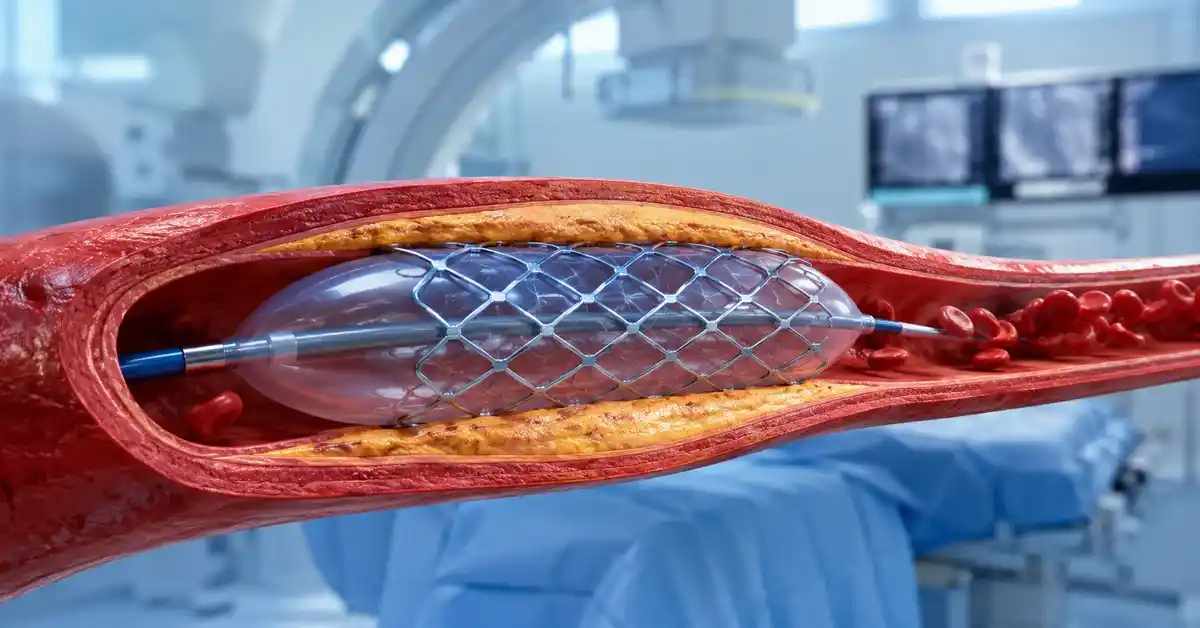
After identifying the narrowed section, a fine wire is passed through the catheter across the blockage. Over this wire, another catheter with a small balloon at its tip is introduced. When the balloon reaches the narrowed area, it is inflated for a few seconds. The pressure from the balloon compresses the fatty plaque against the artery wall, widening the artery and restoring blood flow. This is known as coronary balloon angioplasty.
Coronary stent placement after angioplasty
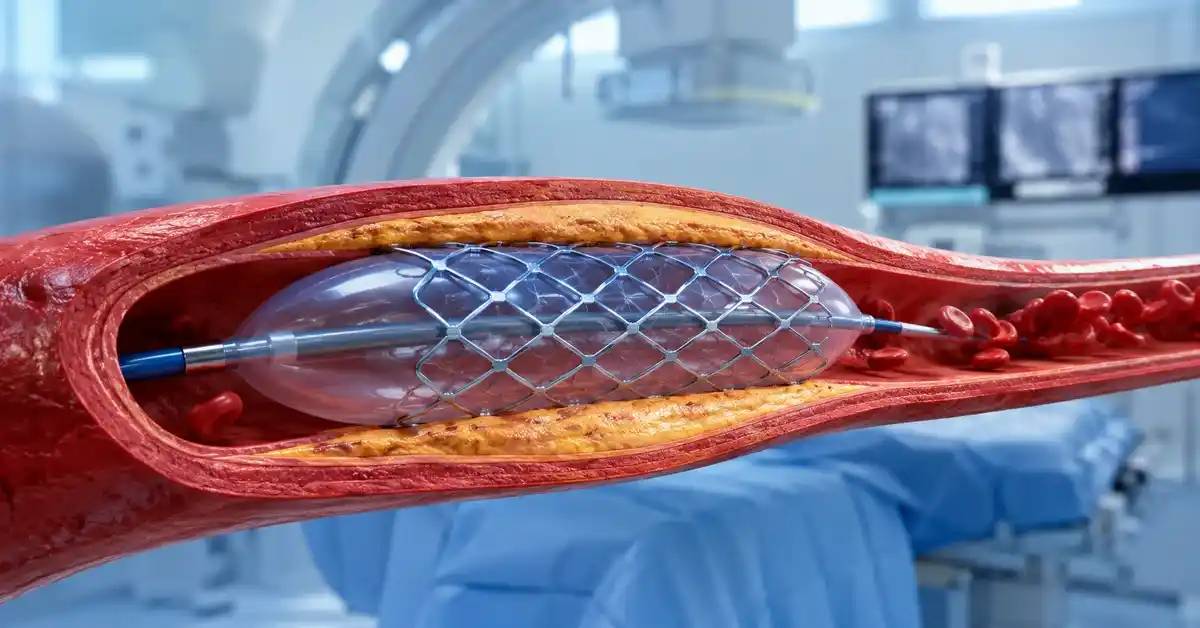
In most cases, after widening the artery with a balloon, a coronary stent is placed. A stent is a small, expandable metal mesh tube that is deployed in the narrowed area to keep it permanently open and prevent it from re-narrowing. Most modern stents are drug-eluting, meaning they are coated with medication that prevents tissue growth inside the stent, reducing the chance of restenosis.
When PCI is preferred over bypass surgery
PCI is preferred for limited blockages (in one or two arteries). For multiple and complex blockages, or in cases of severe heart muscle weakness, open-heart surgery (coronary artery bypass grafting) may be the better option. The Safemedigo team provides a comprehensive evaluation to determine the most suitable option for each patient.
Read about: Coronary Artery Replacement: Turkey vs Germany
After the Procedure: Recovery Follow-up
The post-procedure period is crucial for ensuring the long-term success of the treatment.
What to expect after coronary angioplasty and stent placement
After the procedure, you will be monitored for a few hours. If the catheterization was done through the wrist, you can usually sit up and walk shortly after. If it was done through the groin, you will need to lie flat for several hours to prevent bleeding. Most patients go home the same day or the next day and can resume their normal activities within a week.
Post-procedure care and lifestyle to maintain healthy arteries
Stent placement is not a final cure for coronary artery disease. To maintain the results, you must commit to a healthy lifestyle that includes a balanced diet, regular exercise, quitting smoking, and controlling other risk factors like high blood pressure and diabetes. Adherence to prescribed medications, especially blood thinners, is vital to prevent clot formation inside the stent.

Benefits and Risks of Cardiac Catheterization and PCI
It is important to weigh the significant benefits against the low risks of this procedure.
Benefits of diagnosing and treating artery blockage via catheterization
The greatest benefit of diagnostic catheterization is that it provides an accurate and definitive diagnosis of the condition of the coronary arteries. As for therapeutic catheterization, its benefit lies in immediately treating the blockage, relieving angina symptoms, improving heart function, and, in cases of heart attack, being life-saving. All this is achieved with minimal surgical intervention and a quick recovery period.
Possible complications and risks of cardiac catheterization
Although rare, possible complications of coronary catheterization include bruising or bleeding at the catheter insertion site, an allergic reaction to the contrast dye, or a temporary heart rhythm disturbance. More serious complications such as stroke or heart attack are extremely rare.
Additional Details on Catheterization and Arterial Treatment
How long does cardiac catheterization / PCI take?
A diagnostic catheterization typically takes about 30 minutes. If a therapeutic PCI with stent placement is performed, the entire procedure may take 60 to 90 minutes, depending on the complexity of the case.
Is catheterization safe?
Cardiac catheterization is generally a very safe procedure, and serious complications are very rare when performed by an experienced medical team. Potential risks include bleeding at the insertion site, an allergic reaction to the dye, or, in very rare cases, a clot or heart attack during the procedure.
Can the artery become blocked again after stent placement?
A new blockage may occur in a different part of the artery, or in rare cases, the artery can re-narrow inside the stent (restenosis). However, this has become much less common with modern drug-eluting stents. Adhering to a healthy lifestyle and medication is the best way to prevent this.
Read about: The Best Tests Before Open Heart Surgery
Conclusion
In conclusion, interventional cardiac catheterization represents one of the most significant achievements in modern cardiology, offering an effective and safe solution for diagnosing and treating coronary artery blockages. Through this minimally invasive procedure, it is now possible to restore blood flow to the heart, alleviate painful symptoms, and prevent serious complications, all with minimal surgical intervention and a short recovery period that allows patients to quickly return to their normal lives.
Understanding the nature of this procedure, its benefits, and adhering to post-operative instructions is the key to long-term success. Stent placement is not the end of the road but the beginning of a new journey toward a healthier lifestyle to maintain the health of the heart and its arteries. Making healthy daily choices is the true shield that protects against the recurrence of the problem and ensures the continuity of the positive results achieved.
If you are experiencing concerning symptoms or have questions about your heart health, do not hesitate to take the first step toward peace of mind. At Safemedigo, we are committed to providing the best possible care. Contact our team today via WhatsApp for an expert consultation and to start your journey toward a healthy heart and a life full of vitality.
Frequently Asked Questions: Cardiac Catheterization for Artery Blockage Treatment
Will I feel pain during the catheterization procedure?
The procedure itself is painless. You will feel a slight prick when the local anesthetic is injected at the entry site (wrist or groin). You may feel some pressure when the catheter is inserted, or a brief warm sensation when the contrast dye is injected, but you will not feel the catheter moving inside your body.
How long does the stent stay in the artery?
The stent is designed to remain in the artery permanently. Over time, the inner wall of the artery grows to cover the stent, making it an integral part of the artery's structure.
Can I exercise after getting a stent?
Yes, and it is highly recommended. After the initial recovery period (usually a week), your doctor will encourage you to start a gradual exercise program. Regular exercise is a key part of cardiac rehabilitation and helps maintain cardiovascular health.
Why is it important to take blood thinners after catheterization?
Taking antiplatelet medications (blood thinners) such as aspirin and clopidogrel is absolutely vital after stent placement. These drugs prevent the formation of dangerous blood clots inside the stent, which could cause a sudden blockage. You must take them exactly as prescribed by your doctor and never stop them without consultation.
Can I fly after catheterization and stent placement?
Generally, you can travel safely a week after an uncomplicated catheterization procedure. However, it is always best to consult your doctor before planning any trip, especially a long one, to get specific recommendations based on your health condition.