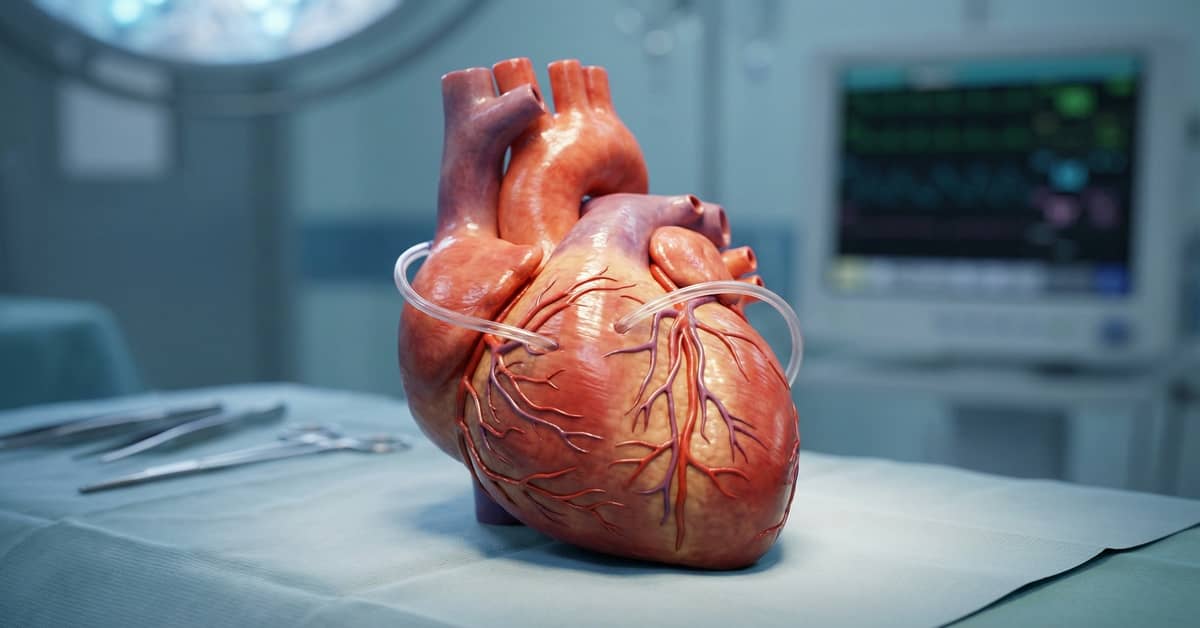






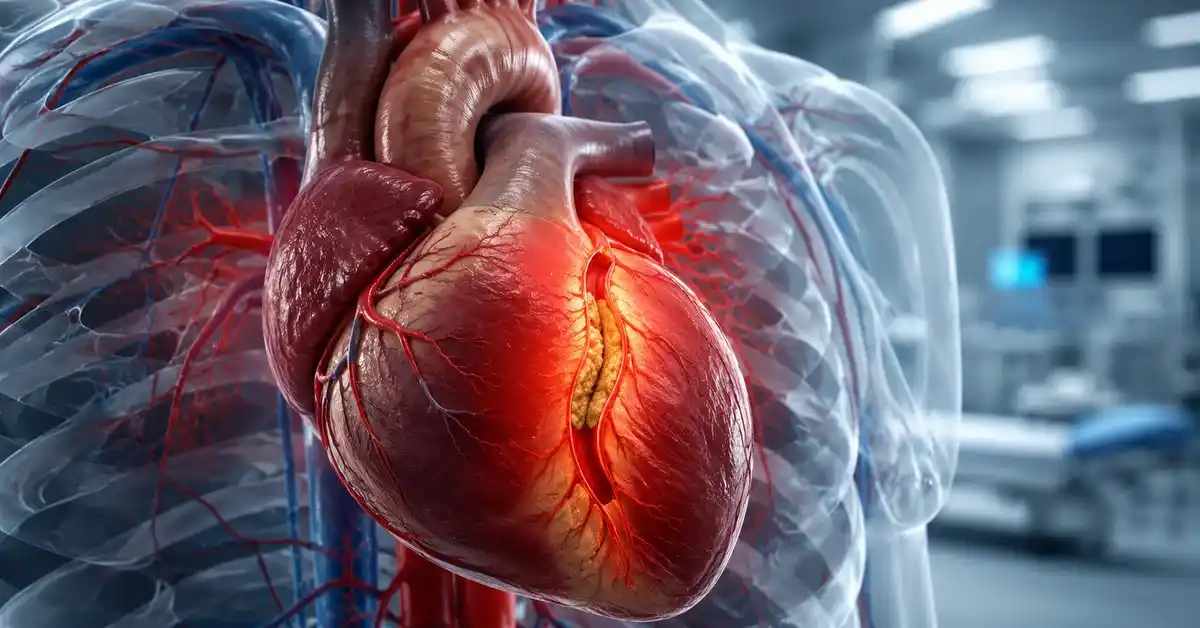
Symptoms of coronary artery blockage should never be ignored because the coronary arteries supply the heart muscle with oxygen-rich blood. When these arteries become narrowed or blocked by fatty deposits and plaque, blood flow to the heart decreases. This may cause chest pain, shortness of breath, nausea, cold sweat, dizziness, fatigue, or, in severe cases, a heart attack.
Coronary artery disease may develop silently over many years. In the early stages, a person may have no symptoms at all. As narrowing becomes more significant, symptoms may appear during physical effort, emotional stress, climbing stairs, or even at rest in advanced cases. Understanding coronary artery disease symptoms helps patients seek medical care before serious complications occur.
Coronary artery blockage treatment depends on the severity and location of the blockage, symptoms, test results, heart muscle function, age, and risk factors such as diabetes, high blood pressure, high cholesterol, smoking, and family history. Treatment options for coronary artery disease may include lifestyle changes, medications, coronary artery stent treatment, or coronary artery bypass surgery.
At Safemedigo, suspected blocked heart artery symptoms are evaluated through a structured approach. This may include medical history, physical examination, ECG, blood tests, stress testing, echocardiography, CT coronary imaging, coronary angiography, and diagnostic catheterization when needed. The aim is to choose the safest and most effective treatment plan for each patient.
Symptoms of Coronary Artery Blockage
Symptoms of coronary artery blockage occur when the heart muscle does not receive enough blood and oxygen. The most recognized symptom is chest pain, but coronary artery disease symptoms may also include shortness of breath, nausea, cold sweat, dizziness, weakness, or discomfort in the upper body.
Symptoms may be mild at first and appear only during exertion. Over time, they may become more frequent, last longer, or occur with less activity. If symptoms happen at rest, worsen suddenly, or do not improve quickly, urgent medical attention is needed.
Some people, especially women, older adults, and patients with diabetes, may have less typical symptoms. They may experience fatigue, nausea, shortness of breath, dizziness, or back and jaw discomfort without severe chest pain.
Chest pain (angina symptoms and treatment)
Chest pain, coronary artery blockage, and angina are closely linked. Angina is chest discomfort caused by reduced blood flow to the heart muscle. It may feel like pressure, heaviness, squeezing, burning, tightness, or pain in the center or left side of the chest.
Angina symptoms may spread to the left arm, both arms, shoulder, neck, jaw, back, or upper abdomen. Stable angina often appears during physical effort and improves with rest or medication. Unstable angina may happen suddenly, last longer, occur at rest, or feel more severe than usual.
Angina symptoms and treatment depend on the cause and severity. Treatment may include medications, lifestyle changes, stents, or bypass surgery. However, if chest pain is severe, lasts more than a few minutes, or occurs with shortness of breath, cold sweat, nausea, or dizziness, emergency care is needed.
Shortness of breath, coronary blockage
Shortness of breath, coronary blockage, and reduced heart function may be connected. When the heart muscle receives less blood, it may struggle to pump effectively, especially during activity. This can make a person feel breathless while walking, climbing stairs, or lying down.
Shortness of breath may occur with or without chest pain. In some patients, it may be the main symptom of coronary artery disease. This is especially important in women, older adults, and people with diabetes, who may not always present with classic chest pain.
If shortness of breath appears suddenly, worsens quickly, or comes with chest pressure, cold sweat, nausea, dizziness, or fainting, it may signal a serious heart problem and should be evaluated urgently.
Cold sweat, coronary blockage dizziness
Cold sweat, coronary blockage, and dizziness can be warning signs of reduced blood flow to the heart or a heart attack. A patient may suddenly break into a cold sweat without exercise, heat, or an obvious reason. This may happen together with chest discomfort, nausea, weakness, or fear.
Dizziness, coronary artery blockage, and abnormal heart rhythm may also be related. If the heart is not pumping effectively, blood pressure may drop and the patient may feel lightheaded, faint, or unstable. Dizziness may also occur during a heart attack or severe angina.
Cold sweat and dizziness should be taken seriously when they occur with chest pain, shortness of breath, nausea, arm pain, jaw pain, or unusual weakness. These symptoms may require emergency evaluation.
Read about: Non-Surgical Artery Blockage Treatments: Latest Advances
Signs of Coronary Artery Blockage
Signs of coronary artery blockage can be obvious or subtle. Some patients experience classic blocked heart artery symptoms such as chest pain and breathlessness. Others notice indigestion-like discomfort, nausea, fatigue, dizziness, or sweating.
The signs may also change over time. A patient who previously felt chest pressure only during heavy exercise may later feel symptoms during light walking or at rest. This change may indicate worsening coronary artery disease.
Recognizing early signs is important because timely diagnosis and treatment can reduce the risk of heart attack, heart failure, and sudden cardiac events.
Nausea symptoms of coronary artery disease
Nausea symptoms of coronary artery disease may be mistaken for stomach problems. Some patients describe indigestion, stomach pressure, vomiting, or discomfort in the upper abdomen. This can occur during angina or a heart attack.
Nausea becomes more concerning when it appears with chest discomfort, shortness of breath, cold sweat, dizziness, or pain spreading to the arm, shoulder, back, neck, or jaw. Women may be more likely to report nausea or stomach-related symptoms during heart events.
If nausea is sudden, unexplained, recurrent with exertion, or associated with other cardiac warning signs, the patient should seek medical attention rather than assuming it is only a digestive issue.
Dizziness, coronary artery blockage
Dizziness, coronary artery blockage, and heart rhythm problems can occur together. Reduced blood flow to the heart may affect pumping ability and blood pressure. In some cases, coronary disease may trigger irregular heartbeats that cause lightheadedness or fainting.
Dizziness alone does not always mean heart disease, but it becomes more important when combined with chest pain, breathlessness, sweating, nausea, palpitations, or weakness. It is also concerning if it occurs during activity or suddenly without explanation.
A medical evaluation may include ECG, blood pressure assessment, cardiac enzymes if a heart attack is suspected, rhythm monitoring, and imaging or stress testing depending on the situation.
Read about: Cardiac Catheterization for Artery Blockage Treatment
Diagnosing Coronary Artery Blockage
Diagnosing coronary artery blockage begins with a careful review of symptoms, risk factors, and medical history. The doctor asks about chest pain type, duration, triggers, relief factors, associated symptoms, medications, diabetes, blood pressure, cholesterol, smoking, and family history.
No single test is right for every patient. Some patients need a simple ECG and blood tests, while others need stress testing, echocardiography, CT coronary angiography, or invasive coronary angiography. Emergency cases are handled differently from stable outpatient cases.
If a heart attack is suspected, ECG and cardiac enzyme tests are usually performed quickly. If chronic coronary artery disease is suspected, testing may be planned according to symptom severity and risk level.
Diagnosing coronary artery blockage – ECG stress test
Diagnosing coronary artery blockage often starts with ECG. An ECG records the electrical activity of the heart and may show signs of a current or previous heart attack, rhythm problems, or reduced blood flow in some cases. It is fast, painless, and commonly used in chest pain evaluation.
However, a normal ECG does not always rule out coronary artery disease. Some blockages do not appear on ECG at rest, especially if symptoms are intermittent. This is why additional testing may be needed.
A stress test evaluates how the heart performs during exercise or medication-induced stress. It may be combined with ECG, echocardiography, or nuclear imaging. If the test shows reduced blood flow, further imaging or angiography may be recommended.
diagnostic coronary artery blockage – angiogram CT
Diagnostic coronary artery blockage evaluation may include CT coronary angiography or invasive coronary angiography. CT coronary angiography is a non-invasive imaging test that can show plaque and narrowing in the coronary arteries in selected patients.
Invasive coronary angiography is performed through a catheter inserted through an artery in the wrist or groin. Contrast dye is injected to visualize the coronary arteries and identify the exact location and severity of narrowing or blockage.
Angiography may be recommended when symptoms are severe, stress test results are abnormal, a heart attack is suspected, or the doctor needs detailed information before stent treatment or bypass surgery. In some cases, diagnostic angiography can become a treatment procedure if a suitable blockage is found.
Read about: Treating Coronary Artery Blockage with Non-Surgical Techniques
Treatment Options for Coronary Artery Disease
Treatment options for coronary artery disease depend on the patient’s symptoms, blockage severity, number of affected vessels, heart muscle function, and overall risk profile. Treatment may include medications, lifestyle changes, coronary artery stent treatment, or coronary artery bypass surgery.
In stable coronary artery disease, medication and lifestyle changes may control symptoms and reduce risk. In urgent cases such as heart attack or unstable angina, emergency procedures may be needed to restore blood flow quickly.
The best treatment is individualized. A patient with mild stable symptoms may need medications and prevention. Another patient with severe blockage or heart attack may need urgent angioplasty, stent placement, or surgery.
Medication treatment options for coronary artery disease
Medication treatment options for coronary artery disease aim to reduce symptoms, prevent clots, lower cholesterol, control blood pressure, reduce heart workload, and lower the risk of heart attack. Medications are often used whether or not a patient receives a stent or surgery.
Common medication groups may include:
- Antiplatelet medications.
- Statins to lower cholesterol.
- Blood pressure medications.
- Beta blockers.
- Nitrates for angina relief.
- Calcium channel blockers in selected cases.
- ACE inhibitors or ARBs.
- Diabetes medications if needed.
- Blood thinners in specific situations.
- Additional cholesterol-lowering drugs when indicated.
Patients should not stop heart medications without medical advice, especially after stent placement or heart attack.
Lifestyle changes for the prevention of coronary artery disease
Lifestyle changes for the prevention of coronary artery disease are essential at every stage. They help reduce plaque progression, improve blood pressure, support cholesterol control, and improve overall heart health.
Important lifestyle steps include:
- Stop smoking.
- Eat a heart-healthy diet.
- Reduce saturated and trans fats.
- Increase vegetables, fruits, and whole grains.
- Limit salt and added sugar.
- Maintain a healthy weight.
- Exercise regularly as advised.
- Manage stress.
- Control diabetes.
- Sleep well.
- Take prescribed medications.
- Attend regular follow-up.
Lifestyle changes are not a replacement for urgent treatment when blockage is severe, but they are a long-term foundation for heart protection.
Read about: Coronary Artery Replacement: Turkey vs Germany
Coronary Artery Stent Treatment
Coronary artery stent treatment is a minimally invasive procedure used to open a narrowed or blocked coronary artery. It is performed during angioplasty. A small balloon widens the narrowed area, and a metal mesh stent is placed to help keep the artery open.
Stents can be lifesaving during a heart attack because they restore blood flow quickly. They may also be used when angina continues despite medication or when tests show significant reduced blood flow due to a treatable blockage.
Stent treatment is not suitable for every patient. If there are multiple complex blockages, left main coronary disease, diabetes with multi-vessel disease, or anatomy not suitable for stenting, coronary artery bypass surgery may be recommended instead.
When to use coronary artery stent treatment
Coronary artery stent treatment may be used when a blockage causes serious symptoms, reduced blood flow, unstable angina, or heart attack. In emergency settings, stents may reopen the blocked artery and reduce heart muscle damage.
Stents may be recommended for:
- Acute heart attack.
- Unstable angina.
- Severe angina despite medication.
- Significant narrowing in an important artery.
- Abnormal stress test showing ischemia.
- Blockage suitable for angioplasty.
- Symptoms affecting daily life.
- Urgent need to restore blood flow.
The decision depends not only on the percentage of narrowing but also on artery location, symptoms, heart function, and overall treatment strategy.
stent complications of coronary artery blockage
Stent complications of coronary artery blockage treatment are uncommon but possible. Patients should understand the benefits and risks before the procedure.
Potential complications include:
- Bleeding or bruising at the catheter site.
- Allergic reaction to contrast dye.
- Kidney injury in vulnerable patients.
- Re-narrowing inside the stent.
- Blood clot inside the stent.
- Coronary artery injury.
- Irregular heartbeat during the procedure.
- Rare heart attack or stroke.
- Need for emergency bypass surgery in rare cases.
After stent placement, antiplatelet medication is usually very important. Missing these medications may increase the risk of stent clotting.

Coronary Artery Bypass Surgery
Coronary artery bypass surgery, also known as CABG, is used to treat coronary artery disease when blockages are multiple, complex, or not best treated with stents. The surgery creates a new path for blood to flow around blocked or narrowed coronary arteries.
The surgeon uses a blood vessel from the chest, leg, or arm to bypass the blockage. This allows oxygen-rich blood to reach the heart muscle beyond the blocked area.
Bypass surgery may be recommended for left main coronary artery disease, multi-vessel disease, diabetes with complex blockages, reduced heart function in selected cases, or when stenting is not technically suitable. Although it is a larger procedure than stenting, it may offer better long-term benefit for certain patients.
Types of coronary artery bypass surgery
Types of coronary artery bypass surgery vary depending on the patient’s condition and surgical approach. Traditional CABG is often performed through an incision in the chest. In some cases, less invasive or robotic-assisted approaches may be available in specialized centers.
Types may include:
- Traditional open bypass surgery.
- On-pump CABG using a heart-lung machine.
- Off-pump CABG on a beating heart.
- Minimally invasive direct coronary bypass in selected cases.
- Robotic-assisted bypass in selected centers.
- Single, double, triple, or multiple bypass depending on vessels involved.
Not every patient is suitable for minimally invasive surgery. The decision depends on number of blockages, artery location, heart function, body structure, lung disease, and surgical expertise.
Risks of coronary artery bypass surgery
Risks of coronary artery bypass surgery depend on age, heart function, kidney function, diabetes, lung disease, previous heart surgery, and overall health. The doctor discusses risks and benefits before surgery.
Possible risks include:
- Bleeding.
- Infection.
- Irregular heartbeat.
- Stroke.
- Heart attack.
- Kidney problems.
- Lung complications.
- Wound healing problems.
- Memory or concentration changes in some patients.
- Need for longer recovery.
- Rare risk of death.
Despite these risks, bypass surgery can be highly beneficial when the anatomy and medical condition make surgery the best option.
Read about: The Best Tests Before Open Heart Surgery
Heart Attack Symptoms and Treatment
Heart attack symptoms and treatment require urgent action. A heart attack often happens when a coronary artery becomes suddenly blocked by a blood clot forming over a plaque. The longer the artery remains blocked, the more heart muscle can be damaged.
Symptoms may include chest pressure, chest pain, shortness of breath, cold sweat, nausea, pain spreading to the arm, back, neck, jaw, dizziness, or fainting. Some patients, especially women and people with diabetes, may have less typical symptoms.
Treatment aims to restore blood flow quickly. Emergency care may include medications, oxygen in selected cases, antiplatelet therapy, blood thinners, urgent angioplasty, stent placement, or bypass surgery in selected situations.
emergency care for heart attack symptoms and treatment
Emergency care for heart attack symptoms and treatment begins by calling emergency medical services. A person with severe chest pain or suspected heart attack should not drive themselves to the hospital if emergency help is available.
Emergency evaluation may include:
- ECG.
- Cardiac enzyme blood tests.
- Blood pressure and oxygen monitoring.
- Antiplatelet medications.
- Blood thinners.
- Pain relief when needed.
- Urgent coronary angiography.
- Angioplasty and stent placement.
- Treatment of dangerous heart rhythms.
- Admission to a cardiac care unit.
Fast treatment can reduce heart muscle damage and improve survival.
post-attack rehab and prevention
Post-attack rehab and prevention are essential after a heart attack. Treatment does not end when the blocked artery is opened. Patients need medications, follow-up, risk factor control, and a gradual recovery plan.
Cardiac rehabilitation may help patients:
- Exercise safely.
- Reduce fear after a heart attack.
- Improve heart fitness.
- Learn warning signs.
- Improve diet.
- Stop smoking.
- Control weight.
- Manage stress.
- Improve medication adherence.
- Reduce the risk of another heart attack.
Long-term prevention after a heart attack usually includes medications, lifestyle changes, and regular cardiology follow-up.
Read about: Open Heart Surgery Cost: Turkey vs USA
Complications of Coronary Artery Blockage
Complications of coronary artery blockage can be serious if diagnosis or treatment is delayed. Reduced blood flow may damage the heart muscle, trigger abnormal rhythms, weaken the heart, or cause sudden cardiac events.
Long-term impact depends on how many arteries are affected, how severe the blockage is, how quickly treatment is given, and whether the patient controls risk factors such as diabetes, high blood pressure, cholesterol, and smoking.
Even after symptoms improve, coronary artery disease requires ongoing management. Prevention, medication adherence, and follow-up reduce the risk of future complications.
Heart failure as a complication of coronary artery blockage
Heart failure as a complication of coronary artery blockage may occur when the heart muscle is weakened by long-term poor blood flow or damage from a heart attack. The heart then cannot pump blood as effectively as the body needs.
Symptoms may include:
- Shortness of breath.
- Fatigue.
- Swelling in the legs.
- Difficulty lying flat.
- Rapid weight gain from fluid.
- Reduced exercise tolerance.
- Cough at night.
- Fast heartbeat.
Heart failure may require medications, lifestyle changes, imaging tests such as echocardiography, and sometimes stents or bypass surgery if treatable blockages remain.
risk of stroke complications of coronary artery blockage
Risk of stroke complications of coronary artery blockage is related to the overall vascular health of the patient. Coronary artery disease often occurs alongside atherosclerosis in other arteries, including arteries supplying the brain. Some heart rhythm problems or heart damage after a heart attack may also increase clot risk.
Stroke warning signs may include sudden weakness on one side, facial drooping, speech difficulty, sudden vision loss, severe dizziness, or loss of coordination. These symptoms require emergency care.
Managing coronary artery disease through cholesterol control, blood pressure treatment, diabetes management, smoking cessation, and antiplatelet or anticoagulant therapy when indicated may reduce vascular risk.
Read about: Cost of Open Heart Surgery in Turkey 2026
Prevention of Coronary Artery Disease
Prevention of coronary artery disease focuses on controlling the factors that lead to plaque buildup in the arteries. Some risk factors, such as age and family history, cannot be changed. Others, such as smoking, cholesterol, blood pressure, diabetes, weight, diet, and physical inactivity, can be improved.
Prevention should begin before symptoms appear. Coronary artery disease can progress silently for years, and the first symptom may sometimes be a heart attack. Regular screening is especially important for people with risk factors.
Prevention includes lifestyle changes, medical check-ups, and sometimes preventive medication based on a doctor’s assessment.
Diet and exercise for the prevention of coronary artery disease
Diet and exercise for the prevention of coronary artery disease are essential. A heart-healthy diet helps control cholesterol, blood pressure, weight, and blood sugar. Regular exercise improves circulation, heart fitness, and metabolic health.
Helpful prevention steps include:
- Stop smoking.
- Eat more vegetables and fruits.
- Choose whole grains.
- Limit saturated and trans fats.
- Reduce salt.
- Reduce added sugar.
- Choose lean proteins.
- Maintain a healthy weight.
- Exercise regularly as advised.
- Avoid prolonged inactivity.
- Manage stress.
- Sleep well.
Patients with known heart disease or symptoms should ask a doctor before starting intense exercise.
regular health screening for the prevention of coronary artery disease
Regular health screening for the prevention of coronary artery disease helps detect silent risk factors before they cause serious damage. High blood pressure and high cholesterol often have no symptoms, yet they can damage arteries for years.
Screening may include:
- Blood pressure checks.
- Cholesterol profile.
- Blood sugar or HbA1c.
- Weight and waist measurement.
- Smoking assessment.
- Family history review.
- ECG when indicated.
- Heart risk assessment.
- Stress testing or imaging in selected cases.
- Follow-up after previous stent or bypass.
Regular screening is especially important for people with diabetes, high blood pressure, high cholesterol, smoking history, obesity, family history, or previous heart symptoms.
Read about: Genetic Heart Diseases: Can Early Intervention Prevent
Conclusion
Symptoms of coronary artery blockage may include chest pain, shortness of breath, nausea, cold sweat, dizziness, upper body discomfort, or unusual fatigue. Some patients, especially women, older adults, and people with diabetes, may have less typical symptoms. Any severe or sudden symptoms should be treated as urgent.
Diagnosing coronary artery blockage may involve ECG, stress testing, blood tests, CT coronary imaging, angiography, or diagnostic catheterization. Treatment options for coronary artery disease may include medications, lifestyle changes, coronary artery stent treatment, or coronary artery bypass surgery depending on severity and anatomy.
Frequently Asked Questions: Symptoms of Coronary Artery Blockage and Treatment Options
What are the main symptoms of coronary artery blockage?
Main symptoms include chest pain or pressure, shortness of breath, cold sweat, nausea, dizziness, fatigue, and pain spreading to the arm, back, neck, or jaw.
Can coronary artery blockage happen without chest pain?
Yes. Some patients, especially women, older adults, and people with diabetes, may have shortness of breath, nausea, dizziness, fatigue, or back and jaw pain without typical chest pain.
How is coronary artery blockage diagnosed?
Diagnosis may include medical history, ECG, blood tests, stress testing, echocardiography, CT coronary angiography, or invasive coronary angiography.
When is coronary artery stent treatment needed?
A stent may be needed during a heart attack, unstable angina, severe symptoms despite medication, or when testing shows significant reduced blood flow from a treatable blockage.
How can coronary artery disease be prevented?
Prevention includes not smoking, controlling blood pressure, cholesterol and diabetes, eating a heart-healthy diet, exercising safely, maintaining healthy weight, and regular screening.