





A three-piece hydraulic penile implant is one of the most advanced surgical solutions for men with severe erectile dysfunction when oral medications, injections, vacuum devices, or other conservative treatments no longer provide satisfactory results. It is an internal medical device designed to help a man achieve an erection when needed, while allowing the penis to return to a more natural flaccid state afterward.
This treatment is not usually the first option for erectile dysfunction. It is considered when other treatments fail, are not tolerated, or are medically unsuitable. For this reason, erectile dysfunction implant surgery should always begin with a detailed evaluation by a specialist in urology or andrology.
At Safemedigo, patients exploring a three-piece hydraulic penile implant can receive guidance through a structured medical pathway. This includes reviewing the patient’s health history, understanding previous erectile dysfunction treatments, discussing implant options, and helping the patient plan treatment with an experienced surgical team.
This article explains how the inflatable penile implant three-piece system works, what to expect from penile implant surgery procedure, cost factors, success rate, recovery time, complications, and the difference between inflatable vs. malleable penile implant options.
Three Piece Hydraulic Penile Implant: Advanced ED Treatment Solution
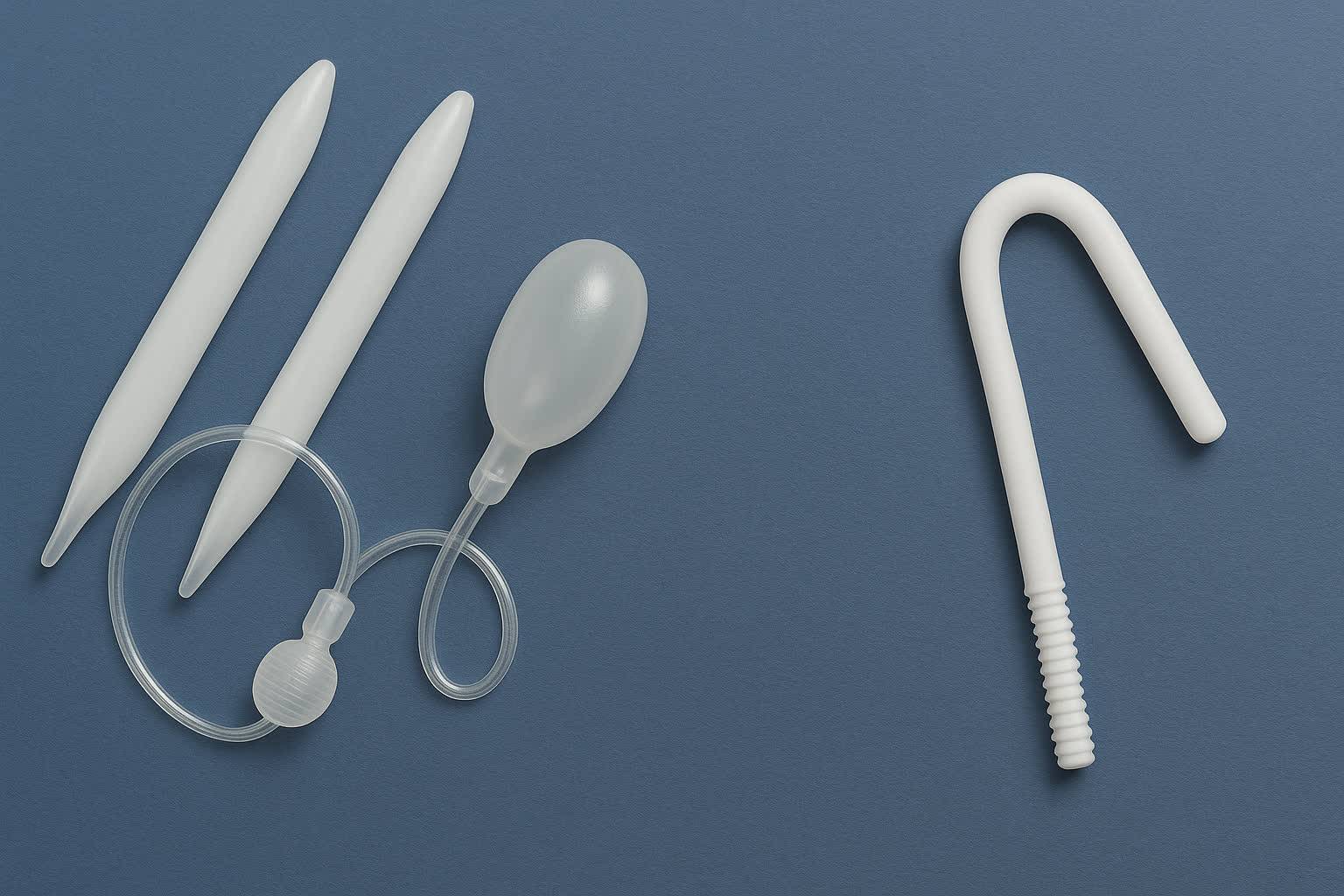
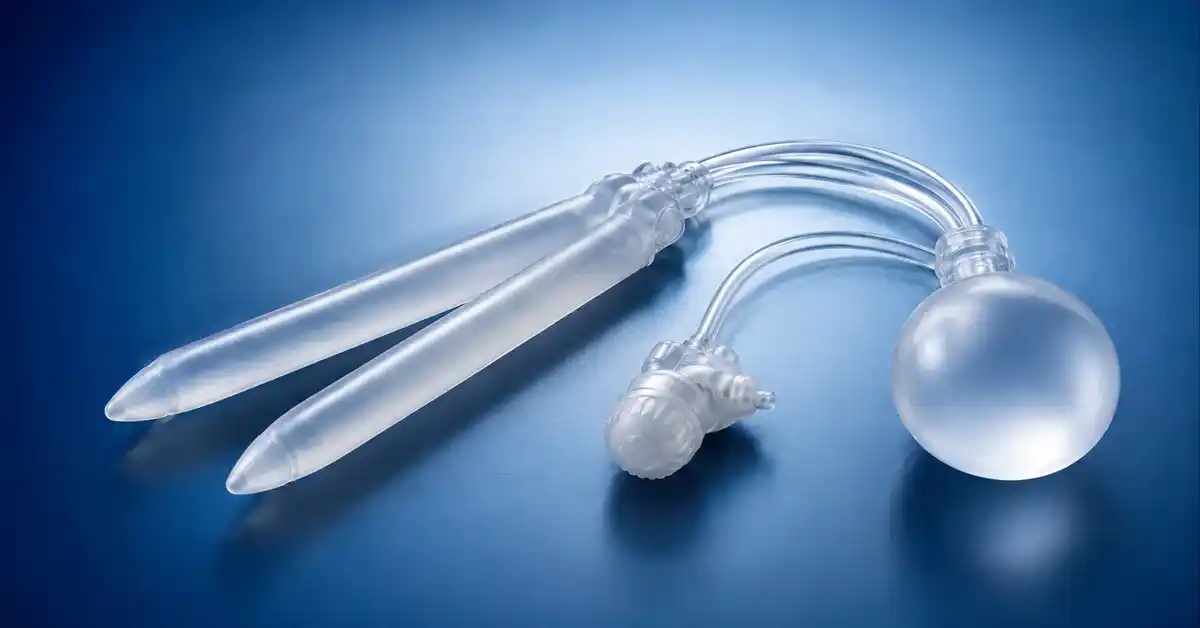
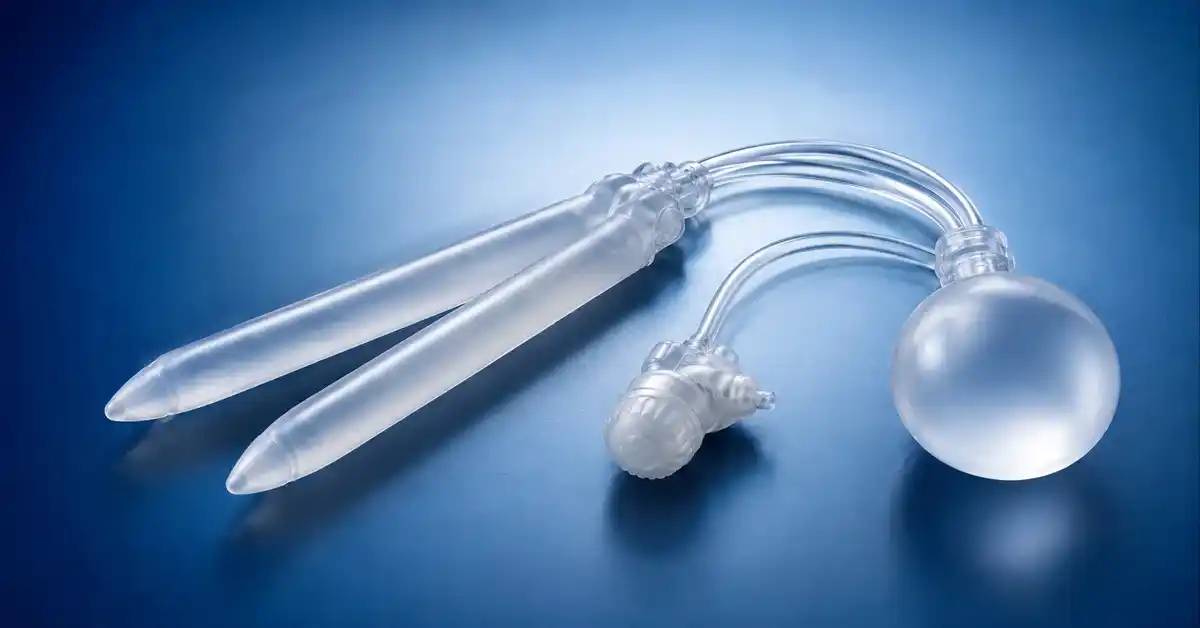
A three-piece hydraulic penile implant is a surgically implanted device used to treat severe erectile dysfunction. It usually consists of two cylinders placed inside the penis, a pump placed inside the scrotum, and a fluid reservoir placed inside the lower abdomen or pelvic area. When the patient activates the pump, fluid moves into the cylinders and creates an erection.
This type of implant is often preferred by patients who want better control and a more natural appearance compared with a malleable implant. It allows the penis to be firm during sexual activity and softer when not in use. For many men, this can improve comfort, confidence, and satisfaction.
However, because the device has multiple parts, it requires precise surgical placement and proper patient training after recovery. The best results depend on choosing a suitable patient, using a high-quality device, and having the surgery performed by an experienced surgeon.
What is a three-piece hydraulic penile implant
A three-piece hydraulic penile implant is a type of inflatable penile prosthesis designed to help men achieve an erection mechanically. It does not create sexual desire, does not treat low testosterone, and does not directly affect orgasm or ejaculation. Its main function is to provide enough penile rigidity for sexual intercourse.
The device includes three main components:
- Cylinders: placed inside the erectile chambers of the penis.
- Pump: placed inside the scrotum and used to activate the implant.
- Reservoir: stores the fluid that moves into the cylinders during inflation.
The three-piece hydraulic penile implant is often considered one of the best penile implant types for men who want a more natural flaccid and erect appearance. Still, it must be selected carefully based on the patient’s anatomy, hand ability, health condition, and expectations.
How an inflatable penile implant works
An inflatable penile implant three-piece system works through a closed hydraulic mechanism. When the patient wants an erection, he squeezes the pump located inside the scrotum. This moves fluid from the reservoir into the cylinders inside the penis, creating firmness.
After sexual activity, the patient presses the release mechanism, allowing the fluid to return to the reservoir. The penis then becomes softer and returns to a flaccid state. This control is one of the main reasons many patients prefer inflatable implants over malleable options.
How does a three-piece implant work in daily life? Once healing is complete and the patient learns how to use the pump, the implant is usually operated discreetly. It is fully internal, meaning there are no external visible parts. Proper training after surgery helps the patient use the device comfortably and confidently.
Benefits of penile implants over other treatments
The benefits of penile implants are most relevant for men who have not responded well to other erectile dysfunction treatments. Unlike pills or injections, a penile implant does not depend on blood vessel response at the time of sexual activity. Instead, it provides a mechanical solution that the patient can control.
Benefits of penile implants may include:
- Reliable erection when needed.
- Long-term solution for severe erectile dysfunction.
- More spontaneity compared with some treatments.
- No need to take oral medication before intercourse.
- Useful when diabetes, vascular disease, or surgery-related ED limits other options.
- High satisfaction in properly selected patients.
- Internal device with no visible external parts.
Still, erectile dysfunction treatment implant surgery is permanent in nature and should be considered only after the patient understands the benefits, risks, alternatives, and expected recovery.
Read about: Types of Penile Implants: Pros and Cons of Each Type
Penile Implant Surgery Procedure and Installation Steps
The penile implant surgery procedure is a specialized operation that places the implant components inside the body. It requires careful planning, sterile technique, accurate sizing, and experience in penile prosthesis surgery. The goal is to place the device safely while preserving comfort, function, and appearance as much as possible.
Before surgery, the doctor evaluates the cause of erectile dysfunction, previous treatments, medical history, diabetes control, blood-thinning medications, urinary symptoms, previous pelvic surgery, and infection risk. The patient should also understand how the implant works and when it can be used after recovery.
Penile implant surgery procedure is not only about installing a device. It includes patient preparation, device selection, surgical placement, healing, training, and follow-up. Each step affects the final result.
Steps of the penile implant surgery procedure
The penile implant surgery procedure usually follows a structured pathway. While details may vary depending on the surgeon and patient condition, the main stages are similar.
Common steps include:
- Medical evaluation: reviewing erectile dysfunction history and general health.
- Device selection: choosing between inflatable and malleable implants.
- Preoperative preparation: checking blood tests, medications, and infection risk.
- Anesthesia: performing surgery under appropriate anesthesia.
- Cylinder placement: inserting cylinders into the erectile chambers.
- Pump placement: positioning the pump inside the scrotum.
- Reservoir placement: placing the fluid reservoir in the lower abdomen or pelvis.
- Device testing: confirming that the implant inflates and deflates properly.
- Wound closure and recovery: monitoring pain, swelling, and healing.
These steps require precision because correct sizing and placement are essential for function and comfort.
Patient preparation before surgery
Patient preparation before penile implant surgery is important for reducing complications and improving recovery. The surgeon may ask the patient to complete blood tests, urine tests, heart evaluation, diabetes control checks, and medication review before the operation.
Preparation may include:
- Controlling blood sugar in diabetic patients.
- Treating urinary or skin infections before surgery.
- Reviewing blood thinners with the treating physician.
- Stopping certain medications if medically advised.
- Discussing anesthesia options.
- Showering or skin preparation as instructed.
- Understanding recovery restrictions.
- Reviewing realistic expectations.
Patients should tell the doctor about all medications, allergies, previous surgeries, and chronic conditions. This helps reduce risks of penile implant surgery, especially infection, bleeding, delayed healing, and anesthesia-related complications.
Modern penile prosthesis surgery techniques
Modern penile prosthesis surgery techniques focus on safety, infection prevention, accurate device placement, and better patient comfort. Advances in implant design, coated devices, surgical instruments, and sterile handling have improved the overall treatment experience.
Modern approaches may include:
- Careful implant sizing.
- Antibiotic-coated or infection-resistant device options when appropriate.
- Strict sterile surgical protocols.
- Techniques that reduce device contact with skin.
- Smaller incisions when suitable.
- Better reservoir placement strategies.
- Improved patient training after healing.
The surgeon’s experience remains one of the most important factors. A skilled surgeon understands how to select the right implant, reduce complications, manage difficult anatomy, and guide the patient through post penile implant recovery.
Read about: Types of Penile Implants and Benefits of Flexible Devices
Three Piece Penile Implant Cost and Pricing Factors
Three-piece penile implant cost varies from patient to patient. It depends on the implant brand, device type, hospital standards, surgeon experience, anesthesia, preoperative tests, follow-up care, and whether the patient has additional medical needs. Because every case is different, it is not accurate to give one fixed cost for all patients.
Cost of penile implant surgery should be evaluated as a complete treatment package, not only as the price of the device. A safe plan should include proper evaluation, surgical expertise, hospital quality, infection prevention, and aftercare.
For patients considering penile implant in Turkey costs, it is important to compare quality and safety as much as price. Lower cost alone should not be the main decision factor for a permanent surgical implant.
Penile implant in Turkey costs
Penile implant in Turkey costs can vary widely depending on the implant type, brand, hospital, surgeon, and services included. A three-piece hydraulic implant is usually more complex than a malleable implant, and this may affect the overall treatment cost.
Factors that influence penile implant in Turkey costs include:
- Three-piece inflatable or malleable implant type.
- Device brand and quality.
- Surgeon experience.
- Hospital level and surgical environment.
- Anesthesia and operating room services.
- Preoperative medical tests.
- Length of stay and follow-up plan.
- Management of diabetes or other chronic diseases.
Patients should ask what is included in the treatment plan. A clear plan helps avoid confusion and allows a better comparison between options.
Inflatable vs malleable penile implant cost
Inflatable vs malleable penile implant cost differences are usually related to device complexity. Malleable implants are simpler devices with fewer parts. A three-piece hydraulic penile implant includes cylinders, a pump, and a reservoir, making it more advanced and technically complex.
Inflatable implants may cost more because of:
- Multiple device components.
- More advanced hydraulic function.
- More detailed surgical placement.
- A more natural flaccid appearance.
- Better control over erection timing.
- Device brand and material quality.
- More training required after surgery.
However, cost should not be the only factor. Some patients may prefer malleable implants for simplicity, while others may prefer three-piece inflatable implants for better concealment, comfort, and control. The right decision depends on medical and personal factors.
Insurance coverage for penile implant
Insurance coverage for penile implant surgery varies depending on the country, insurance provider, policy terms, and medical indication. Some plans may cover erectile dysfunction implant surgery if it is considered medically necessary, while others may exclude it or cover only part of the cost.
Insurance approval may require documentation showing that other treatments have failed or are not suitable. The patient may need a specialist report explaining the diagnosis, previous treatments, and why penile prosthesis surgery is recommended.
Before surgery, patients should check:
- Whether penile implant surgery is included.
- Whether pre-approval is required.
- Whether the device cost is covered.
- Whether hospital and surgeon fees are covered.
- Whether there are network restrictions.
- Whether follow-up visits are included.
- Whether exclusions apply.
Understanding coverage early helps patients plan more clearly.

Penile Implant Success Rate and Results
Penile implant success rate is generally high in properly selected patients, especially when surgery is performed by an experienced surgeon and the patient follows recovery instructions. Success usually means that the implant functions well, provides sufficient rigidity, and allows satisfactory sexual activity.
Results depend on patient health, implant type, surgical technique, infection prevention, and realistic expectations. A penile implant does not increase libido, does not treat low testosterone, and does not directly change sensation or orgasm. It treats the mechanical problem of achieving and maintaining penile rigidity.
For many patients, the results of a three-piece hydraulic penile implant can improve confidence and reduce anxiety related to erectile dysfunction. However, proper counseling before surgery is essential.
Penile implant success rate statistics
Penile implant success rate statistics vary between studies and patient groups, but satisfaction is often reported as high among suitable patients. The best outcomes are seen when patients understand how the implant works and what it can realistically provide.
Factors that influence penile implant success rate include:
- Proper patient selection.
- Surgeon experience.
- Good diabetes control.
- Use of high-quality implant devices.
- Careful surgical technique.
- Infection prevention measures.
- Patient training after recovery.
- Realistic expectations.
Success should not be measured only by device function. It should also include patient comfort, ease of use, relationship satisfaction, absence of major complications, and long-term reliability.
Patient satisfaction after implant
Patient satisfaction after implant surgery is strongly connected to education before surgery. Men who understand the benefits and limitations of the implant are usually more satisfied after recovery. Satisfaction may also improve when the partner is included in counseling when appropriate.
Patients are often satisfied when the implant provides:
- Reliable rigidity.
- Control over erection timing.
- A more natural flaccid appearance with inflatable implants.
- Improved sexual confidence.
- Reduced stress from failed medications.
- Ease of use after training.
- Comfort in daily life.
Dissatisfaction may occur if the patient expects increased penile length, increased sexual desire, or changes in sensation. These expectations should be discussed clearly before surgery.
Longevity of penile implant results
Longevity of penile implant results depends on device quality, patient health, surgical technique, and correct use. Modern implants are designed for long-term function, but mechanical devices can sometimes wear out or malfunction over time.
To protect results, patients should:
- Learn proper pump use.
- Attend follow-up visits.
- Avoid using the device before medical clearance.
- Report pain, swelling, or mechanical problems early.
- Avoid forceful manipulation.
- Maintain good general health.
- Control diabetes and infection risk.
A three-piece hydraulic penile implant may provide long-lasting benefits, but revision or replacement surgery may be needed if mechanical failure, infection, or other complications occur.
Read about: Hydraulic Penile Implant vs Flexible: Which Offers Better Control
Penile Implant Complications and Risk Management
Penile implant complications can occur with any surgical implant, but careful planning and experienced surgery can reduce risk. The most important concerns include infection, bleeding, pain, swelling, device malfunction, erosion, and dissatisfaction due to unrealistic expectations.
Inflatable implants have more mechanical parts than malleable implants, so mechanical issues are possible. However, modern designs are reliable, and many patients use them successfully for years.
Risk management begins before surgery and continues through recovery. Proper preparation, sterile technique, antibiotics when prescribed, wound care, and follow-up all help reduce problems.
Common penile implant complications
Common penile implant complications may occur early after surgery or later during device use. Some complications are minor and temporary, while others require medical treatment or revision surgery.
Possible complications include:
- Infection around the implant.
- Bleeding or hematoma.
- Pain that lasts longer than expected.
- Swelling or bruising.
- Difficulty using the pump.
- Mechanical malfunction.
- Device erosion in rare cases.
- Unsatisfactory cosmetic or functional result.
- Need for revision surgery.
Patients should understand that complications are possible, but they can often be reduced with proper patient selection, experienced surgery, and careful aftercare.
How to reduce implant surgery risks
Reducing implant surgery risks requires cooperation between the surgeon and patient. The surgeon focuses on safe technique, correct implant placement, and infection prevention. The patient must follow instructions before and after the operation.
Helpful steps include:
- Controlling blood sugar before surgery.
- Treating infections before implant placement.
- Reviewing medications with the doctor.
- Taking prescribed antibiotics as directed.
- Keeping the wound clean and dry.
- Avoiding sexual activity until cleared.
- Not activating the implant too early.
- Attending all follow-up visits.
- Reporting unusual symptoms quickly.
These steps can reduce risks of penile implant surgery and support smoother recovery.
When to consult your doctor
Patients should contact their doctor if they notice symptoms that may suggest infection, bleeding, mechanical issues, or delayed healing. Early communication can prevent small problems from becoming serious.
Consult your doctor if you experience:
- Fever.
- Increasing pain.
- Severe swelling.
- Redness around the incision.
- Fluid or pus from the wound.
- Difficulty urinating.
- Unusual device position.
- Inability to operate the pump after training.
- Sudden change in device function.
- Persistent discomfort during use.
Patients should not try to repair or force the device themselves. Any concern about penile implant complications should be discussed with the surgical team.
Read about: Latest Controllable Penile Implants: Features and Benefits
Penile Implant Recovery Time and Aftercare
Penile implant recovery time varies depending on the patient’s health, surgical technique, implant type, and whether complications occur. In the early days after surgery, swelling, bruising, and discomfort may be expected. The surgeon will provide medication and instructions to support healing.
The implant is usually not used immediately after surgery. The patient must wait until the surgeon confirms that healing is adequate. Then, training begins so the patient can learn how to inflate and deflate the device correctly.
Post penile implant recovery includes wound healing, swelling reduction, pain control, follow-up visits, and learning device use. A smooth recovery depends on patience and following medical instructions carefully.
Post penile implant recovery timeline
Post penile implant recovery timeline may vary, but it usually follows stages. The first stage focuses on wound healing and swelling control. The next stage involves follow-up examination. Later, the patient is trained on device use, and sexual activity may resume only after medical clearance.
A typical recovery pathway may include:
- First days: rest, pain control, swelling management.
- Early weeks: wound healing and activity restrictions.
- Follow-up visit: checking incision and implant position.
- Training phase: learning pump activation and deflation.
- Return to sexual activity: only after surgeon approval.
- Long-term follow-up: monitoring comfort and device function.
Penile implant recovery time should not be rushed. Using the device too early may increase discomfort or affect healing.
Aftercare instructions for implant patients
Aftercare instructions for implant patients are essential for reducing complications and improving results. The patient should follow all medication, hygiene, and activity instructions given by the surgeon.
Important aftercare instructions include:
- Take medications as prescribed.
- Keep the surgical area clean.
- Avoid sexual activity until cleared.
- Avoid heavy lifting during early recovery.
- Do not activate the implant before training.
- Wear supportive underwear if recommended.
- Watch for fever, redness, or drainage.
- Attend all follow-up appointments.
- Ask questions about pump use if unsure.
Aftercare is not only about the incision. It also includes learning how to use the implant comfortably and safely.
Returning to normal life after surgery
Returning to normal life after penile prosthesis surgery is gradual. Many patients can resume light daily activities after early healing, but strenuous activity and sexual intercourse must wait until the surgeon gives permission.
The patient may need time to feel confident using the pump. This is normal. Training and practice help make the device easier to use. Patients should not feel embarrassed to ask their doctor for repeated instructions if needed.
Helpful tips for returning to daily life include:
- Follow activity restrictions.
- Avoid rushing sexual activity.
- Wear comfortable clothing.
- Keep follow-up appointments.
- Discuss pain or anxiety openly.
- Practice device use only after medical approval.
- Maintain realistic expectations.
A careful return to normal life supports better comfort and long-term satisfaction.
Read about: Penile Implant Surgery Success Rates: What Patients Should Expect
Inflatable vs Malleable Penile Implant: Which is Better
Inflatable vs. malleable penile implant choice depends on the patient’s needs, anatomy, hand function, lifestyle, budget considerations, and expectations. There is no single best option for every man.
A malleable implant is simpler. It uses bendable rods that remain firm and can be positioned upward or downward. It has fewer mechanical parts and may be easier to use. However, it may be less natural in appearance when not in use.
A three-piece hydraulic penile implant provides better control and a more natural flaccid state, but it is more complex and requires the patient to operate a pump. The best penile implant types are those that match the patient’s medical condition and personal goals.
Differences between implant types
The main differences between implant types involve design, function, appearance, ease of use, and mechanical complexity. Malleable implants are simpler and always semi-rigid. Inflatable implants can be activated when needed and deflated afterward.
A simple comparison:
- Three-piece inflatable implant: better natural appearance, more control, more components.
- Malleable implant: simpler design, easier operation, fewer mechanical parts.
- Inflatable implant: requires pump use.
- Malleable implant: always firm but bendable.
- Inflatable implant: may be easier to conceal.
- Malleable implant: may be preferred when hand function is limited.
The choice should be made after discussing lifestyle, health, expectations, and surgeon recommendations.
Choosing the best penile implant type
Choosing the best penile implant type requires a personalized consultation. The surgeon considers erectile dysfunction severity, previous treatments, anatomy, diabetes, pelvic surgery history, hand dexterity, and patient preference.
A three-piece hydraulic penile implant may be preferred when the patient wants:
- Better flaccid appearance.
- More natural control.
- Strong rigidity when needed.
- Better concealment in clothing.
- A more advanced implant system.
- Confidence using a pump.
A malleable implant may be preferred when the patient wants a simpler device, has limited hand function, or wants fewer mechanical components. The best penile implant types are selected based on practical daily use, not only technology.
Expert tips for selecting penile implants
Selecting penile implants should be done carefully because this is a long-term surgical decision. The patient should feel fully informed before surgery and should understand all major differences between implant types.
Expert tips include:
- Ask about inflatable vs. malleable penile implant differences.
- Discuss three-piece penile implant cost factors clearly.
- Understand risks of penile implant surgery.
- Ask how the device is operated.
- Review recovery expectations.
- Ask about surgeon experience.
- Do not choose based only on cost.
- Discuss realistic outcomes and limitations.
- Ask about revision surgery if the device fails.
The best choice is the implant that fits the patient’s body, health, expectations, and ability to use it comfortably.
Read about: Post-Surgery Penile Implant Rehab: Tips for Restoring Healthy Intimacy
Conclusion
A three-piece hydraulic penile implant is an advanced solution for severe erectile dysfunction when other treatments are ineffective or unsuitable. It offers controlled rigidity when needed and a more natural flaccid appearance compared with some alternatives. For properly selected patients, it can improve confidence, sexual function, and quality of life.
Successful erectile dysfunction implant surgery depends on patient selection, surgeon experience, device quality, preparation before surgery, and commitment to post penile implant recovery instructions. Understanding three-piece penile implant cost, penile implant success rate, complications, recovery time, and the difference between inflatable vs. malleable penile implant options helps patients make a more informed decision.
Frequently Asked Questions: Three-Piece Hydraulic Penile Implant
What is a three-piece hydraulic penile implant?
A three-piece hydraulic penile implant is an internal medical device used to treat severe erectile dysfunction. It includes cylinders placed inside the penis, a pump placed inside the scrotum, and a fluid reservoir. When the pump is activated, fluid moves into the cylinders and creates an erection.
How does a three-piece implant work?
A three-piece implant works by moving fluid from a reservoir into cylinders inside the penis. The patient squeezes a pump in the scrotum to create an erection and uses a release mechanism to return the fluid to the reservoir. This allows control over erection and flaccidity.
What is the difference between inflatable and malleable implants?
The main difference is that an inflatable implant can be inflated and deflated, while a malleable implant stays firm but bendable all the time. A three-piece hydraulic penile implant usually offers better concealment and control, while a malleable implant is simpler to use.
How long is penile implant recovery time?
Penile implant recovery time varies depending on the patient’s health and surgical plan. Early recovery involves swelling and wound healing, followed by training on device use. Sexual activity should only resume after the surgeon confirms that healing is complete.
What are the main penile implant complications?
Penile implant complications may include infection, bleeding, swelling, pain, pump difficulty, mechanical malfunction, erosion, or need for revision surgery. Choosing an experienced surgeon, controlling diabetes, and following aftercare instructions can help reduce these risks.