





Penile implant surgery can provide a long-term solution for men with severe erectile dysfunction when medications, injections, or vacuum devices are ineffective or medically unsuitable. However, the operation is only one part of the treatment journey. A structured recovery period is essential for wound healing, safe device use, emotional adjustment, and a comfortable return to intimacy.
Effective post-surgery penile implant care includes pain control, incision care, gradual movement, medical follow-up, and learning how to operate or position the implant. Following reliable penile implant aftercare instructions can reduce avoidable complications and prevent the patient from returning to strenuous activity or sexual intercourse too early.
Safemedigo supports international patients by coordinating medical evaluations, specialist consultations, hospital arrangements, and follow-up planning. This penile implant recovery guide explains the expected healing stages, rehabilitation exercises, nutrition, medications, emotional support, warning signs, and practical penile implant recovery tips that can help patients move through recovery with greater confidence.
Introduction to Penile Implant Surgery
Penile implant surgery is designed to create the firmness required for penetrative intimacy when erectile dysfunction does not respond adequately to less invasive treatments. The device provides a mechanical erection, but it does not directly increase sexual desire, correct low hormone levels, or resolve emotional or relationship difficulties.
Understanding the implant before surgery is an important part of post-operative penile implant advice. Patients should discuss the type of device, realistic expectations, possible risks, and the penile implant recovery time frame with their urologist. A clear understanding of what the implant can and cannot do makes the later penile implant rehabilitation program easier to follow and can reduce anxiety about the final result.
What is Penile Implant Surgery?
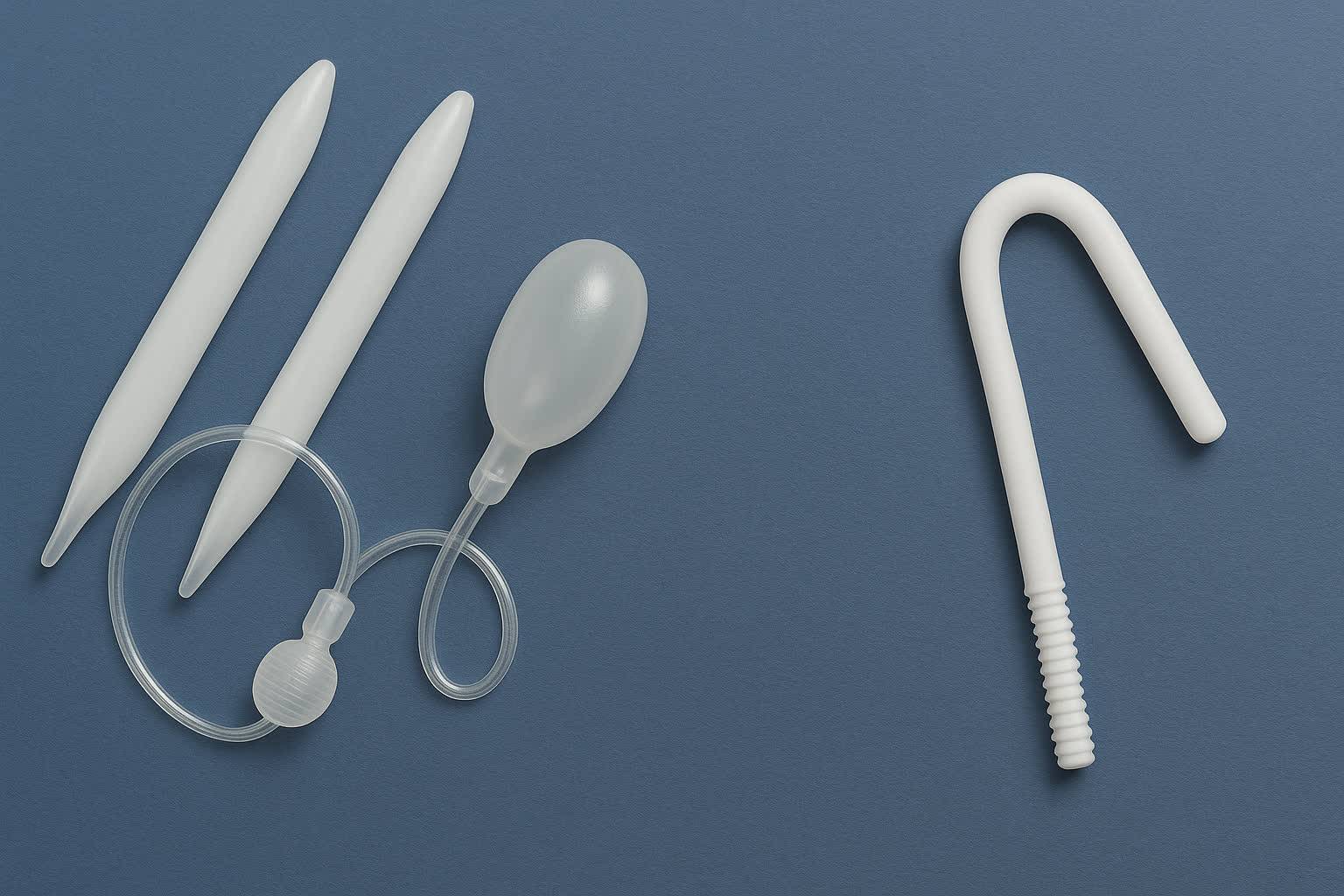
Penile implant surgery involves placing medical cylinders inside the erectile chambers of the penis. All components remain inside the body, and no external device needs to be attached before intimacy.
The two main implant types are:
- An inflatable implant, which usually includes cylinders, a pump in the scrotum, and a fluid reservoir.
- A malleable or semi-rigid implant, which remains firm and can be positioned manually for intimacy or daily concealment.
An inflatable device is activated by pressing the pump to transfer fluid into the cylinders. A malleable implant is bent into the desired position. The choice depends on the patient’s health, hand function, lifestyle, previous surgery, infection risk, and personal preference. Penile implants create firmness but do not increase sexual desire or enlarge the penis.
Why Penile Implant Surgery is Performed
Penile implant surgery may be considered when oral medications, penile injections, or vacuum erection devices fail to provide reliable firmness. It may also be appropriate when these treatments cause unacceptable side effects or cannot be used because of another medical condition.
The procedure may be discussed for men with:
- Severe erectile dysfunction related to diabetes or vascular disease.
- Erectile dysfunction following prostate or pelvic surgery.
- Peyronie’s disease accompanied by significant erectile dysfunction.
- Penile scarring that prevents adequate rigidity.
- A long history of unsuccessful non-surgical treatment.
- Realistic expectations and a preference for a long-term surgical solution.
Preoperative counseling should address the permanent nature of the procedure, the differences between inflatable and malleable implants, and the possibility of future revision if the device develops a mechanical problem.
Post-Surgery Penile Implant Rehabilitation
Post-surgery penile implant rehabilitation begins immediately after the operation and continues until the patient can safely resume normal activities and use the device confidently. It includes more than wound healing; it also covers physical activity, device training, emotional adjustment, and communication with a partner.
A penile implant rehabilitation program must be individualized. Recovery may be affected by implant type, surgical technique, diabetes control, smoking, age, previous pelvic procedures, and the physical demands of the patient’s work.
Reliable penile implant post-surgery care also requires patience. Reduced pain does not necessarily mean that deeper tissues are fully healed. The surgeon’s instructions should always take priority over general online information or another patient’s penile implant recovery timeline.
Read about: Types of Penile Implants: Pros and Cons of Each Type
What is Penile Implant Rehabilitation?
Penile implant rehabilitation is a gradual medical and physical process that supports wound healing and helps the patient adapt to the implanted device. During the early stage, the focus is on pain control, incision protection, supportive underwear, gentle walking, and monitoring for infection.
A structured penile implant rehabilitation program may include:
- Taking prescribed medications correctly.
- Keeping the incision clean and dry.
- Supporting the penis and scrotum as directed.
- Avoiding lifting, pushing, and strenuous exercise.
- Walking for short periods several times daily.
- Attending scheduled follow-up appointments.
- Learning to inflate and deflate an inflatable device.
- Learning to position a malleable implant comfortably.
- Preparing emotionally for a gradual return to intimacy.
UCLH advises patients with inflatable implants not to attempt inflation before their scheduled clinical review, illustrating why individualized penile implant aftercare instructions are essential.
Importance of Penile Implant Rehabilitation for Restoring Healthy Intimacy
Penile implant rehabilitation helps protect the surgical area while the tissues heal around the device. It can reduce the risk of pain caused by premature activity and gives the patient time to learn the correct technique for handling the pump or positioning the implant.
The rehabilitation period is also central to restoring healthy intimacy. A technically successful device may still feel unfamiliar at first. The patient may worry about discomfort, appearance, performance, or a partner’s response.
A well-organized penile implant recovery process allows these concerns to be addressed gradually. Medical guidance, device practice, emotional reassurance, and open communication can help the couple adapt without treating the first intimate experience as a final test of surgical success. This is why practical penile implant rehabilitation tips should address both physical and emotional recovery.
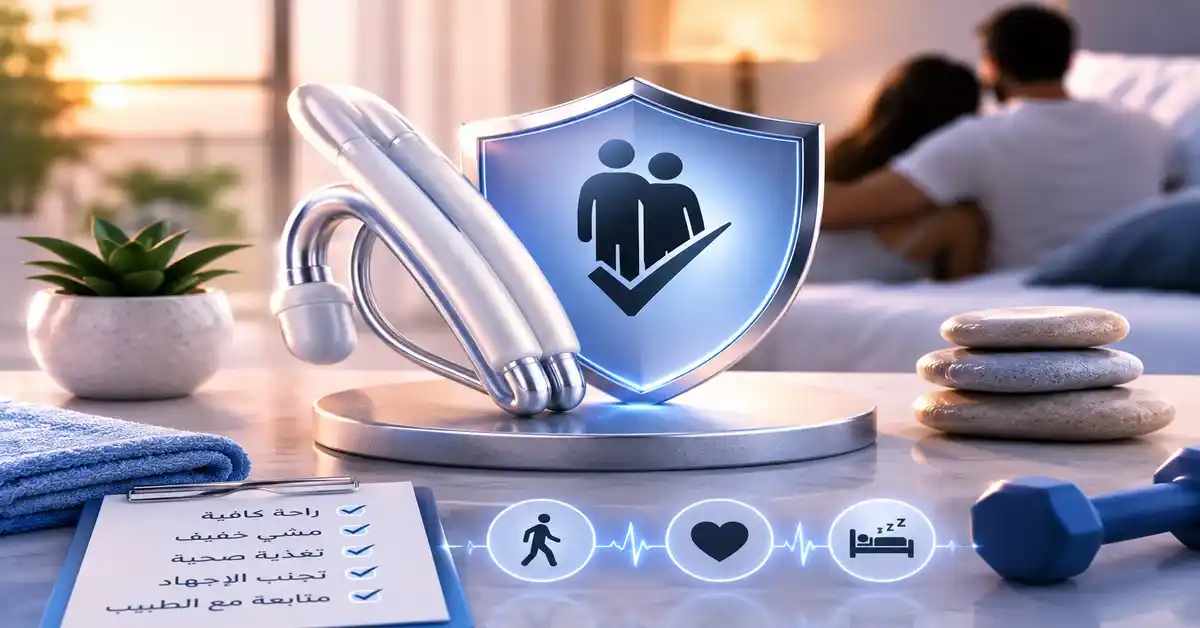
Tips for Restoring Healthy Intimacy After Surgery
Returning to intimacy should follow complete wound healing, reduced swelling, manageable discomfort, and medical approval. A patient should not resume sexual activity simply because the external incision looks better or because daily walking has become easier.
Useful penile implant recovery tips include learning to operate the device before intercourse, choosing a comfortable setting, communicating openly with a partner, and stopping if sharp or unusual pain develops.
Healthy intimacy involves more than rigidity. Emotional closeness, trust, arousal, and communication remain important after surgery. Post-operative penile implant advice should therefore help patients manage expectations and understand that confidence may build over several attempts rather than appearing immediately.
Read about: Types of Penile Implants and Benefits of Flexible Devices
Tips for Men Post-Penile Implant Surgery
Men should follow their surgeon’s instructions about when to operate the implant and when sexual activity can resume. Many patients are advised to wait several weeks, but the exact penile implant recovery time depends on wound healing, implant type, and the clinical examination.
Practical penile implant recovery tips include:
- Learn device operation during a medical follow-up.
- Practice inflation and deflation before attempting intercourse.
- Avoid forcing the pump when it feels difficult to press.
- Begin with positions that minimize pressure on the penis and scrotum.
- Use an appropriate lubricant if needed.
- Avoid sudden bending or forceful movement.
- Stop if severe or unfamiliar pain occurs.
- Do not judge the result from the first intimate experience.
- Allow both partners time to become comfortable with the device.
These steps are an important part of safe penile implant post-surgery care and help protect the healing tissues.
How to Manage Anxiety After Penile Implant Surgery
Anxiety after implant surgery is common and may involve fear of pain, uncertainty about device use, concern about appearance, or pressure to perform successfully. A patient may also worry that the implant will feel unnatural or that the partner will react negatively.
Anxiety can be managed by:
- Asking for a practical device demonstration.
- Writing down questions before follow-up visits.
- Practicing the device only after receiving approval.
- Avoiding comparisons with other patients.
- Discussing concerns openly with a partner.
- Focusing on comfort and closeness rather than performance alone.
- Seeking professional psychological or couples support when needed.
Emotional adjustment is a meaningful part of penile implant rehabilitation. When anxiety continues after physical healing or causes avoidance of intimacy, counseling may support a healthier penile implant recovery process and improve communication between partners.
Post-Implant Rehabilitation Exercises
Post-implant rehabilitation exercises should not be confused with vigorous physical training. During early recovery, movement is intended to maintain circulation and mobility without placing excessive pressure on the incision, penis, scrotum, or lower abdomen.
Gentle walking is often the safest starting activity. Exercise intensity can then increase gradually according to the surgeon’s instructions and the patient’s comfort.
Penile implant rehabilitation exercises may later include supervised device cycling for inflatable implants. Running, cycling, heavy resistance training, abdominal exercises, and activities that place direct pressure on the pelvis should remain restricted until the surgical team confirms that healing is sufficient.
Read about: Hydraulic Penile Implant vs Flexible: Which Offers Better Control
Exercises to Strengthen Erection After Surgery
The phrase “exercises to strengthen erection” can be misleading after penile implant surgery. The implanted cylinders provide mechanical firmness; exercise does not restore a natural erection or increase the mechanical power of the implant.
For inflatable devices, the surgeon may introduce a cycling routine after the incision and deeper tissues have healed. The routine may include:
- Locating the pump correctly.
- Inflating the cylinders gradually.
- Maintaining inflation for the instructed period.
- Releasing the valve correctly.
- Deflating the implant fully.
- Repeating the process according to the prescribed schedule.
These post-implant rehabilitation exercises are intended to improve device familiarity and maintain tissue flexibility. Patients should never begin penile implant rehabilitation exercises without medical approval, as the safe starting date varies between surgeons and individual cases.

Exercises to Improve Blood Circulation After Penile Implant Surgery
Gentle walking helps maintain circulation and reduces the effects of prolonged inactivity. Patients may begin with short walks indoors and increase the distance gradually if movement does not worsen pain or swelling.
Early activities may include:
- Walking for a few minutes several times daily.
- Moving the ankles and feet while seated.
- Changing position regularly.
- Practicing relaxed, deep breathing.
- Standing briefly after extended periods of sitting.
- Gradually returning to light daily activities.
These activities support general recovery but do not directly strengthen the implant. Pelvic floor exercises may be recommended for selected patients, particularly those with urinary control problems after prostate surgery, but they do not increase the rigidity produced by the device.
All post-implant rehabilitation exercises should be stopped if they cause increasing pain, bleeding, or swelling.
Penile Implant Recovery Time
Penile implant recovery time varies according to implant type, surgical technique, health status, and occupational demands. A person with a desk-based job may return to work earlier than someone whose job requires lifting, climbing, or prolonged physical activity.
Pain and swelling usually improve progressively rather than disappearing immediately. Diabetes, smoking, poor circulation, active infection, and previous pelvic procedures may lengthen the penile implant recovery time frame.
Mayo Clinic notes that many patients can return to strenuous activity and sexual intercourse at approximately four to six weeks, while individual hospital protocols may recommend six weeks before intercourse. The patient’s own penile implant recovery timeline must therefore be confirmed by the operating surgeon.
Stages of Recovery After Penile Implant Surgery
A general penile implant recovery timeline may include the following stages:
- First few days: Pain, swelling, bruising, and the need for rest and prescribed medication.
- First two weeks: Gradual improvement in discomfort and a cautious increase in walking.
- Early follow-up: Examination of the incision, pump position, swelling, and device placement.
- Device training: Learning to cycle an inflatable implant or position a malleable device.
- Return to intimacy: Resuming sexual activity only after healing and medical approval.
- Long-term follow-up: Monitoring comfort, device performance, and any new symptoms.
The timeline is approximate. Some patients progress more slowly because of diabetes, extensive swelling, scar tissue, or previous surgery. Penile implant surgery recovery should be judged by clinical healing, not solely by the number of days since the operation.
Read about: Latest Controllable Penile Implants: Features and Benefits
Complete Guide to Penile Implant Recovery
A complete penile implant recovery guide should include the following penile implant aftercare instructions:
- Take all prescribed medications as directed.
- Keep the wound clean and dry.
- Do not remove dressings unless instructed.
- Use supportive underwear when recommended.
- Walk gently without overexertion.
- Avoid lifting and strenuous exercise.
- Do not swim or soak the incision before healing.
- Drink fluids and eat fiber to reduce constipation.
- Avoid driving while using sedating pain medication.
- Do not operate the implant prematurely.
- Do not resume intercourse before medical approval.
- Attend every scheduled follow-up appointment.
Different surgeons may issue different penile implant recovery process guides based on incision location, implant type, and surgical technique. The patient’s written discharge plan should therefore take priority over general penile implant recovery process guides found online.
Risks of Penile Implant Surgery
Penile implant surgery is generally effective for appropriately selected patients, but it carries surgical and device-related risks. These include infection, bleeding, hematoma, persistent pain, device malfunction, tissue erosion, or migration of a component.
Some risks may be greater in patients with poorly controlled diabetes, active urinary or skin infection, impaired immunity, or complex previous surgery. An inflatable implant also has several mechanical components that may eventually require repair or replacement.
Understanding these risks is part of informed consent and responsible post-operative penile implant advice. It does not mean that complications are expected, but it helps patients recognize warning signs and seek timely medical care.
Read about: Penile Implant Surgery Success Rates: What Patients Should Expect
Common Side Effects After Penile Implant Surgery
Expected early symptoms may include:
- Pain or tightness.
- Swelling of the penis or scrotum.
- Bruising.
- Tenderness around the incision.
- Discomfort while sitting or walking.
- Temporary difficulty locating the pump.
- An unfamiliar sensation caused by the device.
These symptoms should generally improve over time. Warning signs include worsening rather than improving pain, spreading redness, fever, abnormal discharge, persistent bleeding, or sudden device malfunction.
The patient should not attempt to correct a problem by squeezing the pump forcefully or repositioning device components. Penile implant post-surgery care requires prompt evaluation when symptoms do not follow the expected pattern. Infection, erosion, and device failure may require additional treatment or surgery.
How to Prevent Complications After Surgery
Complication prevention begins before surgery through the treatment of active infection, review of medications, and management of chronic health conditions. After surgery, careful wound hygiene and adherence to restrictions become central to the penile implant recovery process.
Preventive measures include:
- Washing hands before touching the wound.
- Keeping the surgical area clean and dry.
- Avoiding creams, oils, or powders on the incision.
- Taking antibiotics only as prescribed.
- Not changing medication doses independently.
- Maintaining good blood glucose control.
- Avoiding smoking.
- Delaying intercourse and strenuous activity.
- Avoiding premature implant cycling.
- Attending all follow-up visits.
- Reporting fever, discharge, or increasing pain promptly.
No strategy removes every risk, but consistent post-surgery penile implant care can reduce avoidable problems and support safer healing.
Proper Nutrition After Penile Implant Surgery
There is no special diet designed specifically for penile implants. However, balanced nutrition supports tissue repair, energy levels, immune function, and bowel regularity during penile implant surgery recovery.
The body needs adequate protein, calories, fluids, vitamins, and minerals to heal. Fiber and hydration may help prevent constipation caused by reduced activity or certain pain medications. Avoiding constipation is useful because excessive straining can increase discomfort in the pelvis and surgical area.
Patients with diabetes should follow their medical nutrition plan and maintain appropriate glucose control. Uncontrolled blood sugar can interfere with wound healing and may increase infection risk. Nutrition should be adapted to other conditions such as kidney, liver, or heart disease.
Read about: Post-Surgery Penile Implant Rehab: Tips for Restoring Healthy Intimacy
Foods that Promote Healing After Penile Implant Surgery
Protein supports the repair of skin and other tissues. Useful food choices may include:
- Eggs, milk, yogurt, and cheese.
- Chicken and fish.
- Lean meat.
- Lentils, beans, and chickpeas.
- Fresh vegetables.
- Fiber-rich fruits.
- Whole grains.
- Nuts and seeds in appropriate portions.
- Adequate water and suitable fluids.
The body also requires energy and nutrients such as iron, zinc, and vitamins during wound healing. A varied diet is generally more appropriate than relying on one food or an unproven supplement.
Not every patient needs nutritional supplements. Some vitamins and herbal products may interact with medication or affect bleeding, so they should be reviewed with the medical team.
Foods to Avoid After Penile Implant Surgery
Patients should limit foods that worsen constipation, nausea, dehydration, or poor blood sugar control. Highly restrictive diets are usually unnecessary unless recommended for another medical condition.
Foods and drinks to limit may include:
- Highly processed meals high in salt and fat.
- Excessive sweets and sweetened beverages.
- Foods that personally trigger constipation.
- Alcohol while taking pain medication or antibiotics.
- Heavy meals that worsen nausea.
- Unregulated herbal products.
- Large quantities of foods with little nutritional value.
- Drinks that contribute to dehydration.
Proper nutrition is part of penile implant recovery tips but cannot replace wound care, prescribed treatment, or medical follow-up. Patients with chronic illnesses should follow individualized dietary advice rather than adopting a generic surgical diet.
Medications Supporting Recovery After Surgery
Medications may be prescribed to manage pain, reduce infection risk, control nausea, or relieve constipation. The specific treatment depends on the operation, the patient’s medical history, allergies, kidney and liver function, and other medications.
Patients must inform the surgical team about blood thinners, diabetes medication, blood pressure treatments, supplements, and herbal products. These should not be stopped or restarted without instructions.
Medication is one component of penile implant post-surgery care, not a way to accelerate the penile implant recovery timeline. Taking extra pain medication to tolerate premature activity can hide warning symptoms and expose healing tissues to unnecessary pressure.
Read about: Penile Implant Cost in Turkey and Financing Options
Recommended Medications After Penile Implant Surgery
A post-operative prescription may include:
- Pain medication.
- An antibiotic according to the surgeon’s protocol.
- Medication for nausea when required.
- A stool softener or laxative if constipation develops.
- Regular treatments for chronic conditions as instructed.
- Other medication based on wound and health assessment.
The patient should follow the dose and duration exactly and should not share medication with another person. Erectile dysfunction tablets are not generally required to activate the implant because the device itself creates firmness.
If pain remains severe or becomes worse despite the prescribed treatment, the patient should seek medical evaluation rather than increasing the dose independently. Pain that does not follow the expected penile implant recovery process may require examination.
Natural Alternatives to Reduce Pain After Surgery
No herbal remedy has been proven to replace medical pain control after penile implant surgery. Non-drug measures that may improve comfort include rest, supportive underwear, changing sitting position, gentle walking, and cold packs when specifically permitted by the surgeon.
Patients should avoid:
- Applying ice directly to the skin.
- Massaging the surgical area.
- Putting oils or herbal mixtures on the incision.
- Taking supplements that may increase bleeding.
- Using unapproved creams or antiseptics.
- Exceeding the prescribed pain medication dose.
Persistent or increasing pain should not be treated only with home remedies. It may indicate infection, hematoma, excessive swelling, or another complication and should be assessed as part of responsible post-operative penile implant advice.
Consulting Your Doctor After Penile Implant Surgery
Medical follow-up is an essential element of penile implant rehabilitation and should not be limited to emergencies. Follow-up appointments allow the team to inspect the incision, assess pain and swelling, confirm device position, and decide when the patient may increase activity.
The patient may also receive practical training on how to operate an inflatable device or position a malleable implant. Some patients need more than one demonstration before they feel confident.
A clear follow-up plan strengthens the penile implant rehabilitation program by connecting physical healing, device use, and emotional adjustment. It also gives the patient an opportunity to discuss appearance, sensation, work, exercise, and intimacy in a confidential medical setting.
Read about: Penis Implants: Cost Types Turkey vs USA
Importance of Medical Follow-Up After Penile Implant Surgery
Follow-up helps detect infection, wound problems, implant displacement, or difficulty operating the device before these issues become more serious. It also allows medication adjustment and review of diabetes or other chronic conditions that may affect recovery.
Medical visits may be used to:
- Examine the incision and scrotal swelling.
- Check the pump and cylinder position.
- Review pain and medications.
- Demonstrate device operation.
- Confirm safe inflation and deflation.
- Decide when work and exercise may resume.
- Assess readiness for intercourse.
- Discuss anxiety and relationship concerns.
- Evaluate unexpected changes in comfort or function.
UCLH schedules clinical review and device instruction after surgery rather than advising patients to begin cycling independently, reinforcing the importance of guided penile implant rehabilitation exercises.
When to Consult Your Doctor After Penile Implant Surgery
Patients should seek prompt medical advice if they develop:
- Fever or chills.
- Severe or increasing pain.
- Spreading redness or warmth.
- Wound discharge or an unusual odor.
- Persistent bleeding.
- Sudden or severe swelling.
- Wound separation.
- Difficulty urinating.
- Significant skin discoloration.
- Exposure of any implant component.
- Sharp pain during device operation.
- Sudden inability to inflate or deflate the implant.
- A noticeable change in pump or cylinder position.
The implant should not be forced or manually “repaired” at home. UCLH specifically advises patients to report uncontrolled pain, fever, redness, discharge, or persistent bleeding.
Patient Experiences After Penile Implant Surgery
Patient experiences after surgery vary widely, so individual stories should not be used as a fixed penile implant recovery guide. Pain, swelling, return to work, confidence with the pump, and readiness for intimacy are influenced by implant type, general health, previous surgery, and adherence to medical restrictions.
For this reason, the following sections discuss general recovery patterns rather than real, fictional, or anonymous patient cases. General information can help patients understand common possibilities, but it cannot predict an individual penile implant recovery time frame.
The safest approach is to compare progress with the surgeon’s penile implant aftercare instructions rather than with personal stories found online.
Patient 1 Experience After Penile Implant Surgery
Rather than describing an individual patient, this section outlines the general early physical recovery pattern that may occur after surgery.
During the first days and weeks, patients may experience swelling, bruising, tenderness, and discomfort while sitting or walking. The scrotum may feel heavy, particularly when an inflatable implant pump is present. Accessing the pump may also be difficult until swelling decreases.
General penile implant rehabilitation tips during this phase include resting, walking gently, using support as instructed, taking medication correctly, and avoiding attempts to activate the device prematurely.
Improvement is usually gradual. Patients should not assume that slower progress means failure, but symptoms that worsen rather than improve should be reported to the surgical team.
Patient 2 Experience After Penile Implant Surgery
This section describes the general emotional and intimate adjustment that may follow physical healing, without presenting an individual patient story.
After receiving permission to operate the device, some patients need repeated practice before inflation, deflation, or positioning feels natural. Initial anxiety may relate to discomfort, appearance, pump handling, or concern about a partner’s reaction.
A supportive penile implant rehabilitation program should include practical training and open communication. Healthy intimacy may improve as the couple becomes familiar with the device and stops viewing the first sexual experience as a test.
These general patterns demonstrate why penile implant recovery process guides should cover emotional confidence and partner communication in addition to incision care and physical restrictions.
Read about: Hydraulic Implants: Turkey vs Germany
Conclusion
Successful penile implant surgery recovery depends on the combination of skilled surgery and careful rehabilitation. Incision care, prescribed medications, gradual walking, balanced nutrition, safe device training, and scheduled follow-up all contribute to a more comfortable recovery and help reduce avoidable complications.
The penile implant recovery time varies between patients, so intercourse, strenuous exercise, and implant cycling should never be rushed. Emotional support and honest partner communication are equally important for restoring healthy intimacy and building confidence with the device.
Frequently Asked Questions About Post-Surgery Penile Implant Rehab
When can sexual activity resume after penile implant surgery?
Sexual activity should resume only after wound healing, reduced swelling, manageable discomfort, and medical approval. Many protocols use a penile implant recovery time frame of approximately four to six weeks, while some hospitals instruct patients to wait six weeks. The correct date depends on the examination, implant type, and individual healing. Patients should follow their surgeon’s penile implant aftercare instructions rather than another person’s penile implant recovery timeline.
Are rehabilitation exercises necessary after penile implant surgery?
Penile implant rehabilitation exercises may be necessary for patients with inflatable devices, but they do not strengthen a natural erection. They teach the patient how to inflate and deflate the implant and may help maintain tissue flexibility. The exercises should begin only when approved by the surgeon. Walking and gentle movement are usually part of early post-implant rehabilitation exercises, while cycling, heavy lifting, and intense exercise remain restricted.
How long does complete penile implant recovery take?
The penile implant recovery time varies with health, implant type, occupation, and surgical complexity. Pain and swelling generally improve during the first few weeks, but full confidence with the device may take longer. A penile implant recovery guide should therefore distinguish between returning to light daily activity, beginning device training, resuming intercourse, and completing the broader emotional and practical penile implant recovery process.
What are the most important penile implant recovery tips?
Important penile implant recovery tips include keeping the wound clean, taking medication correctly, wearing support when advised, walking gently, preventing constipation, avoiding heavy lifting, delaying intercourse, and attending follow-up appointments. Patients should also avoid activating the implant before approval. These steps form the foundation of post-surgery penile implant care and should be adjusted according to the personalized penile implant rehabilitation program.
When should increasing pain or swelling become a concern?
Pain, swelling, and bruising are common early in penile implant surgery recovery, but they should improve gradually. Increasing pain, fever, spreading redness, wound discharge, persistent bleeding, difficulty urinating, or sudden device problems require medical assessment. These symptoms should not be managed only with home remedies. Prompt evaluation is one of the most important penile implant rehabilitation tips for protecting both the tissues and the implanted device.