





Penile implant surgery is one of the most effective surgical treatments for severe or persistent erectile dysfunction when medications, injections, vacuum devices, or other treatments are not effective or suitable. Many men ask about penile implant surgery success rates before making a decision, but the answer depends on several factors: the type of implant, surgeon experience, patient health, device survival, mechanical reliability, infection prevention, and realistic expectations.
The penile implant success rate is usually high in experienced centers, especially when the patient is properly selected and well counseled before surgery. However, success should not be measured only by placing the device inside the body. True success means the implant works properly, the patient can use it comfortably, sexual activity becomes possible, complications are avoided, and both patient and partner expectations are realistic.
Patients should understand that a penile implant provides mechanical rigidity. It does not increase sexual desire, does not improve sperm quality, does not guarantee orgasm, and does not increase penile length. Therefore, penile prosthesis surgery outcomes are best when the patient understands what the device can and cannot do.
Overview: Penile Implant Surgery Success Rates
Penile implant surgery success rates are generally favorable because modern devices are more reliable, surgical techniques have improved, infection prevention is better, and patients are usually selected after other treatments have failed. For many men, the implant provides a predictable solution after years of frustration with erectile dysfunction.
The success rate of penile implant surgery can be viewed in several ways:
- Ability to achieve penetration.
- Patient satisfaction with the penile implant.
- Partner satisfaction.
- Mechanical survival rate of the penile implant.
- Penile implant revision-free survival.
- Absence of infection.
- Absence of chronic pain.
- Ease of device use.
- Long-term survival of a penile implant.
- Quality-of-life improvement.
This is why published penile implant outcomes may report different numbers. Some studies focus on mechanical reliability, while others focus on satisfaction or revision-free survival.
Reasons for High Success Rates
Several reasons explain why penile implant surgery success rates are often high. Patients who choose implants usually have significant erectile dysfunction and have already tried less invasive therapies. When the implant works well, the improvement in confidence and sexual function can be substantial.
Reasons for high success rates include:
- Modern implant design.
- Improved surgical technique.
- Better infection-prevention protocols.
- Antibiotic-coated or hydrophilic-coated devices in many settings.
- Better patient selection.
- Improved anesthesia and perioperative care.
- More experienced implant surgeons.
- More accurate device sizing.
- Better patient education.
- Clearer expectations before surgery.
- Structured follow-up.
- Training on device use after recovery.
High success depends on the full treatment pathway, not only the device itself.
Reliable Statistics from Medical Centers
Reliable statistics from medical centers show that penile implant satisfaction rate and device survival are generally strong, but results vary by study, device type, follow-up duration, and whether the surgery is a first implant or a revision. A study on inflatable penile prosthesis reported mechanical survival of 93.3% at 5 years, 76.5% at 10 years, and 64.8% at 15 years; the same study reported patient satisfaction of 86.8%, and 83.0% of patients said they would undergo the same procedure again.
Another large long-term device survival study reported device survival rates of 86.7% at 5 years, 77.5% at 10 years, and 58.7% at 15 years, while noting that these results were comparable with other major studies and a 2022 meta-analysis reporting 87.2% and 76.8% survival at 5 and 10 years.
These statistics are useful, but they should not be treated as a personal guarantee. A patient’s individual result depends on surgical expertise, infection risk, device type, tissue condition, medical history, and postoperative care.
Factors Influencing Penile Implant Success Rate
The penile implant success rate is influenced by many medical and surgical factors. A high-quality device alone is not enough. The outcome also depends on the surgeon’s skill, device selection, infection prevention, patient health, wound healing, and follow-up.
The best penile prosthesis surgery outcomes usually occur when the patient receives a full preoperative assessment and clear counseling before surgery.
Surgeon Experience and Techniques
Surgeon experience is one of the most important factors affecting penile implant success rate. Penile implant surgery requires careful tissue handling, correct cylinder sizing, sterile technique, knowledge of penile anatomy, and experience managing complex cases such as diabetes, Peyronie’s disease, fibrosis, prior pelvic surgery, or previous implant revision.
Surgeon experience affects:
- Device selection.
- Implant sizing.
- Infection prevention.
- Tissue protection.
- Bleeding control.
- Pain reduction.
- Cosmetic outcome.
- Pump placement.
- Ease of device use.
- Revision risk.
- Patient confidence.
- Overall satisfaction.
A high-volume or highly experienced implant surgeon may be better prepared to handle difficult anatomy and reduce avoidable complications.
Type of Device: Malleable vs Inflatable
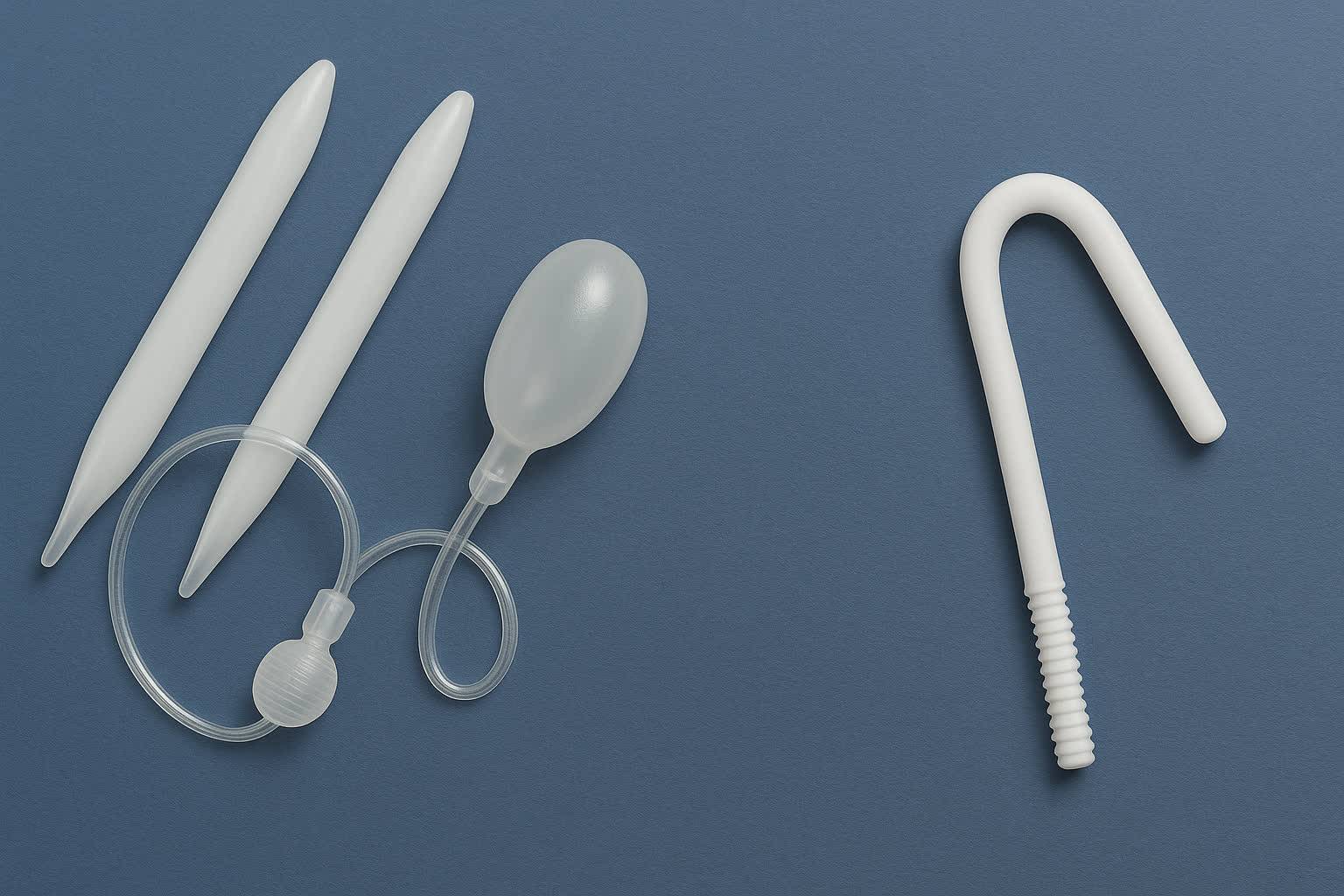
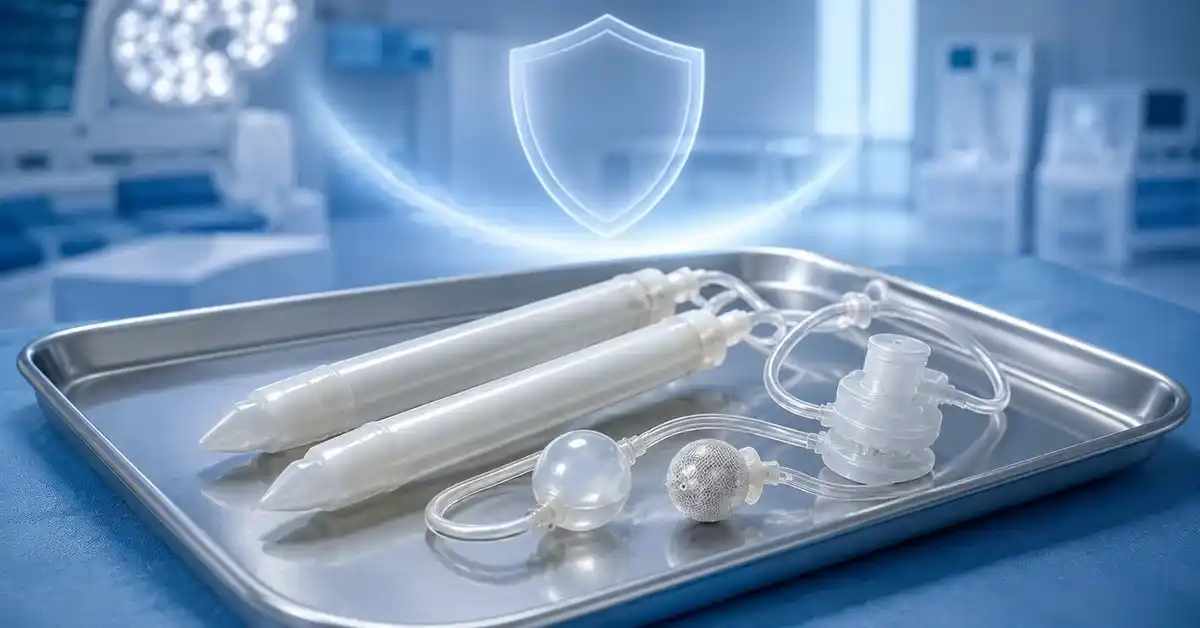
The type of penile implant affects patient experience and long-term expectations. Malleable implants are simpler and have fewer mechanical components. Inflatable implants, especially 3-piece devices, provide more natural erection and relaxation control but are mechanically more complex.
Malleable implants may offer:
- Simple use.
- No pump.
- Lower mechanical complexity.
- Lower cost in many cases.
- Easier use for limited hand mobility.
- Less risk of pump or reservoir malfunction.
- Constant firmness.
- Practical function in selected patients.
- Faster learning curve.
- Durable mechanical design.
Inflatable implants may offer:
- Better control of erection and deflation.
- More natural appearance when deflated.
- Easier concealment under clothing.
- Higher satisfaction in many studies.
- Better daily comfort for selected men.
- More natural sexual timing.
- Better partner acceptance in some cases.
- Strong rigidity when inflated.
- Advanced device function.
- Greater similarity to natural erection pattern.
The 3-piece penile implant success rate may be high in experienced hands, but it must be balanced against cost, pump use, and possible mechanical failure over time.
Patient’s Health Condition
The patient’s health condition strongly affects penile implant outcomes. Diabetes, smoking, obesity, poor wound healing, active urinary infection, skin infection, immunosuppression, prior surgery, or revision surgery may increase risks. Good preparation can reduce complications.
Important health factors include:
- Diabetes control.
- Smoking status.
- Body weight.
- Urinary infection screening.
- Skin condition.
- Blood thinner use.
- Heart health.
- Kidney or liver disease.
- Immune status.
- History of pelvic surgery.
- Peyronie’s disease or fibrosis.
- Previous penile implant surgery.
Active infection should be treated before implantation. Patients should be medically optimized before surgery whenever possible.
Read about: Types of Penile Implants: Pros and Cons of Each Type
Recovery and Patient Satisfaction After Penile Implant Surgery
Recovery and patient satisfaction after penile implant surgery depend on healing, pain control, correct device use, expectations, and partner communication. In the early days after surgery, pain, swelling, bruising, and discomfort are expected. These usually improve gradually.
Patients should not judge the final result during the first postoperative days. The implant becomes easier to use after healing and training.
Postoperative Pain and Recovery Timeline
Postoperative pain is common after penile implant surgery. Pain is usually strongest in the first days and then improves gradually. Swelling and bruising may affect the penis and scrotum. The recovery timeline varies depending on the surgical technique, device type, patient health, and surgeon protocol.
During recovery, patients may expect:
- Pain or soreness.
- Swelling.
- Bruising.
- Temporary walking discomfort.
- Scrotal tenderness.
- Need for pain medication.
- Supportive underwear.
- Activity restriction.
- No sexual activity until cleared.
- Follow-up visits.
- Device training later.
- Gradual improvement.
Worsening pain, fever, wound discharge, severe redness, or wound opening should be reported urgently.
Resuming Sexual Activity and Satisfaction Rate
Sexual activity should resume only after the surgeon confirms that healing is adequate. For inflatable penile implants, the patient must learn how to inflate and deflate the device. For malleable implants, the patient learns how to position the penis comfortably.
Before resuming sex, the patient should have:
- Healed wound.
- Reduced swelling.
- Manageable pain.
- No infection signs.
- Doctor approval.
- Understanding of device use.
- Ability to operate the pump if inflatable.
- Emotional readiness.
- Partner communication.
- Realistic expectations.
Penile implant satisfaction rate is often high when patients are properly counseled. One long-term inflatable penile prosthesis study reported overall satisfaction of 86.8%, and 88.7% of patients said they would recommend the procedure to a friend.
Read about: Types of Penile Implants and Benefits of Flexible Devices
Failure Rates and Potential Complications of Penile Implant
Penile implant failure rate depends on the definition of failure. Failure may mean mechanical malfunction, infection, erosion, chronic pain, dissatisfaction, or the need for revision surgery. Device failure is not common in the early years, but long-term mechanical survival naturally decreases over time.
Patients should hear about these risks before surgery. Honest counseling improves satisfaction and helps patients make informed decisions.
Device Survival and Mechanical Reliability
Device survival and mechanical reliability are key measures of penile implant outcomes. Modern inflatable devices are generally reliable, but no device lasts forever. Long-term survival of a penile implant depends on device model, frequency of use, tissue condition, and whether complications occur.
Published survival rates vary. One study reported inflatable penile prosthesis mechanical survival of 93.3% at 5 years, 76.5% at 10 years, and 64.8% at 15 years. Another long-term series reported device survival rates of 86.7%, 77.5%, and 58.7% at 5, 10, and 15 years.
Mechanical problems may include:
- Pump malfunction.
- Fluid leak.
- Cylinder failure.
- Tubing problem.
- Difficulty inflating.
- Difficulty deflating.
- Loss of rigidity.
- Reservoir issue.
- Auto-inflation in some cases.
- Need for device replacement.
Mechanical reliability is strong, but younger patients should understand that they may need revision later in life.
Common Complications and Revision Rates
Common complications after penile implant surgery include early pain, swelling, bruising, bleeding, infection, device malfunction, erosion, and dissatisfaction related to expectations. Revision rates vary by device type, patient health, revision vs primary surgery, and follow-up duration.
Possible complications include:
- Infection.
- Hematoma.
- Persistent pain.
- Device erosion.
- Mechanical failure.
- Pump position problems.
- Difficulty using the device.
- Urethral injury.
- Wound healing problems.
- Perceived penile shortening.
- Partner dissatisfaction.
- Need for revision surgery.
A published study reported nonmechanical failure due to erosion in 2.7%, device infection in 1.4%, and another medical problem in 1.4% of patients, while mechanical failure remained an important reason for revision.

Types of Penile Implants: Success Rate Comparison
Types of penile implants differ in design, use, cost, comfort, concealment, and mechanical durability. The main options are malleable or semirigid implants and inflatable implants. Both can provide successful outcomes when selected properly.
The best device depends on the patient’s priorities, hand function, anatomy, medical condition, and expectations.
Malleable Semirigid Implant
A malleable or semirigid implant consists of bendable rods placed inside the penis. It provides constant firmness and can be manually positioned for intercourse or concealment. It does not require a pump or reservoir.
Potential advantages include:
- Simple operation.
- Fewer mechanical parts.
- Easier use with limited hand mobility.
- Lower cost in many cases.
- No pump training.
- Strong mechanical durability.
- Practical use.
- Reliable rigidity.
- Shorter learning curve.
- Suitable for selected complex patients.
Limitations include:
- Constant semi-rigidity.
- Incomplete relaxation.
- Less natural flaccid appearance.
- Possible concealment difficulty.
- Possible discomfort while sitting.
- Lower cosmetic satisfaction in some patients.
- Need for realistic expectations.
Malleable implants can have excellent practical success, especially when simplicity is the priority.
Inflatable 3-Piece Implant Success Rate
Inflatable 3-piece implant success rate is often high because these devices provide better control, more natural appearance, and better concealment. They allow inflation for intercourse and deflation afterward. This can improve satisfaction for men who want a more natural daily appearance.
Advantages include:
- Better erection control.
- Better flaccid appearance when deflated.
- Easier concealment.
- Strong rigidity when inflated.
- More natural sexual timing.
- High satisfaction in many series.
- Partner acceptance in selected cases.
- Better cosmetic outcome.
- Reduced constant firmness.
- Advanced device function.
Limitations include:
- Higher cost.
- Need for pump use.
- More mechanical components.
- Potential mechanical failure over time.
- More complex surgery.
- Need for training.
- Possible future revision.
The inflatable penile implant success rate depends on device survival, patient satisfaction, and absence of complications.
Read about: Hydraulic Penile Implant vs Flexible: Which Offers Better Control
Long-Term Survival and Revision-Free Survival of Penile Implants
Long-term survival of a penile implant is one of the most important expectations for patients. Many modern implants last for years, but all mechanical devices can eventually fail. Penile implant revision-free survival measures how long the patient remains without needing another surgery.
Different studies report different survivorship rates because they include different devices, surgical eras, patient groups, and follow-up periods.
Five-Year and Ten-Year Device Survival Rates
Five-year and ten-year device survival rates are commonly used to discuss penile implant device survival rate. A large long-term study reported device survival of 86.7% at 5 years and 77.5% at 10 years, while also noting that a 2022 meta-analysis reported similar 5- and 10-year rates of 87.2% and 76.8%.
Another study of inflatable penile prosthesis reported mechanical survival of 93.3% at 5 years and 76.5% at 10 years, with overall survival of 89.1% and 71.4% at the same time points.
These numbers help patients understand that most devices work well for many years, but revision can become more likely with longer follow-up.
Revision-Free Survival Statistics
Penile implant revision-free survival depends on whether the surgery is primary or revision, the patient’s health, the device type, and the reason for revision. Revision may be needed for mechanical malfunction, infection, erosion, malposition, pain, or dissatisfaction.
Revision-free survival is improved by:
- Experienced surgeon.
- Correct device sizing.
- Infection prevention.
- Diabetes control.
- Avoiding surgery during active infection.
- Proper pump placement.
- Careful wound care.
- Patient training.
- Follow-up visits.
- Early management of problems.
A patient should ask the surgeon about expected revision risk, what symptoms to monitor, and what happens if the device fails years later.
Preoperative and Postoperative Steps to Maximize Outcomes
Penile prosthesis surgery outcomes improve when the patient is prepared before surgery and supported afterward. The process should include medical evaluation, device selection, counseling, infection prevention, and clear postoperative instructions.
The goal is not only to place the implant, but to help the patient use it safely and confidently.
Pre-Surgery Assessment and Planning
Pre-surgery assessment is essential for maximizing penile implant success rate. The doctor should evaluate erectile dysfunction history, failed treatments, medical conditions, medications, urinary symptoms, skin condition, prior surgeries, and patient expectations.
Preoperative planning may include:
- Medical history review.
- Medication review.
- Diabetes assessment.
- Urine testing when needed.
- Skin infection check.
- Blood thinner planning.
- Cardiac assessment if needed.
- Discussion of malleable vs inflatable devices.
- Explanation of possible complications.
- Counseling about penile length expectations.
- Partner counseling when appropriate.
- Cost and warranty discussion.
The patient should understand that the implant treats rigidity, not libido, orgasm, ejaculation, fertility, or penile length.
Post-Surgery Follow-Up and Patient Satisfaction
Post-surgery follow-up is critical for safety and satisfaction. The doctor checks wound healing, swelling, pain, device position, and signs of infection. Later, the patient receives training on device use.
Follow-up improves outcomes by:
- Detecting infection early.
- Managing pain.
- Checking wound healing.
- Teaching device use.
- Improving pump confidence.
- Addressing partner concerns.
- Clarifying expectations.
- Managing swelling and bruising.
- Planning return to intercourse.
- Reducing anxiety.
- Identifying mechanical problems.
- Supporting long-term satisfaction.
Patient satisfaction with the penile implant often improves as the patient becomes more comfortable using the device.
Read about: Latest Controllable Penile Implants: Features and Benefits
What Patients Should Expect: Outcomes and Satisfaction
What patients should expect after penile implant surgery must be explained clearly. Most men can expect a device that provides rigidity for intercourse after healing. They should also expect temporary pain, swelling, training, and a gradual return to intimacy.
Patients should not expect the implant to increase size, improve desire, restore damaged sensation, or cure relationship issues by itself.
Patient Satisfaction Rates After Surgery
Penile implant patient satisfaction rates are generally high in properly selected men. In one long-term study, overall patient satisfaction was 86.8%, 83.0% said they would repeat the same procedure, and 88.7% would recommend it to a friend.
Satisfaction depends on:
- Realistic expectations.
- Successful healing.
- No infection.
- No chronic pain.
- Ease of use.
- Device reliability.
- Good rigidity.
- Natural appearance if inflatable.
- Partner communication.
- Surgeon support.
- Proper training.
- Understanding device limitations.
Good counseling before surgery is one of the strongest predictors of postoperative satisfaction.
Partner Satisfaction and Quality-of-Life Improvements
Partner satisfaction is also important. A penile implant may improve intimacy by reducing uncertainty around erections. It can reduce performance anxiety and help the couple return to a more predictable sexual relationship. However, partner communication and expectations matter.
Quality-of-life improvements may include:
- Less fear of erectile failure.
- Better sexual confidence.
- More predictable intimacy.
- Reduced dependence on tablets or injections.
- Improved partner communication.
- Better emotional closeness.
- Less avoidance of sex.
- Increased sense of control.
- Improved self-image.
- Better relationship stability in selected couples.
The best outcomes occur when both partners understand the recovery process and the device’s role.
Read about: Penile Implant Surgery Success Rates: What Patients Should Expect
Indications: Who Is an Ideal Candidate for Penile Implant Surgery?
An ideal candidate for penile implant surgery is a man with persistent erectile dysfunction who has not achieved adequate results with less invasive treatments or cannot use them. He should understand the benefits and risks, have realistic expectations, and be medically fit for surgery.
Penile implants are usually not the first treatment for erectile dysfunction. They are considered when other options are ineffective, unacceptable, or unsuitable.
Indications: Failed Medications, Post-Prostatectomy
Common indications include erectile dysfunction that does not respond to oral medications, injection therapy, or vacuum devices. Penile implants may also be considered after prostate cancer surgery, diabetes-related erectile dysfunction, Peyronie’s disease with ED, vascular disease, or severe organic erectile dysfunction.
Indications may include:
- Failed oral ED medication.
- Contraindication to ED medication.
- Failed injection therapy.
- Pain or refusal of injections.
- Failed vacuum device use.
- Post-prostatectomy erectile dysfunction.
- Diabetes-related severe ED.
- Peyronie’s disease with ED.
- Penile fibrosis.
- Severe vascular erectile dysfunction.
- Long-term ED affecting relationship.
- Desire for a permanent solution.
The patient should be counseled that implant surgery is usually a definitive surgical option.
Factors Affecting Long-Term Success
Long-term success depends on device survival, surgical quality, health optimization, correct expectations, and follow-up. Patients with diabetes, smokers, or those undergoing revision surgery may need additional risk discussion.
Factors affecting long-term success include:
- Surgeon experience.
- Device selection.
- Implant sizing.
- Infection prevention.
- Diabetes control.
- Smoking cessation.
- Wound care.
- Patient training.
- Pump usability.
- Partner support.
- Mechanical reliability.
- Revision planning if needed.
The patient’s active participation before and after surgery improves the chance of a good long-term result.
Read about: Post-Surgery Penile Implant Rehab: Tips for Restoring Healthy Intimacy
Conclusion
Penile implant surgery success rates are generally high, especially in experienced centers and properly selected patients. Published studies show strong penile implant satisfaction rates and good mechanical reliability, with many devices lasting for years. However, no penile implant has a 100% success rate, and risks such as infection, pain, erosion, mechanical failure, or revision surgery must be discussed clearly.
Inflatable penile implants, especially 3-piece devices, often provide better control and a more natural appearance, while malleable implants offer simplicity and fewer mechanical components. The best choice depends on the patient’s health, hand function, budget, anatomy, and expectations.
Frequently Asked Questions: Penile Implant Surgery Success Rates
What is the success rate of penile implant surgery?
Success rates are generally high, but they vary depending on device type, surgeon experience, patient health, and definition of success. Many studies report high satisfaction and good device survival.
What is the inflatable penile implant success rate?
Inflatable implants often show high satisfaction and strong mechanical survival. One study reported mechanical survival of 93.3% at 5 years and 76.5% at 10 years.
What is penile implant failure rate?
Failure rate depends on whether failure means mechanical malfunction, infection, erosion, pain, or revision. Mechanical failure becomes more likely with longer device use.
Does a penile implant increase penis length?
No. A penile implant provides rigidity for intercourse. It does not increase penile length, sexual desire, orgasm, or fertility.
How long does a penile implant last?
Many implants last for years. Published studies report approximate 5-year device survival around the high 80% to low 90% range and 10-year survival around the mid-to-high 70% range, depending on study and definition.