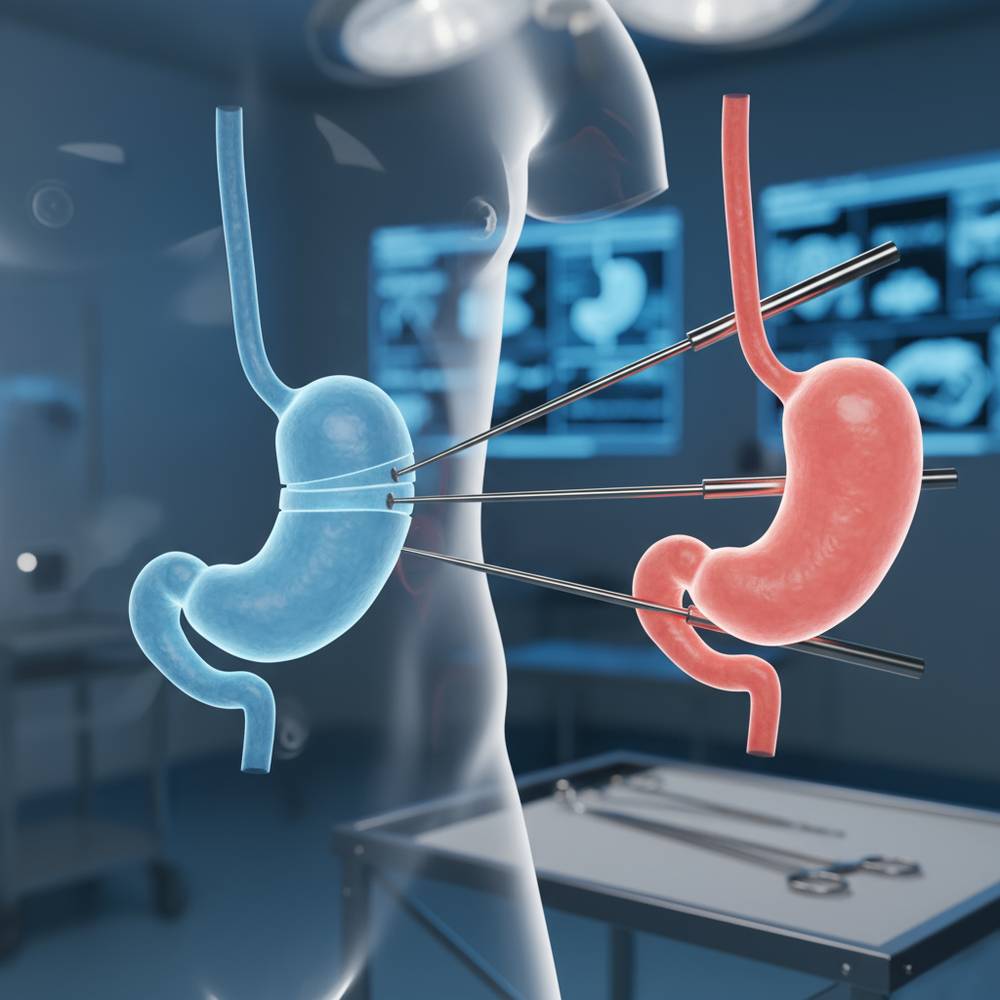








Preparing for bariatric surgery begins well before the day of the operation. A successful sleeve gastrectomy or gastric bypass depends not only on the surgical procedure but also on optimizing diabetes and blood pressure, identifying nutritional deficiencies, reviewing medications, assessing sleep-related breathing problems, and preparing for substantial dietary changes after surgery.
At Safemedigo, preoperative bariatric preparation is treated as an important stage of care in its own right. A comprehensive assessment should address medical, nutritional, psychological, and anesthesia-related factors and determine whether the selected operation fits the patient’s health conditions and long-term needs.
Preoperative Bariatric Surgery Assessment and Choosing the Right Procedure
The first step is confirming that the proposed bariatric operation matches the patient's obesity-related conditions and treatment goals.
Choosing Bariatric Surgery According to Weight and Medical Conditions
The decision can consider:
- BMI and weight history.
- Type 2 diabetes.
- Gastroesophageal reflux.
- Sleep apnea.
- Hypertension.
- Obesity-related liver disease.
- Previous abdominal surgery.
- Eating patterns.
- Current medication.
- Previous weight-management treatments.
The most popular procedure is not automatically the most appropriate procedure for every patient.
Anesthesia Assessment Before Sleeve Gastrectomy or Gastric Bypass
Obesity can be associated with airway, respiratory, cardiovascular, and metabolic factors that influence anesthesia.
Preoperative assessment reviews medical history, medications, previous anesthesia problems, allergies, respiratory status, and factors that could influence airway management or postoperative monitoring.
Screening for Obstructive Sleep Apnea Before Bariatric Surgery
Obstructive sleep apnea is common in people undergoing bariatric surgery and may remain undiagnosed.
Heavy snoring, witnessed breathing pauses, daytime sleepiness, and morning headaches can justify further assessment. Identifying and treating sleep apnea before surgery helps the perioperative team plan safer respiratory care.
Medical Tests and Chronic Disease Optimization Before Bariatric Surgery
Preoperative testing should be individualized rather than ordered as one identical package for every patient.
Blood Tests Before Sleeve Gastrectomy and Gastric Bypass
Testing may include:
- Complete blood count.
- Blood glucose and HbA1c.
- Kidney and liver function.
- Electrolytes.
- Iron studies.
- Vitamin B12.
- Folate.
- Vitamin D.
- Coagulation testing when indicated.
Existing nutritional deficiencies should ideally be identified and treated before surgery because bariatric procedures can further alter nutrient intake or absorption.
Controlling Diabetes and Hypertension Before Bariatric Surgery
Patients should enter surgery with chronic diseases as stable as reasonably possible.
A preoperative low-calorie diet can improve insulin sensitivity relatively quickly, meaning diabetes medication may require adjustment to avoid hypoglycemia.
Blood pressure, cardiovascular disease, kidney disease, and lung conditions should also be reviewed and optimized.
Correcting Vitamin and Mineral Deficiencies Before Bariatric Surgery
A high body weight does not exclude malnutrition.
Patients can have deficiencies in iron, vitamin D, vitamin B12, folate, or other micronutrients before surgery. Establishing baseline nutritional status allows deficiencies to be treated and provides a reference for long-term postoperative monitoring.
Read about: Is Sleeve Gastrectomy Suitable for You? Key Indicators to Know
Preoperative Bariatric Diet and Liver-Reduction Preparation
Many bariatric programs prescribe a specific diet during the weeks immediately before surgery.
The purpose may include reducing liver volume and intra-abdominal fat, making surgical access easier.
Liver-Shrinking Diet Before Sleeve or Gastric Bypass Surgery
Many protocols use a low-calorie or very-low-calorie diet for approximately two to four weeks before surgery.
Evidence indicates that this approach can reduce liver volume and improve technical conditions during surgery. The precise calorie level and food composition should be prescribed by the treating team rather than copied from an online plan.
Protein and Hydration During the Preoperative Bariatric Diet
Programs generally aim to preserve protein intake while reducing overall calories.
Depending on the protocol, preparation can include:
- Lean protein sources.
- Controlled meals.
- Meal-replacement products.
- Selected vegetables.
- Adequate fluids.
- Avoidance of sugary drinks.
The aim is not simply rapid weight loss but safe surgical preparation.
Why Crash Dieting Before Bariatric Surgery Can Be Harmful
Unsupervised severe restriction can cause dehydration, electrolyte imbalance, hypoglycemia, weakness, and loss of muscle.
The preoperative diet should therefore be viewed as a medical protocol rather than a competition to lose as much weight as possible.

Medications, Smoking, and Alcohol Before Bariatric Surgery
Medication review is essential because several common drugs can influence bleeding, glucose, blood pressure, gastric emptying, or anesthesia.
Smoking Cessation Before Sleeve Gastrectomy and Gastric Bypass
Smoking is associated with higher risks of respiratory problems, impaired healing, infection, and certain gastrointestinal complications.
Smoking cessation is generally recommended at least four weeks before surgery, with earlier cessation preferable.
Nicotine use in other forms should also be disclosed to the surgical team.
Blood Thinners and Chronic Medication Before Bariatric Surgery
Patients should provide a complete list of anticoagulants, antiplatelet drugs, diabetes medications, blood-pressure drugs, psychiatric medication, pain medication, supplements, herbs, and weight-management medication.
Some drugs are continued while others require temporary adjustment.
Patients should never independently stop anticoagulation or other essential prescription medication.
GLP-1 Weight-Loss Medication Before Bariatric Surgery and Anesthesia
Modern weight-management medications that can delay gastric emptying require individualized assessment before anesthesia.
Current guidance favors a risk-based approach rather than automatically stopping these medications in every patient. Many patients may continue therapy, while those experiencing significant gastrointestinal symptoms, recent dose escalation, or other factors that increase delayed gastric emptying may require diet modification, medication adjustment, or changes to the anesthesia plan.
The surgical team should know the medication name, dose, last administration, and any nausea, vomiting, abdominal discomfort, or severe fullness.
Read about: Possible Complications After Sleeve Gastrectomy and Prevention
Psychological and Lifestyle Preparation Before Bariatric Surgery
Bariatric surgery changes the patient's relationship with food as well as stomach capacity. Psychological and behavioral preparation therefore matters.
Psychological Assessment and Eating Behavior Before Bariatric Surgery
Assessment can explore:
- Emotional eating.
- Binge-eating behavior.
- Depression and anxiety.
- Alcohol or substance use.
- Eating disorders.
- Ability to follow postoperative dietary stages.
- Readiness for lifelong supplementation and follow-up.
The purpose is to identify problems that can be addressed before surgery and support adherence afterward.
Learning Post-Bariatric Eating Habits Before the Operation
Patients should understand beforehand that postoperative nutrition progresses through defined stages and that portions will initially be very small.
Important future habits include eating slowly, chewing thoroughly, prioritizing protein, stopping at fullness, maintaining hydration, and taking prescribed supplements.
Physical Activity and Early Mobilization After Bariatric Surgery
Improving walking capacity and general fitness before surgery can make early recovery easier.
Patients should also know that early mobilization after surgery is commonly encouraged to support recovery and reduce the risk of blood clots, unless a medical reason prevents it.
Final Days Before Bariatric Surgery: Fasting, Medication, and Hospital Preparation
During the final days, individualized hospital and anesthesia instructions take priority over generic online advice.
The Day Before Bariatric Surgery
Confirm:
- Hospital arrival time.
- Food and fluid instructions.
- Medication instructions.
- Transportation and support.
- Drug allergies.
- Current medication list.
A new fever, respiratory infection, persistent vomiting, or other significant illness should be reported before surgery.
Fasting Before Sleeve Gastrectomy or Gastric Bypass
The anesthesia team determines when solid foods and liquids should be stopped.
Patients should not begin fasting substantially earlier than instructed because unnecessary prolonged fasting can increase dehydration without improving safety.
Patients taking medication that affects gastric emptying may receive modified instructions.
Final Bariatric Surgery Safety Checklist
Before surgery, the patient should understand the plan for:
- The procedure.
- Anesthesia.
- Medication management.
- Blood-clot prevention.
- Diabetes management.
- Pain and nausea control.
- Postoperative fluids.
- Early walking.
- Discharge and follow-up.
Read about: Gastric Sleeve Cost: Turkey vs USA
Conclusion
Preparing for bariatric surgery is part of the treatment itself. A good preoperative plan combines medical, nutritional, psychological, and anesthesia assessment, management of diabetes and sleep apnea, correction of nutritional deficiencies, medication review, smoking cessation, and an appropriate liver-reduction diet when prescribed.
Long-term success also depends on being ready for the dietary, supplementation, activity, and follow-up requirements that begin immediately after surgery.
Frequently Asked Questions: Preparing for Bariatric Surgery
What tests are usually required before bariatric surgery?
Testing varies but can include blood count, kidney and liver function, glucose, nutritional markers, and additional cardiac or respiratory evaluation when medically indicated.
Why is a liver-shrinking diet used before bariatric surgery?
A prescribed low-calorie diet can reduce liver volume and make surgical access easier in selected patients.
How long before bariatric surgery should smoking stop?
Stopping at least four weeks before surgery is commonly recommended, with earlier cessation preferable.
Do GLP-1 weight-loss injections need to be stopped before surgery?
Not in every patient. Current planning is individualized according to the drug, treatment stage, gastrointestinal symptoms, and aspiration risk.
Why is psychological assessment part of bariatric surgery preparation?
It helps identify eating behaviors and psychological factors that could affect adherence to postoperative diet, supplements, and long-term follow-up.