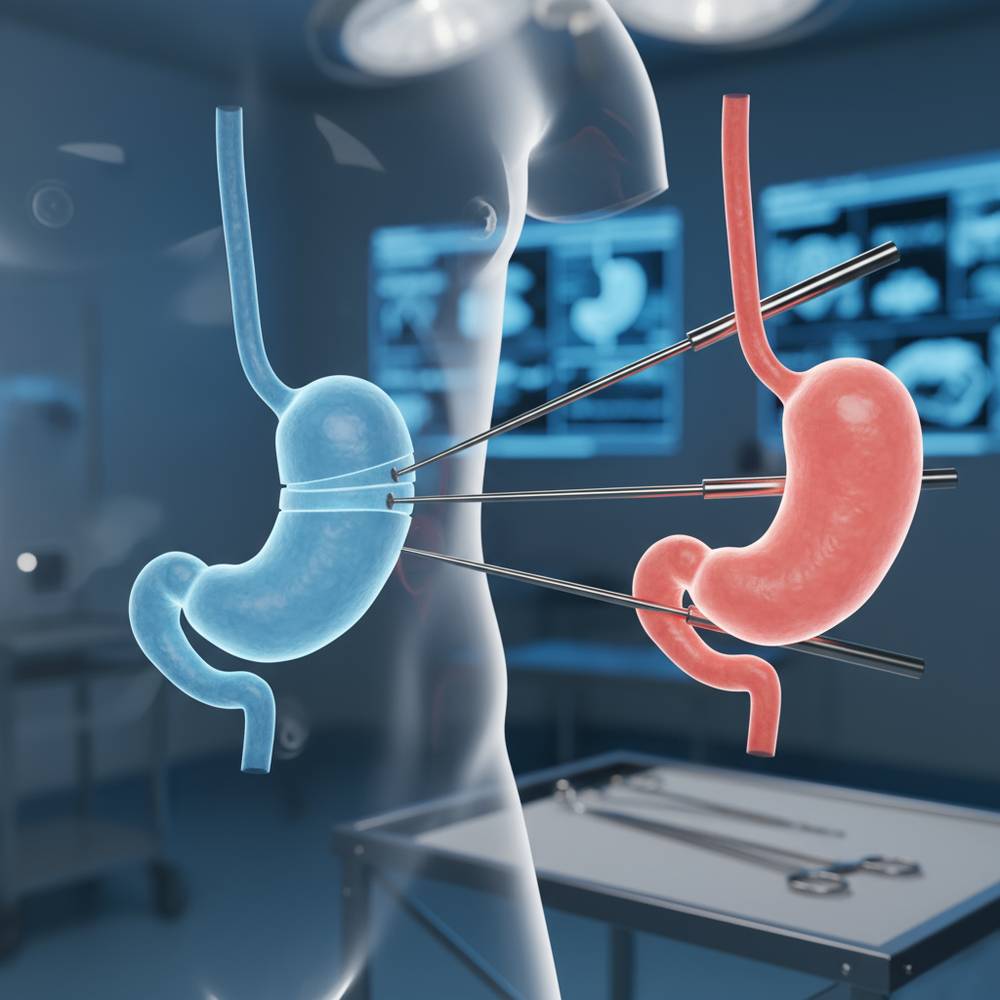






Bariatric surgery represents a profound turning point for individuals battling severe obesity, offering a highly effective pathway to weight loss and the resolution of life-threatening metabolic conditions. Among the various procedures, the gastric sleeve stands out for its straightforward anatomical approach and excellent success rates. However, like any major surgical intervention, it is not without its risks. Understanding the possible complications after sleeve gastrectomy is not meant to deter patients, but rather to empower them. Knowledge is the first line of defense, enabling patients to recognize early warning signs and take proactive steps to protect their health during the critical recovery phase and beyond.
At Safemedigo, we believe that world-class medical tourism is built on a foundation of transparency, comprehensive patient education, and unwavering post-operative support. We partner with elite surgeons who utilize the most advanced techniques to minimize risks, but we also emphasize the patient's crucial role in their own healing journey. This guide provides an in-depth look at the potential challenges you may face, from immediate surgical risks to long-term nutritional needs, and outlines the essential sleeve gastrectomy prevention strategies required to ensure a safe, smooth, and ultimately transformative recovery.
Possible complications after sleeve gastrectomy
The challenges associated with this procedure can generally be categorized into two distinct phases: those that occur shortly after the surgery, and those that may develop months or even years later.
Sleeve gastrectomy complications
Immediate sleeve gastrectomy complications are primarily related to the surgical process itself and the body's initial reaction to the trauma. These can include adverse reactions to general anesthesia, bleeding at the surgical site, and wound infections. In the first few days, patients frequently experience severe nausea and difficulty tolerating even small amounts of liquids, which can quickly lead to dehydration if not carefully managed. Additionally, the risk of developing blood clots is heightened during the immediate post-operative period due to decreased mobility, requiring strict preventive measures while still in the hospital.
Sleeve gastrectomy long‑term complications
Conversely, sleeve gastrectomy long-term complications are usually tied to the permanent anatomical changes made to the stomach and the patient's adherence to lifestyle modifications. One of the most common long-term issues is the development or exacerbation of acid reflux. Furthermore, because the stomach's capacity is drastically reduced, patients face an ongoing risk of nutritional deficiencies if they fail to maintain a strict regimen of vitamin and mineral supplementation. Another potential long-term issue is the stretching of the remaining stomach pouch, which can occur if dietary guidelines are consistently ignored, leading to weight regain.
Read about: Is Sleeve Gastrectomy Suitable for You? Key Indicators to Know
Sleeve gastrectomy leak
A leak is widely considered one of the most serious and potentially life-threatening complications that can occur following this procedure.
staple line leak
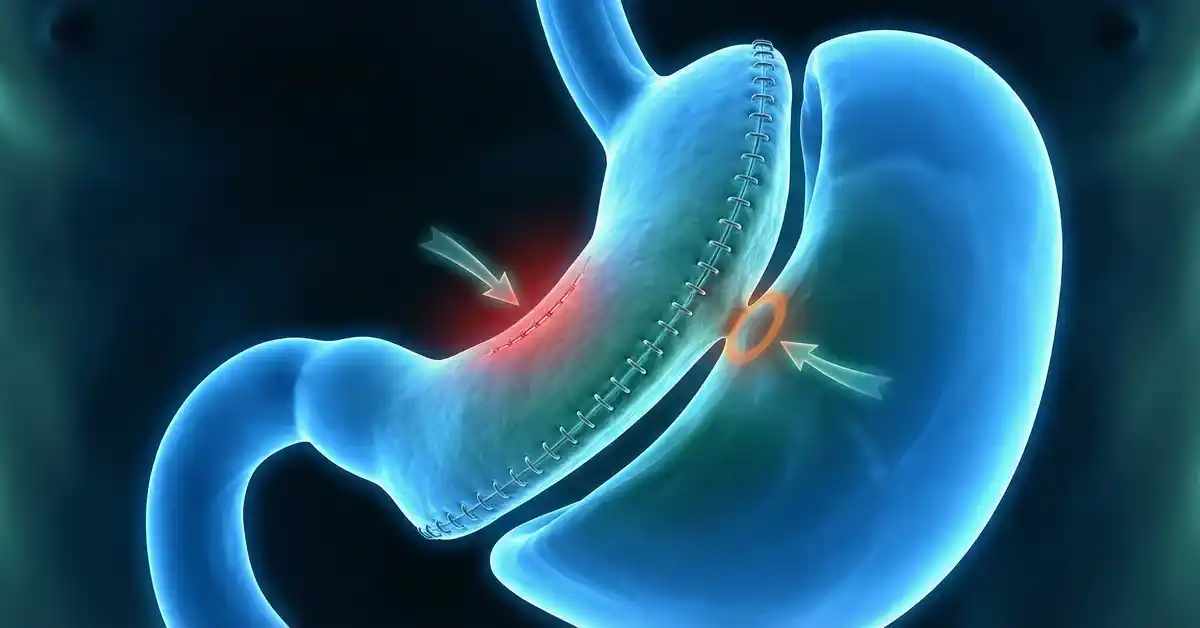
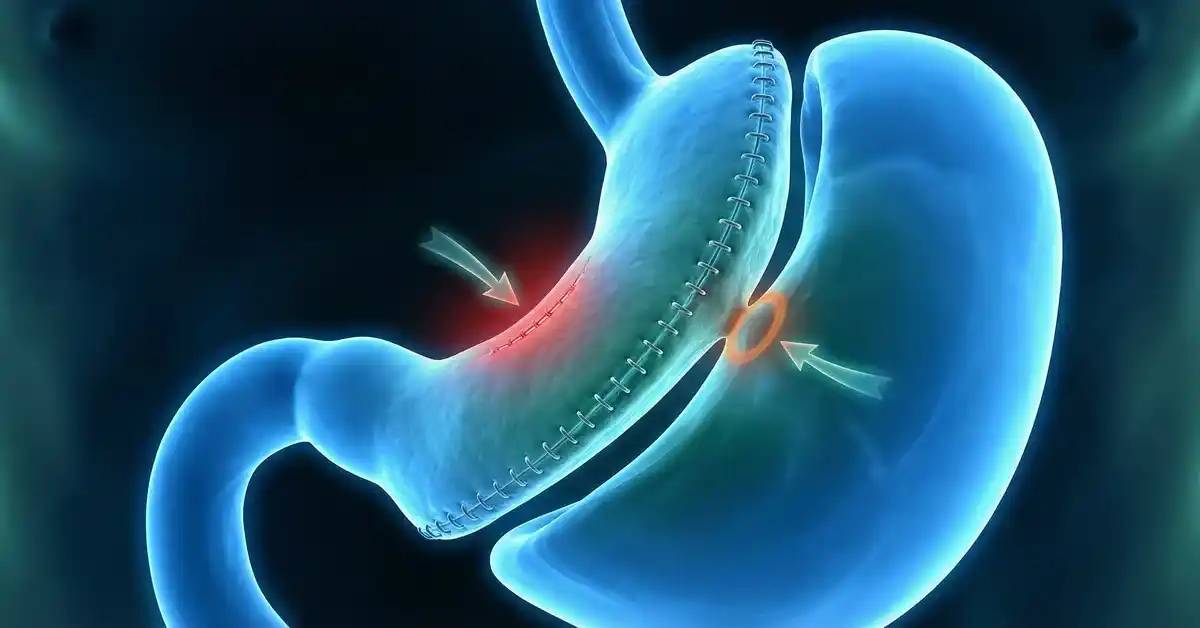
A staple line leak happens when the surgical staples used to seal the newly formed, banana-shaped stomach fail to hold the tissue together completely. This allows digestive juices and ingested liquids to escape from the stomach into the sterile abdominal cavity, causing severe infection and inflammation (peritonitis). Symptoms of a leak typically include a rapid heart rate, severe abdominal or left shoulder pain, fever, and a general feeling of extreme illness. This condition requires immediate emergency medical intervention, which may involve antibiotics, drainage of the infection, or additional surgery.
Sleeve gastrectomy prevention
Effective sleeve gastrectomy prevention regarding leaks relies heavily on both the surgeon's skill and the patient's compliance. Surgeons use advanced, double-stapling techniques and often reinforce the line with special sealants to minimize risk. For the patient, strict adherence to the post-operative diet is non-negotiable. Consuming solid foods before the staple line has fully healed puts immense pressure on the tissue and can cause it to rupture. Furthermore, completely abstaining from smoking before and after surgery is critical, as nicotine severely impairs blood flow and tissue healing.

Reflux after sleeve gastrectomy
Changes in stomach anatomy and internal pressure frequently lead to issues with stomach acid traveling in the wrong direction.
GERD after sleeve gastrectomy
Gastroesophageal Reflux Disease, or GERD after sleeve gastrectomy, is a very common complaint. By removing approximately 80% of the stomach, the internal pressure of the remaining pouch increases significantly. This pressure can force stomach acid upward into the esophagus, causing chronic heartburn, chest pain, and a sour taste in the mouth. While some patients only experience temporary reflux as their body adjusts, others may develop chronic GERD that requires long-term medical management to prevent damage to the esophageal lining.
Sleeve gastrectomy prevention
To manage and aid in sleeve gastrectomy prevention of severe reflux, patients must adopt specific dietary habits. It is crucial to avoid lying down or sleeping immediately after eating; waiting at least two hours is recommended. Patients should also identify and avoid trigger foods that relax the esophageal sphincter or irritate the stomach, such as caffeine, spicy foods, citrus, and peppermint. In many cases, doctors will prescribe Proton Pump Inhibitors (PPIs) for the first few months after surgery to reduce acid production while the stomach heals and adapts.
Read about: Standard vs Bottega Sleeve: Which Bariatric Option Suits You?
Nutritional deficiencies after sleeve gastrectomy
The drastic reduction in food intake inherently limits the amount of nutrients the body can absorb from a daily diet.
Sleeve gastrectomy nutritional deficiencies
Because patients consume significantly smaller portions, sleeve gastrectomy nutritional deficiencies are a constant threat. The most common deficiencies involve iron, calcium, vitamin D, and vitamin B12. A lack of iron and B12 can lead to severe anemia, causing chronic fatigue and neurological issues. Insufficient calcium and vitamin D over time will weaken bones, increasing the risk of osteoporosis and fractures. Hair loss is also a frequent, though usually temporary, symptom of inadequate protein and nutrient intake during the rapid weight loss phase.
Sleeve gastrectomy prevention
The cornerstone of sleeve gastrectomy prevention for nutritional issues is a lifelong commitment to supplementation. Patients must take specialized bariatric multivitamins daily, as these are formulated for easier absorption. Separate calcium citrate and vitamin D supplements are also required, along with sublingual (under the tongue) vitamin B12 or regular B12 injections. Regular blood tests—typically every 3 to 6 months during the first year, and annually thereafter—are essential to monitor nutrient levels and adjust supplement dosages before severe deficiencies develop.
Read about: How to Choose the Best Sleeve Gastrectomy Surgeon
Blood clots after sleeve gastrectomy
The formation of blood clots is a serious risk associated with any major surgery, particularly for patients with obesity.
Sleeve gastrectomy blood clots
The risk of sleeve gastrectomy blood clots is elevated due to the combination of surgical trauma, the inflammatory response, and the period of immobility immediately following the operation. If a clot forms and breaks loose, it can travel through the bloodstream to the lungs, causing a pulmonary embolism, which is a life-threatening medical emergency characterized by sudden shortness of breath and chest pain.
deep vein thrombosis sleeve gastrectomy
The most common type of clot in this scenario is deep vein thrombosis sleeve gastrectomy (DVT), which typically forms in the deep veins of the legs. Symptoms of DVT include swelling, pain, tenderness, and redness in the affected leg. Prevention starts in the hospital, where patients are fitted with compression stockings and intermittent pneumatic compression devices on their legs. Medical staff will also administer blood-thinning medications (anticoagulants) as a standard preventive measure. Most importantly, patients are required to get out of bed and walk within hours of waking up from surgery to stimulate blood circulation.
Read about: Best Sleeve Gastrectomy Surgeon in Istanbul: How to Choose
Gallstones after sleeve gastrectomy
Rapid weight loss is a well-known catalyst for the formation of stones in the gallbladder.
sleeve gastrectomy, gallstones
The relationship between sleeve gastrectomy, gallstones, and rapid weight loss is significant. When the body metabolizes fat quickly, the liver secretes extra cholesterol into the bile. Simultaneously, because the post-operative diet is very low in fat, the gallbladder does not contract and empty its bile as frequently as it normally would. This combination of excess cholesterol and stagnant bile creates the perfect environment for cholesterol to crystallize and form gallstones, which can cause severe abdominal pain and may eventually require surgical removal of the gallbladder.
Sleeve gastrectomy prevention
For sleeve gastrectomy prevention of gallstones, doctors often prescribe a medication called Ursodiol (ursodeoxycholic acid) for the first six months following surgery. This medication helps dissolve cholesterol in the bile and prevents stones from forming during the period of most rapid weight loss. Additionally, once the patient transitions to solid foods, incorporating small, healthy amounts of dietary fat can help stimulate the gallbladder to empty regularly, reducing bile stagnation.
Read about: Preventing Complications After Sleeve Gastrectomy Surgery
Obstruction or stenosis after sleeve gastrectomy
Though less common than other complications, structural issues with the new stomach pouch can severely impact digestion.
Gastric stenosis after sleeve
Gastric stenosis after the sleeve (also known as a stricture) occurs when a portion of the newly formed, tubular stomach becomes too narrow or twists. This narrowing restricts or completely blocks the passage of food and liquids into the intestines. Symptoms include persistent vomiting after eating or drinking, a feeling of intense pressure in the upper abdomen even after tiny sips, and an inability to burp. If left untreated, stenosis leads to severe dehydration and malnutrition.
sleeve gastrectomy obstruction
A sleeve gastrectomy obstruction can be caused by surgical technique, scar tissue formation, or even by the patient eating inappropriate foods too soon. Prevention relies heavily on the patient strictly following the phased diet progression. Attempting to eat large pieces of solid food before the stomach has healed and adapted can cause the food to become lodged in the narrowest part of the sleeve. If a stricture does occur, it often requires an endoscopic procedure to stretch (dilate) the narrowed area, or in severe cases, corrective surgery.
Read about: Gastric Sleeve Cost: Turkey vs USA
Dumping syndrome after sleeve gastrectomy
While more commonly associated with gastric bypass, dumping syndrome can still affect sleeve patients.
Sleeve gastrectomy dumping syndrome
Sleeve gastrectomy dumping syndrome occurs when food—particularly foods high in simple sugars or refined carbohydrates—moves too quickly from the stomach into the small intestine. Early dumping syndrome happens 15 to 30 minutes after eating and causes symptoms like nausea, abdominal cramping, diarrhea, dizziness, and a rapid heart rate. Late dumping syndrome occurs 1 to 3 hours later, caused by a rapid spike and subsequent crash in blood sugar levels, leading to sweating, tremors, and intense hunger.
Sleeve gastrectomy prevention
The key to sleeve gastrectomy prevention of dumping syndrome is strict dietary management. Patients must completely avoid foods and beverages with added sugars, sweets, and highly processed carbohydrates. Meals should focus on high-quality proteins, complex carbohydrates (like vegetables), and healthy fats, which digest more slowly. Furthermore, adhering to the rule of separating liquids from solid meals—waiting 30 minutes after eating before drinking—prevents liquids from rapidly "washing" food into the intestines.
Read about: Traditional vs Bikini Sleeve: Turkey vs Germany
Overall prevention and follow‑up after sleeve gastrectomy
The ultimate success of bariatric surgery depends on a lifelong commitment to health and continuous medical oversight.
Sleeve gastrectomy prevention
Comprehensive sleeve gastrectomy prevention encompasses every aspect of the patient's lifestyle. It means listening to your body and not ignoring unusual pain or persistent symptoms. It requires unwavering dedication to taking prescribed supplements and maintaining a balanced, protein-rich diet. Regular physical activity is also essential, not just for weight maintenance, but for improving cardiovascular health, preserving muscle mass, and promoting healthy blood circulation to prevent long-term complications.
Complications after sleeve gastrectomy
To effectively manage and avoid complications after sleeve gastrectomy, regular medical follow-up is absolutely critical. Patients must attend all scheduled appointments with their bariatric surgeon and dietitian. These visits allow the medical team to monitor weight loss progress, adjust dietary plans, and review routine blood work to catch and treat nutritional deficiencies early. By staying engaged with their healthcare team, patients ensure that their surgical tool remains effective and their overall health is protected for years to come.
Conclusion
Undergoing bariatric surgery is a life-changing decision that requires courage, commitment, and a clear understanding of the journey ahead. While the possible complications after sleeve gastrectomy—ranging from a staple line leak to long-term nutritional deficiencies—are serious, they are largely preventable. By strictly adhering to your surgeon's guidelines, embracing the necessary dietary changes, and committing to lifelong medical follow-up, you can minimize these risks and maximize the profound health benefits of the procedure.
At Safemedigo, we are dedicated to ensuring your safety and success at every step of your medical tourism experience. We connect you with top-tier medical professionals and provide the comprehensive support needed to navigate your recovery with confidence. Discover how our expert team can help you achieve a healthier, complication-free future today.
FAQ: Possible Complications After Sleeve Gastrectomy and Prevention
What are the signs of a staple line leak after sleeve gastrectomy?
A staple line leak is a medical emergency. Symptoms include a sudden, rapid heart rate, severe pain in the abdomen or left shoulder, fever, shortness of breath, and a general feeling of extreme illness. If you experience these symptoms shortly after surgery, seek immediate medical attention.
How can I prevent deep vein thrombosis sleeve gastrectomy?
To prevent sleeve gastrectomy blood clots, especially DVT, you must start walking as soon as you are cleared by your medical team after surgery. In the hospital, you will wear compression stockings and may receive blood thinners. At home, continue to walk regularly and avoid sitting or lying down for prolonged periods.
Will I definitely get GERD after sleeve gastrectomy?
Not everyone develops GERD after sleeve gastrectomy, but it is a common complication due to increased pressure in the smaller stomach. You can aid in sleeve gastrectomy prevention of reflux by avoiding spicy or acidic foods, not lying down immediately after eating, and taking prescribed antacids during the initial recovery phase.
How do I avoid sleeve gastrectomy nutritional deficiencies?
Preventing sleeve gastrectomy nutritional deficiencies requires a lifelong commitment to taking specific bariatric multivitamins, calcium, and vitamin B12 supplements. You must also attend regular medical follow-ups to have your blood tested, allowing your doctor to adjust your supplement intake before severe deficiencies occur.
What causes gastric stenosis after the sleeve?
Gastric stenosis after the sleeve, or a stricture, occurs when the new stomach tube becomes too narrow or twists, blocking food and liquid. While sometimes related to surgical technique, you can help prevent sleeve gastrectomy obstruction by strictly following the phased diet and chewing food thoroughly to avoid blockages.