




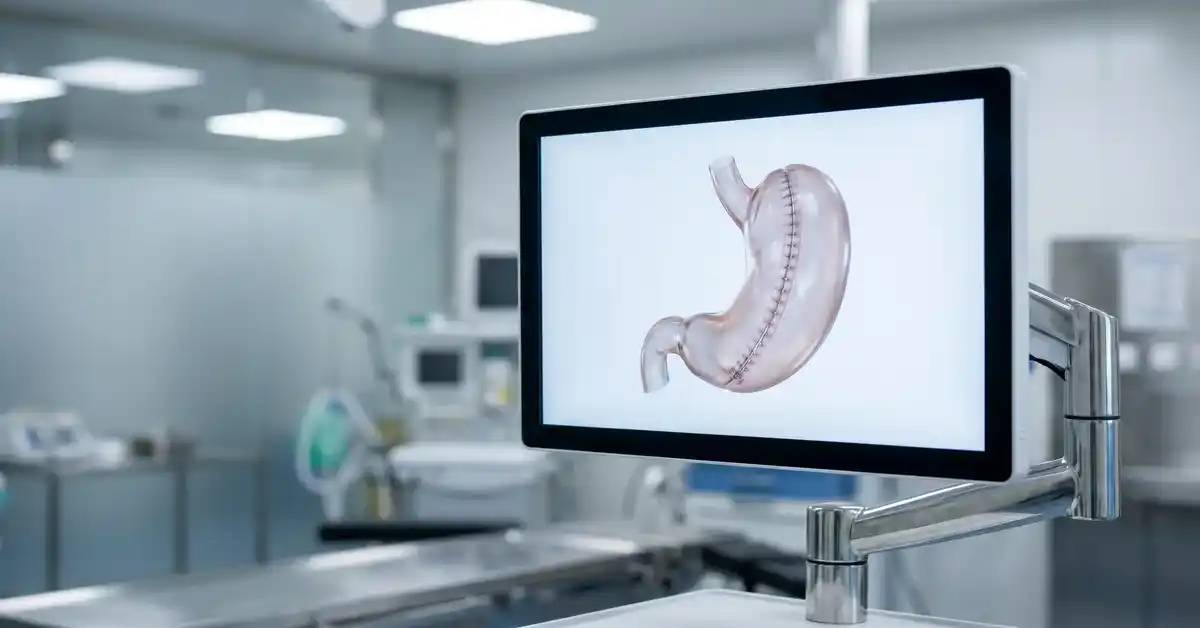
Obesity is one of the most pressing health challenges of our time, often serving as a gateway to numerous chronic conditions that severely impact quality of life. In the search for effective and sustainable solutions, bariatric surgery has emerged as a powerful medical intervention. Among the various procedures available, the gastric sleeve has gained immense popularity due to its straightforward approach and remarkable outcomes. However, the most critical question remains: is sleeve gastrectomy suitable for you? Answering this requires a deep dive into the medical criteria, physical conditions, and lifestyle commitments that define an ideal candidate.
At Safemedigo, we understand that deciding to undergo weight loss surgery is a life-altering choice that must be made with clarity and confidence. This comprehensive guide is designed to walk you through the sleeve gastrectomy key indicators, eligibility requirements, and the profound changes you can expect before and after the procedure. By exploring the benefits, potential risks, and long-term commitments, we aim to empower you with the knowledge needed to take control of your health journey through world-class medical tourism.
Is sleeve gastrectomy suitable for you?
Determining whether this surgical intervention is the right path involves more than just a desire to lose weight. It requires a thorough medical evaluation to ensure that the procedure aligns with your physical health and long-term goals.
Sleeve gastrectomy suitability
General sleeve gastrectomy suitability is evaluated based on a combination of physical, psychological, and historical factors. The ideal candidate is typically someone who has made multiple, documented attempts to lose weight through conventional methods—such as medically supervised diets and exercise programs—but has experienced limited or no long-term success. Furthermore, suitability hinges on the patient's psychological readiness to embrace a completely new relationship with food. The surgery is a tool, not a magic cure, and its success depends heavily on the patient's willingness to adhere to strict dietary guidelines and lifestyle modifications for the rest of their life.
Sleeve gastrectomy eligibility criteria
The formal sleeve gastrectomy eligibility criteria are established by international medical guidelines to ensure patient safety and optimal outcomes. Age is a primary factor; candidates are generally between 18 and 65 years old, though exceptions are made for adolescents or older adults after rigorous specialized assessment. Candidates must also be free from medical conditions that would make general anesthesia or surgery unacceptably risky. Additionally, a comprehensive psychological evaluation is often required to rule out untreated eating disorders, severe depression, or substance abuse issues that could compromise post-operative recovery and long-term weight management.
Sleeve gastrectomy key indicators
Medical professionals rely on specific, measurable indicators to determine if a patient will truly benefit from the physiological changes induced by the surgery.
BMI requirement for sleeve gastrectomy
The most universally recognized metric is the sleeve gastrectomy BMI requirement. Generally, surgery is strongly recommended for individuals with a Body Mass Index (BMI) of 40 or higher, which is classified as severe or morbid obesity. However, the threshold is lowered for patients who suffer from obesity-related health conditions. If your BMI is between 35 and 39.9, and you have been diagnosed with serious co-morbidities, you are typically considered an excellent candidate. In recent years, some medical guidelines have even begun considering patients with a BMI starting at 30 if they suffer from severe metabolic diseases that are difficult to control with medication alone.
Sleeve gastrectomy indications and co-morbidities
Beyond BMI, specific sleeve gastrectomy indications include the presence of life-threatening co-morbidities. Type 2 diabetes is a primary indicator, as the surgery often leads to rapid improvement or even complete remission of the disease. Other strong indications include severe obstructive sleep apnea, which significantly increases cardiovascular risk, and medically refractory hypertension (high blood pressure). Debilitating joint pain and osteoarthritis caused by excess weight are also critical indicators, as significant weight loss can dramatically improve mobility and reduce the need for orthopedic surgeries.
Read about: Possible Complications After Sleeve Gastrectomy and Prevention
Sleeve gastrectomy eligibility criteria
Meeting the basic criteria is only the first step; patients must also demonstrate a commitment to the preparatory phases of the surgical journey.
Pre-sleeve gastrectomy preparation
Thorough pre sleeve gastrectomy preparation is a mandatory part of the eligibility process. Patients are usually required to undergo a series of medical tests, including blood work, an electrocardiogram (ECG), and an endoscopy to evaluate the health of the stomach lining. Furthermore, patients are often placed on a specific pre-operative diet for two to four weeks before the surgery. This diet is designed to shrink the liver, making the surgical procedure safer and technically easier for the surgeon to perform. Compliance with this diet is a strong indicator of the patient's ability to follow post-operative rules.
candidacy and risk factors
Evaluating candidacy also involves a careful assessment of sleeve gastrectomy risk factors. Patients who smoke are required to quit completely at least four to six weeks prior to surgery, as nicotine severely impairs healing and increases the risk of complications such as staple line leaks and ulcers. Heavy alcohol consumption is another disqualifying factor until it is fully addressed. The surgical team will also review the patient's history of abdominal surgeries, as extensive scar tissue (adhesions) from previous operations can complicate the laparoscopic approach used in sleeve gastrectomy.
Read about: Standard vs Bottega Sleeve: Which Bariatric Option Suits You?
Sleeve gastrectomy benefits
The decision to undergo this procedure is largely driven by the profound and transformative benefits it offers to patients struggling with severe obesity.
Weight loss and success rate
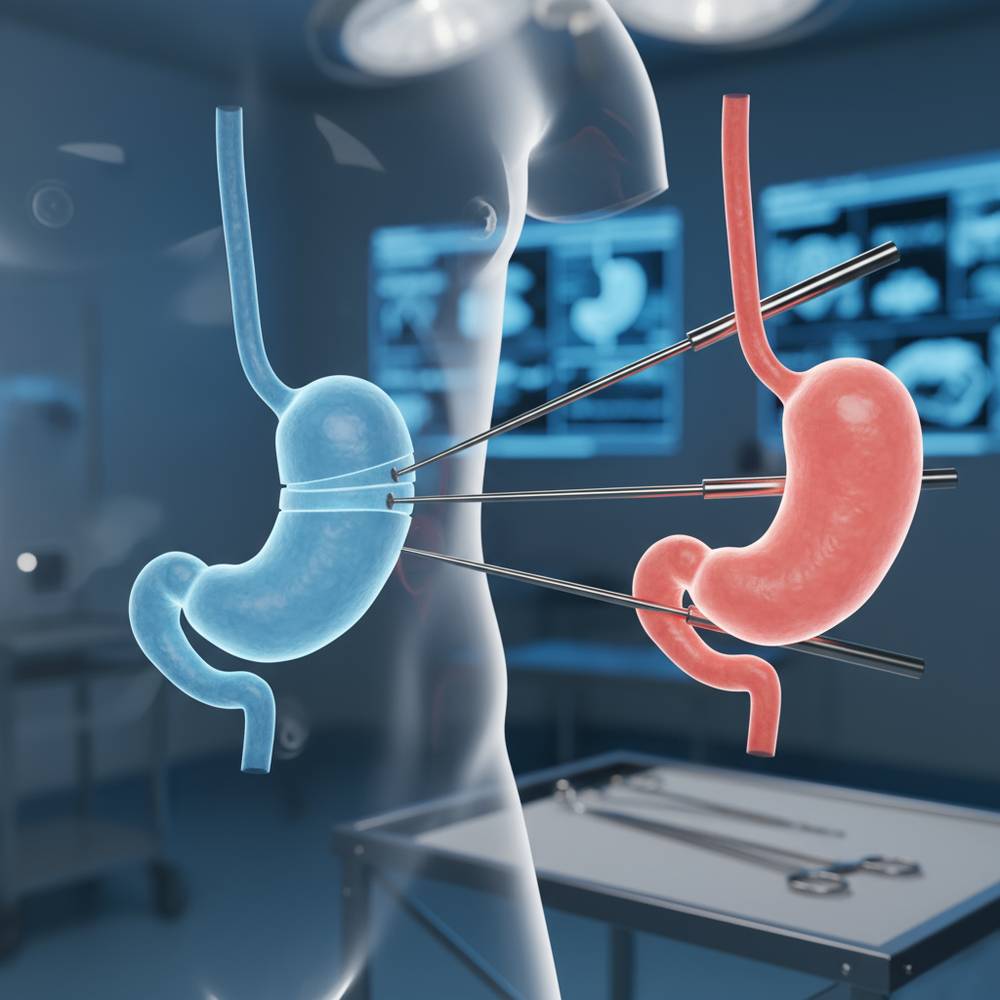
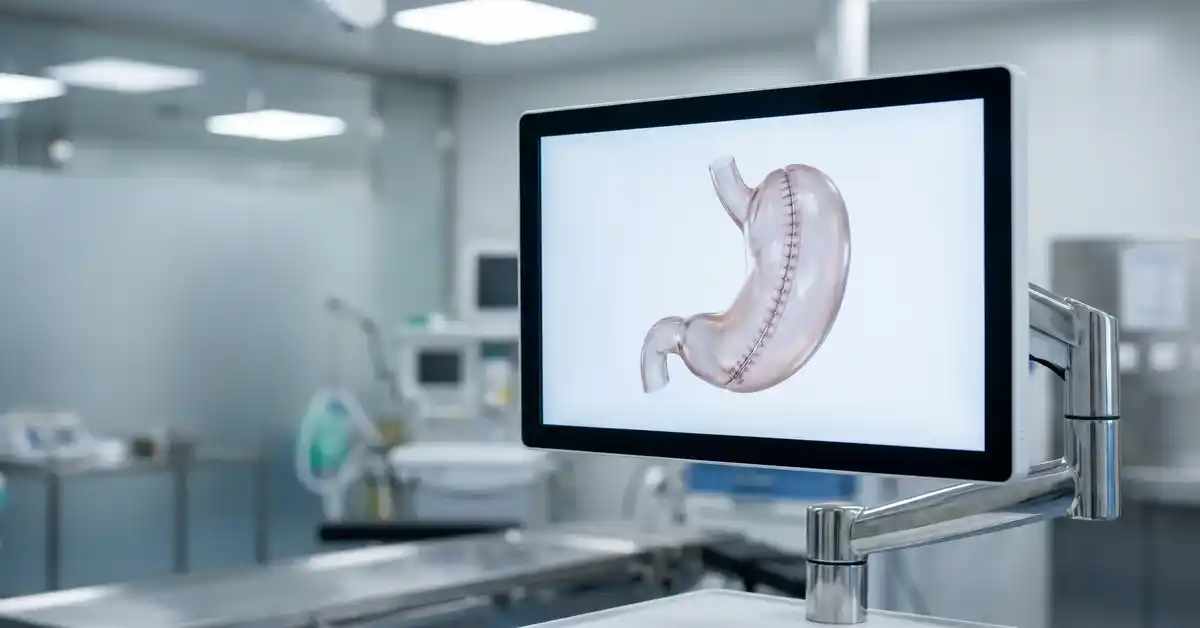
The primary draw of the procedure is its impressive sleeve gastrectomy success rate. On average, patients can expect to lose between 60% and 70% of their excess body weight within the first 12 to 18 months following surgery. This rapid weight loss is achieved through two main mechanisms: restriction and hormonal changes. The surgery removes approximately 80% of the stomach, drastically limiting the amount of food that can be consumed. Simultaneously, the removal of the stomach fundus significantly reduces the production of ghrelin, the hormone responsible for stimulating hunger, making it much easier for patients to adhere to smaller portions.
Metabolic and health benefits
The sleeve gastrectomy benefits extend far beyond the scale. The metabolic improvements are often immediate and life-saving. Many patients with Type 2 diabetes leave the hospital with normal blood sugar levels, even before significant weight loss has occurred. Cardiovascular health improves dramatically as blood pressure normalizes and cholesterol profiles shift to healthier ratios. Furthermore, the reduction in physical weight alleviates the immense strain on weight-bearing joints, resolving chronic pain and allowing patients to engage in physical activities they had long abandoned. Fertility issues related to obesity, such as Polycystic Ovary Syndrome (PCOS), also frequently improve.

Sleeve gastrectomy risk factors
While highly effective, it is crucial to approach the surgery with a clear understanding of the potential risks and complications involved.
Surgical Drawbacks
Immediate sleeve gastrectomy drawbacks are similar to those of any major abdominal surgery. These include the risk of adverse reactions to general anesthesia, internal bleeding, and infection at the incision sites. The most specific and feared surgical complication is a staple line leak, where stomach fluids escape into the abdominal cavity. Though rare when performed by experienced surgeons, a leak requires immediate emergency intervention. Deep vein thrombosis (blood clots in the legs) is also a risk, which is why patients are encouraged to walk as soon as possible after waking up from surgery.
Long-term effects of sleeve gastrectomy
When considering the long term effects of sleeve gastrectomy, patients must be aware of potential ongoing challenges. The most common long-term drawback is the development or worsening of Gastroesophageal Reflux Disease (GERD) or severe heartburn, which may require daily medication. Because the stomach volume is permanently reduced, there is also a risk of nutritional deficiencies if the patient fails to take prescribed vitamin and mineral supplements. Additionally, if dietary guidelines are ignored over the years, the remaining stomach pouch can stretch, leading to weight regain.
Read about: How to Choose the Best Sleeve Gastrectomy Surgeon
Sleeve gastrectomy vs gastric bypass
Patients exploring bariatric surgery often find themselves comparing sleeve gastrectomy vs gastric bypass to determine which procedure best suits their medical profile.
Comparing weight loss
Both procedures yield excellent weight loss results, but gastric bypass generally results in slightly faster and overall greater weight loss. This is because gastric bypass combines restriction (a smaller stomach pouch) with malabsorption (rerouting the intestines so fewer calories are absorbed). However, the sleeve gastrectomy offers a more natural digestive process, as the intestines are not altered, making it a highly effective and slightly less complex option for the majority of patients.
Recovery and complication differences
The choice between the two often comes down to specific medical conditions and the risk profile. The following table highlights the key differences:
| Feature | Sleeve Gastrectomy | Gastric Bypass (Roux-en-Y) |
|---|---|---|
| Mechanism | Restriction and hormonal changes | Restriction, hormonal changes, and malabsorption |
| GERD Impact | May cause or worsen acid reflux | Highly effective at curing severe acid reflux |
| Dumping Syndrome | Rare | Common if high-sugar/high-fat foods are consumed |
| Nutritional Deficiencies | Moderate risk; requires basic supplementation | High risk; requires strict, lifelong complex supplementation |
Pre-sleeve gastrectomy preparation
Success in the operating room begins weeks before the actual surgery date through dedicated preparation.
Diet and lifestyle before surgery
The pre sleeve gastrectomy preparation phase is heavily focused on dietary changes. Patients are typically placed on a high-protein, low-carbohydrate, and low-fat diet. This regimen is specifically designed to reduce the size of the liver, which naturally sits over the stomach. A smaller, less fatty liver makes the laparoscopic surgery significantly safer and gives the surgeon better visibility and access. During this time, patients are also encouraged to start practicing mindful eating habits, such as chewing food thoroughly and separating eating from drinking.
psychological readiness and counseling
Mental preparation is just as vital as physical readiness. Psychological counseling helps patients identify emotional eating triggers and develop healthier coping mechanisms for stress. Understanding that food can no longer be used as a primary source of comfort is a profound shift. Counseling also sets realistic expectations regarding the speed of weight loss, the challenges of the post-operative diet, and the emotional fluctuations that often accompany rapid physical changes.
Read about: Best Sleeve Gastrectomy Surgeon in Istanbul: How to Choose
Post-sleeve gastrectomy recovery
The immediate weeks following surgery are a period of healing, adaptation, and strict adherence to medical guidelines.
Post-sleeve gastrectomy diet
The post sleeve gastrectomy diet is introduced in carefully managed phases to allow the stomach staple line to heal without stretching or tearing. Phase one consists entirely of clear liquids (water, broth, sugar-free gelatin) for the first few days. Phase two introduces full liquids, such as protein shakes and smooth soups. By weeks three and four, patients transition to pureed and soft foods. Finally, around the one-month mark, solid foods are gradually reintroduced. Throughout all phases, prioritizing protein intake and staying hydrated are the most critical rules to prevent muscle loss and dehydration.
Follow-up and monitoring guidelines
A successful post sleeve gastrectomy recovery relies heavily on consistent medical follow-up. Patients are required to attend regular check-ups with their surgeon and a bariatric dietitian. These appointments are crucial for monitoring weight loss progress, adjusting dietary plans, and screening for potential nutritional deficiencies through routine blood tests. Patients must commit to taking specific bariatric multivitamins, calcium, and B12 supplements daily to maintain optimal health as their food intake remains restricted.
Read about: Preventing Complications After Sleeve Gastrectomy Surgery
Long-term effects of sleeve gastrectomy
Bariatric surgery is a lifelong commitment, and understanding the long-term landscape is essential for sustained success.
Sustained weight management
The most positive among the long term effects of sleeve gastrectomy is the ability to maintain a healthy weight for years to come. However, this sustained success is entirely dependent on the patient's lifestyle choices. The surgery provides a powerful tool for portion control, but it cannot prevent a patient from consuming high-calorie liquids or constantly grazing on unhealthy snacks. Regular physical activity, mindful eating, and continuous engagement with support groups or nutritional counseling are the true drivers of permanent weight management.
Late complications and quality of life
While the vast majority of patients report a massive improvement in their overall quality of life, late complications can occur. As mentioned, severe acid reflux may develop, requiring medical management. Some patients may experience loose skin as a result of rapid weight loss, which can cause physical discomfort and body image issues, sometimes necessitating body contouring surgery later on. Despite these potential challenges, the overwhelming consensus among patients is that the profound health benefits, increased energy, and extended lifespan far outweigh the drawbacks.
Read about: Gastric Sleeve Cost: Turkey vs USA
Conclusion
Deciding to undergo bariatric surgery is a monumental step toward reclaiming your health, and understanding whether is sleeve gastrectomy suitable for you is the foundation of that journey. By carefully evaluating the sleeve gastrectomy key indicators, committing to the rigorous pre sleeve gastrectomy preparation, and embracing the lifelong changes required for the post sleeve gastrectomy diet, you set the stage for a remarkable transformation. While the procedure carries inherent risks, the potential for sustained weight loss and the resolution of severe chronic diseases make it a life-saving option for many.
At Safemedigo, we are dedicated to guiding you through every phase of your medical tourism journey, connecting you with elite surgeons and comprehensive care plans tailored to your unique needs. Discover how our expert team can support your path to a healthier, more vibrant life today.
FAQ: Is Sleeve Gastrectomy Suitable for You? Key Indicators to Know
What is the minimum BMI requirement for sleeve gastrectomy?
The standard sleeve gastrectomy BMI requirement is 40 or higher. However, if you have a BMI between 35 and 39.9 and suffer from obesity-related health conditions like Type 2 diabetes, sleep apnea, or severe hypertension, you are generally considered eligible. In some specific cases involving severe metabolic disease, a BMI of 30 may be considered.
Can my stomach stretch back to its original size after surgery?
While the stomach will never return to its original, pre-surgery size, the remaining pouch can stretch over time if you consistently overeat or ignore dietary guidelines. Adhering to the post sleeve gastrectomy diet and practicing portion control are essential to prevent stretching and subsequent weight regain.
Will I need to take vitamins forever after a sleeve gastrectomy?
Yes, taking daily nutritional supplements is a lifelong commitment. Because the volume of food you can consume is drastically reduced, it is very difficult to get all necessary nutrients from diet alone. You will need specific bariatric multivitamins, calcium, iron, and vitamin B12 to prevent serious long-term deficiencies.
How does sleeve gastrectomy compare to gastric bypass for acid reflux?
When comparing sleeve gastrectomy vs gastric bypass, acid reflux is a major deciding factor. Sleeve gastrectomy can sometimes cause or worsen Gastroesophageal Reflux Disease (GERD). Conversely, gastric bypass is highly effective at curing severe acid reflux. If you already suffer from severe GERD, your surgeon may recommend a bypass instead.
How long does the post-sleeve gastrectomy recovery take?
Most patients spend 1 to 2 nights in the hospital and can return to desk work within 1 to 2 weeks. However, the full post sleeve gastrectomy recovery, including the transition back to solid foods and the healing of the internal staple line, takes about 4 to 6 weeks. Strenuous exercise should be avoided until cleared by your surgeon.