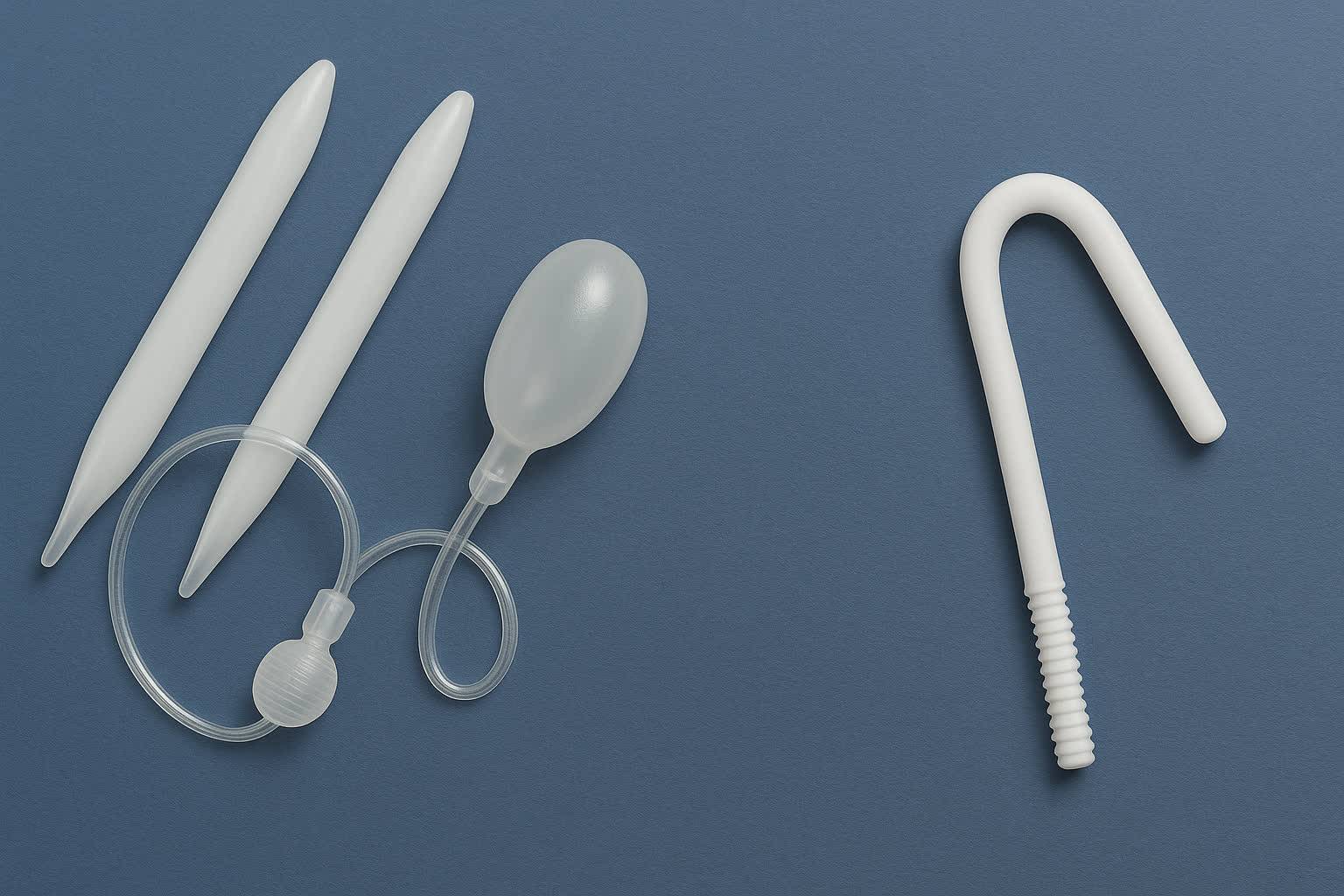






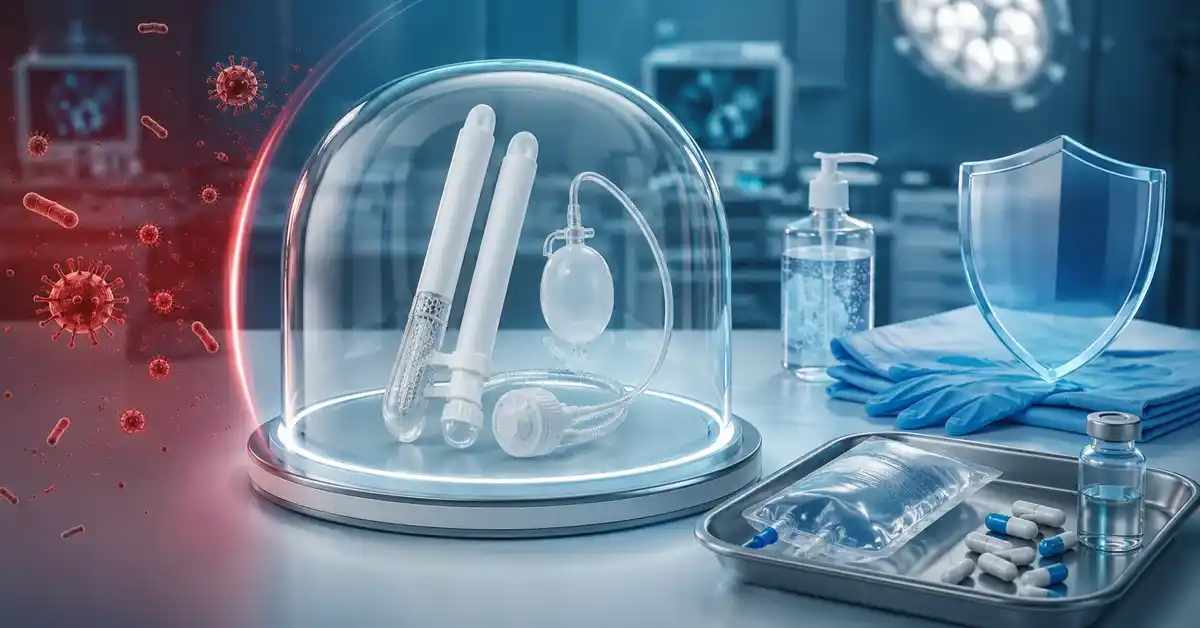
Penile implant infection is uncommon, but it is one of the most important complications after penile prosthesis surgery. A penile implant is a medical device placed inside the body, and when bacteria reach the surface of the device, treatment may become more complex than treating a simple skin infection. Patients should know the warning signs, follow prevention instructions, and contact their surgeon quickly if unusual symptoms appear.
Penile implant surgery can be an effective long-term solution for erectile dysfunction when medications or injections fail or are unsuitable. However, success depends not only on implant type, but also on surgeon experience, sterilization, diabetes control, infection prevention, and careful follow-up after surgery. If infection occurs, treatment may need to be fast, and in some cases the implant may need removal or replacement through a salvage procedure.
It is important to understand that mild pain and swelling can be normal in the early recovery period. However, worsening pain, severe redness, discharge, fever, or an abnormal-looking wound should not be ignored.
What Is Penile Implant Infection?
Penile implant infection means bacterial or microbial infection around the implanted device or within the tissues of the penis or scrotum after surgery. It may appear early during the first weeks after surgery, or later after months or years, especially if tissue erosion or another infection occurs.
Infection is different from normal postoperative inflammation. After surgery, some pain, swelling, and bruising are expected. Infection is more concerning when symptoms worsen instead of improving or when signs such as pus, fever, or severe redness appear.
Why Is Infection Important?
Infection around an implanted device is more serious than a simple superficial infection because bacteria may attach to the implant surface and form a biofilm. This can make treatment with antibiotics alone less effective. A doctor must evaluate whether the infection is superficial or deep around the device.
Infection can lead to:
- Severe pain.
- Increasing swelling.
- Delayed wound healing.
- Discharge from the wound.
- Skin erosion over the implant.
- Device failure.
- Need for implant removal.
- Need for salvage surgery.
- Fibrosis that may complicate future surgery.
- Emotional distress.
This is why suspicious symptoms after surgery should be taken seriously.
Is Infection Common After Penile Implant Surgery?
Penile implant infection is not common in specialized centers, but it remains a known complication. The risk is lower when surgery is performed in a well-equipped setting with strong sterilization protocols, appropriate antibiotics, careful patient selection, and control of chronic diseases before surgery.
The risk may be higher in certain patients, such as men with poorly controlled diabetes, smokers, patients with immune weakness, previous surgeries, or severe fibrosis. Each case should be assessed individually.
Read about: Types of Penile Implants: Pros and Cons of Each Type
Symptoms of Penile Implant Infection
Symptoms vary depending on timing and severity. Early infection often appears within days or weeks after surgery. Late infection may be less obvious at first and may appear as persistent pain, skin changes, or wound problems.
The key point is that symptoms should gradually improve after surgery. Symptoms that worsen over time need medical review.
Early Symptoms After Surgery
Early infection may show clear signs around the incision, scrotum, or implant. The patient may feel that the pain is different from normal surgical discomfort or that swelling is increasing rather than improving.
Warning symptoms include:
- Severe or increasing pain.
- Marked redness around the wound.
- Swelling that worsens over time.
- Warm skin.
- Pus or discharge.
- Unusual wound odor.
- Wound opening.
- Fever or chills.
- Severe scrotal pain.
- Severe difficulty urinating.
- Feeling generally unwell.
- Pain not improving with medication.
One symptom does not always mean deep infection, but it should prompt contact with the doctor.
Late Symptoms
Late infection may appear after a period of recovery and may be related to tissue erosion, weak skin, or infection elsewhere in the body. It may start subtly and worsen over time.
Late symptoms may include:
- New pain after previous improvement.
- Pain when using the implant.
- Recurrent swelling.
- Redness around the pump or cylinders.
- Skin color changes.
- Device parts becoming visible under the skin.
- Discharge from a small opening.
- Difficulty using the implant because of pain.
- Persistent discomfort.
- Recurrent skin inflammation.
- Wound that does not heal.
- Unexplained fever.
Any new change after a stable period should be reviewed by a doctor.
Read about: Types of Penile Implants and Benefits of Flexible Devices
Normal Pain vs Infection
After penile implant surgery, pain, swelling, and bruising are expected during recovery. This does not automatically mean infection. Normal pain should gradually improve, while infection-related pain often worsens or comes with other signs such as severe redness, discharge, or fever.
Knowing the difference helps patients avoid both unnecessary panic and dangerous delay.
What Can Be Normal?
During the first days after surgery, some symptoms may be expected because of the procedure itself. These symptoms usually improve with rest, medication, and follow-up.
Possible normal symptoms include:
- Mild to moderate pain.
- Limited swelling.
- Bruising in the penis or scrotum.
- Tightness.
- Mild difficulty moving.
- Tenderness near the incision.
- Discomfort while sitting at first.
- Gradual improvement day by day.
- Inability to use the implant before activation.
- Mild discomfort from the pump.
Even normal symptoms should be monitored according to medical instructions.
What Should Raise Concern?
Symptoms that worsen or appear suddenly should not be ignored. Discharge, fever, or spreading redness may suggest infection and require medical evaluation.
Concerning signs include:
- Pain that increases instead of decreasing.
- Spreading redness.
- Severe or sudden swelling.
- Pus discharge.
- Fever.
- Chills.
- Wound opening.
- Bad odor.
- Severe tenderness.
- Skin color change.
- Device erosion through the skin.
- Severe urination difficulty.
Patients should not wait or take antibiotics without medical assessment.
Read about: Hydraulic Penile Implant vs Flexible: Which Offers Better Control
Risk Factors for Infection
Not every patient has the same infection risk. Some factors make prevention especially important, including poorly controlled diabetes, smoking, obesity, immune suppression, urinary infection, or previous surgery in the area. Identifying risk factors helps the doctor prepare properly.
Risk reduction begins before surgery.
Patient-Related Risk Factors
Some medical conditions may increase infection risk or delay wound healing. The doctor should know all diseases and medications before surgery.
Factors that may increase risk include:
- Poorly controlled diabetes.
- High HbA1c.
- Smoking.
- Obesity.
- Immune weakness.
- Immunosuppressive medications.
- Active urinary infection.
- Skin infections.
- Poor nutrition.
- Unstable chronic disease.
- Poor adherence to instructions.
- Poor wound hygiene.
Improving these factors before surgery can reduce complications.
Surgery-Related Factors
Surgical factors are essential in infection prevention. Surgeon experience, operation time, sterilization, implant type, and techniques that reduce implant contact with skin all affect safety.
Important surgical factors include:
- Surgeon experience with penile implants.
- Operating room environment.
- Appropriate antibiotics.
- Proper skin preparation.
- Efficient surgery time.
- Antibiotic-coated devices when suitable.
- No-touch or reduced-touch techniques.
- Changing gloves and instruments when needed.
- Irrigation before wound closure.
- Proper wound closure.
- Postoperative wound follow-up.
- Patient education on warning signs.
Choosing a well-equipped center lowers risk and improves management if infection occurs.
Read about: Latest Controllable Penile Implants: Features and Benefits
Prevention of Penile Implant Infection
Prevention is the most important part of penile implant infection care. Once a deep infection develops around the device, treatment becomes more difficult. Prevention should begin before surgery and continue throughout recovery.
It is not a single step, but a complete safety process.
Before Surgery
Before surgery, doctors should make sure there is no active infection, especially urinary tract infection or skin infection. Diabetes, blood pressure, and medications affecting bleeding or immunity should also be reviewed.
Important steps before surgery include:
- Urine testing when needed.
- Treating urinary infection.
- Treating skin infection.
- Controlling diabetes.
- Reviewing HbA1c.
- Stopping smoking when possible.
- Reviewing blood thinners.
- Reporting all medications.
- Showering according to clinic instructions.
- Avoiding random shaving of the area.
- Following fasting and anesthesia instructions.
- Choosing an experienced surgeon and center.
Surgery should generally not be performed in the presence of active infection unless the medical team has a specific reason.
During and After Surgery
During surgery, the medical team applies infection-prevention protocols. After surgery, the patient’s role becomes very important in wound care and avoiding contamination.
After surgery, patients should:
- Take antibiotics only as prescribed.
- Avoid touching the wound with unclean hands.
- Keep the area dry as instructed.
- Avoid removing dressings without permission.
- Avoid sex until medical approval.
- Avoid using the implant before activation.
- Avoid swimming and public baths early.
- Attend follow-up visits.
- Report discharge or fever.
- Avoid smoking during recovery.
- Avoid random antibiotics.
- Follow movement and rest instructions.
These steps help protect the implant and surgical result.

Diagnosis of Penile Implant Infection
Diagnosis depends first on clinical examination, and the doctor may request tests or imaging depending on the case. Infection cannot always be diagnosed accurately through photos or description alone, especially when a device is implanted.
Early examination helps determine whether the problem is superficial or deep.
What Does the Doctor Do?
When infection is suspected, the doctor examines the wound, skin, scrotum, pump position, and pain around the cylinders. The doctor also asks about symptom timing, fever, discharge, chronic diseases, and medications.
Evaluation may include:
- Wound examination.
- Temperature measurement.
- Pain and swelling assessment.
- Blood tests when needed.
- Urine test.
- Culture from discharge if present.
- Ultrasound or imaging when needed.
- Implant function assessment.
- Evaluation for erosion.
- Blood sugar review.
- Review of implant type and surgery date.
- Decision whether infection is superficial or deep.
Patients should not press on the wound or try to open it themselves.
Does Every Redness Mean Infection?
No. Mild redness may be part of wound healing, especially in the first days after surgery. However, redness that spreads or is associated with worsening pain, discharge, or fever is more concerning.
The doctor differentiates between:
- Limited superficial inflammation.
- Skin irritation.
- Hematoma.
- Normal swelling.
- Dressing allergy.
- Deep device infection.
- Skin erosion.
- Wound problem.
- Associated urinary infection.
- Other complications.
Self-assessment is not enough when symptoms are suspicious.
Read about: Penile Implant Surgery Success Rates: What Patients Should Expect
Treatment of Penile Implant Infection
Treatment depends on severity, timing, and whether infection is superficial or deep around the device. Some mild superficial cases may be treated with monitoring, antibiotics, and local wound care. Deep infection around the implant often requires surgery.
Early treatment can preserve tissue and reduce fibrosis and complications.
Antibiotic Treatment
Antibiotics are important, but they are not always enough if infection surrounds the implant itself. When bacteria attach to the device, antibiotics may have difficulty eliminating them completely. The doctor decides whether medical treatment is enough or surgery is needed.
Antibiotics may be used for:
- Limited superficial infection.
- Mild redness without deep signs.
- After culture when needed.
- Preparation for surgery.
- After device removal or replacement.
- According to the bacteria type.
- According to immune status.
- Based on surgeon assessment.
Patients should not start or change antibiotics without medical instructions, because this may hide symptoms and delay diagnosis.
Device Removal or Salvage Surgery
In deep infection, the implant may need complete removal. In selected cases, salvage surgery may be possible. This means removing the infected device, thoroughly cleaning the area, and placing a new implant during the same operation or after a short delay depending on the case and center experience.
Options may include:
- Removing the implant and delaying replacement.
- Removing the implant with extensive washout.
- Immediate salvage surgery.
- Temporary malleable implant in selected cases.
- Reimplantation later after healing.
- Antibiotics after surgery.
- Close wound follow-up.
- Control of diabetes and risk factors.
- Psychological support.
- Plan to reduce fibrosis.
The best plan depends on infection severity, tissue condition, implant type, patient health, and surgeon experience.
Read about: Post-Surgery Penile Implant Rehab: Tips for Restoring Healthy Intimacy
What Happens if Infection Treatment Is Delayed?
Delaying infection treatment can make the condition more complex. Deep infection may lead to skin erosion, device exposure, severe fibrosis, chronic pain, or more difficult reimplantation later. Patients should not wait when warning signs appear.
Early treatment is usually better than ignoring the problem or self-treating.
Complications of Delay
Delay may lead to:
- Spread of infection.
- Skin erosion.
- Device exposure.
- Increasing pain.
- Abscess formation.
- Tissue damage.
- Penile fibrosis.
- Difficult reimplantation.
- Functional shortening due to scarring.
- Need for larger surgery.
- Longer recovery.
- Emotional distress.
The earlier the condition is managed, the better the chance of control.
Why Antibiotics Alone May Not Be Enough
Some patients believe that a strong antibiotic can solve the problem. However, infections involving implanted devices can be protected on the device surface, making antibiotics alone insufficient in deep infections.
Relying only on antibiotics may cause:
- Temporary improvement only.
- Delay in needed surgery.
- Difficulty identifying the bacteria.
- Antibiotic resistance.
- Persistent infection around the device.
- Later skin erosion.
- More fibrosis.
- More difficult salvage surgery.
Treatment should be supervised by an experienced surgeon.
Read about: Penile Implant Cost in Turkey and Financing Options
Care After Infection Treatment
After treatment, careful follow-up is needed. If the implant was removed, the doctor may plan future reimplantation. If salvage surgery was performed, the wound and new device must be monitored closely.
Post-treatment care is as important as the treatment itself.
Medical Follow-Up
Follow-up confirms that infection has cleared and the wound is healing well. It also helps detect early problems.
Follow-up may include:
- Wound examination.
- Pain and swelling assessment.
- Culture result review.
- Antibiotic adjustment if needed.
- Blood sugar monitoring.
- Skin-healing assessment.
- Hygiene instructions.
- Timing for implant use.
- Device function follow-up.
- Reimplantation planning if the device was removed.
Patients should attend follow-up even if they feel better.
Psychological and Sexual Support
Implant infection can be emotionally distressing, especially if device removal or delayed sexual activity is needed. Patients should receive clear explanations and support from the medical team.
Support may include:
- Clear explanation of the plan.
- Reassurance without unrealistic promises.
- Discussion of reimplantation options.
- Realistic expectations after treatment.
- Partner involvement if desired.
- Managing anxiety and fear.
- Organized follow-up.
- Timing for return to sex.
- Clear communication channel.
- Respect for privacy.
Emotional recovery is part of overall recovery.
Read about: Penis Implants: Cost Types Turkey vs USA
How to Choose a Center That Reduces Infection Risk
The choice of center and surgeon plays a major role in prevention. The operation should be performed in a setting experienced with penile implants, with clear sterilization protocols, appropriate anesthesia support, and postoperative follow-up. Price alone is not enough to judge quality.
A good center explains risks openly and gives clear instructions before and after surgery.
Questions Before Surgery
Before surgery, ask the doctor:
- What is your experience with penile implants?
- Which implant type is best for my case?
- How do you reduce infection risk?
- Will urine be checked before surgery?
- Should my diabetes be controlled first?
- What antibiotics are used?
- Is there a special sterilization protocol?
- What should I do if discharge appears?
- When is my follow-up visit?
- When can I use the implant?
- What is the plan if infection occurs?
- Is there a postoperative follow-up team?
Clear answers show that the team takes safety seriously.
Signs of a Quality Center
Signs of a good center include:
- Medical evaluation before surgery.
- Attention to diabetes and infections.
- Clear explanation of risks.
- Well-equipped operating room.
- Surgeon experienced in implants.
- Written instructions.
- Postoperative follow-up.
- Fast communication for emergencies.
- No unrealistic promises.
- Transparency about implant type and cost.
- Respect for privacy.
- Clear recovery plan.
These factors may matter more than price comparison alone.
Read about: Hydraulic Implants: Turkey vs Germany
Conclusion
Penile implant infection is uncommon but important. Patients should recognize early symptoms and respond quickly to unusual signs. Mild pain and limited swelling may be normal after surgery, but increasing pain, severe redness, fever, discharge, wound opening, or device exposure require immediate medical review.
Prevention begins before surgery by treating any infection, controlling diabetes, choosing an experienced surgeon, and following sterilization protocols. After surgery, the patient plays an important role in wound care, medication adherence, and avoiding implant use before activation. If deep infection occurs, antibiotics alone may not be enough, and implant removal or salvage surgery may be required depending on the case.
Frequently Asked Questions: Penile Implant Infection
What are the main symptoms of penile implant infection?
Main symptoms include increasing pain, severe redness, swelling, pus or discharge, fever, wound opening, or device parts becoming visible under the skin.
Can implant infection be treated with antibiotics only?
Mild superficial infection may respond to antibiotics, but deep infection around the device often needs surgery. Antibiotics alone may not be enough.
When can infection appear after penile implant surgery?
It may appear early within days or weeks after surgery, or later after months or years, especially with erosion or recurrent infection.
Does diabetes increase infection risk?
Yes, especially if blood sugar is poorly controlled. Diabetes and HbA1c should be optimized before surgery when possible.
Can a new implant be placed after infection?
Yes. Many patients can have reimplantation later, and selected cases may undergo salvage surgery depending on infection severity, tissue condition, and surgeon experience.