





Erectile dysfunction in young men under 40 can be emotionally and physically distressing. At this age, many men expect sexual function to be stable, so persistent erection problems can cause anxiety, relationship stress, and loss of confidence. When pills, injections, or other treatments fail, some patients begin asking whether a penile implant is a suitable option.
A penile implant is not a decision based on age alone. It depends on the cause of erectile dysfunction, severity, duration, response to previous treatments, psychological readiness, relationship expectations, medical risk factors, and whether the patient fully understands the nature of the surgery.
For some young men under 40, a penile implant can be appropriate. For others, it may be too early, especially if the cause is psychological, hormonal, temporary, or treatable. A careful medical and sexual evaluation is essential before considering a long-term surgical solution.
What Is a Penile Implant?
A penile implant is a medical device surgically placed inside the erectile chambers of the penis to create rigidity suitable for sexual intercourse. It does not increase sexual desire, does not treat ejaculation problems, does not improve fertility, and does not increase sperm production. Its main function is to provide mechanical firmness when natural erections are not sufficient.
Penile implants are usually considered for severe or long-term erectile dysfunction when less invasive treatments fail or are not suitable. In younger patients, the decision requires especially careful counseling because the device may need to serve the patient for many years and may require future revision.
How Does a Penile Implant Work?
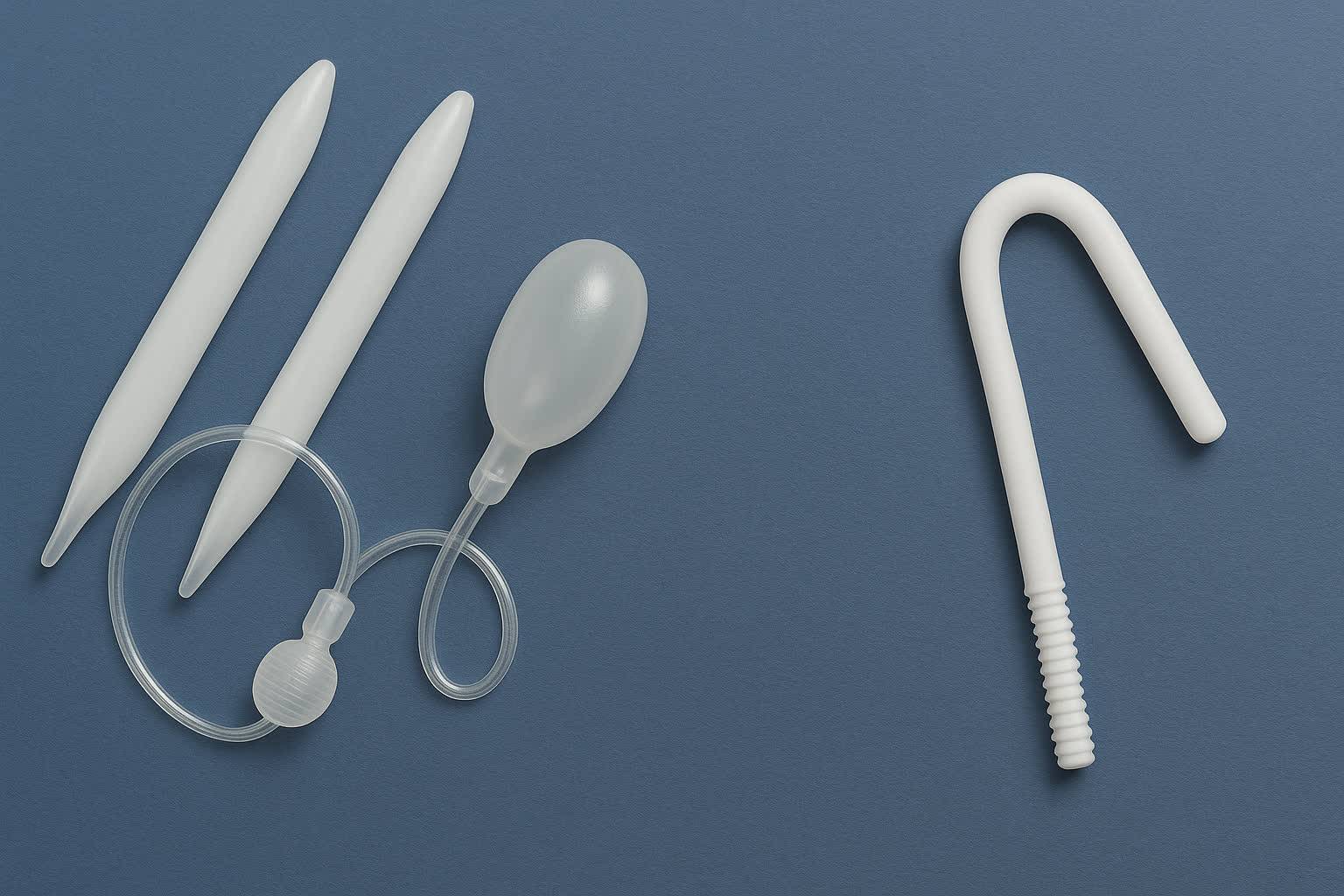
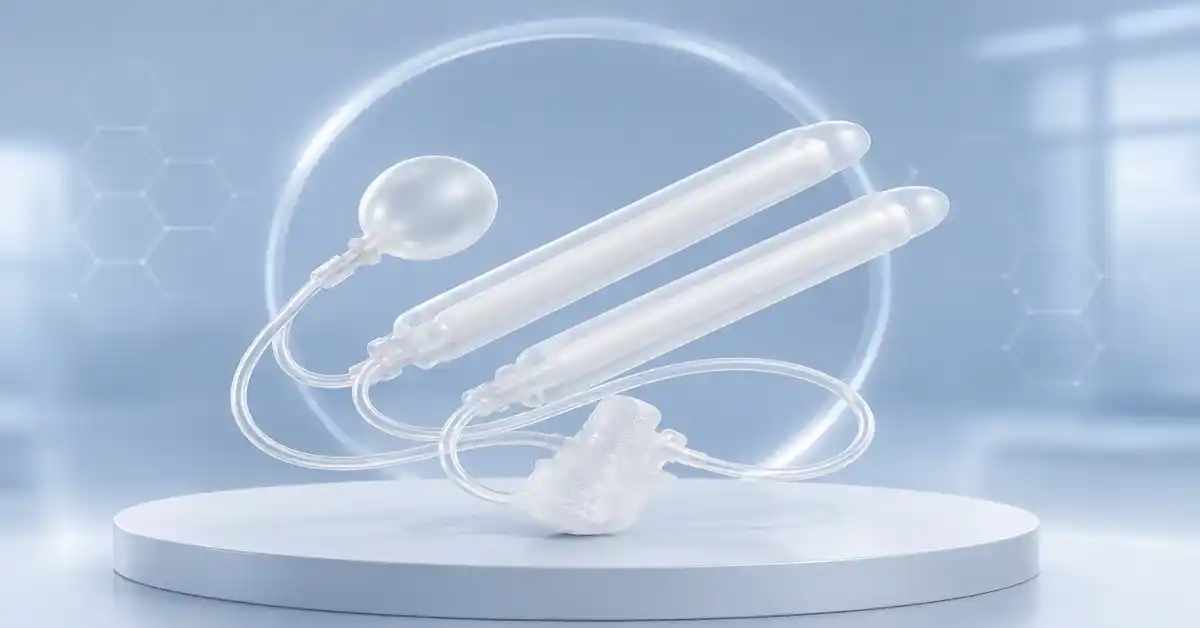
A penile implant works by providing internal support inside the penis. A malleable implant is manually positioned upward for intercourse and downward for concealment. An inflatable implant uses a small pump placed inside the scrotum to move fluid into cylinders inside the penis, creating firmness when needed.
Important points:
- It does not increase libido.
- It does not treat low testosterone.
- It does not treat ejaculation problems.
- It does not improve fertility.
- It does not guarantee increased penile length.
- It requires surgical recovery.
- It requires training for use.
- It may need replacement in the future.
- It has surgical risks.
A patient should understand these facts before choosing surgery.
Types of Penile Implants
The main types of penile implants include malleable and inflatable devices. Inflatable implants may be two-piece or three-piece systems. The choice depends on anatomy, expectations, hand function, lifestyle, cost, and surgeon recommendation.
Common types include:
- Malleable or semi-rigid implant.
- Two-piece inflatable implant.
- Three-piece inflatable implant.
- Special implants for fibrosis or Peyronie’s disease.
Malleable implants are simpler and easier to use, but may be less natural in concealment. Inflatable implants offer a more natural flaccid and erect state, but contain mechanical parts that may fail over time.
Read about: Types of Penile Implants and Benefits of Flexible Devices
Is a Penile Implant Suitable for Men Under 40?
A penile implant can be suitable for selected men under 40, but it is not the first choice for every young man with erectile dysfunction. Young age does not prevent implant surgery, but it makes the decision more sensitive because the patient may live with the device for decades and may need revision in the future.
The decision should be based on a clear diagnosis, failed conservative treatments, realistic expectations, and emotional readiness. If the cause is mainly psychological, temporary, or treatable, surgery may not be appropriate as an early step.
When Can Young Men Consider an Implant?
Young men may consider a penile implant when erectile dysfunction is severe, persistent, medically confirmed, and has not improved with other suitable treatments. This may happen after pelvic trauma, nerve injury, severe vascular disease, penile fibrosis, Peyronie’s disease, diabetes-related ED, or failed long-term medical treatment.
Situations where an implant may be discussed include:
- Failure of oral medications.
- Failure or intolerance of penile injections.
- Severe organic erectile dysfunction.
- Pelvic or nerve injury.
- Severe penile fibrosis.
- Peyronie’s disease with ED.
- Diabetes-related severe ED.
- Long-term treatment failure.
- Major impact on marriage or relationship.
- Realistic understanding of surgery.
In these cases, an implant may provide reliable rigidity and reduce repeated treatment frustration.
When Is an Implant Not the First Option?
A penile implant is usually not the first option if erectile dysfunction is recent, inconsistent, related to performance anxiety, occurs only in certain situations, or has not been properly evaluated. It should not be used as a cosmetic enlargement procedure.
Caution is needed when there is:
- Clear performance anxiety.
- Mainly psychological ED.
- Unstable relationship concerns.
- Unrealistic expectations.
- Desire for size increase only.
- No proper trial of medication.
- No hormone evaluation.
- No cardiovascular risk assessment.
- Active infection.
- Poorly controlled diabetes.
- Lack of emotional readiness.
In these cases, psychological therapy, lifestyle change, hormone treatment, medication, or relationship counseling may be more appropriate first.
Read about: Hydraulic Penile Implant vs Flexible: Which Offers Better Control
Causes of Erectile Dysfunction in Young Men
Erectile dysfunction in young men can be psychological, organic, or mixed. It is wrong to assume that all young men have only psychological ED, but it is also wrong to move directly to surgery without proper evaluation.
In younger men, erectile dysfunction can sometimes be an early sign of diabetes, high blood pressure, abnormal cholesterol, low testosterone, vascular disease, medication effects, or substance use. A complete evaluation can reveal treatable causes.
Psychological and Hormonal Causes
Psychological causes are common in younger patients. They may appear as inconsistent erections, normal morning erections, or difficulty only in specific situations. Hormonal problems can also affect sexual desire and erectile function.
Possible causes include:
- Performance anxiety.
- Chronic stress.
- Depression.
- Relationship problems.
- Fear of failure.
- Low testosterone.
- High prolactin.
- Thyroid disorders.
- Poor sleep.
- Some psychiatric medications.
- Substance or pornography-related issues in some cases.
These factors may improve with proper treatment, so they should not be ignored before considering an implant.
Organic and Vascular Causes
Organic causes may be more consistent and may include reduced morning erections or poor response to medication. In young men, organic ED can be related to trauma, surgery, chronic disease, or vascular abnormalities.
Possible causes include:
- Diabetes.
- High blood pressure.
- High cholesterol.
- Smoking.
- Pelvic injury.
- Spinal cord injury.
- Pelvic surgery.
- Peyronie’s disease.
- Tissue fibrosis.
- Severe venous leak.
- Focal arterial blockage.
- Neurological disease.
In selected young men with focal penile arterial blockage and no generalized vascular disease, other vascular procedures may be discussed, but this applies only to very specific cases.
Read about: Latest Controllable Penile Implants: Features and Benefits
Tests Needed Before Choosing an Implant
Before choosing a penile implant, young men should undergo a careful medical and sexual evaluation. The goal is to confirm the diagnosis, identify treatable causes, review less invasive options, and reduce surgical risk.
This evaluation protects the patient from choosing surgery too early and helps the doctor select the best implant type if surgery is appropriate.
Full Medical and Sexual Evaluation
The evaluation begins with questions about onset, duration, morning erections, medication response, sexual desire, relationship factors, medical conditions, medication use, smoking, surgeries, injuries, and previous treatments.
Evaluation may include:
- Full medical and sexual history.
- Physical examination.
- Hormone testing.
- Blood sugar and HbA1c.
- Lipid profile.
- Blood pressure assessment.
- Cardiac evaluation when needed.
- Penile examination for fibrosis or curvature.
- Urine testing if infection is suspected.
- Penile Doppler ultrasound in selected cases.
- Psychological or sex therapy assessment when needed.
These steps are especially important in young men because some causes are reversible or treatable.
Setting Realistic Expectations Before Surgery
Expectation counseling is as important as medical testing. Some patients believe the implant will restore everything exactly as before, increase size, increase desire, or solve relationship problems. These expectations are not realistic.
Patients should understand that an implant:
- Provides mechanical rigidity.
- Does not increase desire.
- Does not treat ejaculation.
- Does not improve fertility.
- May not increase length.
- Requires training.
- Requires surgery.
- Can malfunction or become infected.
- May need future replacement.
- Changes the nature of natural erections.
Realistic expectations are essential for satisfaction.
Read about: Penile Implant Surgery Success Rates: What Patients Should Expect
Treatments to Try Before a Penile Implant
In most young men, treatment begins with less invasive options. These may include lifestyle changes, treating the cause, oral medication, psychological therapy, penile injections, or vacuum erection devices. An implant is usually discussed when these options fail or are not suitable.
This does not mean delaying treatment forever. If the condition is clearly severe and organic, the pathway may move faster. But a structured approach helps avoid unnecessary surgery.
Medication and Behavioral Therapy
Oral medications such as PDE5 inhibitors can be effective for many young men, especially when there is no severe nerve or vascular damage. Behavioral or psychological therapy may be important when performance anxiety, stress, or depression is present.
Options before implant include:
- Better sleep.
- Stopping smoking.
- Weight reduction.
- Diabetes or blood pressure control.
- Treating low testosterone when confirmed.
- Erectile dysfunction medication.
- Sex therapy.
- Relationship counseling.
- Reducing alcohol or substance use.
- Exercise and lifestyle change.
If these steps improve erections, implant surgery may not be necessary.
Injections and Vacuum Devices
If oral medications fail, penile injections or vacuum erection devices can be discussed. These options are less invasive than surgery but require acceptance and consistency.
They may help in cases of:
- Moderate organic ED.
- Poor response to oral medication.
- Medication contraindications.
- Desire to avoid surgery.
- Need for a temporary or transitional solution.
- Testing satisfaction before a permanent decision.
Some young men do not accept injections or find them impractical. If these options fail or are not tolerated, an implant may become more reasonable.

Benefits of Penile Implants for Young Men
When properly selected, a penile implant can provide important benefits for a young man with severe, long-term erectile dysfunction. It offers a reliable solution that does not depend on medication timing or unpredictable response.
The benefit may be physical and emotional. It may improve confidence and relationship stability when expectations are realistic and the patient understands the surgery.
Restoring Sexual Intercourse Ability
The main benefit is reliable rigidity for sexual intercourse. In men who have failed other treatments, an implant may provide functional stability.
Potential benefits include:
- Dependable rigidity.
- Less fear of erection failure.
- Less dependence on medication.
- Better control over timing.
- Long-term functional solution.
- Improved confidence for some patients.
- Relationship support when communication is good.
- Clear option after failed treatments.
Satisfaction depends on surgical quality, training, and expectations.
Reducing Psychological Pressure From Repeated Failure
Repeated erection failure can create a cycle of fear, avoidance, and frustration. Even when the cause is organic, psychological stress can become significant. If the implant is appropriate, it may help break this cycle.
An implant may help reduce:
- Fear of failure.
- Performance anxiety linked to repeated failure.
- Relationship tension.
- Dependence on planned medication timing.
- Frustration after failed treatments.
- Loss of confidence.
However, if the main cause is psychological, therapy may be a better first step than surgery.
Read about: Post-Surgery Penile Implant Rehab: Tips for Restoring Healthy Intimacy
Risks and Disadvantages in Younger Patients
Despite its benefits, penile implant surgery has risks and must be considered carefully in younger patients. A young man may live long enough to need device replacement, revision surgery, or management of later complications.
The issue is not that young men cannot have implants. The issue is that patient selection and counseling must be especially careful.
Surgical Risks and Infection
Penile implant surgery carries risks like any operation. Infection is one of the most important complications because it may require implant removal. Other risks include pain, bleeding, swelling, erosion, mechanical failure, or need for revision surgery.
Possible risks include:
- Infection.
- Persistent pain.
- Bleeding or swelling.
- Tissue erosion.
- Mechanical failure.
- Sensation changes.
- Dissatisfaction with size or shape.
- Difficulty using the pump.
- Future replacement.
- Anesthesia complications.
- Scarring or fibrosis.
Some risks are higher with poorly controlled diabetes, smoking, immune weakness, or previous surgery.
Long-Term Decision and Future Replacement
A penile implant is a long-term solution, but it is not guaranteed for life. A man under 40 may need one or more replacements during his lifetime if the device fails, becomes infected, erodes, or no longer meets his needs.
Patients should understand:
- The device may need replacement.
- Revision surgery may be more complex.
- Infection can complicate future surgery.
- Natural erectile tissue changes after implantation.
- Returning to the previous state is not simple.
- The decision requires maturity.
- Follow-up is important if problems appear.
This does not mean young men should never have surgery. It means the decision should be made carefully.
Read about: Penile Implant Cost in Turkey and Financing Options
Which Implant Type Is Best for Young Men?
The best implant type depends on lifestyle, expectations, cost, hand function, anatomy, fibrosis, curvature, and desire for natural appearance. There is no single best implant for all young men.
Many young men prefer inflatable implants because they offer a more natural flaccid and erect state. However, malleable implants may be appropriate in selected situations because they are simpler and easier to use.
Inflatable Penile Implant for Young Men
A three-piece inflatable penile implant is often preferred by younger patients because it provides better control, more natural concealment, and good rigidity. It requires the ability to operate a scrotal pump and usually costs more than a malleable device.
It may suit patients who want:
- A more natural appearance.
- Better flaccidity after intercourse.
- Greater control.
- Strong rigidity.
- Easier concealment.
- Higher functional satisfaction in some cases.
However, patients must understand mechanical failure risk, training needs, and possible future replacement.
Malleable Penile Implant for Young Men
A malleable implant is mechanically simpler and easier to use, but the penis remains semi-rigid all the time. This can affect concealment and comfort, especially for younger and more active patients.
It may suit patients with:
- Difficulty using a pump.
- Preference for a simpler device.
- Lower budget.
- Specific medical needs.
- Severe fibrosis.
- Conditions unsuitable for inflatable implant.
- Desire to reduce mechanical complexity.
It may not be the preferred option for every young man because lifestyle, concealment, and natural appearance matter.
Read about: Penis Implants: Cost Types Turkey vs USA
Conclusion
A penile implant for young men under 40 can be a suitable option in selected cases of severe and persistent erectile dysfunction, especially when medications, injections, or less invasive treatments have failed. However, it is not the first solution for every young man with ED.
Before surgery, a full medical and sexual evaluation is necessary. Hormones, cardiovascular risk, diabetes, lifestyle, psychological causes, relationship factors, and previous treatment response should all be reviewed. Patients must also understand that the implant does not increase libido, fertility, ejaculation quality, or guaranteed length. It provides mechanical rigidity for intercourse.
Frequently Asked Questions: Penile Implant for Young Men Under 40
Can a man under 40 get a penile implant?
Yes. It may be appropriate in selected cases of severe, persistent erectile dysfunction after other treatments have failed.
Does a penile implant increase penis size?
No. A penile implant is not a penis enlargement procedure and may not restore the size the patient remembers before ED.
Does a penile implant affect fertility?
A penile implant does not treat fertility or sperm production. It is designed to provide erection rigidity only.
Can a penile implant be removed if the patient regrets it?
It can be surgically removed if necessary, but returning to the previous natural state is not simple. Careful decision-making is essential.
What is the best implant type for young men?
There is no single best type. Many younger men prefer inflatable implants, while malleable implants may suit selected cases.