





Erectile dysfunction is common among men with cardiovascular disease because erections depend on healthy blood flow to the penis. Any problem involving arteries, blood pressure, diabetes, cholesterol, or circulation may affect sexual function. For this reason, many heart patients ask whether penile implant surgery is safe, whether a coronary stent prevents the procedure, and whether blood thinners make surgery impossible.
The answer depends on the stability of the heart condition. A penile implant may be suitable for selected heart patients, especially when cardiovascular disease is stable, anesthesia risk is acceptable, sexual activity is considered safe, and blood-thinning medications can be managed carefully. However, the procedure may need to be delayed when the patient has unstable angina, advanced heart failure, serious arrhythmia, recent unstable heart attack, or uncontrolled blood pressure.
The decision should not be based on erectile dysfunction alone. It requires coordination between the urologist or andrologist, cardiologist, and anesthesiologist. The goal is to make sure the patient can tolerate surgery, anesthesia, recovery, and sexual activity after healing.
Relationship Between Erectile Dysfunction and Heart Disease
Erectile dysfunction may be an early sign of vascular disease. Penile arteries are small and may be affected by atherosclerosis before larger heart arteries cause obvious symptoms. Therefore, erectile dysfunction in a heart patient should not be treated as an isolated sexual symptom only.
Men with diabetes, hypertension, high cholesterol, obesity, smoking history, and atherosclerosis have a higher risk of erectile dysfunction. A man with new or worsening erectile dysfunction, especially with cardiovascular risk factors, may need heart evaluation even if he has no chest pain.
Why Does Erectile Dysfunction Happen in Heart Patients?
An erection occurs when blood vessels inside the penis relax and the erectile tissue fills with blood. If arteries are narrowed, the vessel lining is unhealthy, or blood flow is inadequate, erections may become weak or difficult to maintain.
Cardiovascular-related causes may include:
- Atherosclerosis.
- High blood pressure.
- Diabetes.
- High cholesterol.
- Smoking.
- Obesity.
- Low physical fitness.
- Peripheral artery disease.
- Some heart or blood pressure medications.
- Anxiety after heart attack or heart surgery.
- Heart failure.
- Circulatory problems.
This is why treatment should begin with understanding the cardiovascular condition, not only prescribing a sexual medication or moving directly to surgery.
Is Erectile Dysfunction a Warning Sign for the Heart?
Yes. In some men, erectile dysfunction can be an early warning sign of vascular disease. If ED appears suddenly or gradually in a man with diabetes, hypertension, smoking, obesity, or family history of heart disease, cardiovascular assessment is important.
This does not mean every man with ED will have a heart attack. It means the symptom should be taken seriously. Heart evaluation may include blood pressure measurement, cholesterol testing, glucose testing, ECG, stress testing, echocardiography, or other tests depending on the case.
ED treatment can become an opportunity to detect cardiovascular risk early and manage it before major complications occur.
Read about: Types of Penile Implants: Pros and Cons of Each Type
Is a Penile Implant Safe for Heart Patients?
A penile implant can be safe for stable heart patients after proper medical evaluation. The risk is not only the implant itself. It also involves anesthesia, surgery, bleeding risk, blood thinners, infection prevention, and whether the heart can tolerate sexual activity after recovery.
If the patient can perform moderate physical activity without chest pain, severe shortness of breath, or dangerous palpitations, and the heart condition is stable, he may be a reasonable candidate. If symptoms are unstable, heart treatment and stabilization should come first.
When Can Surgery Be Possible?
Penile implant surgery may be possible when the patient’s heart condition is stable, medications have been reviewed, and both the cardiologist and anesthesiologist consider the risk acceptable. Some patients with previous angioplasty, coronary stent placement, or heart surgery can later undergo penile implant surgery, but timing is important.
Surgery may be possible when:
- There is no unstable angina.
- There is no severe shortness of breath with mild activity.
- Blood pressure is controlled.
- Heart rhythm is stable.
- There is no recent unstable heart attack.
- Heart failure is controlled.
- Blood thinners can be managed safely.
- The cardiologist approves surgery.
- The anesthesiologist accepts the risk.
- The patient can safely resume sexual activity after healing.
Cardiac clearance is not just paperwork. It is a safety step.
When Should Surgery Be Delayed?
Penile implant surgery should be delayed when the heart condition is unstable or surgical and anesthetic risk is too high. In these situations, treating the heart comes before treating erectile dysfunction.
Surgery may be delayed in cases of:
- Unstable angina.
- Recent unstable heart attack.
- Severe or uncontrolled heart failure.
- Serious arrhythmia.
- Severe uncontrolled hypertension.
- Severe shortness of breath.
- Chest pain with minimal activity.
- Recent need for urgent cardiac intervention.
- Inability to safely adjust blood thinners.
- Active infection or unstable general health.
Once the heart condition is stabilized, the patient can be reassessed.
Read about: Types of Penile Implants and Benefits of Flexible Devices
Cardiac Evaluation Before Penile Implant Surgery
Cardiac evaluation before surgery is essential because it determines whether the patient can tolerate anesthesia, surgery, and later sexual activity. Severe ED alone is not enough to justify surgery if the heart risk is not acceptable.
The evaluation depends on age, medical conditions, medications, history of heart attack or angioplasty, ability to walk or climb stairs, chest pain, shortness of breath, palpitations, dizziness, and leg swelling.
What Tests May Be Needed?
Not every patient needs the same tests. The cardiologist chooses the appropriate evaluation based on history and risk. The goal is to assess heart stability, blood pressure, rhythm, and exercise tolerance.
Possible tests include:
- ECG.
- Echocardiography.
- Stress test when needed.
- Glucose and HbA1c.
- Lipid profile.
- Kidney function.
- Complete blood count.
- Coagulation tests.
- Blood-thinner review.
- Review of coronary stents or angioplasty history.
- Heart failure assessment when present.
- Cardiology clearance before anesthesia.
If the patient has a recent coronary stent or takes dual antiplatelet therapy, timing and medication management become especially important.
Assessing Fitness for Sexual Activity
After penile implant surgery, the goal is to resume sexual intercourse. Therefore, doctors must determine whether sexual activity itself is safe for the patient’s heart. Sexual activity is a form of physical effort and may be risky in unstable cardiac conditions.
Important questions include:
- Can the patient climb two flights of stairs without chest pain?
- Does mild activity cause shortness of breath?
- Are there palpitations or dizziness with exertion?
- Was there a recent heart attack?
- Is heart failure stable?
- Is blood pressure controlled?
- Does chest pain occur during exertion or sex?
- Has the cardiologist cleared sexual activity?
If sexual activity is not safe, penile implant surgery should not proceed before cardiac stabilization.
Read about: Hydraulic Penile Implant vs Flexible: Which Offers Better Control
Heart Medications and Blood Thinners Before Surgery
Many heart patients take aspirin, clopidogrel, warfarin, or newer anticoagulants. These medications reduce clotting risk but may increase bleeding risk during and after surgery. They should never be stopped or changed without medical advice.
Managing blood thinners is one of the most important parts of preparing for penile implant surgery. The decision depends on why the medication is used, the type and timing of coronary stent, clotting risk, bleeding risk, anesthesia plan, and surgical approach.
Should Aspirin or Blood Thinners Be Stopped?
Not always. Some patients may continue aspirin, while others may need temporary adjustment of certain medications. The decision should be shared by the surgeon, cardiologist, and anesthesiologist.
Medications requiring careful review include:
- Aspirin.
- Clopidogrel.
- Prasugrel.
- Ticagrelor.
- Warfarin.
- Apixaban.
- Rivaroxaban.
- Dabigatran.
- Heparin or Enoxaparin.
- Other medications affecting bleeding.
Stopping these drugs without permission can cause heart attack, stroke, or stent thrombosis. Continuing them without planning can increase bleeding. Careful coordination is essential.
Patients With Coronary Stents
A patient with a coronary stent needs special assessment because some stents require antiplatelet therapy for a specific period to reduce the risk of stent blockage. Elective surgery during this high-risk period may be inappropriate.
Before penile implant surgery, doctors should clarify:
- When was the coronary stent placed?
- Was it a drug-eluting or bare-metal stent?
- Is the patient taking aspirin only or dual therapy?
- Was there a recent heart attack?
- Can surgery be postponed?
- Does the cardiologist allow medication changes?
- What is the bleeding risk versus clotting risk?
- Does the patient need special monitoring after surgery?
Because penile implant surgery is usually elective, it can often be postponed until blood-thinner management is safer.

Anesthesia and Penile Implant Surgery in Heart Patients
Anesthesia is a major part of safety planning. Some patients may have general anesthesia, while others may be candidates for spinal or regional techniques depending on medical status, medication use, and team experience.
There is no single best anesthesia method for all heart patients. The key is a prepared hospital setting, careful monitoring, and a clear plan for blood pressure, heart rhythm, bleeding, breathing, and pain control.
General or Spinal Anesthesia
General anesthesia means the patient is fully asleep during surgery. Spinal anesthesia numbs the lower body while the patient does not feel pain. Each option has benefits and limitations.
Factors that affect anesthesia choice include:
- Heart function.
- Blood pressure.
- Blood-thinner use.
- Valve problems.
- Heart failure.
- Rhythm disorders.
- Lung function.
- Severe anxiety.
- Expected surgery duration.
- Anesthesiologist recommendation.
In some patients, blood thinners may limit the ability to use spinal anesthesia. Therefore, anesthesia cannot be chosen separately from the medication plan.
Importance of a Well-Equipped Hospital
A heart patient needs a safe surgical environment. Even though penile implant surgery is not heart surgery, cardiac disease requires readiness to manage changes in blood pressure, pulse, breathing, and bleeding.
The preferred hospital or center should have:
- Experienced anesthesiology team.
- Good cardiac monitoring.
- Experience with elective surgery in cardiac patients.
- Infection-prevention protocols.
- Emergency equipment.
- Ability to request cardiology consultation if needed.
- Postoperative follow-up.
- Clear blood-thinner plan.
- Surgical experience in penile implants.
Safety depends on the entire team, not only the surgeon.
Read about: Latest Controllable Penile Implants: Features and Benefits
Implant Types for Heart Patients
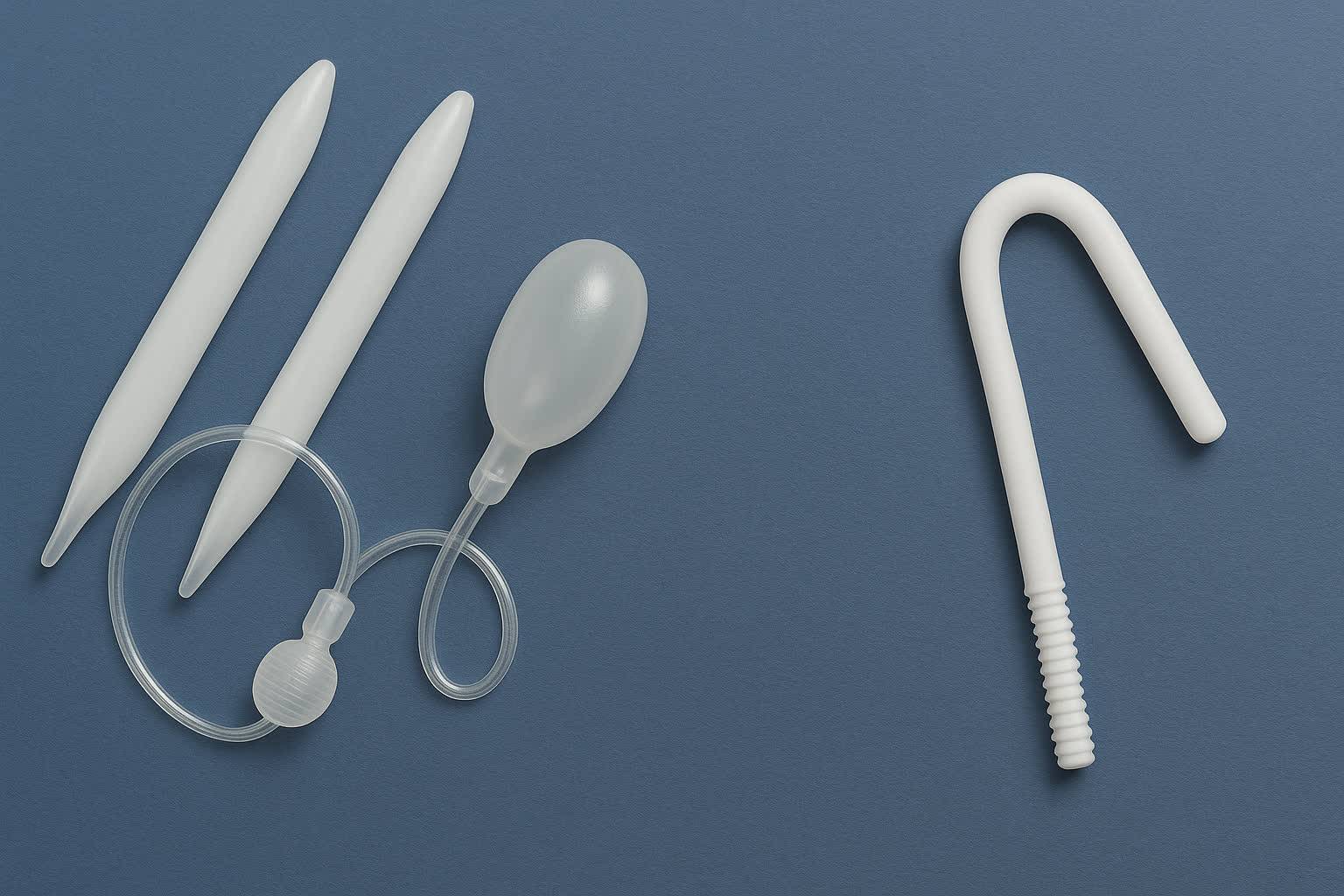
Choosing the implant type depends not only on preference or cost, but also on hand function, medical condition, anesthesia risk, surgery duration, and follow-up plan. Some patients prefer inflatable implants for a more natural result, while malleable implants may suit others because they are simpler.
There is no single “best penile implant for heart patients.” The best implant is the one that matches the patient’s medical, sexual, and practical needs.
Inflatable Penile Implant
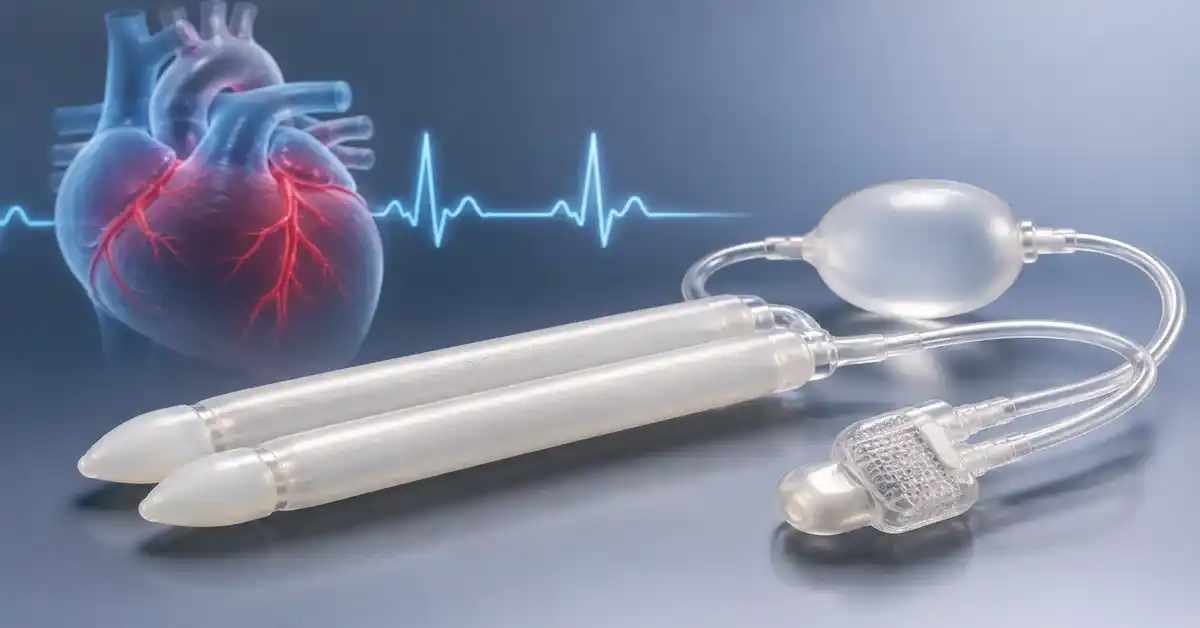
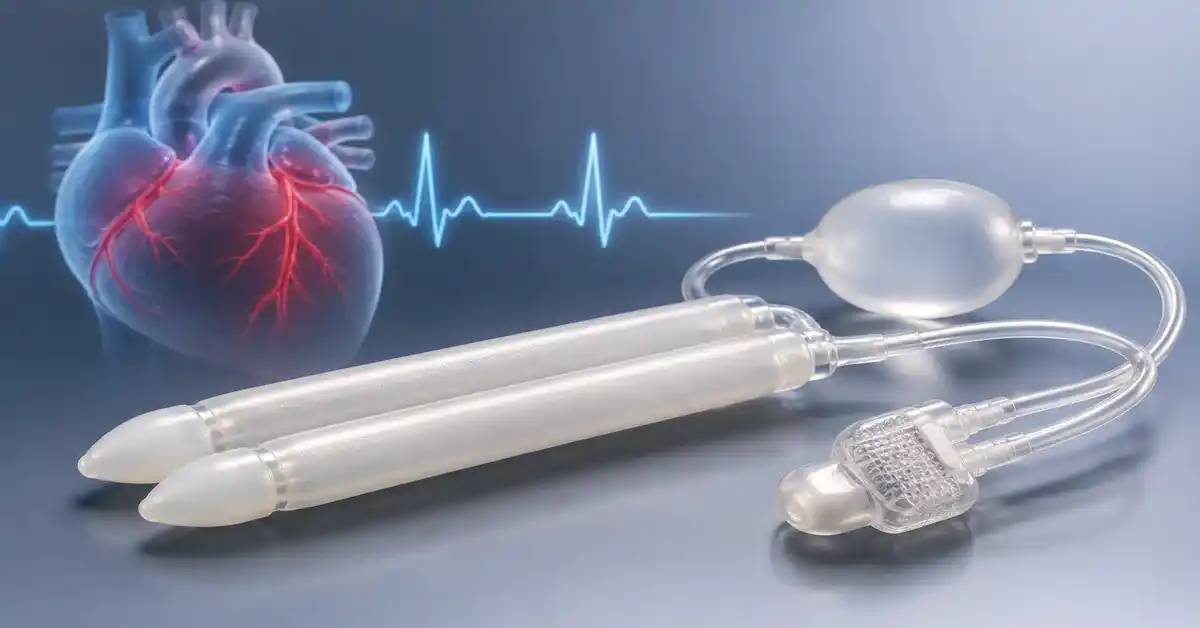
An inflatable penile implant provides a more natural functional result because it allows erection when needed and deflation afterward. It includes mechanical parts such as cylinders, pump, and in three-piece systems, a reservoir.
It may suit a heart patient if:
- The heart condition is stable.
- The patient can use the pump.
- A more natural appearance is desired.
- Surgery duration is acceptable.
- There are no major surgical contraindications.
- Expectations are realistic.
- Blood thinners are managed safely.
Patients should understand mechanical failure risk, training needs, and possible future replacement.
Malleable Penile Implant
A malleable implant is mechanically simpler and does not require a pump. It may suit some older heart patients, men with poor hand function, or those who prefer an easier device. In some cases, the surgery may be shorter, depending on the surgeon and patient anatomy.
It may be suitable when there is:
- Difficulty using a pump.
- Preference for a simple device.
- Multiple medical conditions.
- Desire to reduce mechanical complexity.
- Clear expectations about concealment.
- Preference for a lower-cost option in some cases.
- Unsuitability for an inflatable implant.
However, the penis remains semi-rigid, which may not be comfortable or natural for every patient.
Read about: Penile Implant Surgery Success Rates: What Patients Should Expect
Risks of Penile Implant Surgery in Heart Patients
Risks include general surgical risks plus heart-related risks and medication-related concerns. A full discussion is necessary before surgery.
The operation may be successful and safe in stable patients, but risk increases if cardiac assessment, blood-thinner management, diabetes control, or infection prevention is neglected.
General Surgical Risks
General risks include:
- Wound or device infection.
- Bleeding or hematoma.
- Postoperative pain.
- Swelling.
- Tissue erosion.
- Later mechanical failure.
- Sensation changes.
- Dissatisfaction with size or shape.
- Difficulty using the implant.
- Need for revision surgery.
- Anesthesia complications.
- Scarring or fibrosis.
These risks exist for all patients but may be higher in men with diabetes, smoking history, or blood-thinner use.
Heart-Specific Risks
Heart-related risks do not mean the surgery is always forbidden. They mean risk must be carefully estimated. Blood pressure may rise or fall during anesthesia, rhythm disturbance may occur, or blood-thinner changes may create bleeding or clotting problems.
Important risks include:
- Chest pain during or after surgery.
- Arrhythmia.
- High or low blood pressure.
- Fluid retention in heart failure patients.
- Increased bleeding with blood thinners.
- Clotting risk if blood thinners are stopped incorrectly.
- Difficulty tolerating anesthesia in advanced disease.
- Slower recovery with chronic illness.
Surgery should proceed only after clear evaluation and medical-team agreement.
Read about: Post-Surgery Penile Implant Rehab: Tips for Restoring Healthy Intimacy
Medical Recommendations Before Surgery
Good preparation reduces risk and improves outcomes. A heart patient needs a clear plan for cardiac evaluation, blood thinners, diabetes, blood pressure, infection control, anesthesia, and timing of sexual activity after surgery.
Surgery should not be scheduled based on desire alone. Medical stability must be confirmed.
Controlling Heart Disease, Diabetes, and Blood Pressure
Chronic diseases should be optimized before surgery. Poorly controlled diabetes increases infection risk, and uncontrolled blood pressure increases cardiac and bleeding risks. Unstable heart failure or unstable angina should be treated before elective surgery.
Important steps include:
- Control blood pressure.
- Control diabetes and HbA1c.
- Review heart medications.
- Assess heart function.
- Treat urinary or skin infection.
- Stop smoking when possible.
- Improve fitness as tolerated.
- Review blood thinners.
- Obtain cardiology and anesthesia clearance.
- Explain the postoperative plan.
These steps are not unnecessary delays. They are part of safe planning.
Questions to Ask the Doctor
Before surgery, the patient should ask clear questions to understand the plan and risks.
Important questions include:
- Is my heart stable enough for surgery?
- Is sexual activity safe for me after recovery?
- Do I need a stress test or echocardiogram?
- What should I do with blood thinners?
- Should I continue aspirin?
- Which anesthesia is safest for me?
- Is my diabetes controlled enough?
- What is my infection risk?
- Which implant type fits my case?
- When can I return to sex?
- When should I follow up?
- What warning signs should I watch for?
These questions make the decision safer and more informed.
Read about: Penile Implant Cost in Turkey and Financing Options
After Surgery: Return to Sex and Follow-Up
After penile implant placement, the patient needs a recovery period before using the device or resuming intercourse. Timing depends on implant type, surgical technique, wound healing, and medical conditions. The implant should not be used before the doctor allows it.
For heart patients, returning to sexual activity depends not only on wound healing but also on cardiovascular stability. Some patients may need cardiology review if symptoms appear with exertion.
When Can the Implant Be Used?
The doctor usually decides when to activate the implant after swelling and pain decrease and the wound heals. During the visit, the patient learns how to use the device, especially if it is inflatable.
Before use, doctors should confirm:
- Wound healing.
- No signs of infection.
- Reduced pain and swelling.
- Ability to operate the device.
- Understanding of inflation and deflation.
- Medical clearance for intercourse.
- Heart stability during exertion.
- No chest pain or shortness of breath.
If chest pain or shortness of breath occurs during sex after recovery, the patient should stop and contact a doctor.
Warning Signs After Surgery
After surgery, patients should monitor signs of infection, bleeding, and cardiac symptoms. Early contact with the doctor can prevent complications from worsening.
Seek medical help urgently for:
- Fever or chills.
- Severe redness.
- Wound discharge.
- Increasing severe pain.
- Rapid swelling.
- Ongoing bleeding.
- Chest pain.
- Shortness of breath.
- Severe palpitations.
- Dizziness or fainting.
- Severe leg swelling.
- Severe difficulty urinating.
- Skin color change over the implant.
These symptoms require prompt evaluation, especially in heart or diabetic patients.
Read about: Penis Implants: Cost Types Turkey vs USA
Conclusion
A penile implant may be safe and suitable for selected heart patients if the cardiovascular condition is stable and the patient is assessed by a cardiologist, anesthesiologist, and implant surgeon before surgery. Safety depends not only on the implant, but also on the heart’s ability to tolerate surgery and sexual activity, blood-thinner management, diabetes and blood pressure control, and the choice of hospital and team.
Elective surgery is not recommended when unstable angina, recent unstable heart attack, severe heart failure, serious arrhythmia, or uncontrolled blood pressure is present. In these situations, heart treatment comes first. Stable patients, however, may benefit from a penile implant when medications fail or are not suitable.
Frequently Asked Questions: Penile Implant for Heart Patients
Can a heart patient have a penile implant?
Yes, in selected cases, if the heart condition is stable and the cardiologist and anesthesiologist approve surgery.
Is a penile implant dangerous for the heart?
Not necessarily. The risk depends on heart stability, anesthesia, blood thinners, and whether the patient can safely tolerate sexual activity.
Should aspirin be stopped before surgery?
Not always. The decision depends on why aspirin is used and the balance between bleeding and clotting risks. It must be coordinated with the cardiologist and surgeon.
Does a coronary stent prevent penile implant surgery?
Not always. Timing is very important, especially if the coronary stent is recent and the patient is taking dual antiplatelet therapy.
When should penile implant surgery be delayed in heart patients?
It should be delayed with unstable angina, recent unstable heart attack, uncontrolled heart failure, serious arrhythmia, severe uncontrolled hypertension, or unsafe blood-thinner management.