





A penile implant for diabetic patients is an effective surgical option for severe erectile dysfunction, especially when oral medications, penile injections, or vacuum devices do not provide satisfactory results. Diabetes is one of the most common chronic conditions associated with erectile dysfunction because it can affect nerves, blood vessels, blood flow, hormones, and tissue health.
A penile prosthesis can offer a long-term functional solution for men who cannot achieve or maintain an erection suitable for intercourse. However, in diabetic patients, the decision requires special caution. Diabetes may increase the risk of infection, delayed wound healing, immune weakness, and surgical complications, especially when blood sugar is poorly controlled.
There are different types of penile implants, mainly malleable implants and inflatable implants. Each type has benefits and limitations. The right choice depends on the patient’s health, hand function, age, expectations, sexual goals, cost, and the surgeon’s recommendation.
At Safemedigo, erectile dysfunction in diabetic men is approached as a complete medical condition. The process may include identifying the cause of ED, reviewing diabetes control, assessing cardiovascular risk, discussing non-surgical treatments, and considering a penile implant only when it is medically appropriate and clearly understood by the patient.
What Is a Penile Implant for Diabetic Patients?
A penile implant for diabetic patients is a medical device surgically placed inside the erectile chambers of the penis to provide rigidity for sexual intercourse. It does not cure diabetes, restore damaged nerves, or reverse vascular disease, but it offers mechanical support when natural erection is no longer reliable.
The procedure is usually performed by a urologist or andrologist experienced in erectile dysfunction surgery. Before surgery, the patient should be evaluated carefully because some men may still benefit from medications, injections, lifestyle improvement, or hormonal treatment.
Diabetic patients need special preparation before surgery. Poor long-term glucose control can increase infection risk and affect tissue healing. This is why blood sugar optimization and medical evaluation are important before proceeding.
Definition of penile implant
A penile implant, or penile prosthesis, is a device implanted inside the penis to help a man achieve an erection firm enough for intercourse. It is usually considered when erectile dysfunction is severe and does not respond to non-surgical treatments.
The implant is generally not visible under normal clothing. It usually does not directly affect sexual sensation, orgasm, or ejaculation unless these functions are already affected by diabetes, nerve damage, surgery, medication, or hormonal problems.
A penile implant does not increase penile size in a medical sense and does not restore a natural biological erection. It provides a functional artificial erection. Patients must understand that implantation is a major and usually irreversible decision because erectile tissue changes after surgery.
Why diabetic patients may need an implant
Diabetic patients may need a penile implant when erectile dysfunction is severe, persistent, and resistant to other treatments. Diabetes can damage peripheral nerves and reduce blood flow to the penis. It is also commonly associated with atherosclerosis, high blood pressure, obesity, high cholesterol, and sometimes low testosterone.
A penile implant may be discussed in situations such as:
- Failure of oral ED medications.
- Inability to use ED medications due to heart drugs.
- Poor response to penile injections.
- Long-standing severe erectile dysfunction.
- Diabetic nerve or vascular damage.
- ED after pelvic or prostate surgery.
- Desire for a long-term functional solution.
- Negative effect of ED on marital relationship.
- Dissatisfaction with vacuum devices.
- Peyronie’s disease with ED in selected cases.
Before surgery, the doctor should confirm that the condition is not temporary or treatable with simpler options.
Is it suitable for all diabetic men?
A penile implant is not suitable for every diabetic man. Some patients may respond to medications, injections, testosterone correction, or better diabetes control. Others may have high surgical risks that require postponement or additional preparation.
The implant may not be suitable, or may need delay, in cases such as:
- Severely uncontrolled diabetes.
- Active urinary tract infection.
- Skin infection near the surgical site.
- Severe immune suppression.
- Unstable heart disease.
- Poor anesthesia fitness.
- Unrealistic expectations about penile length.
- Poor understanding of the device.
- Inability to use an inflatable pump.
- Active genital infection.
- Unresolved medical contraindications.
The decision should be individualized. Diabetes alone does not automatically exclude a patient, but it changes the risk assessment.
Read about: Types of Penile Implants and Benefits of Flexible Devices
Effectiveness of Penile Implants in Diabetic Men
The effectiveness of penile implants in diabetic men is generally high in terms of providing sufficient rigidity for intercourse. This is why implants are an important option for men with severe organic ED due to diabetes who have failed conservative treatments.
However, success is not measured only by erection. It also includes patient and partner satisfaction, wound healing, absence of infection, comfort, device function, ease of use, and realistic expectations.
Effectiveness depends on implant type, surgeon experience, patient selection, blood sugar control, infection prevention, and adherence to postoperative instructions.
Success and satisfaction rates
Success and satisfaction after penile implant surgery are often high when patients are well selected and properly counseled. Many men report improved sexual confidence and better ability to have intercourse after recovery.
Reasons for satisfaction may include:
- Reliable rigidity for intercourse.
- No need to wait for pills to work.
- Good option after medication failure.
- Better control over sexual planning.
- Improved confidence.
- Reduced performance anxiety.
- Long-term function when no device problem occurs.
- Good control with inflatable implants.
- Simpler use with malleable implants.
Satisfaction may be lower if expectations are unrealistic, especially regarding penile length, recovery time, pain, or device handling. Counseling before surgery is therefore essential.
When do results appear after surgery?
Results appear after recovery, not immediately in the first few days. After surgery, pain, swelling, bruising, and tenderness are expected. The body needs time for wound healing and tissue recovery.
The doctor decides when the patient can start using the implant. This may be after several weeks depending on healing, implant type, and surgical technique. Inflatable implants require training on pump use and deflation. Malleable implants are simpler but remain semi-rigid.
The patient should not use the implant for sexual activity before medical clearance. Early use may increase pain or interfere with healing.
Impact on sexual relationship
The impact on sexual relationship can be positive when expectations are clear and communication is healthy. Chronic erectile dysfunction may cause anxiety, avoidance, low confidence, and relationship tension. A penile implant can help restore functional sexual ability.
However, the implant does not increase sexual desire if libido is low due to hormones, psychological stress, relationship problems, or chronic disease. It also does not treat premature ejaculation, reduced sensation, or ejaculation problems caused by diabetic neuropathy or medication.
When appropriate, involving the partner in counseling may help both partners understand the device, recovery period, and realistic outcomes.
Read about: Hydraulic Penile Implant vs Flexible: Which Offers Better Control
Types of Penile Implants
The main types of penile implants are malleable implants and inflatable implants. They differ in function, appearance, cost, mechanical complexity, and patient experience. The best choice depends on the patient’s needs and medical condition.
Diabetic patients may be candidates for either type. A patient with hand weakness or diabetic neuropathy may find an inflatable pump harder to use. A patient who values a more natural flaccid appearance may prefer an inflatable device.
There is no single best implant for every patient. The best implant is the one that matches the patient’s physical ability, expectations, anatomy, and risk profile.
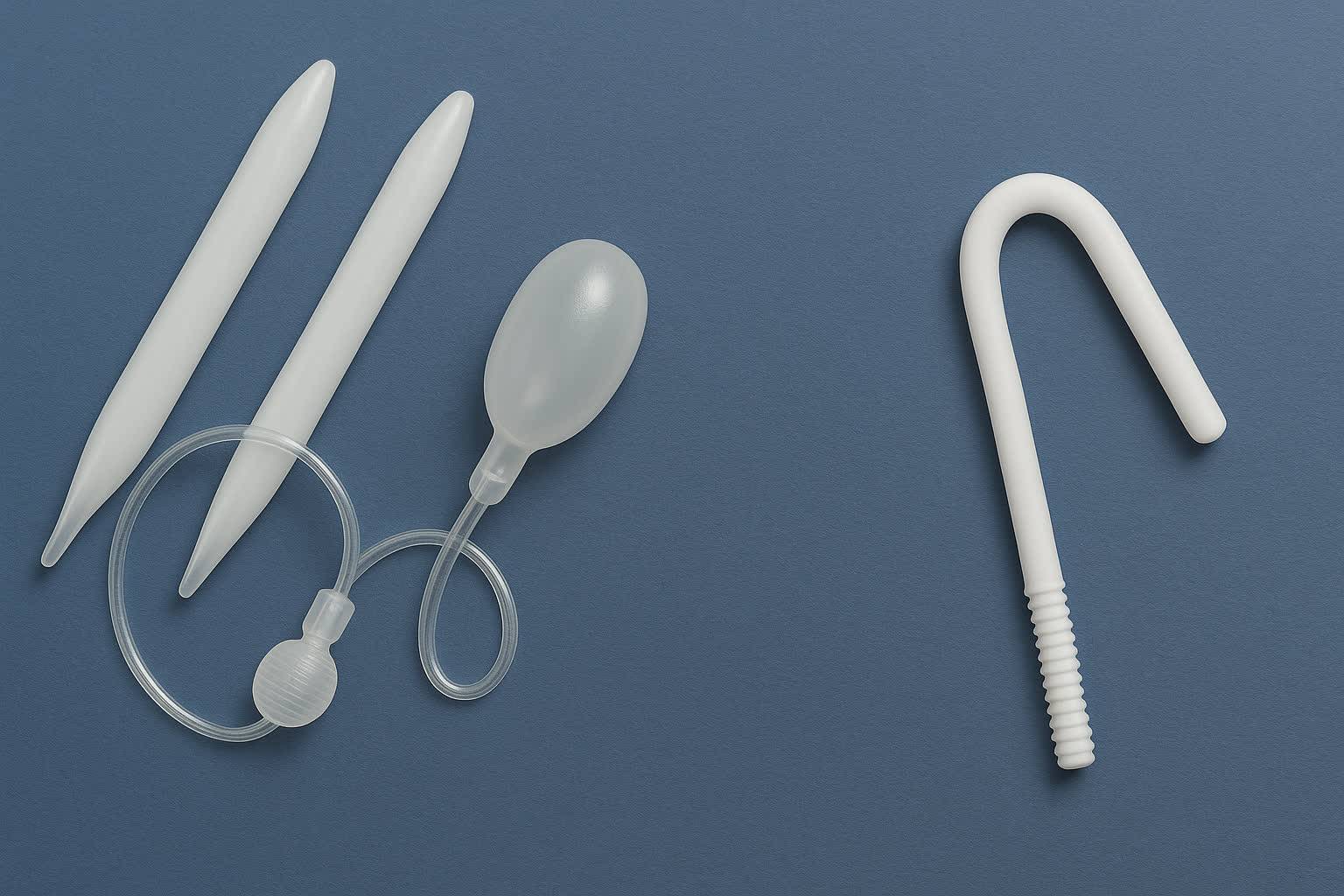
Malleable penile implant
A malleable penile implant consists of bendable rods placed inside the penis. The penis remains semi-rigid at all times and can be positioned upward for intercourse or downward under clothing.
Advantages of malleable implants include:
- Simple to use.
- No pump required.
- Easier for some older patients.
- Helpful for men with poor hand function.
- Fewer mechanical parts.
- Lower mechanical failure risk.
- Often lower cost.
- Easier to understand.
The disadvantages are that the penis is less natural in the resting state and may be more noticeable under clothing in some men. It may not suit patients who want a more natural flaccid appearance.
Inflatable penile implant
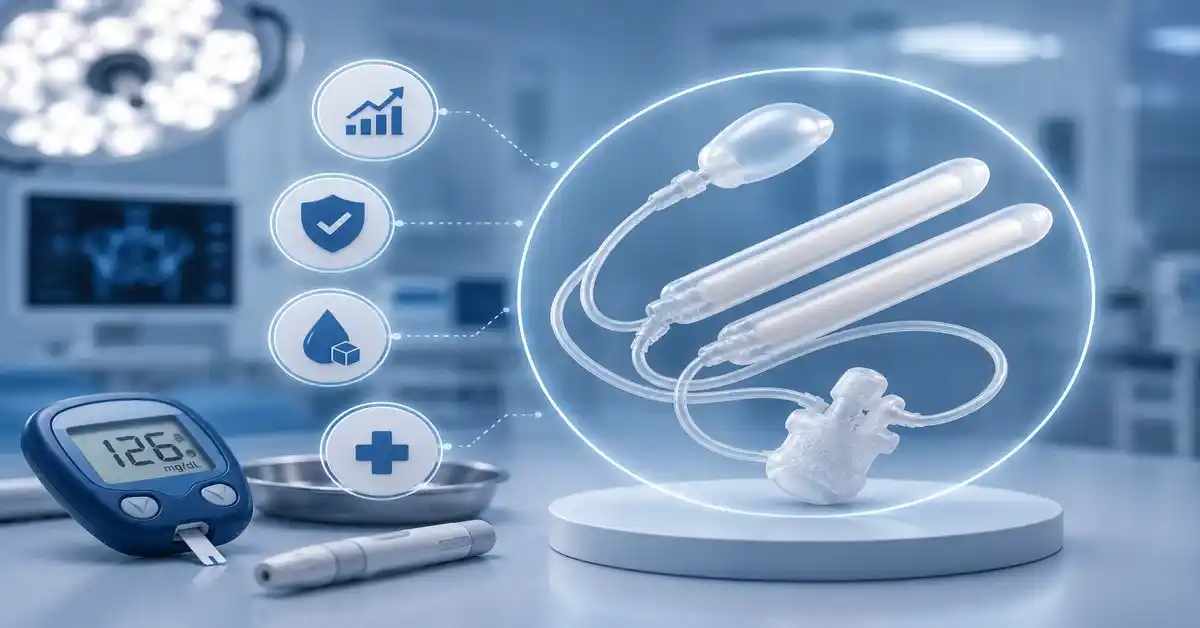
An inflatable penile implant usually includes cylinders inside the penis, a pump placed in the scrotum, and a fluid reservoir in some models. When the patient wants an erection, he presses the pump to move fluid into the cylinders. After intercourse, the device is deflated.
Advantages of inflatable implants include:
- More natural flaccid appearance.
- Good rigidity when inflated.
- Better control over timing.
- High satisfaction in many patients.
- More natural feel in daily life.
- Less constant rigidity compared with malleable implants.
Disadvantages include higher cost, more mechanical complexity, and the need for hand function to operate the pump. Mechanical failure risk may be higher than malleable implants because there are more components.
How to choose the right type
Choosing the right implant type requires both medical and personal assessment. The decision should not be based on cost alone because the implant may affect daily comfort and sexual satisfaction for years.
Factors include:
- Patient age.
- Diabetes control.
- Hand strength.
- Diabetic neuropathy.
- Vision or mobility problems.
- Patient expectations.
- Partner expectations when relevant.
- Cost.
- Surgeon experience.
- Previous pelvic or penile surgery.
- Penile curvature or Peyronie’s disease.
- Desire for natural appearance at rest.
- Ability to learn pump use.
- Infection risk and general health.
A detailed consultation before surgery helps prevent dissatisfaction and supports better long-term results.
Read about: Penile Implant Surgery Success Rates: What Patients Should Expect
Special Risks for Diabetic Patients
Special risks for diabetic patients include infection, delayed wound healing, blood sugar instability, vascular disease, and immune-related concerns. Diabetes does not automatically prevent penile implant surgery, but it makes preparation and follow-up more important.
Chronic high blood sugar can impair immune response, reduce small blood vessel function, and slow tissue healing. For this reason, infection risk may be higher in diabetic men, particularly when diabetes is poorly controlled or there are active infections.
These risks do not mean the surgery is unsafe for all diabetic patients. They mean that patient selection, glucose optimization, surgical technique, antibiotic strategy, and postoperative care are critical.
Infection risk after implant surgery
Infection risk after penile implant surgery is one of the most important concerns because infection may require device removal or additional surgery. Diabetic patients, especially those with poor glycemic control, may be more vulnerable.
Possible signs of infection include:
- Fever.
- Increasing pain.
- Severe redness.
- Worsening swelling.
- Drainage from the wound.
- Bad odor.
- Difficulty urinating.
- Persistent device pain.
- Wound opening.
- General weakness.
Prevention may include careful sterilization, appropriate antibiotics, infection-resistant implant coatings in selected devices, minimizing device contamination, and avoiding surgery when active infection is present.
Wound healing and high blood sugar
Wound healing and high blood sugar are closely connected. When glucose is high, tissues may heal more slowly and infection risk may increase. This is why doctors often review HbA1c and daily glucose control before surgery.
Preparation may include:
- HbA1c review.
- Fasting or random blood glucose.
- Diabetes medication adjustment.
- Endocrinology consultation when needed.
- Treatment of urinary infection.
- Skin examination.
- Smoking cessation.
- Nutrition improvement.
- Blood pressure control.
- Kidney function assessment.
- Blood thinner review.
- Surgery delay if active infection exists.
The goal is to reduce infection risk and improve healing, not just to achieve a laboratory number.
Diabetes effects on nerves and blood vessels
Diabetes effects on nerves and blood vessels are major reasons for erectile dysfunction. Diabetes can damage peripheral nerves needed for erection and can reduce blood flow through small and large blood vessels.
This may make oral ED medications less effective because these medications depend on adequate vascular and nerve response. When the damage is severe, a penile implant becomes a logical option because it does not rely on blood flow in the same way.
However, diabetic nerve and vascular disease may also affect sensation, healing, and tissue health. This is why a complete evaluation is important before surgery.

Preparation Before Penile Implant Surgery
Preparation before penile implant surgery is especially important for diabetic patients. It includes medical assessment, blood sugar optimization, treatment of infection, cardiovascular review, medication management, and detailed explanation of the procedure.
The patient should be honest about diabetes duration, medications, insulin use, hypoglycemia episodes, smoking, heart disease, urinary infections, previous surgeries, and sexual expectations. Missing information can increase risk.
Because penile implant surgery is usually elective, it is better to perform it when the patient is medically optimized rather than rushing when risks can still be improved.
Blood sugar control before surgery
Blood sugar control before surgery is one of the most important preparation steps. There is no single number that applies to all patients, but the doctor considers HbA1c, daily glucose readings, infection history, and overall medical condition.
Steps may include:
- Diabetes specialist review.
- Medication adjustment.
- Dietary improvement.
- Home glucose monitoring.
- Reducing rapid sugars.
- Treating urinary or skin infections.
- Kidney function review.
- Blood pressure and cholesterol control.
- Smoking cessation.
- Improving sleep and activity.
- Reporting hypoglycemia episodes.
- Insulin plan for the day of surgery when needed.
Better control supports wound healing and may reduce infection risk.
Required tests before surgery
Required tests before surgery vary according to age and medical status, but diabetic patients often need blood sugar, heart, urine, and general health assessment. Erectile dysfunction in diabetic men can be linked to cardiovascular disease, so heart safety matters.
Tests may include:
- HbA1c.
- Fasting or random glucose.
- Complete blood count.
- Kidney function.
- Liver function when needed.
- Electrolytes.
- Urine analysis.
- Urine culture if symptoms exist.
- ECG.
- Cardiology assessment when risk factors exist.
- Blood pressure assessment.
- Coagulation tests when needed.
- Blood thinner review.
- Skin and surgical site evaluation.
- Anesthesia assessment.
- Testosterone testing when indicated.
Additional testing may be requested for older patients or those with heart, kidney, or lung disease.
Medication and antibiotic review
Medication and antibiotic review is essential before surgery. Diabetic patients often use multiple medications, including diabetes drugs, insulin, blood pressure medication, cholesterol medication, aspirin, or anticoagulants.
The doctor should know about:
- Oral diabetes medications.
- Insulin.
- Blood pressure medication.
- Heart medication.
- Aspirin.
- Blood thinners.
- Herbal supplements.
- Antibiotic allergies.
- ED medications.
- Prostate medications.
- Previous infections.
- Recent antibiotic use.
Antibiotics are used according to the surgeon’s and hospital’s infection-prevention protocol. Patients should not take random antibiotics before surgery without medical guidance.
Read about: Post-Surgery Penile Implant Rehab: Tips for Restoring Healthy Intimacy
Recovery After Penile Implant Surgery
Recovery after penile implant surgery requires careful adherence to instructions, especially in diabetic patients. Recovery includes wound care, blood sugar monitoring, medication use, avoiding sexual activity until cleared, and attending follow-up visits.
Pain, swelling, bruising, and tenderness may occur in the early days. These should gradually improve. Increasing pain, fever, discharge, or wound changes should be reported quickly.
Diabetic patients should monitor glucose closely after surgery because pain, stress, reduced activity, and changes in diet can affect blood sugar. High postoperative glucose may increase infection risk.
Wound care
Wound care after penile implant surgery is essential for infection prevention. The area should be kept clean and dry as instructed, and the wound should not be touched with unclean hands.
General tips include:
- Follow dressing instructions.
- Wash hands before touching the area.
- Do not scratch the wound.
- Do not remove stitches unless instructed.
- Avoid swimming until healed.
- Avoid sexual activity until cleared.
- Wear supportive underwear if advised.
- Monitor redness and swelling.
- Watch for drainage.
- Take medications as prescribed.
- Attend follow-up appointments.
- Monitor blood sugar daily.
If signs of infection appear, the patient should contact the doctor immediately.
When can the implant be used?
The implant can be used only when the doctor confirms that healing is adequate. Sexual use should not begin before medical approval because early use can cause pain or interfere with recovery.
With inflatable implants, the patient may need a training visit to learn how to inflate and deflate the device. At first, using the pump may feel difficult, but most patients improve with practice. If the patient has hand weakness from diabetic neuropathy, this should be discussed.
With malleable implants, there is no pump, but the patient must learn how to position the penis comfortably during intercourse and daily life.
Warning signs after surgery
Warning signs after surgery should be clear to every patient. Some discomfort and swelling are expected, but certain symptoms may suggest infection or another problem.
Contact the doctor if there is:
- High fever.
- Pain that worsens instead of improving.
- Severe redness.
- Severe swelling.
- Pus-like discharge.
- Persistent bleeding.
- Wound opening.
- Bad smell.
- Difficulty urinating.
- Severe burning with urination.
- Very high blood sugar.
- Dizziness or severe weakness.
- Skin color changes around the wound.
- Inability to operate the implant after training.
Early action may prevent complications from becoming more serious.
Read about: Penile Implant Cost in Turkey and Financing Options
Alternatives Before Penile Implant Surgery
Alternatives before penile implant surgery should be discussed before proceeding, because some diabetic men may respond to less invasive treatments. A penile implant is usually not the first treatment option; it is considered when other treatments fail or are unsuitable.
The best alternative depends on the cause of ED, heart health, medications, testosterone level, diabetes duration, neuropathy, and patient preference. Sometimes improving diabetes control and lifestyle may help, but in severe organic ED it may not be enough.
Treatment should usually move from less invasive to more invasive options, without delaying surgery unnecessarily when ED is severe and clearly resistant.
Oral erectile dysfunction medications
Oral erectile dysfunction medications, such as PDE5 inhibitors, may help some diabetic men. However, they may be less effective when nerve and vascular damage is severe. They may also be unsafe for men using nitrate medications for heart disease.
Before using these drugs, doctors should review:
- Heart health.
- Nitrate use.
- Blood pressure.
- Kidney and liver function.
- Drug interactions.
- Correct dose.
- Timing of use.
- Previous response.
- Side effects.
- Testosterone deficiency.
If medications fail despite correct use, injections, devices, or implant surgery may be considered.
Penile injections and vacuum devices
Penile injections and vacuum erection devices may help some patients achieve erections. These options may be useful for men who do not respond to pills or cannot take them.
Potential disadvantages include:
- Pain or bruising.
- Fear of injections.
- Prolonged erection risk.
- Discomfort with the device.
- Lower satisfaction in some couples.
- Need for preparation before intercourse.
- Unsuitability for some patients.
- Technique-related difficulties.
If these options are ineffective or unacceptable, penile implant surgery becomes a stronger option.
Lifestyle and diabetes management
Lifestyle and diabetes management should not be ignored even if the patient is a candidate for an implant. Better glucose control, weight management, exercise, blood pressure treatment, cholesterol control, smoking cessation, and sleep improvement support both sexual and surgical health.
Helpful steps include:
- Improving HbA1c.
- Losing excess weight.
- Exercising safely.
- Stopping smoking.
- Treating high blood pressure.
- Controlling cholesterol.
- Treating low testosterone when present.
- Managing depression or anxiety.
- Reducing alcohol.
- Improving sleep.
- Regular diabetes follow-up.
- Treating urinary infections early.
Even after implant surgery, diabetes control remains important for long-term health.
Read about: Types of Penile Implants: Pros and Cons of Each Type
Conclusion
A penile implant for diabetic patients can be an effective solution for severe erectile dysfunction when other treatments fail. It can provide reliable rigidity for intercourse and may improve confidence and satisfaction when the patient is well selected and properly counseled.
However, diabetic patients have special risks, especially infection, delayed wound healing, and the effect of high blood sugar on immunity and tissues. For this reason, diabetes control, infection treatment, heart evaluation, medication review, and experienced surgical care are essential before surgery.
Frequently Asked Questions: Penile Implant for Diabetic Patients
Is a penile implant suitable for diabetic men?
Yes, it may be suitable when medications and injections fail, but blood sugar control, infection risk, heart safety, and anesthesia fitness must be assessed first.
Does diabetes increase penile implant infection risk?
Yes, diabetes may increase infection risk, especially when poorly controlled. Doctors usually review HbA1c, treat infections, and use careful prevention protocols.
Which implant is better for diabetics: malleable or inflatable?
It depends on the patient. Malleable implants are simpler, while inflatable implants look more natural at rest but require hand ability to operate the pump.
Does the implant affect sensation or ejaculation?
The implant treats rigidity, not sensation or ejaculation. If diabetes has caused nerve damage, some sensation or ejaculation issues may remain.
When can sexual activity resume after implant surgery?
The doctor decides based on healing and implant type. Most patients need several weeks before sexual use and should not start before medical clearance.