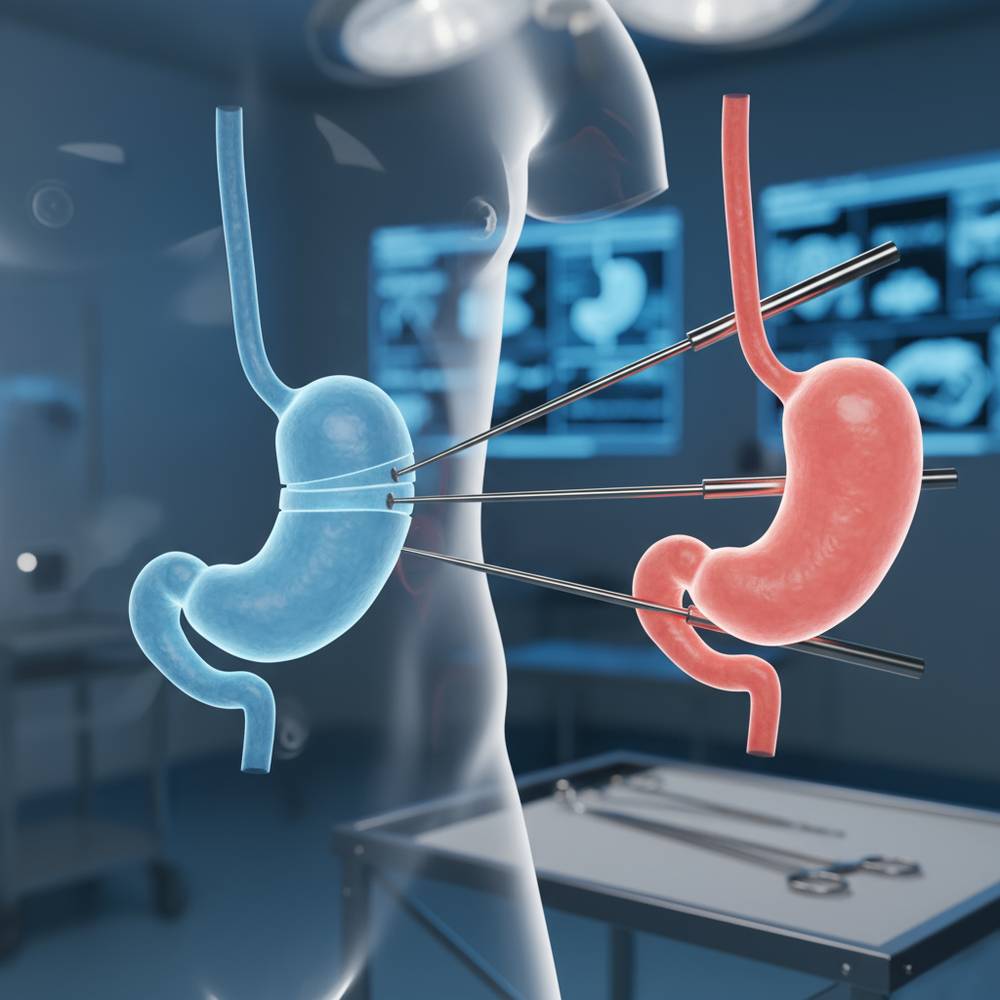








Bariatric surgery does not end when the patient leaves the hospital or reaches a lower number on the scale. Sleeve gastrectomy, gastric bypass, and other metabolic procedures are powerful tools, but maintaining their benefits over many years depends on nutrition, physical activity, vitamin supplementation, medical follow-up, psychological health, and early management of weight recurrence.
At Safemedigo, long-term aftercare is considered part of the treatment itself. Regular follow-up can detect nutritional deficiencies, protect muscle mass, identify eating patterns that increase calorie intake, and address weight regain before it becomes substantial. Nutritional monitoring remains important even many years after surgery.
The First Weeks After Surgery
The early postoperative period is about healing and gradually adapting to a smaller stomach or altered digestive anatomy.
Diet Progression After Bariatric Surgery
Most patients begin with liquids and gradually progress toward soft foods and eventually regular-texture meals according to their surgical program.
Moving too quickly through these stages can lead to pain, vomiting, and difficulty tolerating food. Feeling better does not mean the internal tissues have completed healing.
Hydration Comes First
Drinking can initially be challenging because large volumes are difficult to tolerate.
Frequent small sips are usually more practical than trying to drink a large amount at once. Many programs target roughly 64 ounces, or close to 2 liters, of fluid daily when medically appropriate.
Warning Signs After Surgery
Persistent vomiting, inability to drink, worsening abdominal pain, fever, rapid heart rate, breathing difficulty, bleeding, or progressive weakness need medical assessment.
Prolonged vomiting deserves particular attention because it can rapidly lead to dehydration and thiamine deficiency. When thiamine deficiency is suspected clinically, treatment should not be delayed while waiting for laboratory confirmation.
Eating for Long-Term Weight Control
Smaller stomach capacity makes the nutritional quality of every meal more important.
Protein After Bariatric Surgery
Adequate protein helps preserve muscle during rapid weight loss, supports healing, and improves satiety.
Many bariatric programs use daily targets around 60–100 grams, although individual needs vary with body size, procedure, activity, and medical status.
Structured Meals Matter
A small stomach does not automatically prevent excessive calorie intake.
Frequent grazing on crackers, sweets, desserts, or other calorie-dense foods can gradually add substantial energy without creating a large meal.
Eating slowly, chewing well, recognizing early satiety, and maintaining structured meals can make long-term weight control easier.
Watch Liquid Calories
Sweetened drinks, specialty coffees, juices, and other calorie-containing liquids may deliver significant energy with relatively little fullness.
Reducing these drinks is therefore important for protecting long-term results. Highly sugary meals can also cause unpleasant gastrointestinal symptoms after some gastric bypass procedures.
Read about: Latest Technologies in Bariatric Surgery: How Have These Procedures Evolved?
Vitamins and Lifelong Follow-Up
Weight loss does not eliminate the need for medical monitoring. Reduced food intake and, in some procedures, altered absorption can lead to deficiencies months or years after surgery.
Are Vitamins Lifelong?
For most bariatric patients, vitamin and mineral supplementation becomes a long-term and often lifelong requirement.
The exact regimen varies by operation but commonly includes a complete multivitamin and may include vitamin B12, iron, calcium, vitamin D, and additional nutrients when indicated. Standard over-the-counter products are not always sufficient for bariatric needs.
Blood Tests After Bariatric Surgery
Monitoring may include a blood count, iron status, vitamin B12, folate, vitamin D, calcium, liver and kidney markers, with zinc, copper, selenium, and other nutrients added according to procedure and clinical circumstances.
After the intensive early follow-up period, at least annual nutritional monitoring remains important.
Signs of Nutritional Deficiency
Persistent fatigue, anemia, numbness, weakness, continuing hair loss, nail changes, poor wound healing, or unexplained swelling warrant investigation.
Hair shedding during rapid weight loss may be temporary, but persistent hair loss should trigger assessment of protein, iron, zinc, and other potential deficiencies rather than relying only on cosmetic supplements.
Read about: Preparing for Bariatric Surgery Tests, Diet, and Preoperative Readiness
Exercise and Muscle Preservation
Rapid weight loss can include loss of lean tissue as well as fat. Long-term success therefore involves improving body composition, not simply reducing body weight.
Walking After Bariatric Surgery
Walking usually begins early as recovery allows.
Activity can then increase gradually. Heavy lifting and strenuous exercise should wait until the surgical team confirms that healing is adequate.
Why Strength Training Matters
Resistance exercise helps preserve and rebuild muscle after the rapid weight-loss phase.
Combining aerobic activity with strength training is often more useful for body composition and physical function than relying on cardio alone.
Staying Active for Years
The best exercise program is one that can become routine.
Walking, cycling, swimming, gym-based resistance exercise, or other activities can all work. Regular activity supports long-term weight maintenance when it becomes a sustained behavior rather than a temporary weight-loss strategy.

Weight Regain After Bariatric Surgery
Some weight increase after reaching the lowest postoperative weight can occur and does not automatically mean that surgery has failed.
Why Does Weight Return?
Weight recurrence can involve several factors: increased calorie intake, grazing, calorie-containing drinks, reduced activity, emotional eating, sleep problems, medications, return of appetite, or anatomical changes related to the operation.
Obesity also remains a chronic biological disease after surgery, so a return of appetite or susceptibility to weight gain is not simply a matter of willpower.
Does Weight Regain Mean Surgery Failed?
No.
A small long-term change should be distinguished from substantial recurrence associated with worsening health or the return of obesity-related conditions.
Early evaluation is generally easier than waiting until a large proportion of the lost weight has returned.
Treatment for Weight Regain
Management may include structured nutritional treatment, behavioral support, medication review, and assessment of the surgical anatomy.
Modern options can also include anti-obesity medications, endoscopic therapies, and revisional surgery in appropriately selected patients.
Read about: Vaser vs Laser Liposuction: Which Technique Is Better?
Habits That Protect Results
After rapid weight loss ends, the longest phase of treatment begins: maintaining health over the years that follow.
Mental Health and Eating Behavior
Changes in body image, relationships with food, and social life can create new psychological challenges even when weight loss is successful.
Anxiety, depression, emotional eating, body-image distress, and new addictive behaviors deserve attention. Psychological support is a legitimate part of postoperative care rather than a sign that the operation has failed.
Pregnancy After Bariatric Surgery
Pregnancy requires specific planning after bariatric surgery because rapid weight loss and nutritional deficiencies can affect maternal and fetal health.
Pregnancy is commonly delayed for approximately 12–18 months after surgery, with nutritional review before conception and specialist monitoring during pregnancy.
Your Long-Term Checklist
The most durable results tend to come from a relatively simple group of habits: adequate protein, hydration, prescribed supplements, regular blood tests, physical activity, good sleep, smoking avoidance, and periodic weight monitoring.
Medication requirements should also be reviewed as weight changes. Diabetes and blood-pressure treatments, for example, may need adjustment, but prescription medications should not be stopped without medical guidance.
Read about: Is Sleeve Gastrectomy Suitable for You? Key Indicators to Know
Conclusion
Bariatric surgery can create major and lasting health benefits, but the operation is only the beginning. Adequate protein, lifelong supplementation, regular blood monitoring, muscle-preserving exercise, psychological support, and early attention to weight recurrence all contribute to long-term success.
Weight regain does not erase the value of the original surgery. Today, treatment can include nutritional and behavioral care, anti-obesity medications, endoscopic procedures, and revisional surgery when necessary.
Frequently Asked Questions: Life After Bariatric Surgery
Can weight come back after sleeve gastrectomy?
Yes. Some degree of weight recurrence can occur, and early evaluation can identify behavioral, medical, or anatomical contributors.
Are vitamins required for life?
Usually yes, although the exact supplements depend on the procedure, laboratory results, and individual needs.
How much protein is needed after bariatric surgery?
Many programs recommend approximately 60–100 grams daily, but individual targets should be personalized.
When can exercise start?
Walking often begins early, while strenuous exercise and heavy lifting should wait until adequate healing has been confirmed.
Can weight regain be treated without another operation?
Yes. Nutrition, behavior treatment, medications, and endoscopic options may be appropriate before revisional surgery is considered.