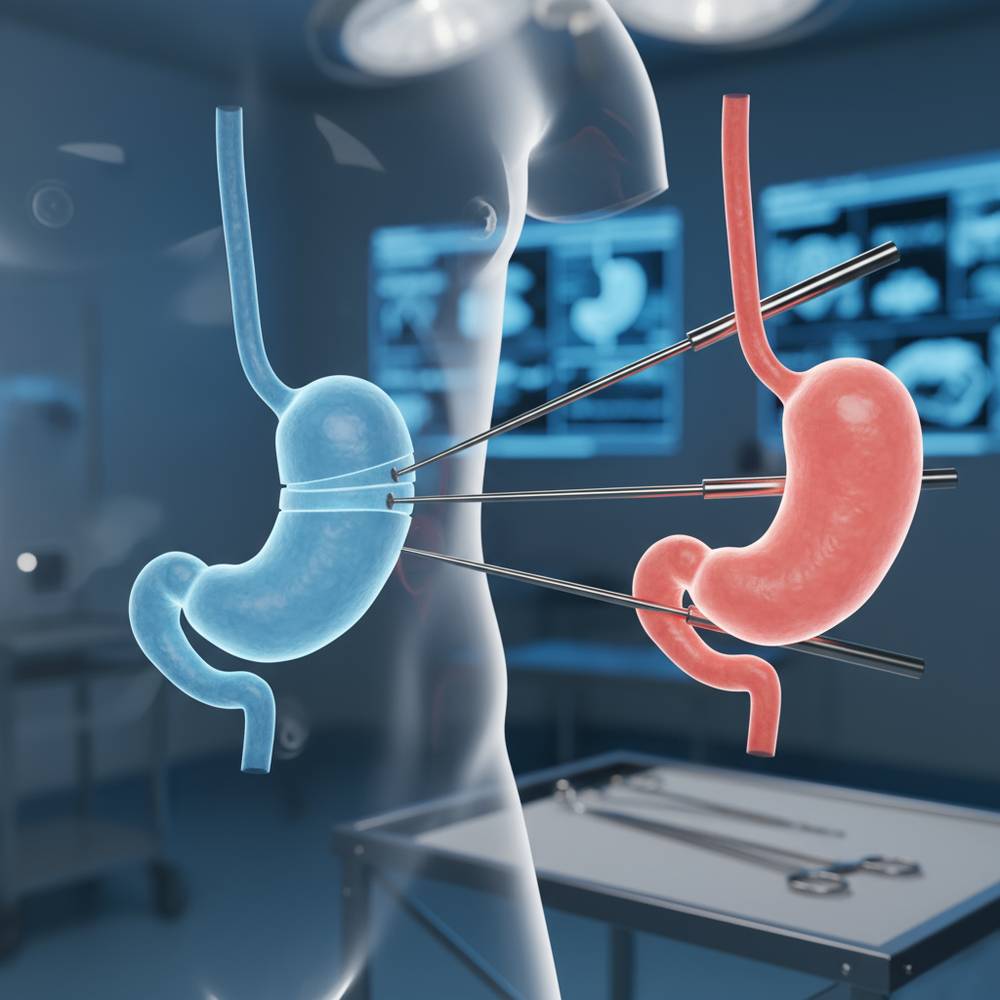





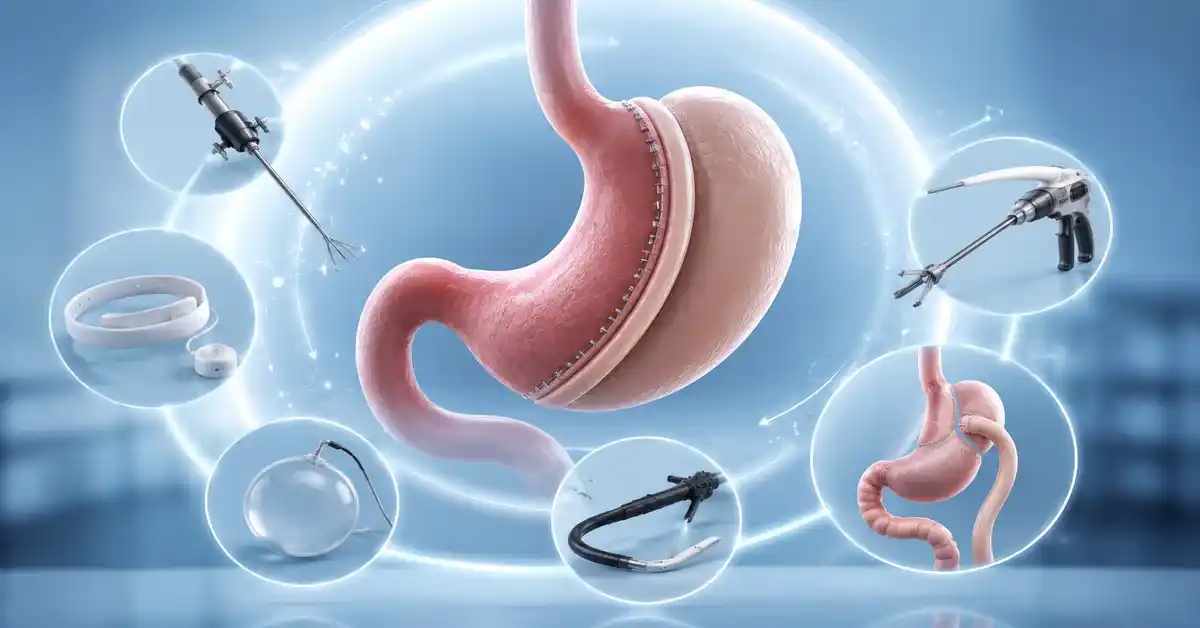
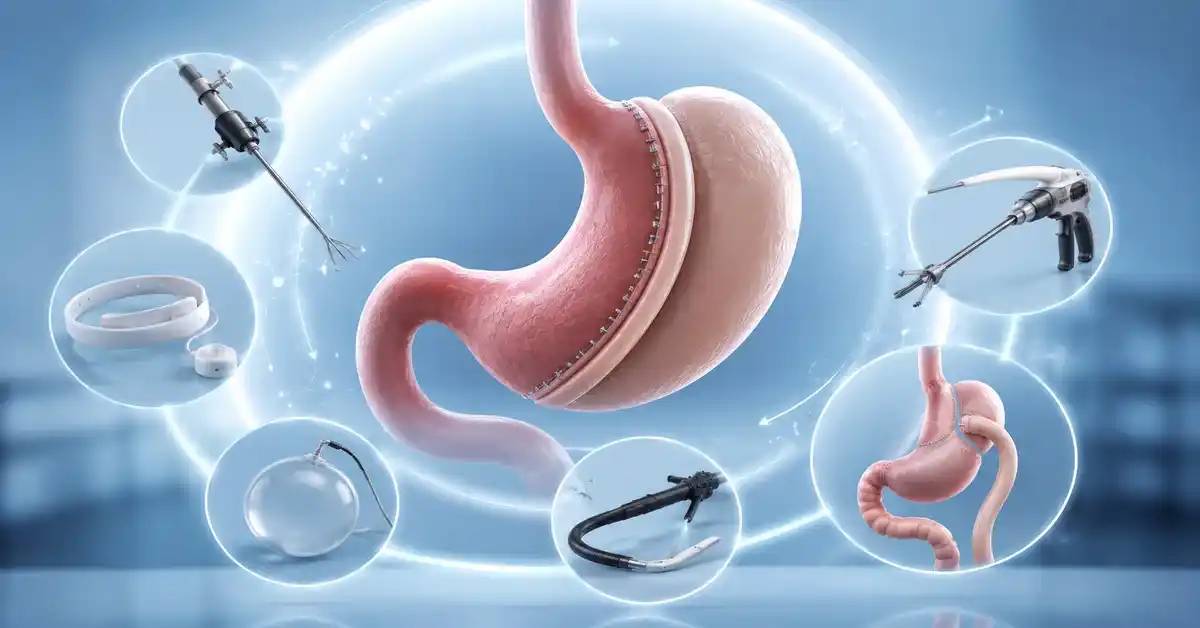
Bariatric surgery has changed significantly over the past decades. It is no longer limited to large open operations with long recovery times. Today, many procedures are performed using minimally invasive laparoscopy, advanced surgical instruments, robotic assistance in selected cases, and endoscopic techniques for specific patients. This progress has changed not only how surgery is performed, but also how patients are evaluated, prepared, monitored, and supported after treatment.
Bariatric surgery is used to treat obesity and obesity-related conditions such as type 2 diabetes, high blood pressure, high cholesterol, sleep apnea, fatty liver disease, and weight-related joint pain. However, surgery is not a stand-alone solution. Long-term success depends on procedure selection, nutrition, physical activity, medical follow-up, psychological readiness, and patient commitment.
Modern bariatric care includes several options, such as sleeve gastrectomy, gastric bypass, mini gastric bypass, SADI-S, revision surgery, gastric balloon, and endoscopic sleeve gastroplasty in selected cases. Therefore, the most important question is not only “What is the newest technique?” but “Which technique is medically suitable for this patient?”
How Bariatric Surgery Has Evolved
Bariatric surgery evolved from open surgery to laparoscopic surgery, then to more advanced minimally invasive and technology-supported approaches. The shift to laparoscopy allowed surgeons to perform complex operations through small incisions using a camera and specialized instruments.
Medical understanding has also evolved. In the past, bariatric surgery was mainly viewed as a way to reduce stomach size or limit absorption. Today, it is also understood as metabolic surgery because some procedures affect gut hormones, appetite, insulin sensitivity, and glucose control.
From Open Surgery to Laparoscopy
Open bariatric surgery required a large abdominal incision. This often meant more pain, longer hospital stay, slower recovery, and more visible scarring. Laparoscopic surgery changed this by using small incisions, a camera, and long surgical instruments.
Potential advantages of laparoscopy include:
- Smaller incisions.
- Less post-operative pain.
- Faster recovery.
- Shorter hospital stay.
- Earlier movement.
- Lower risk of some wound complications.
- Better internal visualization.
This development made procedures such as sleeve gastrectomy and gastric bypass more accessible and acceptable for many patients. Still, laparoscopic surgery remains major surgery and requires experienced teams.
From Weight Loss to Metabolic Improvement
Bariatric surgery is no longer measured only by the number of kilograms lost. Doctors also evaluate improvement in diabetes, blood pressure, cholesterol, sleep apnea, fatty liver disease, mobility, and quality of life.
This is why the term “metabolic and bariatric surgery” is now commonly used. Some operations influence digestive hormones and can improve blood sugar control even before major weight loss occurs.
However, surgery does not replace long-term follow-up. Patients still need nutrition planning, vitamin monitoring, physical activity, and medical supervision.
Latest Technologies in Bariatric Surgery
The latest technologies in bariatric surgery are not always entirely new operations. Sometimes, innovation means better surgical tools, safer stapling, robotic assistance, advanced imaging, improved patient selection, or stronger recovery protocols.
Choosing a technique should not depend on advertising or the name of the procedure. A patient with severe reflux may need a different operation than a patient with uncontrolled diabetes or a patient who previously had a failed sleeve gastrectomy.
Advanced Laparoscopic Bariatric Surgery
Advanced laparoscopy remains the foundation of most modern bariatric procedures. Surgeons use high-definition cameras and precise instruments to perform operations through small incisions.
Advanced laparoscopy is used for:
- Sleeve gastrectomy.
- Roux-en-Y gastric bypass.
- Mini gastric bypass.
- Some SADI-S procedures.
- Selected revision surgeries.
- Hiatal hernia repair with bariatric surgery.
- Complex abdominal cases in experienced centers.
Modern improvements include better stapling systems, bleeding control, leak testing protocols, enhanced recovery programs, and structured follow-up. These details can affect safety and recovery as much as the procedure name itself.
Robotic Bariatric Surgery
Robotic bariatric surgery may be used in selected centers to assist the surgeon with precision, especially in complex or revision cases. The robot does not operate alone; the surgeon controls the robotic instruments from a console.
Robotic assistance may be useful in:
- Complex obesity cases.
- Revision bariatric surgery.
- Previous abdominal surgery with adhesions.
- Certain gastric bypass operations.
- Procedures requiring fine suturing.
However, robotic surgery is not automatically better for every patient. Surgeon experience, patient selection, hospital quality, and follow-up are more important than technology alone.
Sleeve Gastrectomy: A Common Modern Procedure
Sleeve gastrectomy is one of the most commonly performed bariatric procedures. It involves removing a large portion of the stomach and creating a narrow sleeve-shaped stomach. This reduces food capacity and may also affect hunger-related hormones.
Sleeve gastrectomy is popular because it is less complex than some bypass procedures and does not usually involve rerouting the intestines. However, it is not ideal for every patient, especially those with severe reflux or certain esophageal conditions.
How Sleeve Gastrectomy Has Improved
Sleeve gastrectomy has improved through better stapling devices, more standardized sizing, stronger leak prevention protocols, and better post-operative nutrition care. It is no longer viewed as simply cutting the stomach; it requires careful planning.
Modern improvements include:
- More precise stapling.
- Better bleeding control.
- Leak testing in selected protocols.
- Attention to sleeve shape.
- Avoiding narrowing or twisting.
- Reflux evaluation before surgery.
- Long-term vitamin monitoring.
- Structured nutrition follow-up.
These improvements help reduce risk and improve outcomes, but they do not eliminate the need for patient commitment.
When Sleeve Gastrectomy May Be Suitable
Sleeve gastrectomy may be suitable for many patients with obesity, especially when the goal is to reduce food intake without intestinal bypass. It may be considered when the patient does not have severe reflux and is ready for long-term lifestyle changes.
It may suit patients who:
- Have obesity without severe reflux.
- Prefer a procedure without intestinal rerouting.
- Can follow a nutrition plan.
- Need a widely used bariatric option.
- Have a medical profile suitable for sleeve surgery.
It may be less suitable for patients with severe reflux, Barrett’s esophagus, failed previous sleeve, or eating patterns dominated by high-calorie liquids and sweets.
Read about: Is Sleeve Gastrectomy Suitable for You? Key Indicators to Know
Gastric Bypass and Metabolic Procedures
Gastric bypass procedures combine restriction with changes in how food passes through the digestive tract. They can influence absorption, gut hormones, appetite, and blood sugar control. These procedures may be especially useful in selected patients with type 2 diabetes, severe reflux, or failed previous bariatric surgery.
Because bypass procedures affect nutrition more than sleeve gastrectomy, they require stronger long-term commitment to vitamins, minerals, laboratory tests, and follow-up.
Roux-en-Y Gastric Bypass
Roux-en-Y gastric bypass creates a small stomach pouch and connects it to the small intestine, bypassing part of the stomach and upper intestine. It can be helpful for weight loss and metabolic improvement in selected patients.
Potential benefits include:
- Significant weight loss.
- Improvement in type 2 diabetes in some patients.
- Benefit in reflux disease for selected patients.
- Reduced food intake.
- Hormonal and metabolic effects.
Possible concerns include nutritional deficiencies, dumping symptoms, internal hernia risk, and the need for long-term supplementation. Follow-up is not optional after this procedure.
Mini Gastric Bypass and SADI-S
Mini gastric bypass and SADI-S are used in selected centers and patients. They may provide strong weight loss and metabolic effects, but they also require careful selection because nutritional consequences can be greater.
These options may be discussed in cases of:
- Severe obesity.
- Poorly controlled type 2 diabetes.
- Failed previous bariatric procedure.
- Need for stronger metabolic effect.
- Selected patients after detailed evaluation.
Risks may include vitamin deficiencies, diarrhea, malabsorption, bile reflux in some cases, and need for lifelong monitoring. They are not appropriate for every patient.

Non-Surgical and Endoscopic Bariatric Options
Modern obesity care also includes less invasive options that do not require abdominal incisions, such as gastric balloon and endoscopic sleeve gastroplasty. These procedures may be suitable for selected patients but are not replacements for all bariatric surgeries.
Their main advantage is that they are less invasive. Their limitation is that results may be less powerful or less durable than surgery, especially without strong lifestyle change.
Gastric Balloon
A gastric balloon is a temporary device placed inside the stomach using endoscopy. It is filled to occupy space and help the patient feel full sooner. It is later removed after a defined period.
A gastric balloon may be suitable for:
- Selected overweight or moderate obesity cases.
- Patients needing weight loss before a larger surgery.
- Patients not ready for surgery.
- Patients seeking a temporary tool with lifestyle support.
Possible side effects include nausea, vomiting, pain, reflux, and intolerance. Weight regain can occur if eating habits do not change after removal.
Endoscopic Sleeve Gastroplasty
Endoscopic sleeve gastroplasty, or ESG, is performed through the mouth using an endoscope and suturing device to reduce stomach volume without external incisions. It is less invasive than surgery and may be useful for selected patients.
ESG may suit:
- Selected obesity cases.
- Patients wanting a less invasive option.
- Patients not ideal for traditional surgery.
- Patients committed to lifestyle change.
- Cases where moderate weight loss is a realistic goal.
ESG is not appropriate for every patient and may not be enough for severe obesity or complex metabolic disease. Long-term lifestyle support remains essential.
Read about: Vaser vs Laser Liposuction: Which Technique Is Better?
Safety Protocols and Outcome Improvement
Modern bariatric surgery has improved not only through new tools, but also through better safety protocols. Patient preparation, blood clot prevention, leak prevention, anesthesia planning, nutrition support, and long-term monitoring all contribute to better outcomes.
A multidisciplinary team is central to modern bariatric care. This may include the surgeon, dietitian, endocrinologist, anesthesiologist, psychologist, nurses, and follow-up coordinators.
Preoperative Planning
Preoperative planning helps choose the right procedure and reduce risks. The team evaluates BMI, obesity-related diseases, eating behavior, reflux, diabetes, previous operations, fatty liver disease, and mental readiness.
Evaluation may include:
- Blood tests.
- Diabetes assessment.
- Cholesterol and liver tests.
- Cardiac evaluation when needed.
- Upper endoscopy in selected patients.
- Reflux assessment.
- Nutrition evaluation.
- Psychological evaluation when appropriate.
- Explanation of vitamins and follow-up.
Good preparation helps match the procedure to the patient instead of offering one operation to everyone.
Postoperative Follow-Up
Follow-up after bariatric surgery is essential for detecting vitamin deficiencies, adjusting diet, monitoring weight loss, managing reflux or vomiting, and controlling obesity-related diseases.
Follow-up may include:
- Step-by-step diet plan.
- Protein intake monitoring.
- Vitamin supplementation.
- Regular blood tests.
- Iron, B12, vitamin D, and calcium checks.
- Diabetes and blood pressure follow-up.
- Physical activity guidance.
- Monitoring hair loss or fatigue.
- Long-term weight maintenance support.
This phase can determine whether the patient achieves lasting results or struggles with complications and weight regain.
How to Choose the Right Bariatric Technique
The right bariatric technique depends on the patient, not on the popularity of the operation. Sleeve gastrectomy may be excellent for one person, while gastric bypass or another metabolic procedure may be better for another.
Patients should not choose based only on a friend’s experience or social media advertisement. Age, BMI, diabetes, reflux, eating pattern, previous surgeries, and ability to follow long-term instructions all matter.
Based on Weight and Medical Conditions
BMI is important, but it is not the only factor. A patient with uncontrolled diabetes may need a different approach than someone with obesity but no metabolic disease. Severe reflux may also change the preferred procedure.
Selection factors include:
- BMI.
- Type 2 diabetes.
- High blood pressure.
- Reflux disease.
- Sleep apnea.
- Fatty liver disease.
- Eating pattern.
- Age.
- Previous surgery.
- Readiness for follow-up.
The best procedure balances expected benefit, risk, and the patient’s ability to commit.
Based on Lifestyle and Expectations
Bariatric surgery is not a quick weight-loss method without lifestyle change. Patients need protein intake, hydration, vitamins, exercise, and follow-up. The selected procedure should match the patient’s habits and ability to maintain long-term care.
Important questions include:
- Can the patient take vitamins long term?
- Is emotional eating present?
- Is the diet high in sweets or liquid calories?
- Is reflux present?
- Can the patient attend follow-up visits?
- Are expectations realistic?
- Is family support available?
- Does the patient understand weight regain risk?
Technology helps, but it cannot replace long-term behavioral commitment.
Conclusion
Bariatric surgery has evolved from large open operations to advanced laparoscopic, robotic, and endoscopic techniques supported by safer protocols and stronger follow-up programs. This progress gives patients more options, but also makes medical selection more important.
There is no single best bariatric technique for everyone. Sleeve gastrectomy, gastric bypass, SADI-S, gastric balloon, and endoscopic sleeve gastroplasty may each be suitable in different situations. The correct decision depends on medical history, obesity severity, metabolic disease, reflux, lifestyle, and expectations.
Frequently Asked Questions: Latest Technologies in Bariatric Surgery
What is the latest technology in bariatric surgery?
Modern options include advanced laparoscopy, robotic surgery, endoscopic sleeve gastroplasty, improved stapling systems, and enhanced recovery protocols.
Is robotic bariatric surgery better than laparoscopy?
Not always. Robotic surgery may help in selected complex cases, but surgeon experience and patient selection are more important.
What is the difference between sleeve gastrectomy and gastric bypass?
Sleeve gastrectomy reduces stomach size, while gastric bypass changes food flow and has stronger metabolic and absorption effects.
Is gastric balloon a replacement for bariatric surgery?
It may help selected patients temporarily, but it is not a replacement for surgery in severe obesity.
Can weight return after bariatric surgery?
Yes. Weight regain can happen without nutrition, activity, behavioral change, and long-term medical follow-up.