




Choosing the right surgeon for penile implant surgery is one of the most important factors affecting surgical success and patient satisfaction. A penile implant is not just a medical device placed inside the body. It is a delicate procedure that requires experience in male sexual medicine, detailed knowledge of penile anatomy, ability to manage complex cases, and clear communication about expectations, risks, and results.
Many patients focus mainly on the implant type or surgery cost. However, surgeon experience and the quality of the medical team are just as important as the device itself. The right surgeon does not promise unrealistic results or present the implant as a cosmetic enlargement procedure. Instead, the goal is explained clearly: to restore rigidity sufficient for sexual intercourse when other treatments fail or are not suitable.
The right decision begins with the first consultation. Did the doctor listen to your history? Did they evaluate the cause of erectile dysfunction? Did they explain alternatives? Did they discuss infection risk, device malfunction, recovery time, and how the implant is used? These details help patients choose a safer and more professional surgeon.
Why Surgeon Choice Matters in Penile Implant Surgery
Penile implant surgery affects sexual function, confidence, relationships, and quality of life. For this reason, the surgeon should not be selected only based on advertising or price. Surgical experience, accurate sizing, infection-prevention methods, implant selection, and postoperative follow-up all influence the outcome.
An experienced surgeon knows how to select the right patient, explain realistic expectations, and manage special situations such as diabetes, Peyronie’s disease, fibrosis, previous pelvic surgery, or replacement of a failed implant.
Impact of Experience on Results
Surgeon experience can affect implant positioning, complication reduction, proper sizing, tissue preservation, and patient training after surgery. The more familiar the surgeon is with penile implant procedures, the better prepared they are to manage anatomical differences and unexpected situations.
Experience matters in:
Selecting the right implant type.
Accurate cylinder measurement.
Reducing infection risk.
Reducing bleeding.
Managing fibrosis.
Managing Peyronie’s disease.
Revising a previous implant.
Explaining realistic expectations.
Training the patient after surgery.
Managing complications if they occur.
The procedure does not end when the patient leaves the hospital. Follow-up and education are essential.
Why Implant Type Alone Is Not Enough
The implant type is important, but even a high-quality device may not give a good result if it is poorly selected or placed incorrectly. A good result depends on matching the device to the patient’s anatomy, condition, expectations, and ability to use it.
Implant selection depends on:
Cause of erectile dysfunction.
Penile anatomy.
Presence of fibrosis or curvature.
Ability to operate the pump.
Age and activity level.
Chronic diseases.
Patient expectations.
Cost.
Patient preference after counseling.
Surgeon recommendation after examination.
The decision should be shared between the patient and surgeon, not based only on marketing.
Read about: Types of Penile Implants: Pros and Cons of Each Type
Suitable Surgeon Qualifications
When choosing a surgeon, patients should confirm that the doctor is trained in urology or andrology and has real experience in surgical treatment of erectile dysfunction. Not every urologist performs penile implant surgery regularly, so practical experience matters.
Academic qualification is important, but it is not enough. The doctor should also be able to evaluate the full case, including hormonal, psychological, vascular, and neurological causes of erectile dysfunction.
Specialty and Practical Experience
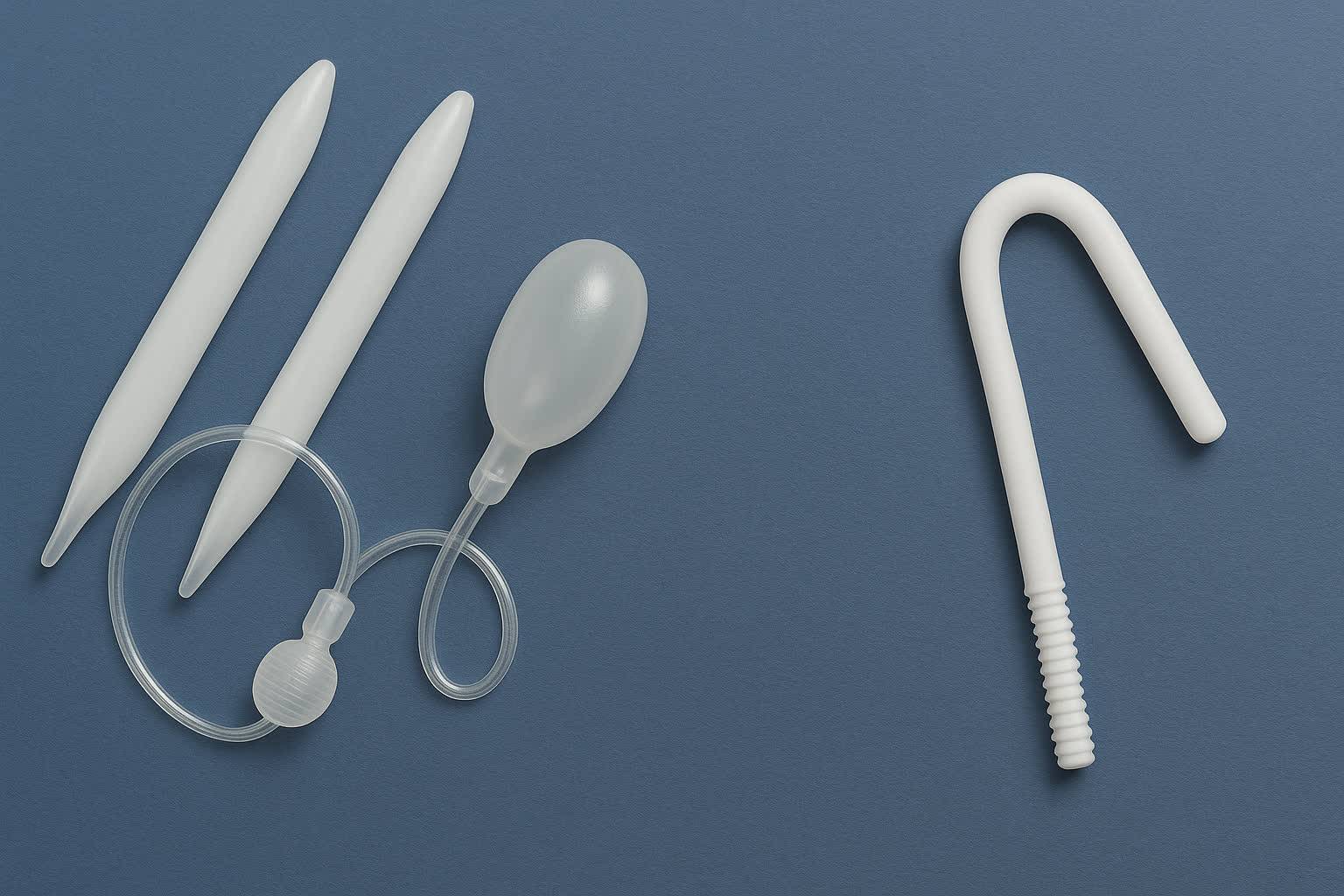
The most suitable surgeon is usually a urologist or andrologist with experience in both malleable and inflatable penile implants. The surgeon should be able to explain the difference between implant types and recommend the best option for the patient’s case.
Ask about:
The doctor’s specialty.
Years of experience in andrology.
Experience with penile implants.
Whether the surgery is performed regularly.
Experience with complex cases.
Experience with fibrosis or Peyronie’s disease.
Experience with revision surgery.
Hospital facilities.
Postoperative follow-up team.
These questions are not meant to challenge the doctor. They protect the patient.
Experience With Complex Cases
Some patients have conditions that make surgery more difficult, such as Peyronie’s disease, severe fibrosis after injections, poorly controlled diabetes, previous prostate surgery, pelvic trauma, or a failed previous implant. These cases require higher experience.
Complex cases may include:
Peyronie’s disease with curvature.
Corporal fibrosis.
Failed previous implant.
Previous implant infection.
Diabetes with higher infection risk.
Previous prostate surgery.
Pelvic injury.
Penile shortening after long-term ED.
Severe venous leak.
Cases needing additional correction.
If the case is complex, the patient should choose a surgeon with clear experience in that specific area.
Read about: Types of Penile Implants and Benefits of Flexible Devices
What Should Happen During the First Consultation?
The first consultation should be detailed and clear. It should not be only a quick discussion of the surgery and price. A good doctor starts by understanding the cause of erectile dysfunction, duration of the problem, previous treatments, chronic diseases, medications, psychological factors, and expectations.
A good consultation gives the patient time to ask questions and helps the doctor determine whether a penile implant is appropriate now or whether other treatments should be tried first.
Evaluating the Cause of Erectile Dysfunction
Before implant surgery, the doctor should confirm that erectile dysfunction is persistent and severe, and that appropriate treatments have failed or are unsuitable. The cause may be vascular, neurological, hormonal, psychological, or mixed. Some patients may need additional testing before surgery.
Evaluation may include:
Sexual history.
Duration of erectile dysfunction.
Morning erections.
Response to medication.
Previous injections or vacuum device use.
Diabetes and blood pressure assessment.
Testosterone evaluation when needed.
Medication review.
Examination for curvature or fibrosis.
Cardiac evaluation when needed.
A good surgeon does not rush to surgery when treatable causes may still exist.
Explaining Alternatives Before Surgery
A penile implant is usually discussed when other treatments fail or are unsuitable. Therefore, the doctor should explain alternatives such as oral medications, penile injections, vacuum erection devices, hormone treatment when indicated, and treatment of underlying causes.
Alternatives may include:
Erectile dysfunction medications.
Lifestyle changes.
Diabetes or blood pressure control.
Testosterone treatment when deficiency is confirmed.
Penile injections.
Vacuum erection device.
Psychological or sexual therapy.
Relationship counseling.
Peyronie’s disease treatment when needed.
Penile implant as a long-term solution.
If alternatives are not explained, the patient may not be making a balanced decision.
Read about: Hydraulic Penile Implant vs Flexible: Which Offers Better Control
Signs of a Good Penile Implant Surgeon
A good surgeon does not sell the surgery. They explain it. The surgeon should clearly describe what the implant can and cannot achieve, allow questions, review medical history, discuss risks, and explain recovery and follow-up realistically.
The right surgeon does not promise guaranteed enlargement or a 100% risk-free result. In medicine, no surgery is free of risk, and a penile implant is a device that may need future follow-up or replacement.
Transparency About Expectations
Realistic expectations are essential for satisfaction after implant surgery. The doctor should explain that the implant provides mechanical rigidity for intercourse but does not increase sexual desire, treat ejaculation problems, improve fertility, or guarantee increased length.
The surgeon should clarify that:
The goal is rigidity for intercourse.
The implant does not increase libido.
It does not treat ejaculation problems.
It does not improve fertility.
Penile length may not increase.
Sensation may feel different.
Training is needed.
Infection and malfunction are possible.
Future replacement may be needed.
Satisfaction depends on realistic expectations.
A doctor who promises unrealistic outcomes may increase disappointment after surgery.
Clear Discussion of Risks
Every surgery carries risks. Penile implant surgery may involve infection, bleeding, pain, swelling, mechanical malfunction, erosion, dissatisfaction with appearance or size, or need for revision surgery. Discussing risks does not mean the surgery is bad. It means the doctor is honest.
The doctor should discuss:
Infection risk.
Bleeding and hematoma.
Pain and swelling.
Mechanical malfunction.
Possibility of replacement.
Complexity of certain cases.
Effect of diabetes and smoking.
Postoperative instructions.
Warning signs.
Plan for managing complications.
If risks are ignored completely, this is not a good sign.
Read about: Latest Controllable Penile Implants: Features and Benefits
Questions to Ask the Surgeon
Asking questions before surgery helps the patient understand the plan and feel more confident. Patients should not feel embarrassed, because penile implant surgery is a long-term and sensitive decision.
The goal is not to doubt the doctor, but to make sure the patient understands all details before giving consent.
Questions About Experience and Surgery
Patients can ask:
How many penile implant surgeries do you perform approximately?
Do you implant both malleable and inflatable devices?
Which type fits my case and why?
Is my case simple or complex?
Do I have fibrosis or curvature that needs correction?
Where will the surgery be performed?
What anesthesia is expected?
How long does the procedure take?
How long will I stay in the hospital?
When can I return to work?
When can I use the implant?
The answers should be clear and understandable, not vague.
Questions About Results and Follow-Up
Patients should also ask about expected results and follow-up, because training and aftercare are important parts of implant success.
Important questions include:
What should I expect in appearance and rigidity?
Will my length change?
How will I learn to use the implant?
When will the implant be activated?
How many follow-up visits are needed?
What are infection warning signs?
What should I do if pain is severe?
What happens if the implant malfunctions?
Can it be replaced in the future?
What are the postoperative instructions?
Is there a team I can contact after surgery?
A good surgeon provides a clear plan after surgery, not only on the surgery day.

Choosing the Hospital and Medical Team
Penile implant success depends not only on the surgeon but also on the hospital, sterilization, anesthesia, nursing care, and follow-up. The procedure requires a clean and well-equipped surgical environment, especially because infection is one of the most important complications to prevent.
The hospital should be able to manage anesthesia, chronic diseases, emergencies, and postoperative follow-up.
Importance of Sterilization and Infection Prevention
Infection prevention is one of the most important parts of penile implant surgery. Because the implant is a device placed inside the body, infection can be serious and may require removal of the device in some cases. The medical team should follow clear prevention protocols.
Important factors include:
Equipped operating room.
Strict sterilization.
Appropriate antibiotics.
Efficient surgical time.
Proper skin preparation.
Blood sugar control before surgery.
Avoiding surgery during active infection.
Wound follow-up.
Patient education on infection signs.
Fast communication if problems occur.
Patients with diabetes or immune weakness need extra attention to this point.
Anesthesia and Follow-Up Team
Some patients have heart disease, diabetes, high blood pressure, or take blood thinners. An experienced anesthesiologist and follow-up team are important. A good surgeon works within a system, not alone.
A good team provides:
Preoperative anesthesia assessment.
Blood-thinner review.
Diabetes and blood pressure control.
Pain control after surgery.
Written instructions.
Wound follow-up.
Implant training.
Follow-up for swelling or pain.
Emergency plan when needed.
These details affect safety and comfort after surgery.
Read about: Penile Implant Surgery Success Rates: What Patients Should Expect
Comparing Prices Is Not Enough
It is natural to ask about the cost of penile implant surgery, but price alone should not guide the decision. Costs vary according to implant type, surgeon experience, hospital, anesthesia, length of stay, tests, and follow-up.
Choosing the cheapest option without understanding the details may affect quality or follow-up. On the other hand, the highest price does not always mean the best choice. What matters is what the package includes and who performs the surgery.
What Should the Price Include?
Before deciding, the patient should understand what the financial quote includes. Does it include the implant device? Hospital? Anesthesia? Hospital stay? Tests? Follow-up? Medications? Are there extra costs if the patient needs a longer stay?
Ask about:
Implant type and brand.
Surgeon fee.
Hospital fee.
Anesthesia.
Length of stay.
Preoperative tests.
Medications.
Postoperative follow-up.
Implant training.
Possible extra costs.
Financial transparency is part of medical trust.
Why the Lowest Price Can Be Misleading
A low price may look attractive, but it may not include all important details. Sometimes it excludes tests, follow-up, hospital quality, or the exact device type. Therefore, offers should be compared carefully.
Be careful with:
Guaranteed-result promises.
No clear implant type.
No hospital name.
No postoperative follow-up.
No discussion of complications.
Focus on price only.
Pressure to decide quickly.
No proper medical evaluation.
The safest choice depends on full medical value, not price alone.
Read about: Post-Surgery Penile Implant Rehab: Tips for Restoring Healthy Intimacy
Warning Signs When Choosing a Surgeon
Some signs may suggest that a surgeon or center may not be the best choice. These signs do not always prove a problem, but they should encourage patients to ask more questions or seek another opinion.
If questions are not welcomed, risks are not mentioned, or the surgery is presented as a miracle solution, it may be better to take a second opinion.
Unrealistic Promises
A warning sign is when a doctor promises a guaranteed result, certain length increase, or no complications. Medicine does not work that way, and penile implants have clear limits.
Be careful with promises such as:
100% guaranteed result.
Guaranteed major length increase.
No complications at all.
No pain at all.
Immediate return to sex.
No need for follow-up.
Implant is suitable for everyone.
No tests are needed.
Chronic diseases do not matter.
Pressure to pay quickly.
A good doctor explains both success and risk.
Poor Communication or No Follow-Up
Good communication before and after surgery is essential. If the team is difficult to reach, instructions are unclear, or there is no follow-up plan, the patient may feel unsafe after surgery.
Warning signs include:
Vague answers.
No explanation of implant type.
Inadequate examination.
No medication review.
No questions about diabetes or heart disease.
No written instructions.
No follow-up appointment.
Difficult communication after surgery.
Ignoring patient questions.
No explanation of implant use.
Penile implant surgery requires an ongoing medical relationship, not a one-day procedure.
Read about: Penile Implant Cost in Turkey and Financing Options
Patient Role in Surgical Success
Success does not depend only on the surgeon. The patient also has an important role in preparation, controlling medical conditions, following instructions, wound care, and attending follow-up visits. Better cooperation often supports better recovery.
The decision should be informed, not rushed or based only on emotional pressure.
Preparation Before Surgery
Before surgery, patients should optimize their health as much as possible. Diabetes control, smoking cessation, treating infections, and informing the doctor about all medications are important for reducing risks.
Preparation includes:
Control blood sugar.
Control blood pressure.
Inform the doctor about blood thinners.
Treat urinary or skin infections.
Stop smoking when possible.
Cardiac review when needed.
Understand the implant type.
Read surgery instructions.
Arrange recovery time.
Prepare follow-up questions.
Good preparation reduces anxiety and complications.
Following Instructions After Surgery
After surgery, patients must follow instructions carefully. The implant should not be used before activation, infection signs should not be ignored, and activity or sexual intercourse should not resume before medical approval.
After surgery, patients should:
Take medications as prescribed.
Keep the wound clean.
Avoid excessive effort.
Attend follow-up visits.
Report fever or redness.
Avoid using the implant too early.
Learn how to operate it.
Follow training instructions.
Avoid pressure on the area.
Contact the team for unusual symptoms.
These steps are part of surgical success.
Read about: Penis Implants: Cost Types Turkey vs USA
Conclusion
Choosing the best surgeon for penile implant surgery requires careful evaluation, not a quick decision based on price or advertising. The right surgeon has experience in male sexual surgery, explains alternatives, discusses risks, chooses the implant according to the patient’s case, and provides a clear follow-up plan before and after surgery.
Patients should look for transparency, experience, hospital quality, infection-prevention protocols, and good communication. They should also avoid unrealistic promises such as guaranteed length increase or zero complications. A penile implant can be an effective long-term solution for erectile dysfunction, but success depends on the right patient, the right surgeon, and realistic expectations.
Frequently Asked Questions: Choosing the Best Penile Implant Surgeon
What is the most important factor when choosing a penile implant surgeon?
Experience in penile implant and male sexual surgery, along with clear counseling about risks, expectations, and follow-up.
Is implant type more important than the surgeon?
Implant type is important, but surgeon experience, accurate sizing, infection prevention, and follow-up are equally important.
What should I ask before surgery?
Ask about surgeon experience, suitable implant type, risks, recovery time, when the implant can be used, and follow-up plan.
Does the lowest price mean the best option?
Not necessarily. The quote should be reviewed for implant type, hospital, anesthesia, medications, and postoperative follow-up.
When should I seek a second opinion?
If promises are unrealistic, risks are not explained, evaluation is incomplete, or there is pressure to decide quickly.