





When a heart valve develops severe narrowing or regurgitation, intervention may become necessary to restore efficient blood flow and prevent progressive strain on the heart. One of the most important decisions is whether the patient's native valve can be repaired or whether replacement will provide a safer and more durable result.
The answer depends on the valve involved, the cause of disease, the extent of tissue damage, ventricular function, age, surgical risk, and the likelihood that a repair will remain effective for many years. Durable repair is strongly preferred for many cases of primary degenerative mitral regurgitation, while replacement remains the principal intervention for severe calcific aortic stenosis.
At Safemedigo, repair and replacement are not considered competing procedures. The objective is to choose the strategy that provides the best long-term valve function with the lowest overall lifetime risk.
How Repair Differs From Replacement
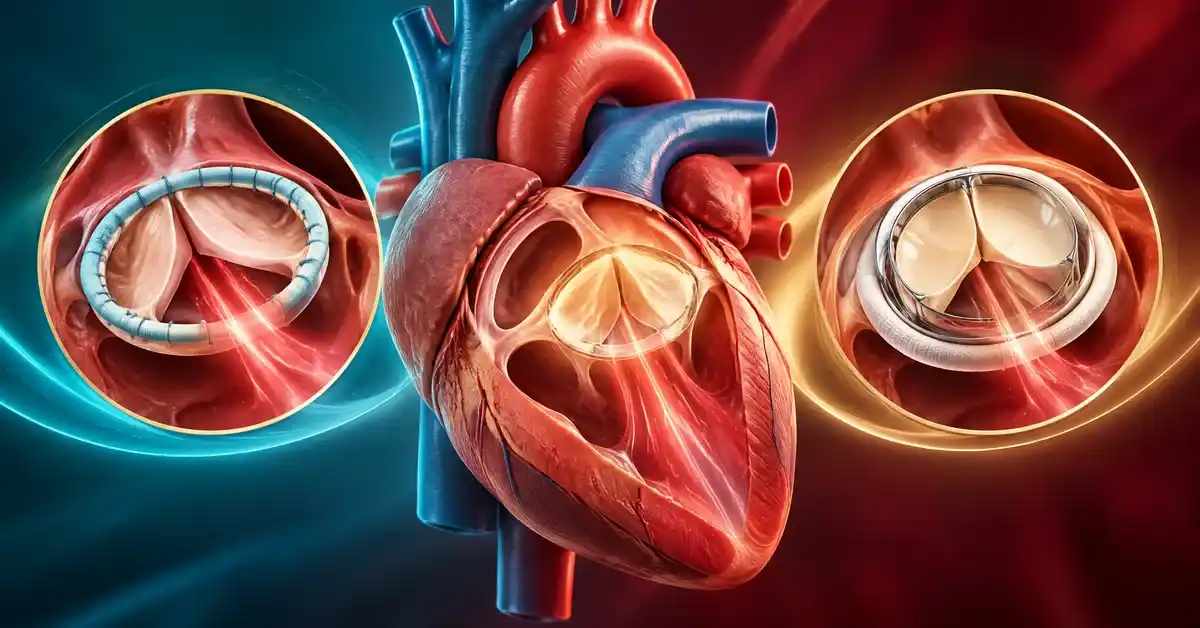
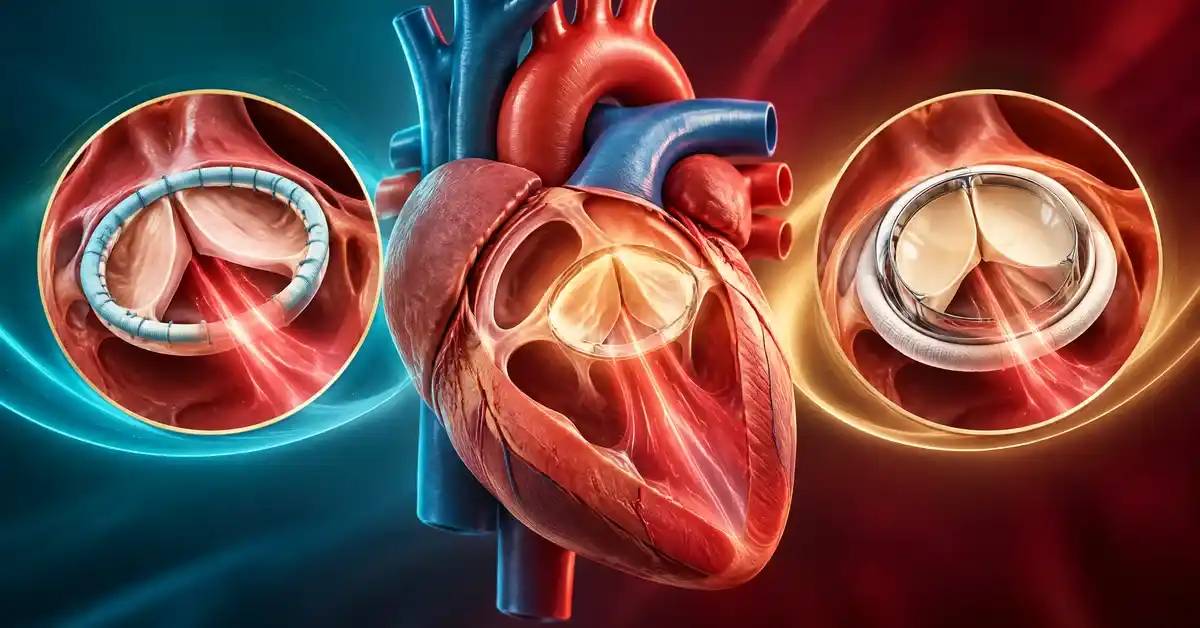
Valve repair preserves the patient's own valve and corrects the structures responsible for dysfunction. Replacement removes or bypasses the diseased valve and inserts a prosthetic valve.
Heart Valve Repair
Repair techniques can include reducing a dilated annulus with a ring, reshaping valve leaflets, reconstructing damaged tissue, or replacing abnormal chordae.
For primary mitral regurgitation, surgical repair remains the preferred treatment when a durable result is expected.
Heart Valve Replacement
Replacement becomes appropriate when tissue is too calcified, fibrotic, destroyed, or anatomically unsuitable for reliable repair.
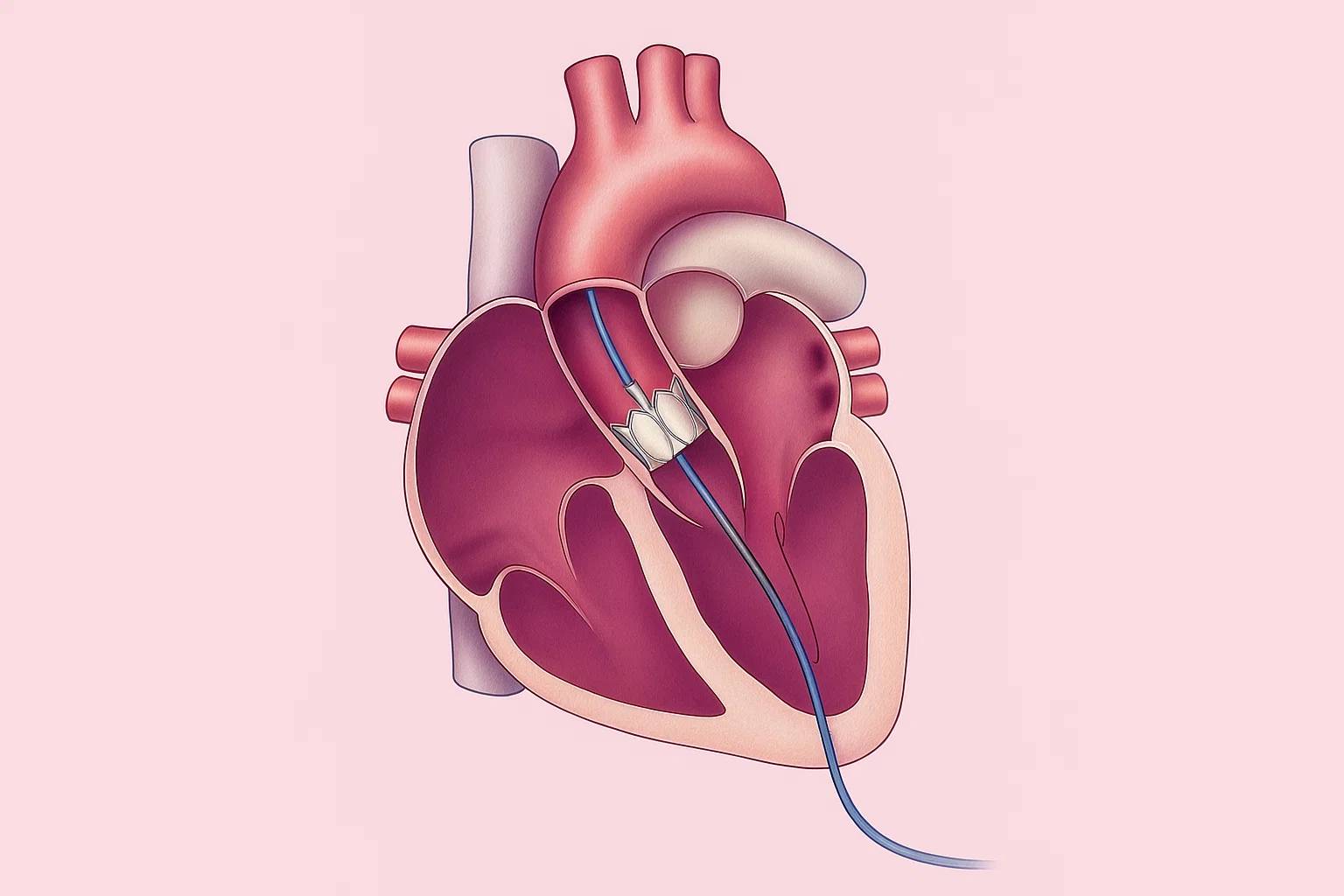
The new valve may be mechanical or biological and can be implanted surgically or, for selected conditions, through a transcatheter approach.
Is Repair Always Less Invasive?
No.
Complex valve reconstruction can be technically demanding and may require the same surgical access as replacement.
The advantage of repair is not simply a smaller operation. Its value lies in preserving native valve function and avoiding several prosthetic-valve complications when the repair is expected to remain durable.
Read about: The Best Tests Before Open Heart Surgery
When Valve Repair Is Preferred
The potential benefit of repair varies considerably between different valves and different causes of valve disease.
Mitral Valve Repair
Degenerative primary mitral regurgitation is the classic situation in which repair is favored.
Repair can involve leaflet reconstruction, artificial chordae, and annuloplasty. A successful durable repair preserves ventricular-valve interaction and avoids a permanent prosthetic valve.
Aortic Valve Repair
Aortic repair is possible in selected patients, particularly some younger individuals with aortic regurgitation, suitable cusp tissue, or enlargement of the aortic root.
Valve-sparing root surgery and aortic valve repair require experienced surgical teams because durability depends heavily on anatomy and repair quality.
Tricuspid Valve Repair
Repair is commonly preferred for significant tricuspid regurgitation, particularly when it is addressed during another left-sided valve operation.
Annuloplasty can restore a more appropriate valve-ring size and improve leaflet coaptation, while replacement is generally reserved for valves that cannot be repaired reliably.
Read about: Essential Tests Before Open Heart Surgery
When Replacement Becomes Necessary
Preserving a native valve is not useful if the reconstructed valve is likely to fail or remain significantly dysfunctional.
Severe Calcification
Advanced calcification can make valve leaflets rigid and incapable of opening normally.
This is particularly important in calcific aortic stenosis, where replacement rather than repair is usually required. The replacement may be surgical or transcatheter depending on anatomy, age, lifetime considerations, and procedural risk.
Rheumatic Valve Disease
Rheumatic disease can produce leaflet thickening, fibrosis, calcification, and abnormal chordae.
Some valves remain repairable, but replacement may provide greater durability when the damage is extensive.
Destructive Endocarditis
Valve repair can sometimes be performed after infected tissue is removed.
If infection has caused extensive leaflet or supporting-structure destruction, replacement may be necessary.
Unreliable Repair
In secondary mitral regurgitation caused by ventricular remodeling, the main problem can involve the geometry of the ventricle rather than only the valve leaflets.
Repair can therefore be less durable in certain anatomical patterns, making replacement or transcatheter treatment reasonable alternatives in selected patients.
Read about: Open Heart Surgery Cost: Turkey vs USA
Mechanical vs Biological Valves
If replacement is required, the next decision concerns the type of prosthetic valve.
Mechanical Heart Valves
Mechanical valves are extremely durable and can function for decades.
Their major trade-off is the requirement for lifelong anticoagulation with a vitamin K antagonist to prevent valve thrombosis and systemic embolism. Regular INR monitoring is therefore necessary.
Biological Heart Valves
Bioprosthetic valves are generally made from treated biological tissue.
They usually allow patients to avoid lifelong anticoagulation solely because of the valve, although anticoagulation may still be needed for atrial fibrillation or another condition.
Their main disadvantage is structural degeneration over time, which tends to occur earlier in younger patients.
More Than an Age Decision
Valve choice is no longer determined by age alone.
Life expectancy, bleeding risk, pregnancy plans, existing anticoagulation, willingness to undergo INR monitoring, likelihood of future reintervention, and the possibility of a future valve-in-valve procedure all influence the decision.
Shared lifetime planning is therefore more useful than applying one rigid age cutoff to every patient.

The Growing Role of Transcatheter Treatment
Modern valve therapy is no longer limited to conventional open-heart repair or replacement.
TAVI for Aortic Stenosis
Transcatheter aortic valve implantation allows a biological valve to be positioned inside the diseased aortic valve, most commonly through an artery in the groin.
The choice between TAVI and surgical replacement is based on age, vascular and valve anatomy, expected lifespan, surgical risk, and long-term management strategy.
Mitral TEER
Transcatheter edge-to-edge repair reduces mitral regurgitation by bringing selected portions of the valve leaflets together.
For operable primary mitral regurgitation with a high likelihood of durable repair, surgery remains preferred. TEER has become an important alternative for appropriately selected patients at high surgical risk.
Tricuspid Transcatheter Therapy
Transcatheter tricuspid repair and replacement options are expanding for patients with severe regurgitation and increased surgical risk.
Selection depends heavily on right-ventricular function, pulmonary pressures, valve anatomy, and overall clinical condition.
Read about: Cost of Open Heart Surgery in Turkey 2026
Choosing the Right Treatment
The best treatment begins with understanding the mechanism of valve disease rather than choosing a procedure first.
Imaging Guides the Decision
Echocardiography determines valve anatomy, the severity of stenosis or regurgitation, chamber size, ventricular function, and pulmonary pressures.
Three-dimensional transesophageal echocardiography, CT, or cardiac MRI can provide additional information when anatomy is complex.
Repair Experience Matters
Durable valve repair can depend strongly on surgeon and center experience, especially for complex mitral or aortic reconstruction.
A valve that is theoretically repairable should only be repaired when there is a high likelihood of obtaining an effective and lasting result. Current care increasingly emphasizes multidisciplinary evaluation for complex valve disease.
Follow-Up Continues After Treatment
Both repaired and replaced valves require ongoing cardiac follow-up.
Echocardiography is used to monitor valve function, recurrent regurgitation, prosthetic deterioration, and changes in ventricular function. Patients with prosthetic valves may also require specific medication and anticoagulation monitoring depending on valve type.
Read about: Genetic Heart Diseases: Can Early Intervention Prevent
Conclusion
Heart valve repair preserves the native valve and is particularly attractive when a durable reconstruction can be achieved, especially in primary degenerative mitral regurgitation. Replacement becomes more appropriate when the valve is severely calcified, destroyed, or unlikely to remain functional after repair.
When replacement is necessary, mechanical and biological valves involve different trade-offs between durability, anticoagulation, bleeding risk, and future reintervention. Transcatheter therapies have added further options for selected patients who may avoid conventional open-heart surgery.
Frequently Asked Questions: Heart Valve Repair vs Replacement
Is valve repair better than replacement?
When a durable repair is possible, preserving the native valve is preferred in several conditions, particularly degenerative primary mitral regurgitation.
Does valve repair require lifelong blood thinners?
Not usually because of the repair itself, although anticoagulation may still be necessary for atrial fibrillation or another medical indication.
How long does a replacement heart valve last?
Mechanical valves are highly durable. Biological valves have limited structural durability, which varies with age, valve type, and individual factors.
Can a heart valve be replaced without open-heart surgery?
Yes. TAVI is widely used for selected aortic valve disease, while transcatheter mitral and tricuspid procedures are also available for appropriate patients.
Can the mitral valve be repaired instead of replaced?
Yes. Repair is preferred for many cases of primary mitral regurgitation when anatomy allows a durable result.