





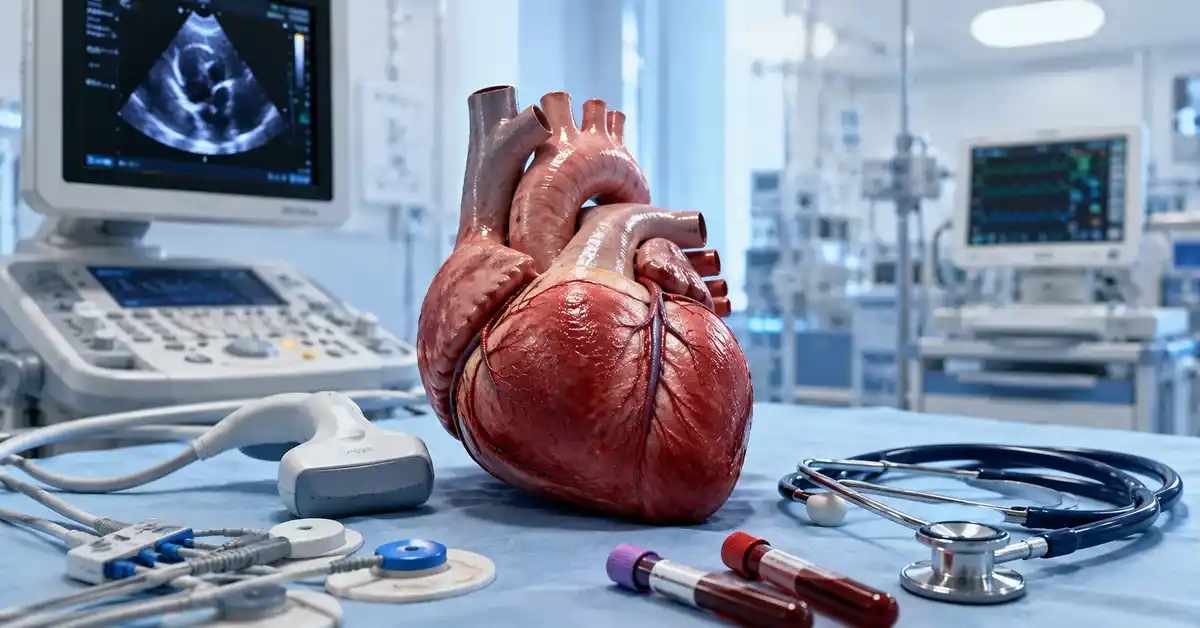
Tests before open-heart surgery are a critical part of the patient’s treatment journey. They help the medical team understand the heart condition in detail, evaluate the function of vital organs, assess anesthesia risks, and create a safer surgical plan. Open-heart surgery is not only a surgical decision; it is a major medical procedure that requires careful preparation before the patient enters the operating room.
Preoperative tests for heart surgery vary according to the type of operation. A patient preparing for coronary artery bypass surgery may need different testing from a patient undergoing valve repair, valve replacement, aortic surgery, or complex heart surgery. The required tests also depend on age, diabetes, kidney disease, lung disease, previous stroke, high blood pressure, heart failure, abnormal rhythm, or use of blood-thinning medications.
Essential tests before open-heart surgery may include ECG, echocardiogram, cardiac catheterization, CT scan, blood work, chest X-ray, lung function testing, anesthesia evaluation, and additional vascular studies when needed. The goal is not only to confirm the diagnosis, but also to understand whether the body can safely tolerate surgery and recover afterward.
At Safemedigo, preparing for an open-heart surgery procedure is organized step by step. Medical reports, imaging, laboratory results, and previous cardiac evaluations are reviewed first. Then, the required pre-surgery heart checkup is coordinated with the cardiac surgery and anesthesia teams, so the patient and family clearly understand the preparation plan before surgery.
Introduction: Why Are Tests Important Before Open-Heart Surgery?
Tests before open-heart surgery are important because this type of surgery involves the heart, lungs, circulation, anesthesia, and intensive care. It is not enough to know that a patient has blocked arteries or a valve problem. The team must know how severe the disease is, how strong the heart muscle is, how the lungs and kidneys are functioning, whether anemia or infection is present, and whether there are additional risks that may affect the operation.
Preoperative assessment for heart surgery helps answer important questions. Is the patient ready for surgery now? Is additional treatment needed first? Should blood thinners be stopped or adjusted? Is there a kidney or lung problem that may change the plan? Does the patient need coronary imaging, carotid artery evaluation, or additional tests because of age or chronic disease?
This is why medical tests before open-heart surgery are not just routine paperwork. They are part of a safety strategy designed to reduce complications, prepare the patient properly, and improve the quality of the surgical decision.
Importance of essential tests before open-heart surgery
The importance of essential tests before open-heart surgery lies in reducing surprises during and after the operation. Every piece of information helps the cardiac surgeon, cardiologist, anesthesiologist, and intensive care team prepare a safer plan.
These tests may help assess:
- The severity of heart disease.
- Heart muscle strength.
- Coronary artery blockage.
- Valve structure and function.
- Abnormal heart rhythm.
- Kidney and liver function.
- Hemoglobin level.
- Blood clotting status.
- Infection or inflammation.
- Lung function before anesthesia.
- Surgical risk in older patients.
- Need for additional imaging.
- Medication adjustments before surgery.
- Expected intensive care needs.
The more complete the evaluation, the clearer and safer the surgical plan becomes.
Who arranges the preoperative tests for heart surgery?
Preoperative tests for heart surgery are usually arranged by a multidisciplinary team. This may include the cardiologist, cardiac surgeon, anesthesiologist, intensive care team, laboratory department, radiology team, and sometimes pulmonologists, nephrologists, neurologists, endocrinologists, or vascular specialists.
The cardiologist often determines the need for coronary angiography, ECG, echocardiogram, or cardiac imaging. The cardiac surgeon determines what anatomical and functional information is needed for the operation. The anesthesiologist evaluates whether the patient can safely undergo general anesthesia and reviews breathing, medications, allergies, previous operations, and chronic diseases.
For international patients, Safemedigo helps collect previous reports, identify missing tests, coordinate appointments, and explain which evaluations can be completed before travel and which should be done after arrival, depending on urgency and surgical planning.
Read about: Symptoms of Coronary Artery Blockage and Treatment Options
Main Cardiac Tests: ECG and Echocardiogram
The main cardiac tests before open-heart surgery usually include an ECG and an echocardiogram. These two tests provide different but complementary information. ECG records the electrical activity of the heart, while echocardiogram evaluates the heart’s structure, pumping function, chambers, and valves.
These tests are often among the first cardiac tests before surgery. However, they may not replace coronary angiography, CT scan, or more advanced imaging when the patient has coronary artery disease, valve disease, aortic disease, or complex heart conditions.
Main cardiac testing helps the team understand whether the heart is stable before surgery and whether there are additional issues such as weak heart muscle, valve leakage, valve narrowing, pulmonary hypertension, fluid around the heart, or rhythm abnormalities.
ECG before heart surgery
ECG before heart surgery, also called electrocardiogram or EKG, is a quick and non-invasive test that records the electrical signals of the heart. Small electrodes are placed on the chest and limbs, and the machine produces a tracing that shows heart rhythm and electrical activity.
An ECG before heart surgery may help detect:
- Abnormal heart rhythms.
- Atrial fibrillation.
- Slow or fast heart rate.
- Previous heart attack signs.
- Possible ischemic changes.
- Electrical conduction problems.
- Chamber enlargement patterns.
- Need for further cardiac evaluation.
- Anesthesia-related rhythm risks.
ECG does not show everything about the heart, but it is important because it gives a fast view of electrical stability. If a significant abnormality is found, the medical team may adjust treatment or request additional tests.
Echocardiogram before heart surgery
Echocardiogram before heart surgery uses ultrasound waves to assess heart structure and function. It shows how well the heart pumps, how the heart walls move, how the valves open and close, and whether there is narrowing, leakage, or increased pressure in the lungs.
An echocardiogram may evaluate:
- Ejection fraction.
- Heart muscle strength.
- Mitral valve function.
- Aortic valve function.
- Tricuspid valve function.
- Valve leakage.
- Valve narrowing.
- Pulmonary artery pressure.
- Fluid around the heart.
- Chamber size.
- Wall motion abnormalities.
- Changes compared with previous scans.
Echocardiogram is especially important before valve surgery, bypass surgery in patients with weak heart muscle, and operations where the surgeon needs detailed information about heart function. If the images are unclear or the case is complex, a transesophageal echocardiogram or additional imaging may be requested.
Read about: Non-Surgical Artery Blockage Treatments: Latest Advances
Cardiac Catheterization and Imaging of Coronary Arteries
Cardiac catheterization and imaging of coronary arteries are among the most important tests before open-heart surgery when coronary artery disease is suspected or confirmed. These tests help identify the location, number, and severity of blockages in the coronary arteries.
Not every open-heart surgery requires catheterization in the same way. For coronary artery bypass surgery, coronary angiography is usually a key part of planning. For valve surgery, coronary assessment may be needed depending on age, symptoms, risk factors, diabetes, smoking, high cholesterol, or chest pain.
The purpose of coronary imaging before surgery is to avoid missing important artery disease that may need to be treated during the same operation. It also helps decide whether surgery, stenting, medication, or another approach is most appropriate.
Cardiac catheterization before surgery
Cardiac catheterization before surgery is a procedure in which a thin tube is inserted through an artery, usually in the wrist or groin, and guided toward the heart. Contrast dye is injected to visualize the coronary arteries.
Cardiac catheterization before surgery may help:
- Confirm coronary artery disease.
- Identify blocked arteries.
- Measure the severity of narrowing.
- Evaluate the left main coronary artery.
- Plan coronary artery bypass surgery.
- Decide whether stenting or surgery is better.
- Assess coronary arteries before valve surgery when needed.
- Compare symptoms with the severity of blockage.
Cardiac catheterization is an important but invasive test. Before the procedure, kidney function, contrast allergy risk, and blood-thinning medications may need to be reviewed.
CT scan before open heart surgery
CT scan before open-heart surgery may be used in selected patients to evaluate coronary arteries, the aorta, valve calcification, previous surgical anatomy, or complex chest structures. CT coronary angiography can sometimes assess the coronary arteries non-invasively.
A CT scan may be useful for:
- Coronary artery evaluation in selected cases.
- Aortic aneurysm or dissection assessment.
- Planning aortic surgery.
- Detecting severe calcification.
- Reviewing anatomy before repeat surgery.
- Evaluating chest structures.
- Surgical planning in complex cases.
- Assessing vascular access in selected procedures.
CT scan is not ideal for every patient. Severe calcification, irregular heart rhythm, kidney disease, or contrast concerns may limit its use. The doctor decides whether CT scan, traditional catheterization, or another test is most appropriate.

Blood Tests and Laboratory Examinations
Blood tests and laboratory examinations are essential before open-heart surgery. They help evaluate whether the body is ready for surgery and whether there are problems that need correction before anesthesia and the operation.
Blood work before open-heart surgery may check for anemia, infection, kidney function, liver function, electrolytes, blood sugar, clotting status, and blood type. Some tests are performed days before surgery, while others may be repeated shortly before the operation to confirm stability.
Laboratory testing also helps the hospital prepare for possible blood transfusion, manage blood thinners, adjust diabetes medications, and reduce preventable complications.
Blood tests before open-heart surgery
Blood tests before open-heart surgery may include a range of important evaluations, such as:
- Complete blood count.
- Hemoglobin.
- White blood cell count.
- Platelet count.
- Kidney function tests.
- Creatinine and urea.
- Electrolytes such as sodium and potassium.
- Liver function tests.
- Blood glucose.
- HbA1c in diabetic patients.
- Coagulation tests such as PT, INR, and aPTT.
- Blood type and crossmatch.
- Urine analysis in selected cases.
- Infection screening according to hospital protocol.
- Viral testing when required by the hospital.
If anemia, clotting abnormality, uncontrolled blood sugar, or kidney dysfunction is found, the team may treat or stabilize the patient before surgery when possible.
Inflammation and infection markers before surgery
Inflammation and infection markers before surgery are important because active infection may increase the risk of complications after open-heart surgery. Infection may affect the lungs, urinary tract, skin, teeth, bloodstream, or surgical wound risk.
Tests and assessments may include:
- White blood cell count.
- CRP when needed.
- Urine culture if symptoms are present.
- Nasal or skin swabs according to protocol.
- MRSA screening in some hospitals.
- Dental evaluation in selected valve surgery cases.
- Temperature and symptom review.
- Chest infection assessment.
- Skin and wound check.
- Viral screening when needed.
If an active infection is detected, treatment may be required before surgery unless the operation is urgent and cannot be delayed.
Read about: Cardiac Catheterization for Artery Blockage Treatment
Chest X-Ray and Imaging Before Surgery
Chest X-ray and imaging before surgery help evaluate the lungs, heart size, chest structures, fluid buildup, infection, and chronic lung problems. Chest X-ray before heart surgery is a common part of preoperative evaluation because lung condition can affect anesthesia and recovery.
Some patients need additional imaging, such as chest CT, aortic CT angiography, cardiac MRI, or nuclear imaging. These are usually requested when the operation is complex, the patient has aortic disease, the patient has had previous surgery, or more detailed information is needed.
Imaging helps the surgeon understand anatomy, helps the anesthesiologist assess breathing risk, and helps the care team plan intensive care and postoperative monitoring.
Chest X-ray before heart surgery
Chest X-ray before heart surgery provides a basic image of the heart and lungs. It may show heart enlargement, lung congestion, fluid around the lungs, infection, previous surgical changes, or chronic lung disease.
Chest X-ray may help assess:
- Heart size.
- Lung congestion.
- Fluid in or around the lungs.
- Possible pneumonia.
- Chronic lung disease.
- Chest bone structure.
- Previous surgery signs.
- Anesthesia breathing risk.
- Baseline condition before surgery.
If an abnormality appears on the chest X-ray, further imaging or treatment may be needed before surgery.
Advanced imaging for preoperative assessment
Advanced imaging for preoperative assessment is requested only when needed. It may include CT scan, cardiac MRI, nuclear perfusion imaging, or other specialized studies depending on the patient’s condition.
Cardiac MRI may help assess:
- Heart muscle viability.
- Scar tissue.
- Cardiomyopathy.
- Congenital heart disease.
- Cardiac masses in rare cases.
- Aortic disease.
- Details not clearly seen on echocardiogram.
Nuclear imaging may help assess blood flow to the heart muscle or determine whether areas of weak heart muscle may benefit from restored blood supply. These tests are not routine for every patient, but they can be important in selected cases.
Read about: Treating Coronary Artery Blockage with Non-Surgical Techniques
Vascular and Carotid Artery Examinations
Vascular and carotid artery examinations may be needed before open-heart surgery in selected patients, especially older adults or those with a history of stroke, transient ischemic attack, carotid artery disease, peripheral artery disease, diabetes, long-term smoking, or poor circulation in the legs.
The carotid arteries supply blood to the brain. Severe narrowing may increase the risk of stroke during or after heart surgery. This is why carotid artery ultrasound may be requested in patients with higher risk.
Peripheral vascular ultrasound may also be needed if the patient has leg symptoms or if the surgeon plans to use a vein from the leg for coronary artery bypass grafting. These tests help reduce wound and circulation-related complications.
Carotid artery ultrasound before heart surgery
Carotid artery ultrasound before heart surgery is a non-invasive test that uses sound waves to evaluate blood flow in the neck arteries. It can detect narrowing, plaque, and reduced flow.
This test may be considered when there is:
- Previous stroke.
- Transient ischemic attack.
- Carotid bruit.
- Known carotid disease.
- Widespread vascular disease.
- Diabetes with vascular risk.
- Older age with risk factors.
- Planned high-risk cardiac surgery.
- Neurological symptoms.
If severe narrowing is found, the surgical plan may need modification or additional evaluation by vascular or neurological specialists.
Peripheral vascular ultrasound before surgery
Peripheral vascular ultrasound before surgery may be requested if the patient has leg pain while walking, weak pulses, cold feet, diabetes, long smoking history, or known peripheral artery disease. Vein mapping may also be done if a leg vein will be used for bypass surgery.
This testing may help:
- Assess blood flow in the legs.
- Detect blocked or narrowed arteries.
- Evaluate veins for bypass graft use.
- Reduce leg wound complications.
- Plan vein harvesting.
- Estimate wound healing risk.
- Evaluate diabetic patients.
- Identify vascular problems before surgery.
These examinations are particularly important in older patients and those with diabetes, smoking history, or vascular disease.
Read about: Coronary Artery Replacement: Turkey vs Germany
Lung Function and Anesthesia Evaluation
Lung function and anesthesia evaluation are essential parts of preparation before open-heart surgery. The operation is performed under general anesthesia, and patients usually need a breathing machine during surgery and for a period afterward. Therefore, the medical team must assess whether the lungs can tolerate anesthesia and recovery.
Patients with asthma, chronic obstructive pulmonary disease, long-term smoking, obesity, sleep apnea, or active chest infection may need more detailed evaluation. Pulmonary function tests or consultation with a lung specialist may be requested when breathing risk is significant.
The anesthesiologist reviews medical history, medications, allergies, previous anesthesia problems, airway assessment, heart and lung function, kidney function, and intensive care needs. This helps create a safe anesthesia and pain-control plan.
Pulmonary function tests before heart surgery
Pulmonary function tests before heart surgery may include spirometry or other breathing tests depending on the patient’s condition. They are often used when the patient has shortness of breath, long-term smoking history, chronic lung disease, or abnormal chest imaging.
Pulmonary testing may help:
- Assess breathing capacity.
- Detect airway obstruction.
- Estimate risk of prolonged ventilation.
- Optimize asthma or COPD treatment.
- Plan respiratory physiotherapy.
- Prepare ventilator weaning strategy.
- Reduce postoperative pneumonia risk.
- Teach breathing exercises before surgery.
If an active chest infection is present, treatment may be needed before surgery unless the operation is urgent.
Preoperative evaluation before open-heart surgery
Preoperative evaluation before open-heart surgery by the anesthesia team focuses on whether the patient is suitable for general anesthesia and how risks can be managed. It is one of the most important steps before the procedure.
The anesthesia assessment may include:
- Full medical history review.
- Heart and lung examination.
- Review of blood tests and imaging.
- Blood thinner management.
- Diabetes and blood pressure medication review.
- Allergy history.
- Airway assessment.
- Dental, jaw, and neck evaluation.
- Review of previous anesthesia experience.
- Intensive care planning.
- Fasting instructions.
- Pain control planning after surgery.
The anesthesiologist may request additional tests if a risk factor is unclear or if a condition needs optimization before surgery.
Read about: Open Heart Surgery Cost: Turkey vs USA
Practical and Administrative Preparation for the Patient
Practical and administrative preparation for the patient is an important part of preparing for an open-heart surgery procedure. Once the tests are completed, the patient needs clear instructions about medications, fasting, hospital admission, consent forms, personal items, family arrangements, and intensive care expectations.
Preparation before open-heart surgery includes medical, emotional, and administrative steps. The patient should understand which medications to continue, which to stop, when to stop eating and drinking, what reports to bring, and what to expect on the day of surgery.
For international patients, preparation may also include medical translation, appointment coordination, accommodation planning, transportation, companion arrangements, and sending reports to the medical team before arrival.
Preparing for an open-heart surgery procedure
Preparing for an open-heart surgery procedure may begin days or weeks before the operation depending on the case. The patient should follow the medical team’s instructions carefully, especially regarding blood thinners, diabetes medications, blood pressure medications, and fasting.
Important preparation steps include:
- Bring all previous medical reports.
- Bring catheterization or CT images if available.
- Bring a complete medication list.
- Inform the team about allergies.
- Report fever, cough, infection, or new symptoms.
- Stop smoking.
- Follow fasting instructions.
- Control blood sugar and blood pressure.
- Follow hospital bathing or skin-preparation instructions.
- Remove jewelry and valuables.
- Arrange a companion.
- Sign medical consent forms.
- Understand the ICU stage.
- Prepare questions for the medical team.
Good preparation reduces anxiety and makes the day of surgery more organized.
Preoperative tests for patients with chronic conditions
Preoperative tests for patients with chronic conditions may be more detailed. Older patients, diabetic patients, kidney disease patients, lung disease patients, previous stroke patients, and patients using blood thinners often need a customized plan.
Examples include:
- Diabetic patients may need HbA1c and glucose optimization.
- Kidney disease patients need creatinine and contrast-risk review.
- Lung disease patients may need pulmonary function testing.
- Previous stroke patients may need carotid evaluation.
- Anemic patients may need hemoglobin correction.
- Warfarin or anticoagulant users need a stopping or bridging plan.
- Older patients may need broader risk assessment.
- Valve surgery patients may need infection or dental evaluation.
- Obese patients may need more detailed breathing and anesthesia assessment.
- Patients with liver disease may need coagulation and liver function review.
These details help reduce complications and improve surgical safety.
Read about: Cost of Open Heart Surgery in Turkey 2026
After the Tests: Pre-Surgery Report and Follow-Up Plan
After the tests are completed, the medical team reviews the results and prepares a pre-surgery report. This report summarizes the diagnosis, proposed operation, risk level, important concerns, and preparation plan before entering the operating room.
Test results may confirm surgery, change the surgical plan, add another procedure, delay surgery to treat infection or anemia, adjust blood thinners, or request additional imaging. Therefore, preoperative testing is not just administrative; it can directly influence the treatment decision.
The follow-up plan also includes instructions for the final 48 hours and 24 hours before surgery. This is an important period for preventing errors and ensuring the patient is ready.
Understanding preoperative assessment results
Understanding preoperative assessment results does not mean the patient must interpret every number. Instead, the patient should understand whether the tests confirm the need for surgery, whether any additional risks were found, and what the next step will be.
The report may include:
- Final cardiac diagnosis.
- ECG findings.
- Echocardiogram findings.
- Catheterization or CT findings.
- Heart muscle strength.
- Valve condition.
- Number of affected arteries.
- Kidney and liver function.
- Hemoglobin level.
- Coagulation status.
- Lung evaluation.
- Anesthesia assessment.
- Surgical risk level.
- Recommendations before surgery.
- ICU and follow-up plan.
If an important problem is found, the doctor will explain whether it needs treatment before surgery or a change in the surgical plan.
Steps before surgery within 48 and 24 hours
Steps before surgery within 48 and 24 hours vary by hospital, but they usually include final blood tests, medication review, fasting instructions, skin preparation, and confirmation of admission time.
During the final 48 hours, the team may:
- Review final blood tests.
- Repeat selected blood work.
- Confirm blood type and crossmatch.
- Review blood-thinning medications.
- Control blood sugar and blood pressure.
- Treat any new infection.
- Complete final anesthesia review.
- Explain the surgical plan.
- Confirm consent forms.
- Give fasting instructions.
- Prepare the patient and family emotionally.
During the final 24 hours, the patient may need to:
- Stop food and drink as instructed.
- Bathe with antiseptic soap if required.
- Follow hair-removal instructions if given.
- Avoid unapproved medications.
- Bring all reports and imaging.
- Arrive at the correct time.
- Confirm companion arrangements.
- Report any new fever, cough, chest pain, or unusual symptoms.
Following instructions carefully during this stage helps the patient enter surgery in the safest possible condition.
Read about: Genetic Heart Diseases: Can Early Intervention Prevent
Conclusion
Essential tests before open-heart surgery are not a formality. They are a key part of surgical safety. They help assess the heart, coronary arteries, valves, blood, kidneys, lungs, anesthesia risks, and special risks in older patients or those with chronic conditions.
The most common preoperative tests for heart surgery may include ECG, echocardiogram, cardiac catheterization or coronary imaging, blood tests, chest X-ray, lung function testing, anesthesia evaluation, and additional vascular studies such as carotid artery ultrasound or peripheral vascular ultrasound when needed. Final preparation within 48 and 24 hours is also important for a safe surgical process.
Frequently Asked Questions: Essential Tests Before Open Heart Surgery
What tests are done before open-heart surgery?
Common tests may include ECG, echocardiogram, blood tests, chest X-ray, anesthesia evaluation, and sometimes cardiac catheterization, CT scan, lung function tests, or vascular ultrasound depending on the case.
Is cardiac catheterization always needed before open-heart surgery?
Not always. It is very important before coronary bypass surgery and may be needed before valve surgery depending on age, symptoms, and coronary risk factors.
Why is a chest X-ray done before heart surgery?
Chest X-ray helps assess heart size, lung condition, fluid buildup, infection, and respiratory risks that may affect anesthesia and recovery.
Do older patients need extra tests before heart surgery?
Often yes. Older patients may need broader evaluation of kidney function, lung function, carotid arteries, peripheral vessels, and anesthesia risk because chronic conditions are more common.
What happens if a problem appears in preoperative tests?
The team may treat the problem first, adjust medications, request additional tests, change the surgical plan, or delay surgery if that is safer for the patient.