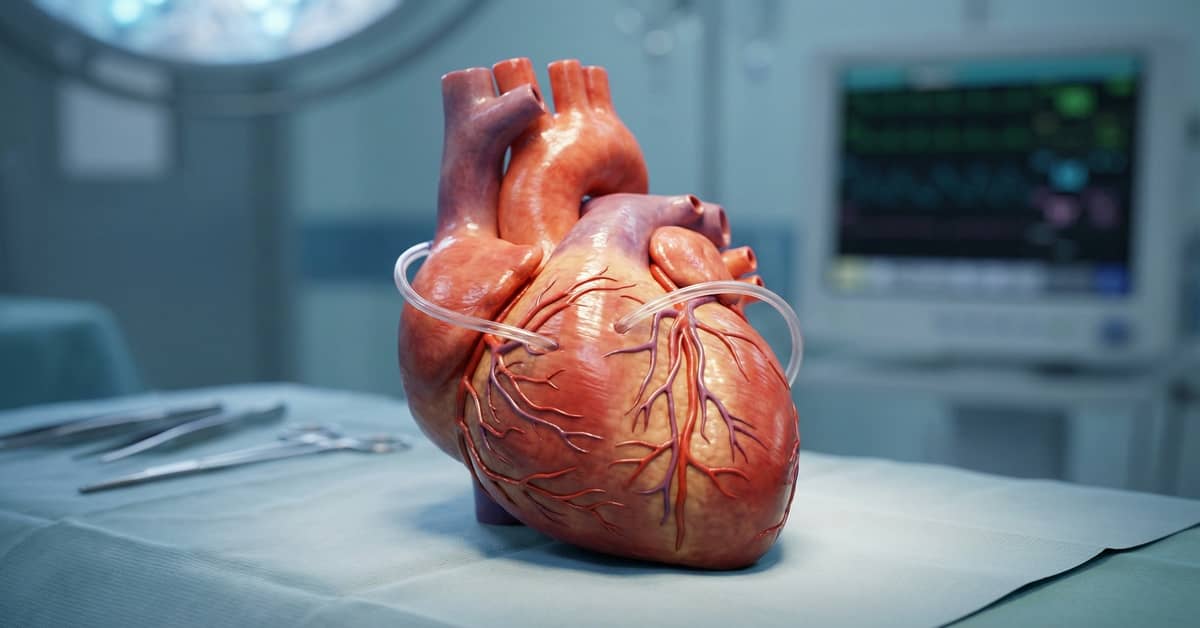






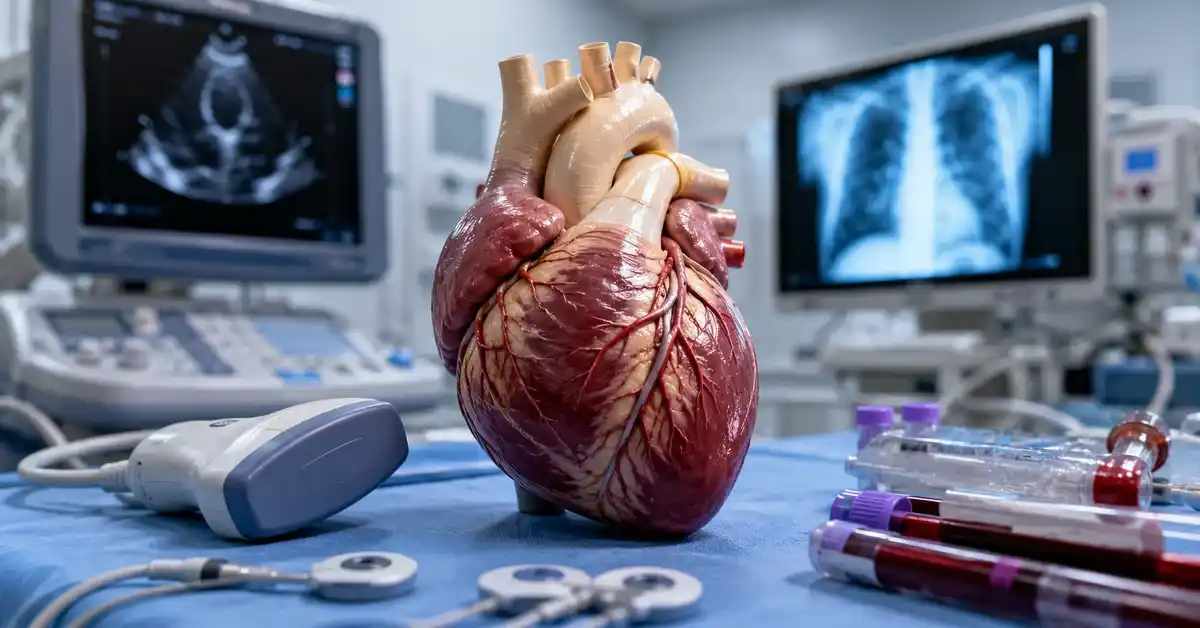
Open-heart surgery is one of the most complex and delicate surgical procedures, representing a critical turning point in the lives of patients with advanced heart disease. The success of this operation depends not only on the skill of the surgeon and medical team but begins with the meticulous preparation phase that precedes it, which is the cornerstone for ensuring patient safety and achieving the best possible outcomes.
The decision to undergo open-heart surgery requires comprehensive preparation, not just psychologically, but physically as well. This is where the paramount importance of pre-operative medical tests and analyses comes to light. These tests are not merely routine procedures; they are a detailed roadmap that gives the medical team a clear and comprehensive view of the patient's health status, enabling them to plan the surgery with the highest degree of precision and safety.
In this comprehensive guide, we will detail the best and most important tests to be performed before open-heart surgery, explaining the role of each test in assessing the patient's condition and how it contributes to the success of the surgery. At Safemedigo, we believe that knowledge and thorough preparation are key to a safe and successful treatment journey, which is why we offer this guide to help you better understand this vital stage.
Essential Tests Before Open-Heart Surgery
Comprehensive medical tests before open-heart surgery form the fundamental basis upon which the medical team relies to ensure patient safety and the success of the operation. These evaluation procedures are not just routine steps but are precise diagnostic tools that paint a complete picture of the patient's health and help identify any potential challenges before entering the operating room.
Why are essential tests before open-heart surgery critical?
The necessity of these tests lies in their ability to provide the surgeon and anesthesia team with vital information about the function of the patient's vital organs, such as the heart, lungs, kidneys, and liver. By evaluating these functions, the medical team can determine the patient's ability to tolerate the surgery and anesthesia, anticipate any complications that may arise during or after the operation, and take the necessary preventive measures to handle them.
How essential are tests before open-heart surgery in reducing complications?
Tests significantly contribute to reducing risks in several ways. For example, blood tests help assess blood clotting and determine the need for compatible blood units. An echocardiogram reveals the efficiency of the heart muscle and its valves, while pulmonary function tests assess the respiratory system's ability to function under anesthesia. All this information enables the medical team to develop a customized surgical plan tailored to each patient's specific condition.
Pre-operative Tests for Open-Heart Surgery: A Comprehensive Guide
Laboratory analyses are an integral part of preparing for open-heart surgery, providing precise numerical data on body chemistry and blood health, which helps in making critical medical decisions.
Pre-operative tests for open-heart surgery: blood work overview
Blood work includes a wide range of tests, most importantly the complete blood count (CBC), which measures the number of red blood cells, white blood cells, and platelets. This test helps detect anemia or infection. Additionally, blood type and Rh factor are determined to ensure the availability of suitable blood in case the patient needs a transfusion during surgery.
Pre-operative tests for open-heart surgery: imaging and functional tests
Medical imaging and functional tests are indispensable diagnostic tools for visually assessing the heart's structure and function. These include echocardiograms, chest X-rays, and sometimes more advanced imaging like CT scans or cardiac catheterization. Functional tests, such as pulmonary function tests, evaluate how well vital organs are working, providing a dynamic view of the patient's health beyond static images.
Read about: Essential Tests Before Open Heart Surgery
Pre-Open Heart Surgery Blood Tests: What to Expect
Open-heart surgery requires a specific set of blood tests to ensure the body is in the best possible condition to withstand this complex procedure. These tests help prevent complications related to blood and bleeding.
Pre-open heart surgery blood tests: haemoglobin, electrolytes, and renal panel
A complete blood count (CBC) is fundamental for checking hemoglobin levels to rule out anemia. An electrolyte and renal panel (measuring sodium, potassium, creatinine) is crucial for assessing kidney function, as the kidneys play a vital role in filtering medications and waste products from the body. Any imbalance could require adjustments to medications and fluids during and after surgery.
Pre-open heart surgery blood tests: coagulation and blood-group crossmatch
A coagulation profile measures the blood's ability to clot, which is essential to prevent excessive bleeding during surgery. Blood typing and crossmatching are vital safety procedures. They ensure that if a blood transfusion is needed, the prepared blood units are perfectly compatible with the patient's blood, minimizing the risk of a severe immune reaction.
Pre-Open Heart Surgery Cardiac Imaging: Echocardiogram to CT Scan
Medical imaging tests are indispensable diagnostic tools for visually assessing the heart's structure and function, giving the surgeon a three-dimensional view of the organ they will be operating on.
Pre-open heart surgery cardiac imaging: echocardiogram role
An echocardiogram uses ultrasound waves to create live images of the heart. This test shows the size of the heart chambers, the strength of blood pumping (ejection fraction), and the movement of the valves. It is one of the most important tests for assessing the efficiency of the heart muscle and identifying any valve leakage or stenosis that may need repair during surgery.
Pre-open heart surgery cardiac imaging: CT scan and angiography
A cardiac CT scan provides detailed cross-sectional images of the heart and surrounding blood vessels. It can be used to assess the coronary arteries and determine the degree of calcification, or to visualize the aorta. Cardiac catheterization (angiography) is the gold standard for diagnosing coronary artery disease, providing a detailed map of blockages for the surgeon.
Read about: Symptoms of Coronary Artery Blockage and Treatment Options
Pre-Open Heart Surgery Pulmonary Function Test and Chest X-Ray
Since the heart and lungs work together as a single system, assessing lung health is just as important as assessing heart health before surgery.
Pre-open heart surgery pulmonary function test: why it matters
A pulmonary function test (PFT) measures the lungs' capacity and their ability to exchange oxygen and carbon dioxide. This test is particularly important for smokers or patients with chronic respiratory diseases. Its results help the anesthesiologist determine the best way to support breathing during and after surgery and reduce the risk of respiratory complications.
Pre-open heart surgery chest x-ray: screening lung and heart status
A chest X-ray provides a general image of the heart, lungs, and major blood vessels. It is performed to check the size and shape of the heart and to detect any fluid in the lungs (pulmonary congestion) or other signs of lung disease that could affect the patient's ability to breathe after surgery.
Pre-Open Heart Surgery Electrocardiogram and Risk Assessment Tests
In some cases, the medical team may need more detailed and precise information, requiring advanced specialized tests to assess the heart's condition more deeply.
Pre-open heart surgery electrocardiogram: baseline cardiac rhythm
An electrocardiogram (ECG or EKG) records the heart's electrical activity. It is a quick and painless test that helps detect arrhythmias (abnormal heart rhythms), previous heart attacks, and other cardiac abnormalities. Establishing a baseline ECG is crucial for monitoring any changes in the heart's electrical patterns during and after the surgery.
Open-heart surgery risk assessment tests: assessing surgical fitness
Beyond specific organ tests, overall surgical fitness is assessed. This may involve a cardiopulmonary exercise test (CPET) to measure how the heart and lungs respond to stress. The results help quantify the surgical risk and predict recovery outcomes.

Required Tests Before Open Heart Surgery: Checklist for Patients
Preparing for open-heart surgery is an integrated process that begins weeks before the surgery date, covering medical, psychological, and logistical aspects to ensure everything runs smoothly.
Required tests before open-heart surgery: laboratory checklist
The laboratory checklist is a fundamental part of the preoperative workup. It typically includes:
- Complete Blood Count (CBC)
- Blood Chemistry (Electrolytes, Renal Liver Function)
- Coagulation Profile (PT/INR, aPTT)
- Blood Type and Crossmatch
- Fasting Glucose and HbA1c (for diabetics)
This ensures all key biochemical markers are within a safe range before surgery.
Required tests before open-heart surgery: imaging and functional checklist
The imaging and functional checklist provides a visual and dynamic assessment of your health. It usually includes:
- Electrocardiogram (ECG)
- Chest X-Ray
- Echocardiogram
- Pulmonary Function Test (PFT)
- Cardiac Catheterization (if indicated)
Completing this checklist gives your surgical team the confidence that they have a full picture of your cardiac and pulmonary health.
Read about: Non-Surgical Artery Blockage Treatments: Latest Advances
Open-Heart Surgery Preoperative Evaluation: Preparation Guidance
Neglecting or failing to perform the necessary tests before open-heart surgery can expose the patient to serious risks, turning a life-saving procedure into an experience fraught with complications.
Open-heart surgery preoperative evaluation: medical history and physical exam
The evaluation begins with a thorough review of your medical history and a comprehensive physical examination. This is the foundation upon which all subsequent testing is built. You should be prepared to discuss all your current and past health issues, medications, and allergies. This initial step helps the doctor identify specific areas of concern that may require further investigation through targeted tests.
Open-heart preoperative surgery assessment: what the patient needs to know
As a patient, it is vital to be an active participant in your preoperative assessment. Ask questions, understand the purpose of each test, and follow all instructions carefully, such as fasting or stopping certain medications. You will also receive guidance on quitting smoking, dietary changes, and physical activity to get you in the best possible shape for surgery. This collaborative approach improves safety and outcomes.
Read about: Cardiac Catheterization for Artery Blockage Treatment
Pre-Open Heart Surgery Nutritional Functional Capacity Test
Preparing for open-heart surgery is not limited to the medical side; it also includes the patient's and their family's psychological and emotional preparation to ensure a smooth passage through this difficult phase.
Pre-open heart surgery nutritional assessment: optimizing recovery
Good nutrition is crucial for a strong recovery. A nutritional assessment before surgery helps identify and correct any deficiencies, such as low protein or vitamin levels. Being well-nourished helps your body withstand the stress of surgery, reduces the risk of infection, and promotes faster wound healing. You may be advised to take certain supplements or follow a specific diet in the weeks leading up to your operation.
Pre-open heart surgery functional capacity test: ensuring readiness
A functional capacity test, such as a six-minute walk test or a stress test, evaluates your physical readiness for surgery. It measures how well your heart and lungs work together and provides an objective measure of your fitness level. The results can help predict your recovery trajectory and identify patients who might benefit from a pre-surgery exercise program, known as "prehabilitation," to build strength before the operation.
Read about: Treating Coronary Artery Blockage with Non-Surgical Techniques
Conclusion
In conclusion, the tests and analyses before open-heart surgery represent the first line of defense and the most crucial step toward ensuring a safe and successful operation. They are not just routine procedures but a fundamental investment in your health and safety, providing your medical team with the necessary information to create a precise and personalized treatment plan for your condition, thereby minimizing risks and maximizing the chances of achieving the best possible outcomes.
Success in this treatment journey depends on a strong partnership between you and your medical team. Knowledge and thorough preparation are the keys to confidence and success. Do not let anxiety take over; instead, be an active partner in your journey to recovery by understanding the importance of this preparatory phase and adhering to it.
Are you ready to take the first step toward a healthier heart? Contact our expert team at Safemedigo today via WhatsApp for a personal consultation and a comprehensive evaluation of your case. We are here to help you every step of the way.
Frequently Asked Questions: Essential Tests Before Open Heart Surgery
Do I need to fast before all the tests?
Not necessarily. Some blood tests, like glucose and lipid panels, require fasting for 8-12 hours. However, most other tests like chest X-rays and echocardiograms do not require fasting. Your medical team will provide you with clear instructions for each test.
How long do these tests take?
The duration varies for each test. Blood draws take only a few minutes, while an echocardiogram might take about 30-60 minutes. Cardiac catheterization is a longer procedure that can take several hours. These tests are usually scheduled over several days before the surgery.
Are these tests painful?
Most of these tests are painless. A blood draw causes a brief, minor prick. Echocardiograms and chest X-rays are completely painless. Cardiac catheterization is performed under local anesthesia, so you will not feel any pain during the procedure, although you might feel some pressure.
What if the tests reveal a new problem?
This is the main purpose of conducting these tests. If a new issue is discovered, such as an infection or poor kidney function, the surgery might be postponed to treat that problem first. This ensures you are in the best possible health before undergoing surgery, which significantly reduces risks.
Can I take my regular medications on the day of the test?
You must consult your doctor about which medications to take or stop before each test. Some medications, especially blood thinners, may need to be temporarily stopped. Never stop taking any medication without first consulting your doctor.