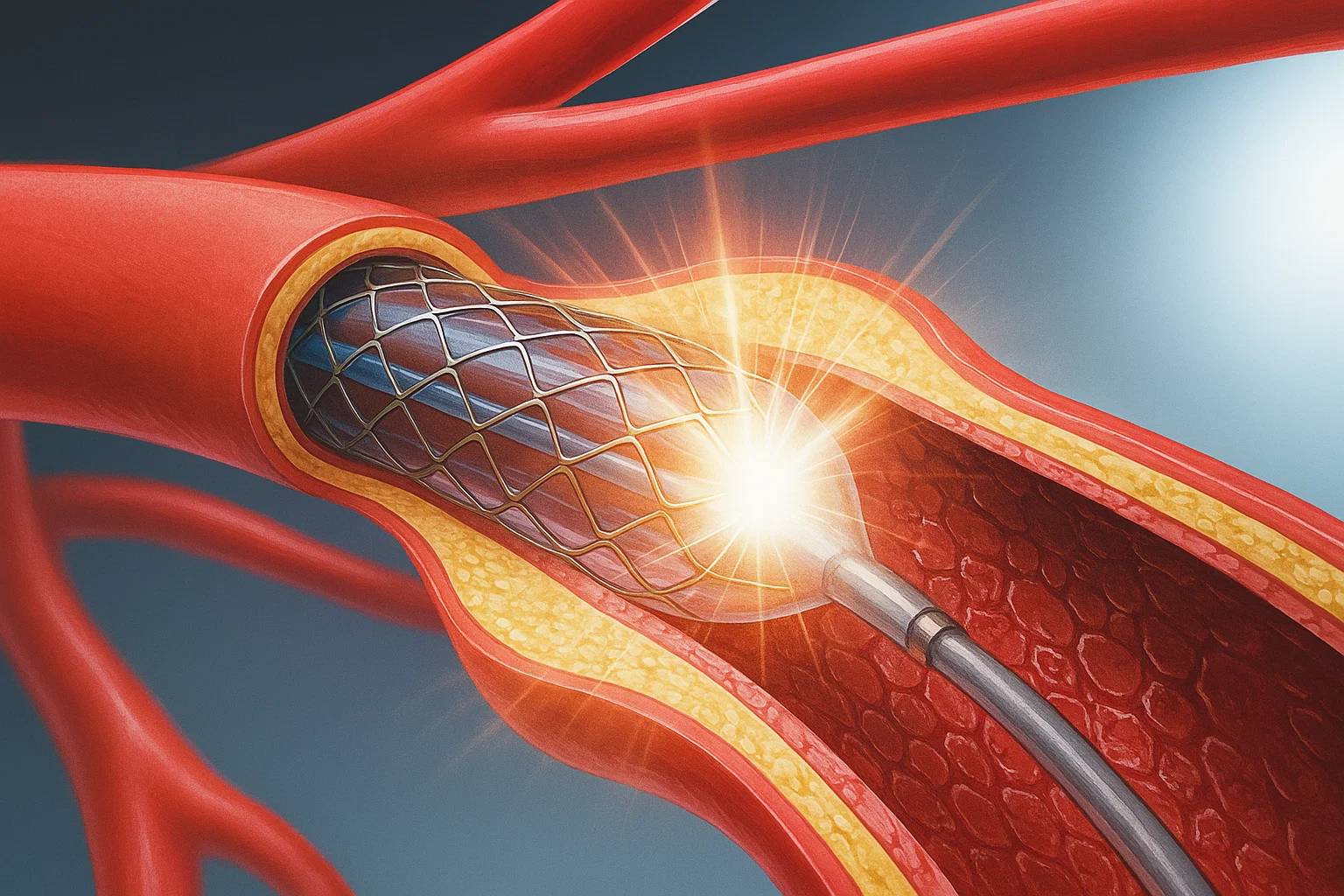








Genetic heart diseases are a group of cardiovascular conditions influenced by inherited gene changes that can affect the heart muscle, electrical system, valves, major blood vessels, cholesterol metabolism, or the structure of the heart. Some conditions appear during childhood, while others may remain silent until adolescence, adulthood, pregnancy, athletic activity, or a major health event reveals them.
Many families ask: can early intervention prevent genetic heart disease complications? The accurate answer is that early intervention cannot always remove the inherited genetic risk itself, but it can often reduce complications, detect disease before symptoms become severe, identify relatives at risk, guide lifestyle decisions, and start treatment at the right time. This is the practical meaning of inherited heart disease prevention.
Genetic heart diseases may include inherited cardiomyopathies, inherited arrhythmia syndromes, familial hypercholesterolemia, inherited aortic disease, and some congenital heart conditions with a genetic background. The level of risk depends on the specific disease, gene variant, family history, symptoms, age, test results, and whether the condition is being monitored.
At Safemedigo, genetic heart disease screening is approached as a structured medical process. The goal is to understand the family risk, choose the right tests, coordinate genetic counseling, arrange heart evaluation, and build a follow-up plan that helps reduce preventable complications.
Genetic Heart Diseases: Definition and Risks
Genetic heart diseases are conditions in which inherited genetic factors play a major role in causing or increasing the risk of heart disease. The condition may be passed from a parent to a child, or it may arise from a new genetic change without a known family history. For this reason, the absence of a known family history does not always rule out inherited heart disease.
The risk of genetic heart diseases is that they may be silent at first. A person may feel healthy but still have changes in heart rhythm, heart muscle thickness, cholesterol metabolism, or aortic structure. In some families, the first warning sign may be fainting, sudden cardiac arrest, or early heart disease in a young relative.
Understanding inherited heart disease risk allows families and doctors to move from late reaction to early prevention. When the condition is identified early, patients can receive monitoring, treatment, lifestyle advice, and family screening before major complications occur.
Early Symptoms of Genetic Heart Diseases in Children
Genetic heart disease symptoms in children can be obvious in some cases and subtle in others. Some children appear completely healthy, while screening may reveal an abnormal ECG, heart muscle thickening, rhythm disorder, or inherited high cholesterol.
Warning symptoms may include:
- Repeated fainting.
- Sudden fainting during exercise.
- Palpitations without a clear cause.
- Chest pain during activity.
- Shortness of breath while playing.
- Tiring faster than other children.
- Dizziness with exertion.
- Poor feeding in infants.
- Poor growth in some cases.
- Blue lips or extremities in selected conditions.
- Seizure-like episodes that may actually be cardiac.
- Family history of sudden death at a young age.
- Known inherited arrhythmia in the family.
- Very high cholesterol in childhood.
These symptoms do not always mean a child has a genetic heart disease, but they should be taken seriously, especially when there is a family history.
Long-term Risks of Genetic Heart Diseases
Long-term risks of genetic heart diseases differ according to the condition. Some patients remain stable for years with follow-up, while others may develop heart failure, dangerous arrhythmias, blood clots, stroke, aortic enlargement, or sudden cardiac events.
Possible long-term risks include:
- Abnormal heart rhythms.
- Fainting.
- Sudden cardiac arrest.
- Heart muscle weakness.
- Heart failure.
- Hypertrophic cardiomyopathy.
- Dilated cardiomyopathy.
- Blood clots.
- Stroke in selected conditions.
- Early coronary artery disease.
- Severe inherited cholesterol disorders.
- Aortic enlargement or dissection in certain syndromes.
- Need for pacemaker or defibrillator.
- Need for long-term family monitoring.
Early intervention for genetic heart disease helps reduce these risks by identifying people who need surveillance and treatment before complications become advanced.
Common Types of Genetic Heart Diseases
Common types of genetic heart diseases include disorders that affect the heart muscle, electrical system, cholesterol metabolism, aorta, or heart structure. Each type has different risks and requires a specific diagnosis and follow-up strategy.
Common examples include:
- Hypertrophic cardiomyopathy.
- Dilated cardiomyopathy.
- Restrictive cardiomyopathy.
- Arrhythmogenic cardiomyopathy.
- Long QT syndrome.
- Brugada syndrome.
- Catecholaminergic polymorphic ventricular tachycardia.
- Familial hypercholesterolemia.
- Inherited aortic disease.
- Certain congenital heart diseases with genetic background.
- Some inherited valve disorders.
- Genetic syndromes affecting the heart and other organs.
The term “genetic heart disease” is broad. Proper diagnosis should identify the exact condition because prevention and treatment differ widely.
Causes and Risk Factors of Genetic Heart Diseases
The causes of genetic heart diseases are often related to variants in genes that control heart muscle structure, ion channels, cholesterol processing, connective tissue, or blood vessel integrity. A person may inherit the variant from a parent or may develop a new mutation.
Risk factors that increase the need for screening include:
- A family member with inherited heart disease.
- Sudden death before age 50 in the family.
- Unexplained fainting in more than one relative.
- Recurrent arrhythmia in the family.
- Cardiomyopathy in a close relative.
- Very high cholesterol at a young age.
- Aortic aneurysm or dissection in the family.
- Multiple relatives with similar heart problems.
- A child with unexplained heart symptoms.
- A known genetic variant in the family.
- History of implanted defibrillator or pacemaker in young relatives.
- Heart disease appearing across several generations.
These factors do not mean every family member is affected, but they justify early evaluation and genetic counseling.
Read about: Chronic Heart Diseases: Best Early Diagnosis Methods
Can Early Intervention Prevent Genetic Heart Disease Complications?
Early intervention can help prevent genetic heart disease complications, even when it cannot prevent the inherited gene variant itself. In practical terms, prevention means early detection, risk stratification, treatment, lifestyle guidance, and family screening before dangerous events occur.
Early intervention may include ECG, echocardiogram, cholesterol testing, cardiac MRI, rhythm monitoring, exercise guidance, genetic testing for heart disease, family cascade screening, medications, and in selected high-risk cases, devices such as implantable defibrillators.
The earlier the risk is understood, the more personalized the care plan can be. Waiting until severe symptoms appear may reduce the chance to prevent complications.
Role of Early Intervention in Reducing Heart Complications
The role of early intervention in reducing heart complications is especially important in families with known inherited disease. Once one affected person is diagnosed, relatives can be evaluated before symptoms appear.
Early intervention may help:
- Detect silent disease.
- Identify relatives carrying a familial variant.
- Start surveillance earlier.
- Begin medication when needed.
- Reduce arrhythmia risk.
- Guide sports and activity decisions.
- Treat familial hypercholesterolemia early.
- Prevent early artery complications in selected patients.
- Assess need for defibrillator in high-risk cases.
- Avoid medications that may trigger arrhythmias.
- Provide reproductive and family planning counseling.
- Monitor children at risk.
These actions may not eliminate disease, but they can reduce preventable complications and improve long-term safety.
Importance of Early Screening in Preventing Genetic Heart Diseases
The importance of early screening in preventing genetic heart diseases is that many inherited heart conditions can remain silent for years. A person may have no symptoms, while ECG, echocardiogram, cholesterol tests, or genetic testing may show an important risk.
Early screening is especially useful when there is:
- Sudden cardiac death in the family.
- Known cardiomyopathy.
- Inherited arrhythmia syndrome.
- Familial hypercholesterolemia.
- Symptoms in a child or young adult.
- Fainting during exercise.
- Repeated palpitations.
- Chest pain with exertion.
- Known disease-causing variant in a relative.
- Heart disease affecting more than one generation.
Early screening does not mean doing every test for every person. It means choosing the right test for the right person based on risk.

Importance of Early Detection and Screening Tools
Early detection of genetic heart diseases depends on combining family history, clinical examination, ECG, echocardiogram, laboratory testing, rhythm monitoring, imaging, and genetic testing when appropriate. No single test detects all inherited heart diseases.
Sometimes the ECG is the first clue. In other cases, echocardiography, cardiac MRI, cholesterol testing, or genetic testing is more important. The best early screening for genetic heart diseases is structured and risk-based, often beginning with the affected family member and then extending to relatives.
This family-centered approach is important because inherited heart disease may affect people who have not yet developed symptoms.
Genetic Tests for Heart Diseases
Genetic tests for heart diseases look for gene variants linked to specific inherited cardiovascular conditions. They may be used in inherited cardiomyopathies, arrhythmia syndromes, familial hypercholesterolemia, inherited aortic disease, and selected syndromic heart conditions.
Genetic testing should not be random. It should follow clinical evaluation and genetic counseling because results may be positive, negative, uncertain, or difficult to interpret. A variant of uncertain significance should not be treated the same as a clearly disease-causing variant.
Genetic testing may help:
- Confirm diagnosis.
- Identify relatives at risk.
- Support cascade family screening.
- Guide follow-up intensity.
- Clarify risk in children.
- Support reproductive counseling.
- Reduce unnecessary monitoring in relatives who test negative for the familial variant.
- Improve precision of diagnosis.
- Guide selected treatment decisions.
- Organize long-term prevention.
Genetic results must always be interpreted with symptoms, ECG, imaging, and family history.
Family Genetic Screening for Heart Conditions
Family genetic screening for heart conditions usually begins with the affected person, often called the proband. If a disease-causing variant is found, close relatives can be tested to determine who carries the familial variant.
This approach helps direct medical attention to those at higher risk and may reduce anxiety or unnecessary testing in relatives who do not carry the familial variant. If no clear variant is found in the affected person, clinical screening of relatives may still be needed.
Family members who may need screening include:
- Children.
- Siblings.
- Parents.
- Sometimes aunts, uncles, and cousins.
- Relatives with symptoms.
- Relatives involved in competitive sports.
- Children in families with known inherited disease.
- Relatives of someone with sudden unexplained death.
Family screening should be handled carefully because results may affect medical, emotional, and family decisions.
Best Methods for Early Detection of Genetic Heart Diseases
Best methods for early detection of genetic heart diseases depend on the suspected condition. A single test is rarely enough for all patients, so doctors usually create a stepwise plan.
Common screening tools include:
- Three-generation family history.
- Physical examination.
- ECG.
- Echocardiogram.
- Holter monitor.
- Exercise testing in selected cases.
- Cardiac MRI.
- Lipid profile.
- Genetic testing when indicated.
- First-degree relative screening.
- Pediatric screening in high-risk families.
- Evaluation of fainting and palpitations.
- Aortic imaging in selected inherited syndromes.
The best plan connects the results rather than relying on one test alone. Some conditions may develop over time, so periodic follow-up may be needed even after an initially normal evaluation.
Laboratory Tests for Detecting Genetic Heart Disorders
Laboratory tests for detecting genetic heart disorders vary according to the suspected disease. In some conditions, genetic testing is central. In others, blood tests help assess associated risk factors, such as cholesterol, diabetes, thyroid function, kidney function, or markers of heart strain.
Possible tests include:
- Full lipid profile.
- LDL, HDL, and triglycerides.
- Lipoprotein(a) when indicated.
- Blood glucose and HbA1c.
- Kidney function tests.
- Thyroid function tests when arrhythmia is suspected.
- Cardiac biomarkers in selected situations.
- Targeted genetic testing.
- Cardiomyopathy gene panels.
- Inherited arrhythmia gene panels.
- Familial hypercholesterolemia testing.
- Pediatric testing in high-risk families.
Laboratory tests are part of the overall picture. They should be combined with clinical evaluation and cardiac imaging.
Read about: Preventing Genetic Heart Diseases: Key Steps for Patients
Medical Approaches and Preventive Role of Early Intervention
Medical approaches and the preventive role of early intervention differ according to the exact diagnosis. Some patients need only periodic monitoring and lifestyle guidance, while others need medication, sports restrictions, cardiac devices, or specialized interventions.
Early intervention may mean starting treatment for a child with an arrhythmia syndrome, monitoring a relative who carries a cardiomyopathy variant, treating inherited high cholesterol before artery disease develops, or restricting high-risk competitive exercise in selected cases.
Prevention must be personalized. A family history alone is not enough to define the full plan; the diagnosis, symptoms, test results, and risk level must guide decisions.
How Early Intervention Reduces the Risk of Genetic Heart Diseases
How early intervention reduces the risk of genetic heart diseases is by shifting care from emergency response to prevention and surveillance. This can be critical in conditions that may cause fainting, sudden cardiac arrest, heart failure, or early artery disease.
Early intervention may reduce risk by:
- Detecting disease before symptoms.
- Starting treatment before muscle damage progresses.
- Monitoring heart rhythm.
- Avoiding high-risk medications in arrhythmia syndromes.
- Treating inherited cholesterol early.
- Controlling blood pressure and diabetes.
- Guiding exercise and sports participation.
- Implanting a defibrillator in selected high-risk patients.
- Monitoring aortic enlargement.
- Screening children before competitive sports when needed.
- Guiding relatives to screening.
- Reducing anxiety through a clear plan.
The goal is not always to prevent the disease from existing, but to prevent avoidable harm.
Early Intervention and Prevention of Genetic Cardiomyopathy
Early intervention and prevention of genetic cardiomyopathy are important because inherited cardiomyopathies may progress gradually. A person may carry a gene variant or have mild imaging changes long before symptoms such as shortness of breath or heart failure appear.
A follow-up plan may include:
- Periodic echocardiogram.
- Cardiac MRI when needed.
- ECG.
- Holter monitoring.
- Exercise assessment.
- Medication when early signs appear.
- Monitoring heart size and wall thickness.
- Sudden death risk assessment.
- Defibrillator decision in selected cases.
- Family screening.
- Genetic counseling.
- Pregnancy planning for affected women.
- Pediatric follow-up in high-risk families.
In inherited cardiomyopathy prevention, regular surveillance can detect changes early and allow timely intervention.
Early Treatment Strategies for Genetic Heart Diseases
Early treatment strategies for genetic heart diseases depend on the diagnosis. There is no single treatment for all inherited heart conditions, but general strategies aim to reduce serious complications.
Possible strategies include:
- Antiarrhythmic medications.
- Heart failure medications.
- Early cholesterol-lowering therapy.
- Avoidance of QT-prolonging drugs in selected syndromes.
- Correction of electrolyte or thyroid disorders.
- Sports and exertion guidance.
- Pacemaker or defibrillator in selected patients.
- Aortic surgery or intervention when risk is high.
- Strict blood pressure control in aortic disease.
- Pregnancy monitoring in affected women.
- Screening children and relatives.
- Emergency plan for fainting or severe palpitations.
Treatment should be guided by a cardiologist familiar with inherited heart disease whenever possible.
Read about: Symptoms of Coronary Artery Blockage and Treatment Options
Role of Genetic Counseling in Preventing Heart Diseases
The role of genetic counseling in preventing heart diseases is essential because it helps families understand inheritance, risk, testing options, and the meaning of results. Genetic counseling is not only about ordering a DNA test; it is about using the result responsibly.
Counseling may include reviewing the family tree, explaining inheritance patterns, choosing the correct test, discussing uncertain results, and helping the family make informed medical decisions.
Without counseling, results may be misunderstood. A genetic variant may not always mean disease is guaranteed, and a negative test does not always exclude inherited risk when no familial variant has been identified.
Benefits of Genetic Counseling for Families at Risk of Heart Diseases
Benefits of genetic counseling for families at risk of heart diseases include medical, emotional, and preventive value. It gives the family a clearer map of risk.
Benefits may include:
- Understanding the inherited condition.
- Clarifying inheritance pattern.
- Identifying relatives who need testing.
- Choosing the right genetic test.
- Interpreting results correctly.
- Reducing unnecessary testing.
- Guiding pediatric screening.
- Discussing reproductive risk.
- Creating a long-term follow-up plan.
- Reducing uncertainty and anxiety.
- Supporting sports, pregnancy, and lifestyle decisions.
- Improving communication among family members.
Genetic counseling is especially important when sudden death, cardiomyopathy, inherited arrhythmia, or early severe cholesterol disease exists in the family.
When to Seek Genetic Counseling for Heart Health
Families should seek genetic counseling for heart health when there are signs suggesting an inherited heart condition. Not every heart patient needs genetic counseling, but certain patterns make it useful or necessary.
Genetic counseling is recommended or strongly considered when there is:
- Cardiomyopathy diagnosed at a young age.
- Sudden unexplained death in the family.
- More than one relative with similar heart disease.
- Known inherited arrhythmia syndrome.
- Severe or early high cholesterol.
- A child with unexplained heart symptoms.
- Known disease-causing variant in the family.
- Consanguinity with strong heart disease history.
- Familial aortic disease.
- Recurrent fainting at a young age.
- Genetic result needing interpretation.
- Pregnancy planning with known inherited heart disease.
Timely counseling may help protect relatives who have not yet developed symptoms.
Read about: Non-Surgical Artery Blockage Treatments: Latest Advances
Medical Tips for Early Detection and Preventive Measures
Medical tips for early detection and preventive measures focus on not ignoring family history, not waiting for severe symptoms, and linking screening with a clear follow-up plan. In inherited heart disease, early knowledge may be more powerful than late treatment.
Families should treat sudden death at a young age, repeated fainting, inherited cardiomyopathy, severe early cholesterol, or arrhythmia as warning signs. These events should be shared with doctors rather than viewed as isolated incidents.
Preventive measures include screening, follow-up, lifestyle changes, risk factor treatment, and disease-specific advice about exercise, medication, and family testing.
Medical Advice for Early Detection of Genetic Heart Disorders
Medical advice for early detection of genetic heart disorders includes practical steps for families with possible inherited risk.
Important advice includes:
- Collect a three-generation family history.
- Record sudden deaths and their ages.
- Note early heart disease in relatives.
- Ask relatives about pacemakers or defibrillators.
- Screen children when a familial condition is known.
- Perform ECG when symptoms occur.
- Do not ignore fainting during exercise.
- Check cholesterol when family history is strong.
- See a cardiologist for repeated palpitations.
- Use echocardiogram when cardiomyopathy is suspected.
- Avoid competitive sports until high-risk cases are evaluated.
- Seek genetic counseling when a family pattern exists.
These steps can detect risk before a major event occurs.
Genetic Heart Screening and Its Role in Preventive Action
Genetic heart screening can support preventive action when connected to a clear diagnosis. If a disease-causing variant is identified in the family, relatives can be tested to determine who needs closer follow-up.
Its preventive role may include:
- Identifying variant carriers.
- Starting surveillance earlier.
- Screening at-risk children.
- Avoiding risky medications in selected conditions.
- Making safer sports decisions.
- Planning pregnancy and reproductive care.
- Reassuring relatives who do not carry the familial variant.
- Directing tests more efficiently.
- Improving diagnostic accuracy.
- Supporting personalized treatment.
Genetic heart screening does not replace clinical care. It should be combined with ECG, imaging, symptoms, and family history.
Lifestyle Changes to Prevent Genetic Heart Diseases
Lifestyle changes cannot remove inherited heart disease risk, but they can reduce stress on the heart and control additional risk factors. This is especially important when genetic risk is combined with smoking, obesity, diabetes, high blood pressure, or high cholesterol.
Helpful lifestyle steps include:
- Stop smoking.
- Control blood pressure.
- Treat diabetes.
- Lower cholesterol.
- Maintain a healthy weight.
- Exercise only within medical recommendations.
- Avoid non-prescribed stimulants.
- Sleep well.
- Reduce stress.
- Eat a balanced diet.
- Limit saturated fats.
- Take prescribed medication regularly.
- Avoid high-risk sports if advised.
- Seek care when new symptoms appear.
Lifestyle change is not a substitute for genetic or cardiac care, but it is part of sustainable prevention.
Read about: Cardiac Catheterization for Artery Blockage Treatment
Genetic Diagnosis of Heart Diseases and Follow-up Options
Genetic diagnosis of heart diseases and follow-up options have advanced significantly. The focus is no longer only on treating symptoms; it is also on identifying family risk and monitoring people before complications develop.
Genetic diagnosis usually starts with a patient who has a clear or suspected inherited heart condition. The appropriate test is selected based on the condition, such as cardiomyopathy, arrhythmia syndrome, familial hypercholesterolemia, or inherited aortic disease.
Follow-up after diagnosis is as important as the test itself. A person carrying a variant may need periodic cardiac evaluation even without symptoms, while an affected patient may need a more detailed treatment and monitoring plan.
Latest Techniques in Genetic Diagnosis for Heart Diseases
Latest techniques in genetic diagnosis for heart diseases include multi-gene panels designed for specific disease groups. These panels may target cardiomyopathy genes, arrhythmia genes, familial hypercholesterolemia genes, or aortic disease genes.
Techniques may include:
- Cardiomyopathy gene panels.
- Arrhythmia syndrome gene panels.
- Familial hypercholesterolemia panels.
- Aortic disease gene panels.
- Testing for a known family variant.
- Targeted testing for relatives.
- Exome sequencing in complex cases.
- Genome sequencing in selected cases.
- Combining genetics with echocardiography and MRI.
- Variant interpretation databases.
- Reinterpretation of uncertain results as science evolves.
Advanced testing still requires careful interpretation because not every genetic finding is clearly disease-causing.
Monitoring Cases After Genetic Heart Diagnosis
Monitoring cases after genetic heart diagnosis depends on the result and disease type. A person with symptoms or established disease needs medical follow-up and treatment, while a genotype-positive person without symptoms may need surveillance to detect early changes.
Monitoring may include:
- Periodic ECG.
- Periodic echocardiogram.
- Cardiac MRI when indicated.
- Holter monitoring.
- Exercise testing in selected cases.
- Lipid profile follow-up.
- Blood pressure monitoring.
- Review of new symptoms.
- Medication review.
- Sudden death risk assessment.
- Pediatric screening at the right age.
- Pregnancy planning and monitoring.
- Updated family screening when new information appears.
Follow-up should be personalized because disease severity and age of onset may differ even within the same family.
Read about: Treating Coronary Artery Blockage with Non-Surgical Techniques
Genetic Heart Prevention: Sustainable Strategies
Genetic heart prevention means building a long-term protection plan for the family, not performing a single test and stopping there. Some inherited heart diseases require years of surveillance, and disease expression may differ by age and family member.
A sustainable strategy includes documenting family history, storing medical and genetic reports, informing at-risk relatives, repeating screening when recommended, updating interpretation over time, and educating children and adults about warning symptoms.
Prevention should not create fear. It should create organized knowledge and a clear action plan.
Generational Genetic Heart Prevention
Generational genetic heart prevention begins with identifying the condition in the current generation and using that information to protect children and relatives. If a familial variant is found, future generations can be screened at the appropriate time.
Sustainable steps include:
- Keep medical and genetic reports.
- Document the family tree.
- Inform at-risk relatives.
- Screen children according to medical advice.
- Evaluate young athletes when needed.
- Update screening at puberty, adulthood, or pregnancy.
- Seek genetic counseling before pregnancy when relevant.
- Monitor cholesterol in high-risk families.
- Share important family history with doctors.
- Reassess results when scientific knowledge changes.
This turns a family health problem into an opportunity to protect future generations.
Health Awareness Programs to Prevent Genetic Heart Diseases
Health awareness programs to prevent genetic heart diseases help communities recognize warning signs earlier. Many people do not realize that sudden death at a young age, fainting during sport, or very high cholesterol in a child may have an inherited cause.
Awareness programs may include:
- Teaching families to collect heart history.
- Encouraging relative screening.
- Educating schools and sports clubs about warning symptoms.
- Training doctors to suspect inherited disease earlier.
- Improving access to genetic counseling.
- Explaining the difference between genetic risk and confirmed disease.
- Supporting affected families emotionally.
- Promoting defibrillator awareness in public places.
- Encouraging familial cholesterol screening.
- Educating young athletes.
- Teaching families when to seek emergency care.
Better awareness can lead to earlier detection and fewer preventable complications.
Read about: Coronary Artery Replacement: Turkey vs Germany
Conclusion and Recommendations for Families and Doctors
Genetic heart diseases cannot always be prevented at the gene level, but many complications can be reduced through early intervention, screening, genetic testing when appropriate, genetic counseling, family follow-up, and treatment of modifiable risk factors.
Families with a history of sudden death, inherited cardiomyopathy, arrhythmia, early heart disease, or severe cholesterol should not wait for severe symptoms. Doctors should also pay attention to patterns that suggest inherited disease, especially when heart problems affect young people or multiple family members.
The best results come from cooperation between the family, cardiologist, genetic counselor, and specialized medical team.
Can Early Intervention Save from Genetic Heart Disease Complications?
Yes, in many cases early intervention can reduce or prevent serious complications. Early detection may allow treatment of an arrhythmia before sudden cardiac arrest, treatment of familial hypercholesterolemia before artery blockage, or monitoring of cardiomyopathy before severe heart failure develops.
Early intervention may help:
- Reduce serious complications.
- Lower sudden death risk in selected cases.
- Improve quality of life.
- Protect relatives.
- Guide sports and activity.
- Start treatment at the right time.
- Reduce uncertainty through a clear plan.
- Avoid late diagnosis.
- Improve long-term follow-up.
- Support reproductive decisions.
Every case is different, so decisions should be personalized according to diagnosis and test results.
Final Recommendations for Prevention and Early Detection
Final recommendations for prevention and early detection include practical steps for families and doctors:
- Do not ignore family history.
- Record sudden deaths or early heart disease.
- Seek heart evaluation for fainting or repeated palpitations.
- Screen children when an inherited heart disease exists in the family.
- Use genetic testing when there is a clear medical reason.
- Interpret genetic results with a specialist.
- Monitor cholesterol in high-risk families.
- Follow ECG and echocardiogram schedules when advised.
- Discuss competitive sports with the doctor in high-risk cases.
- Maintain healthy lifestyle habits.
- Update the care plan when symptoms appear.
- Share important information with relatives.
Frequently Asked Questions: Genetic Heart Diseases
Can genetic heart diseases be completely prevented?
The inherited genetic risk itself cannot always be prevented, but complications may often be reduced through screening, follow-up, treatment, and lifestyle management.
When should a family consider genetic testing for heart disease?
Families should consider testing when there is known inherited heart disease, sudden death at a young age, cardiomyopathy, inherited arrhythmia, or severe early cholesterol.
Is genetic testing alone enough?
No. Genetic testing should be interpreted with ECG, echocardiogram, symptoms, clinical examination, and family history.
What are early symptoms of genetic heart disease in children?
Possible symptoms include fainting, palpitations, shortness of breath with play, chest pain during exertion, unusual fatigue, or a family history of sudden death.
Does early intervention reduce sudden death risk?
In selected high-risk conditions, early intervention, monitoring, medication, and devices when needed may reduce the risk of serious arrhythmia and sudden cardiac events.