




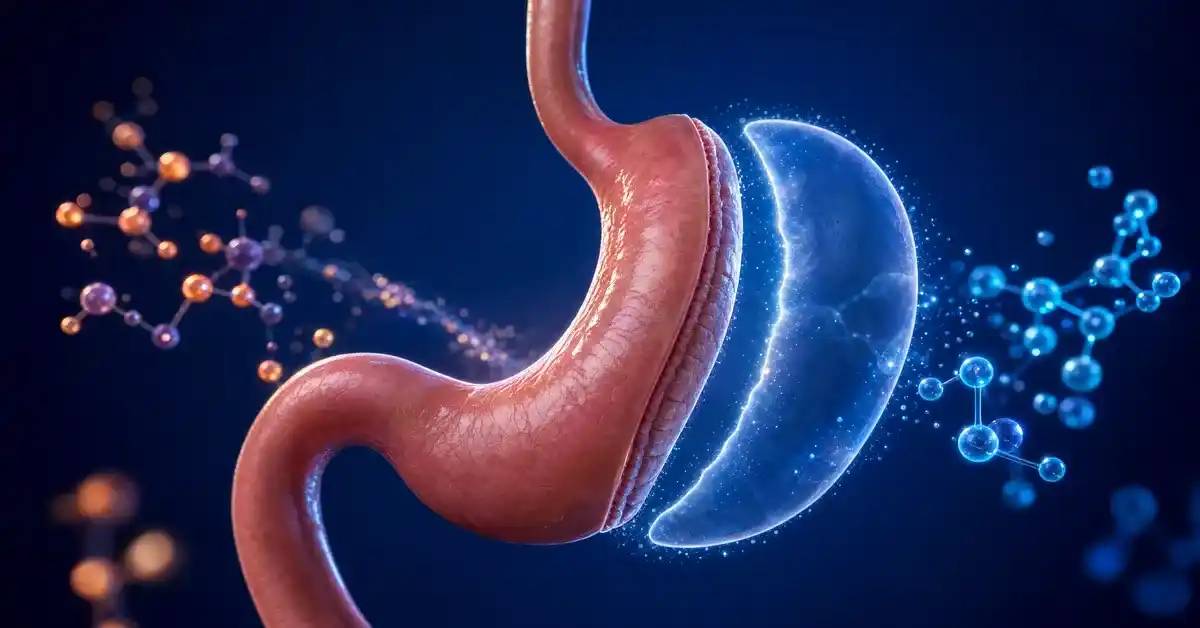
Type 2 diabetes is one of the most significant health challenges closely linked to severe obesity. Accumulated fat increases the body's resistance to insulin, making it increasingly difficult to control blood sugar levels. In this context, bariatric surgery, particularly the gastric sleeve, has emerged as a highly effective treatment option. Its role extends far beyond mere weight loss; it induces profound metabolic and hormonal changes that contribute to the significant improvement or even remission of diabetes.
At Safemedigo, the importance of providing comprehensive medical solutions for patients struggling with obesity and diabetes is fully recognized. Through an extensive network of accredited hospitals and specialized medical professionals, a safe and reliable treatment journey is ensured. This journey begins with a precise medical evaluation and continues through comprehensive post-operative follow-up, aiming to achieve the best possible health outcomes.
Gastric Sleeve for Diabetes Overview
Gastric sleeve surgery represents a fundamental turning point in the lives of diabetic patients suffering from severe obesity, offering a dual solution that addresses both the cause and the effect simultaneously.
gastric sleeve diabetes
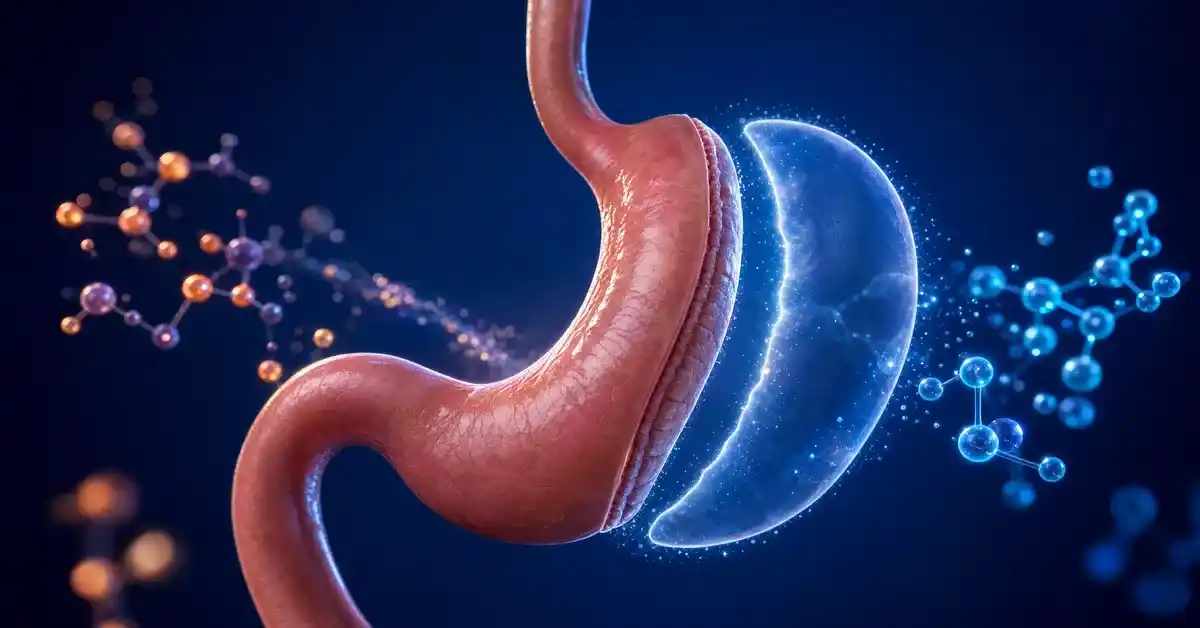
The relationship between gastric sleeve diabetes treatment and overall health improvement is well-documented. Bariatric surgery for diabetic patients, specifically the sleeve gastrectomy, is a medical procedure proven to be highly efficient in enhancing quality of life. The operation relies on removing a large portion of the stomach, which not only reduces the amount of food that can be consumed but also triggers hormonal changes that boost insulin secretion and decrease cellular resistance to it. This dual effect makes it a preferred choice for many patients who have not responded adequately to traditional pharmacological treatments.
sleeve gastrectomy diabetes
The connection between sleeve gastrectomy diabetes outcomes and physiological changes is rapid and profound. Once the stomach size is reduced, the level of ghrelin (the hunger hormone) drops significantly, while the levels of intestinal hormones like GLP-1 increase. This improves the pancreas's response and facilitates the regulation of glucose levels in the blood, often before the patient even begins to experience noticeable weight loss.
Read about: Is Sleeve Gastrectomy Suitable for You? Key Indicators to Know
Can Gastric Sleeve Cure Diabetes
This is one of the most pressing questions for patients considering bariatric surgery, and the answer carries a great deal of hope supported by robust scientific evidence.
Does the gastric sleeve cure diabetes
Medical studies indicate that a large percentage of patients with type 2 diabetes experience a remarkable remission of the disease after the operation, where blood sugar levels return to normal without the need for medication. However, when asking "does the gastric sleeve cure diabetes?", it is important to understand that this remission depends on several factors. These include the duration of the disease prior to surgery, the efficiency of the pancreas, and the patient's commitment to a healthy lifestyle post-surgery.
blood sugar after gastric sleeve
The impact on blood sugar after gastric sleeve surgery is typically seen very quickly. Patients often notice a drop in glucose levels within the first few days following the procedure. This rapid improvement is attributed to the intestinal hormonal changes and the strict caloric restriction during the initial recovery period, which reduces the burden on the pancreas and improves tissue sensitivity to insulin.

Eligibility and Procedure
To ensure the success of the operation and maximize medical benefits, the patient must undergo a thorough evaluation to confirm they meet the established medical criteria.
gastric sleeve eligibility
The criteria for gastric sleeve eligibility for diabetic patients generally require a Body Mass Index (BMI) of 35 or higher, or a BMI of 30 and above if accompanied by obesity-related health complications such as diabetes or high blood pressure. Furthermore, it is stipulated that the patient must have attempted weight loss surgery and diabetes management through traditional methods (diet and exercise) without success, and must be psychologically prepared to commit to radical lifestyle changes after the operation.
bariatric surgery diabetes
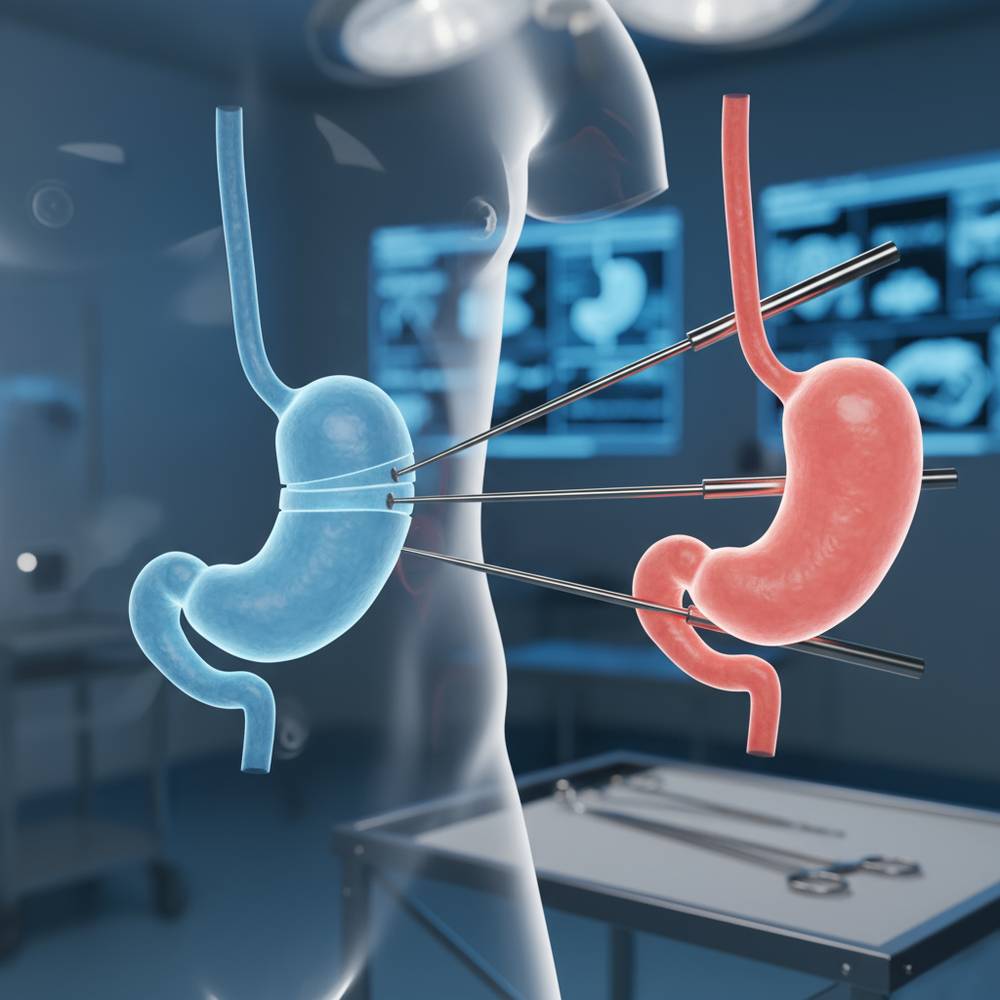
The procedure for bariatric surgery diabetes treatment is usually performed using a laparoscope under general anesthesia. The surgeon makes small incisions in the abdomen and inserts precise instruments to remove approximately 75-80% of the stomach's volume, leaving a tubular portion resembling a banana. The procedure typically takes one to two hours and features a shorter hospital stay compared to open surgeries.
Read about: Possible Complications After Sleeve Gastrectomy and Prevention
Results and Expectations
The operation brings about a radical change in the patient's life, affecting both their external appearance and internal health.
Gastric sleeve results in diabetes
The gastric sleeve results in diabetes management show an astonishing improvement in vital indicators. Alongside sustainable weight loss, many patients are able to reduce their diabetes medication dosages or eliminate them entirely under medical supervision. The operation also contributes to lowering the risk of long-term diabetes complications, such as heart disease, kidney disease, and retinopathy.
before and after gastric sleeve
When comparing the patient's condition before and after gastric sleeve surgery, a comprehensive transformation is evident. Before the operation, the patient often suffers from chronic fatigue, difficulty moving, and a daily reliance on medications. After the operation, and with gradual weight loss, the patient regains physical activity, experiences improved sleep quality, and sees stabilized blood sugar levels, which significantly boosts self-confidence and mental health.
Read about: Standard vs Bottega Sleeve: Which Bariatric Option Suits You?
Cost and Surgeons
The financial aspect and the choice of the right surgeon are among the most critical factors determining the course of the treatment journey.
gastric sleeve cost
The gastric sleeve cost varies based on several factors, including the surgeon's experience, the hospital's equipment level, and the country where the operation is performed. Turkey is considered a leading destination in this field, offering high-quality medical services at a competitive cost compared to European and American countries, while providing comprehensive packages that include accommodation, transportation, and medical follow-up.
best bariatric surgeons
Selecting the best bariatric surgeons is a crucial step to ensure the success of the operation and minimize risks. It is essential to look for a surgeon with extensive experience in advanced bariatric surgeries and a proven track record of successful operations, especially with diabetic patients. At Safemedigo, this task is facilitated by connecting patients with an elite group of internationally accredited surgeons.
Read about: How to Choose the Best Sleeve Gastrectomy Surgeon
Recovery and Diet
The post-operative phase is a critical period that requires strict adherence to medical and dietary instructions to ensure proper healing.
gastric sleeve recovery
The gastric sleeve recovery time varies from one patient to another, but generally, a patient can return to light daily activities within one to two weeks. Full recovery requires a commitment to rest and avoiding strenuous physical effort for several weeks, along with ensuring attendance at periodic follow-up sessions to evaluate the progress of the condition.
diet after gastric sleeve
The diet after gastric sleeve surgery plays a pivotal role in the success of the operation. The patient begins with a liquid diet in the first few days, then gradually transitions to pureed foods, and finally to healthy solid foods. The focus must be on consuming proteins, drinking adequate amounts of water, and taking prescribed nutritional supplements to avoid vitamin and mineral deficiencies.
Read about: Best Sleeve Gastrectomy Surgeon in Istanbul: How to Choose
Risks and Success Rate
Like any surgical intervention, the sleeve operation carries some risks that must be considered, despite its high success rates.
gastric sleeve risks
Potential gastric sleeve risks include bleeding, infection, and leakage of gastric juices from the staple line, in addition to the possibility of long-term nutritional deficiencies if the patient does not adhere to taking supplements. These risks can be significantly reduced by choosing an experienced surgeon and strictly following post-operative instructions.
gastric sleeve success rate
The gastric sleeve success rate is very high, with most patients able to lose 60-70% of their excess weight within the first year. As for diabetic patients, when diabetes improves after surgery depends on the body's individual response, but the vast majority witness a remarkable improvement or complete remission of the disease, making it an exceptionally successful treatment option.
Read about: Preventing Complications After Sleeve Gastrectomy Surgery
Conclusion
Gastric sleeve surgery for diabetic patients represents a genuine opportunity to restore health and effectively control the disease. By reducing weight and improving hormonal responses, this surgery offers a radical solution that contributes to enhancing the quality of life and reducing reliance on medications. However, committing to a healthy lifestyle and following medical guidelines remains the key to ensuring the sustainability of these positive results over the long term.
At Safemedigo, the commitment is to accompany patients every step of the way towards better health by providing the best reliable medical and surgical options. Discover how Safemedigo's services can help overcome obesity and diabetes, paving the way for a new life full of health and vitality.
FAQ: Gastric Sleeve for Diabetes Patients
Can diabetes return after a gastric sleeve?
Yes, in some cases, diabetes may return if the patient regains their excess weight or fails to adhere to a healthy lifestyle and balanced diet after the operation. Continuous commitment is the most important guarantee for sustaining disease remission.
When can I stop taking diabetes medications after the surgery?
You should not stop taking any medications except under the direct guidance of your treating physician. Many patients are able to reduce dosages or stop them during the first few months after the operation based on the results of periodic blood sugar tests.
Is the gastric sleeve safe for patients with advanced diabetes?
Generally, the operation is safe, but patients with advanced diabetes who suffer from heart or kidney complications require a comprehensive and precise medical evaluation before surgery to ensure their ability to tolerate anesthesia and the surgical procedure.
What is the difference between the sleeve and gastric bypass for diabetic patients?
The gastric bypass operation is slightly more effective in treating type 2 diabetes compared to the sleeve, as it induces stronger hormonal changes and reduces calorie absorption. However, the sleeve is preferred in many cases because it is a simpler procedure and less prone to long-term nutritional complications.
Will I need to take vitamins for life after the sleeve?
Yes, it is recommended to take vitamin and mineral supplements permanently after the sleeve operation to compensate for potential deficiencies resulting from the reduced amount of food consumed, and to ensure the maintenance of overall body health.