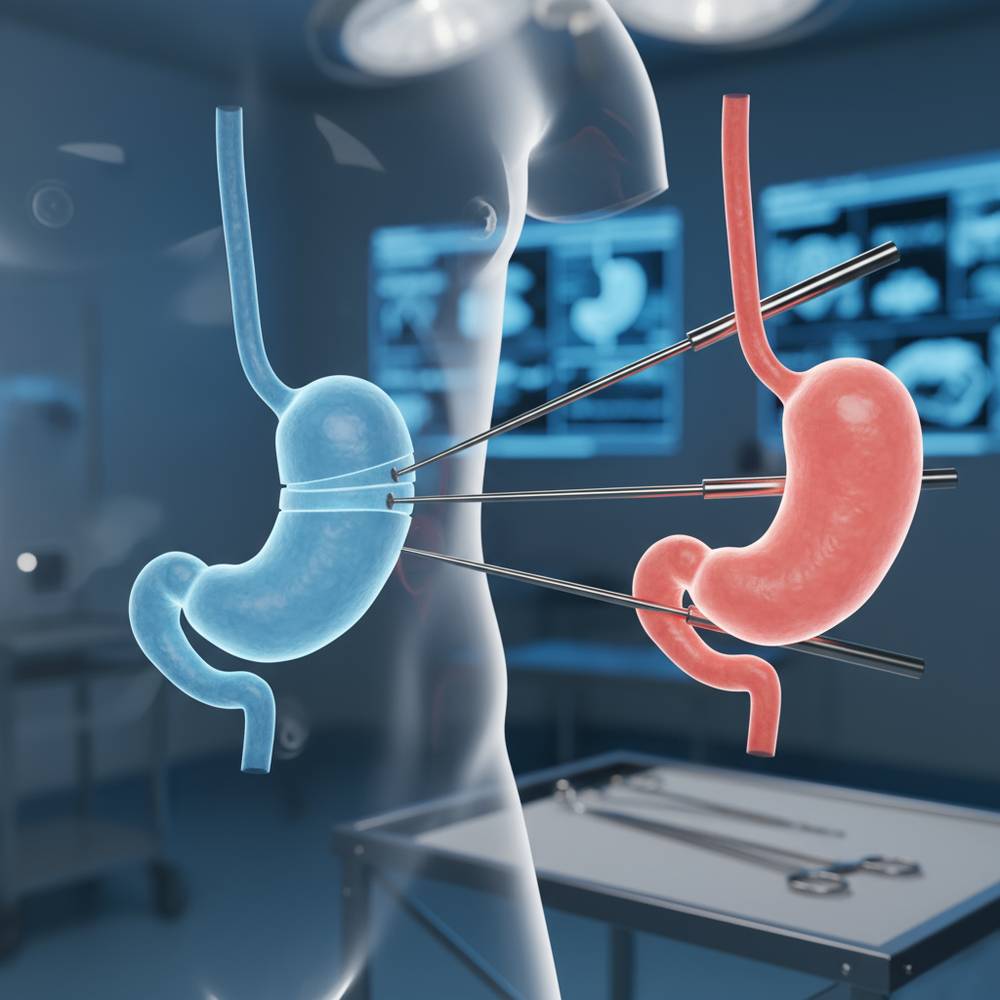





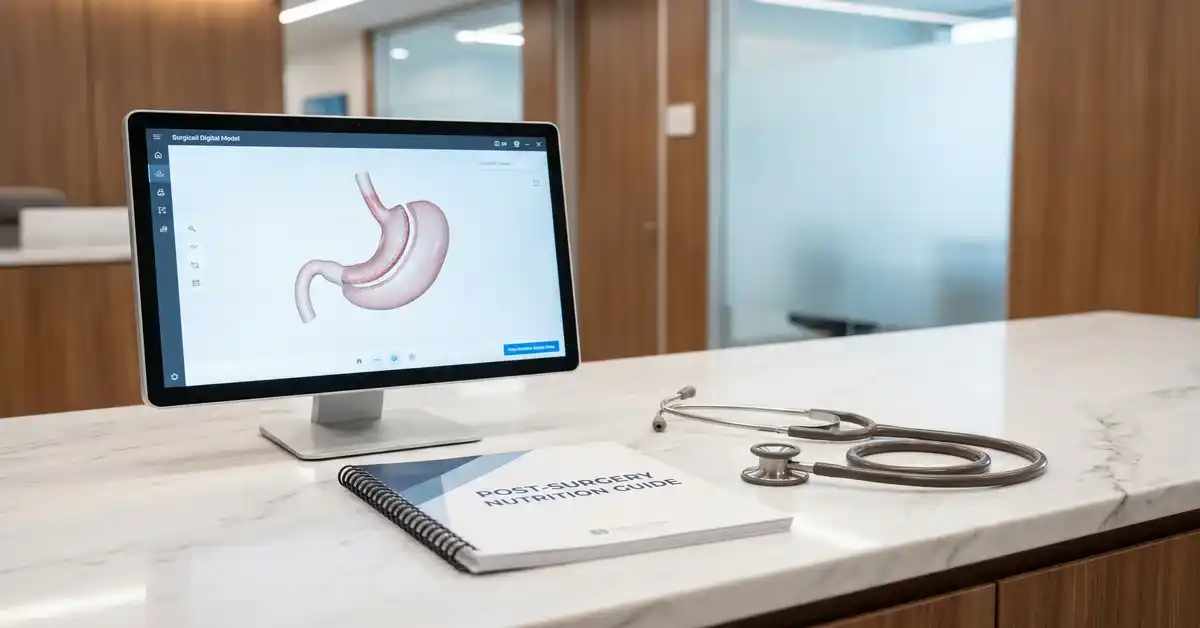
Sleeve gastrectomy surgery is a powerful, life-altering step towards a healthier future, offering hope to many in their battle against obesity. However, the journey to success doesn't end in the operating room; it truly begins in the days and months that follow. The post-operative phase is critical and demands a deep commitment to new lifestyle habits to ensure a smooth recovery. Understanding how to prevent sleeve gastrectomy complications is the cornerstone of a safe and effective journey toward your ideal weight. Adhering strictly to medical advice is your best defense against potential challenges.
Awareness of potential risks, such as a gastric leak after sleeve gastrectomy or stomach dilation after sleeve gastrectomy, is not meant to cause alarm but to empower you with the knowledge to make informed decisions. At Safemedigo, we believe an informed patient is the strongest partner in achieving successful outcomes. This comprehensive guide will illuminate everything you need to know about life after sleeve gastrectomy surgery, from the crucial diet after sleeve gastrectomy to the symptoms to watch for, ensuring your recovery is seamless and your results are extraordinary.
What Are Sleeve Gastrectomy Complications?
Common Sleeve Gastrectomy Complications
While generally safe, sleeve gastrectomy, like any major surgery, has potential risks. The most common sleeve gastrectomy complications include leaks from the staple line, blood clots, infection, and bleeding. In the long term, patients might face nutritional deficiencies, acid reflux after sleeve gastrectomy, or a narrowing (stenosis) of the stomach sleeve. Being aware of these potential sleeve gastrectomy risks is the first step toward effective prevention and management.
Sleeve Gastrectomy Complication Symptoms
It is vital to recognize sleeve gastrectomy symptoms that could indicate a problem. These warning signs include a high fever, rapid heart rate, severe and persistent abdominal or shoulder pain, shortness of breath, and persistent vomiting. Any of these symptoms warrant immediate medical attention. Ignoring these signs can lead to more severe issues, so it's crucial to be in tune with your body and the changes it undergoes during the recovery after sleeve gastrectomy.
When Do Sleeve Gastrectomy Complications Occur
Complications can arise at different times. Early complications like leaks and bleeding typically occur within the first few days or weeks post-surgery. Long-term issues such as vitamin deficiencies, stomach dilation, or acid reflux may not appear for months or even years. This is why continuous medical follow-up is indispensable for proper long-term care and ensuring the lasting success of your sleeve gastrectomy success.
Read about: Is Sleeve Gastrectomy Suitable for You? Key Indicators to Know
Preventing Complications After Sleeve Gastrectomy
Following Post Sleeve Gastrectomy Instructions
The most critical step in preventing sleeve gastrectomy complications is strict adherence to all post sleeve gastrectomy instructions provided by your surgeon and healthcare team. These guidelines cover everything from your phased dietary plan and medication schedule to wound care and permissible activity levels. Following these instructions meticulously promotes faster stomach healing after sleeve gastrectomy and significantly reduces the risk of problems.
Importance of Medical Follow-Up
Regular follow-up appointments with your doctor and dietitian play a vital role in prevention. These visits allow your team to monitor your progress, detect any potential issues early, and adjust your treatment plan as needed. It's also your opportunity to ask questions and receive necessary support. Never hesitate to discuss any concerns, no matter how small they seem.
Read about: Possible Complications After Sleeve Gastrectomy and Prevention
Healthy Lifestyle After Sleeve Gastrectomy
Sleeve gastrectomy is a tool, and its success hinges on adopting a new, healthy lifestyle. This includes regular exercise, adequate sleep, stress management, and avoiding smoking and alcohol. These habits not only help maintain weight loss but also boost your overall health and reduce the risk of long-term complications, ensuring your sleeve gastrectomy success story is a lasting one.
Read about: Standard vs Bottega Sleeve: Which Bariatric Option Suits You?
Diet After Sleeve Gastrectomy
Post Sleeve Gastrectomy Diet Plan
Nutrition after sleeve gastrectomy is an integral part of healing and success. The post sleeve gastrectomy diet plan begins with clear liquids, then gradually progresses to full liquids, pureed foods, and finally solid foods over several weeks. This phased approach gives your new stomach time to heal and adapt. It is essential to eat slowly, chew thoroughly, and stop eating as soon as you feel full.
Foods to Avoid After Sleeve Gastrectomy
There are certain foods to avoid, especially in the early stages post-surgery. These include sugary and fatty foods, carbonated beverages, soft bread, rice, pasta, and fibrous vegetables. These items can cause discomfort, pain, or complications like dumping syndrome. Adhering to these dietary restrictions is a key part of your new lifestyle.
Importance of Vitamins After Sleeve Gastrectomy
Due to the smaller stomach size and reduced nutrient absorption, taking vitamins after sleeve gastrectomy is a lifelong requirement. Your doctor will prescribe a regimen of multivitamins, calcium, vitamin D, vitamin B12, and iron. Neglecting these supplements can lead to severe nutritional deficiencies and serious long-term health problems.

Gastric Leak After Sleeve Gastrectomy
Causes of Gastric Leak
A gastric leak after sleeve gastrectomy is one of the most serious, though rare, early complications. It occurs when the surgical staple line on the stomach doesn't heal properly, allowing stomach contents to leak into the abdominal cavity. This can be caused by poor healing, increased pressure within the stomach, or technical issues during the surgery.
Gastric Leak Symptoms
Symptoms of a gastric leak include severe abdominal pain, fever, chills, a rapid heart rate, and a general feeling of being unwell. If you experience any of these symptoms, it is critical to contact your surgeon immediately. Early diagnosis and treatment are essential to prevent a life-threatening infection (peritonitis).
Preventing Gastric Leak After Surgery
Methods for preventing gastric leak after surgery include choosing a highly experienced surgeon and strictly following the liquid diet in the initial weeks to allow the stomach to heal without pressure. Surgeons also test the staple line during the operation to ensure there are no leaks before concluding the surgery.
Read about: Best Sleeve Gastrectomy Surgeon in Istanbul: How to Choose
Stomach Dilation After Sleeve Gastrectomy
Causes of Stomach Dilation
Stomach dilation after sleeve gastrectomy can occur long-term if dietary guidelines are not followed. The main causes are consistently overeating, eating large portions in one sitting, and drinking with meals. These habits put pressure on the small stomach pouch, causing it to stretch over time and reducing the procedure's effectiveness.
Signs of Stomach Dilation
Signs of stomach dilation include being able to eat larger quantities of food without feeling full, a stall in weight loss or regaining weight, and increased hunger. If you notice these changes, it's important to consult your medical team to assess the situation and create a plan to get back on track.
Preventing Stomach Dilation After Surgery
To prevent stomach dilation, you must commit to eating small, frequent meals, stopping as soon as you feel satisfied, and avoiding drinking with your meals (wait 30 minutes before and after eating). Focusing on protein-rich foods helps you feel full longer.
Read about: Gastric Sleeve Cost: Turkey vs USA
Reflux and Vomiting After Sleeve Gastrectomy
Acid Reflux After Sleeve Gastrectomy
Acid reflux after sleeve gastrectomy can occur or worsen in some patients due to the change in stomach shape and increased internal pressure. Symptoms include heartburn, a sour taste in the mouth, and difficulty swallowing. These can usually be managed with dietary modifications and medication.
Vomiting After Sleeve Gastrectomy
Vomiting after sleeve gastrectomy is common initially and is usually caused by eating too fast, not chewing well enough, or eating too much. To avoid this, it is crucial to follow the post sleeve gastrectomy tips regarding eating habits. If vomiting persists, it could indicate a more serious issue like a stricture.
Managing Digestive Symptoms After Surgery
Most digestive symptoms, like pain after sleeve gastrectomy and reflux, can be managed with lifestyle adjustments and medication. Avoiding trigger foods, elevating the head of your bed, and taking proton pump inhibitors can help control reflux. It's important not to ignore these symptoms and to speak with your doctor.
Read about: Traditional vs Bikini Sleeve: Turkey vs Germany
Recovery and Success After Sleeve Gastrectomy
Stomach Healing After Sleeve Gastrectomy
The process of stomach healing after sleeve gastrectomy takes time. The initial healing phase is about 6-8 weeks, during which you must be extremely careful with your diet. Adhering to the phased diet allows the staple line to heal properly and prevents complications. Proper care during this stage is key to long-term success.
When Complications Subside
Many wonder when do sleeve gastrectomy complications resolve. Most early complications, if treated properly, resolve within a few weeks. Symptoms like nausea and fatigue gradually improve as your body adapts. Long-term complications require ongoing management, but with a commitment to a healthy lifestyle, most patients can live a normal, healthy life.
Tips for Successful Sleeve Gastrectomy
For long-term success, follow these tips: stick to your diet and supplement plan, exercise regularly, attend all follow-up appointments, join a support group, and be patient with yourself. Remember, the sleeve is a tool, and your success depends on how you use it. These are the most important post sleeve gastrectomy tips.
Read about: How to Choose the Best Sleeve Gastrectomy Surgeon
Conclusion
In conclusion, the journey after sleeve gastrectomy surgery is filled with opportunities and challenges. Understanding the methods for preventing sleeve gastrectomy complications is your most powerful asset for ensuring a successful and safe experience. By strictly adhering to your medical team's instructions, following a balanced diet, and embracing a healthy lifestyle, you can significantly minimize risks and maximize the benefits of this life-changing procedure. Your success is measured not just by the pounds you lose, but by the health and wellness you gain.
Remember, you are not alone on this path. At Safemedigo, we are here to support you every step of the way, providing the knowledge and guidance you need. Investing in your health is the best investment you can make. If you are ready to start a new chapter of your life with confidence and health, we invite you to explore how we can help you achieve your dreams. For more information, you can contact Safemedigo via WhatsApp.
Frequently Asked Questions: Methods to Prevent Gastric Sleeve Complications After Surgery
What is the success rate of gastric sleeve surgery?
Gastric sleeve surgery has a very high success rate, with most patients losing between 60-70% of their excess weight within the first year. Long-term success depends on how committed the patient is to making the required lifestyle changes.
Can I eat normally after a while?
After the initial recovery period, you will be able to eat most types of food, but in much smaller quantities. Your eating habits will be permanently different, with a focus on small, protein-rich meals and avoiding high-calorie foods and beverages.
What should I do if I experience pain after gastric sleeve surgery?
Some pain is expected in the first few days after surgery and can be controlled with pain medications. If the pain is severe, persistent, or accompanied by other concerning symptoms such as fever, you should contact your doctor immediately as it may be a sign of serious gastric sleeve complications.
Will I experience hair loss after the surgery?
Temporary hair loss is common after weight loss surgery due to rapid changes in weight and nutrition. It usually begins 3-6 months after surgery and subsides on its own. Ensuring adequate protein and vitamin intake can help reduce this problem.
When can I return to exercising?
You can start light walking shortly after surgery. Strenuous exercise and weightlifting should be avoided for at least 6-8 weeks, or until your surgeon allows it. Your activity level will be gradually increased as part of your post-gastric sleeve care plan.