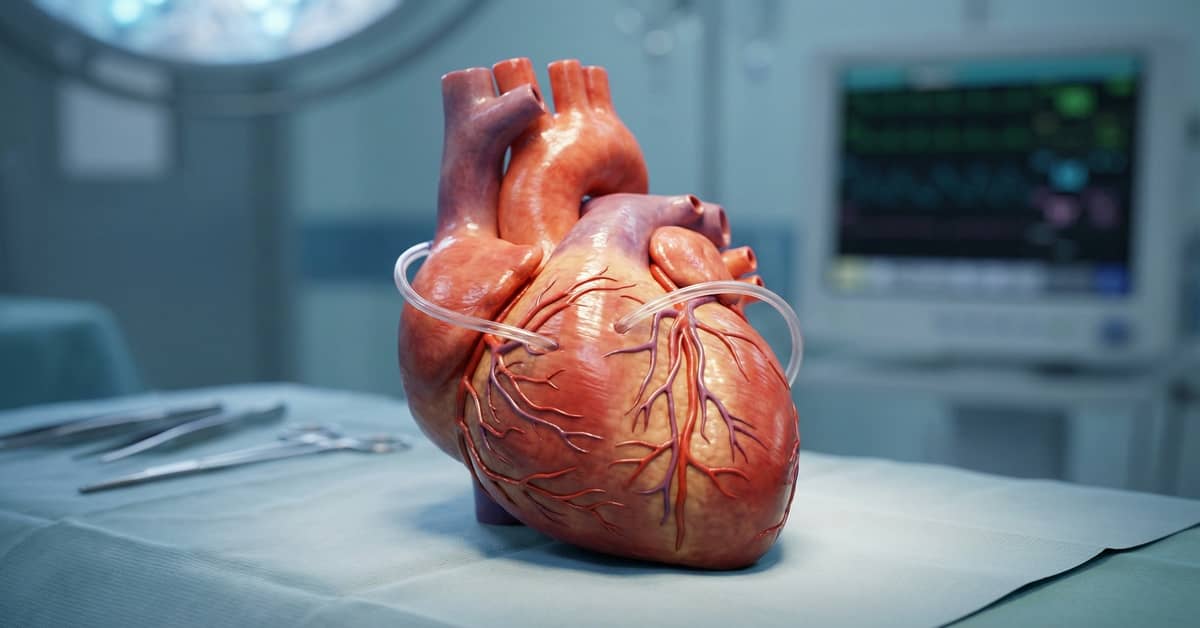






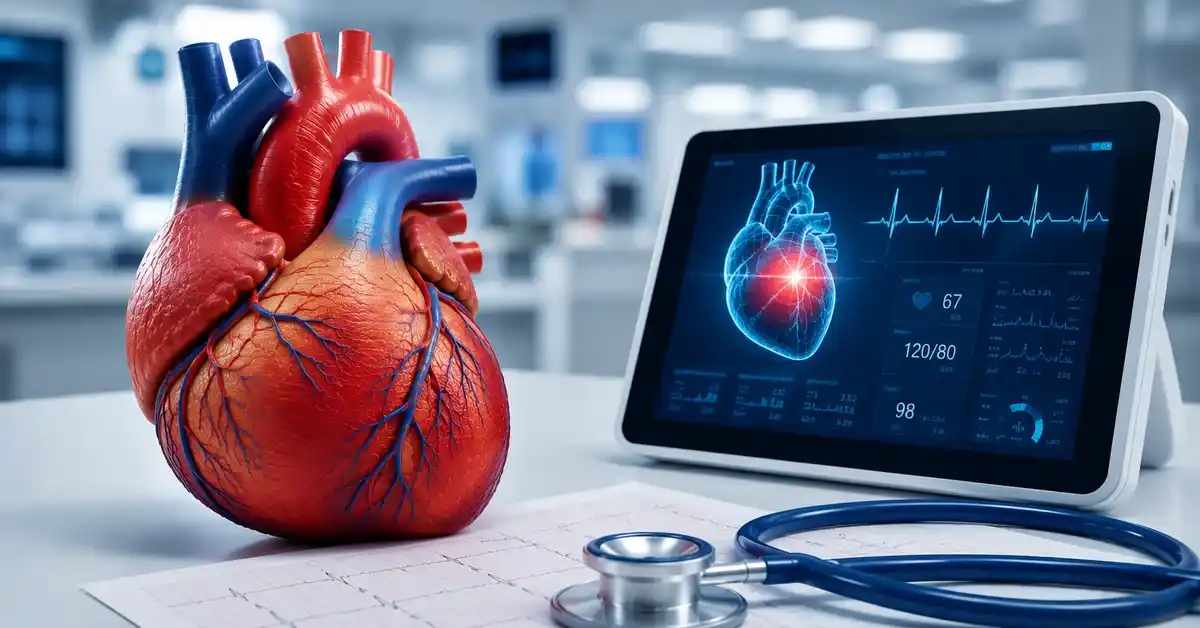
The heart is the engine of life, and its health is the foundation of overall well-being. Chronic heart diseases represent a global health challenge, often developing silently over years with symptoms only appearing in advanced stages. Therefore, the early diagnosis of heart disease is of utmost importance. It is not just a medical procedure but an investment in a long, healthy future, giving us the chance to intervene in time and change the course of the disease.
In this guide, we will highlight the best and latest methods for early heart disease detection, from understanding initial symptoms to advanced tests. Safemedigo is committed to providing you with the necessary knowledge to take proactive steps toward protecting your heart, because we believe that awareness is the first line of defense in maintaining heart health.
Chronic Heart Diseases and Delayed Diagnosis Risks
Early Symptoms of Chronic Heart Diseases
The early heart disease symptoms are often subtle, making them easy to ignore. It is important to pay attention to these early warning signs:
- Chest pain or pressure, especially with exertion.
- Shortness of breath after minor physical activity.
- Feeling of extreme and unexplained fatigue.
- Swelling in the legs or ankles.
- Irregular heartbeats or palpitations.
Recognizing these symptoms is the first step toward seeking timely medical care.
Causes of Chronic Heart Diseases
The causes of heart disease are numerous and interconnected, often resulting from an interaction between genetic factors and lifestyle. Key causes include uncontrolled high blood pressure, high cholesterol levels, diabetes, smoking, obesity, and a lack of physical activity. Understanding these causes helps in identifying personal risk factors for heart disease and working to modify them for effective heart disease prevention.
Risks of Late Heart Disease Diagnosis
Ignoring symptoms and delaying diagnosis carries grave risks. Neglecting a heart disease diagnosis can lead to the worsening of the condition and the development of serious complications such as heart attacks, strokes, chronic heart failure, and cardiomyopathy. A late diagnosis makes treatment more difficult and complex and reduces the chances of positive outcomes. Therefore, a quick response to any alarming symptom is vital.
Read about: Genetic Heart Diseases: Can Early Intervention Prevent
Early Diagnosis of Heart Diseases and Its Importance
Importance of Early Heart Disease Diagnosis
The importance of early heart disease diagnosis lies in its ability to completely change the course of the disease. When a problem is detected in its early stages, treatment options are more effective and less invasive. Early diagnosis provides an opportunity to implement lifestyle changes and take necessary medications to control risk factors, thereby preventing or delaying the progression of the disease to more serious stages and preserving the patient's quality of life.
Early Detection of Heart Diseases
Early detection of heart diseases relies on a proactive approach that includes regular check-ups and awareness of risk factors. Individuals, especially those with a family history of the disease, should begin heart disease screening at an early age. These screenings help identify any changes in heart health before they develop into major problems, paving the way for an effective preventive and treatment plan.
High-Risk Groups for Heart Diseases
Certain groups are considered at higher risk for developing chronic heart diseases and should be more vigilant about early screening. These groups include:
- People with a strong family history of heart disease.
- Patients with diabetes and high blood pressure.
- Individuals who are obese or overweight.
- Current or former smokers.
- People with a sedentary lifestyle.
If you belong to one of these groups, consulting your doctor about early heart tests is essential.
Read about: Preventing Genetic Heart Diseases: Key Steps for Patients
Most Accurate Early Heart Tests
Electrocardiogram Test
The electrocardiogram (ECG) test is one of the simplest and fastest cardiac diagnostic tests. This test records the heart's electrical activity and can detect a variety of problems, such as irregular heartbeats, signs of a previous or current heart attack, and enlargement of the heart muscle. The Electrocardiogram ECG is often the first step in a heart health assessment due to its ease of performance and availability.
Cardiac Ultrasound Imaging
Cardiac ultrasound imaging, known as an echocardiography test, provides live images of the heart in action. This test uses sound waves to evaluate the heart's structure and function, including the size of the heart chambers, the strength of blood pumping, and the movement of the valves. An echocardiogram is a powerful diagnostic tool for detecting cardiomyopathy and valve problems.
Cardiac Stress Test
The cardiac stress test aims to monitor how the heart responds to physical activity. While the patient walks on a treadmill, their ECG and blood pressure are monitored. This test helps diagnose coronary heart disease, as symptoms or ECG signs may only appear when the heart is working harder. It is a vital examination for assessing blood flow to the heart muscle.
Read about: Symptoms of Coronary Artery Blockage and Treatment Options
Heart Disease Blood Tests and Diagnosis Role
Blood Tests for Heart Diseases
Heart blood tests play a pivotal role in a comprehensive evaluation. Blood tests can measure levels of cholesterol, triglycerides, blood sugar, and proteins that indicate inflammation in the body (like CRP). They can also detect specific enzymes released into the blood when the heart muscle is damaged. These tests provide valuable information about risk factors and help diagnose acute conditions.
Chronic Heart Failure Indicators
When chronic heart failure is suspected, a specific blood test can be very useful. The BNP (Brain Natriuretic Peptide) test measures levels of a hormone that is released when the heart is under stress. Levels of this hormone are significantly elevated in patients with heart failure, making it a vital indicator that helps confirm the diagnosis and assess the severity of the condition.
Cholesterol Test and Heart Health
A cholesterol test is an integral part of assessing heart health. This test measures levels of total cholesterol, bad cholesterol (LDL), good cholesterol (HDL), and triglycerides. High levels of bad cholesterol are associated with an increased risk of plaque buildup in the arteries (atherosclerosis), a major cause of heart disease. Controlling these levels is essential for preventive cardiology.
Read about: Non-Surgical Artery Blockage Treatments: Latest Advances
Coronary Artery Disease and Chronic Heart Conditions
Coronary Artery Disease Diagnosis
Coronary heart disease is the most common type of heart disease. To diagnose it, doctors may use a combination of tests starting with a stress test and echocardiography, and may proceed to more specialized procedures like cardiac catheterization. Cardiac catheterization is considered the gold standard for diagnosis, as it allows the doctor to directly view the coronary arteries and accurately identify any blockages or narrowing.
Artery Blockage Symptoms
The most common symptom of artery blockage is angina, which is chest pain or discomfort. The patient may also feel pain that radiates to the arm, shoulder, or jaw. Other symptoms include shortness of breath, cold sweats, and nausea. It is important not to ignore these symptoms, as they could be a sign of an impending heart attack.
Coronary Disease Prevention
The prevention of coronary artery disease largely depends on managing risk factors. This includes maintaining blood pressure and cholesterol levels within a healthy range, controlling diabetes, quitting smoking, following a heart-healthy diet, and exercising regularly. These preventive measures can significantly reduce the risk of developing artery disease.

Cardiomyopathy and Chronic Heart Failure
Cardiomyopathy Diagnosis
Cardiomyopathy is a disease of the heart muscle itself, making it harder for the heart to pump blood. The cardiomyopathy diagnosis is based on medical history, physical examination, and tests such as an ECG and an echocardiography test. Sometimes, a cardiac MRI or even a biopsy of the heart muscle may be needed to determine the exact cause of the condition.
Chronic Heart Failure Symptoms
Chronic heart failure does not mean the heart has stopped, but rather that it is not pumping blood as efficiently as it should. Symptoms develop gradually and include severe shortness of breath, persistent fatigue, swelling in the legs and abdomen, a persistent cough, and rapid weight gain due to fluid retention. Recognizing these symptoms early is essential for starting treatment and managing the condition effectively.
Heart Disease Patient Monitoring
Managing chronic heart conditions requires continuous follow-up. Methods of monitoring chronic heart conditions include regular doctor visits and periodic tests like echocardiograms and blood tests to monitor heart function and the effect of medications. Patients are also encouraged to monitor their weight and blood pressure at home and report any changes in symptoms. This close monitoring helps in adjusting the treatment plan as needed.
Read about: Cardiac Catheterization for Artery Blockage Treatment
Heart Disease Prevention and Heart Health Improvement
Chronic Heart Disease Prevention
Prevention is better than cure, and this is especially true for heart disease. Chronic heart disease prevention is based on controlling modifiable risk factors. Even small lifestyle changes can make a big difference in long-term heart health. It's a journey that starts with simple but consistent steps. Invest in your health today; your heart is worth it.
Lifestyle and Heart Health
Lifestyle plays a crucial role in maintaining heart health. Key recommendations include:
- A balanced diet: Rich in fruits, vegetables, and whole grains, and low in saturated fats and salt.
- Regular physical activity: At least 150 minutes of moderate exercise per week.
- Maintaining a healthy weight: Avoiding obesity, which increases the burden on the heart.
- Stress management: Finding healthy ways to cope with life's pressures.
Reducing Heart Disease Risks
In addition to a healthy lifestyle, managing existing medical conditions is essential for reducing heart disease risks. Patients with high blood pressure, diabetes, and high cholesterol should adhere to their treatment plans and take medications as prescribed. Quitting smoking is one of the most important decisions one can make to improve heart health immediately and in the long term.
Read about: Treating Coronary Artery Blockage with Non-Surgical Techniques
Conclusion
In conclusion, the early diagnosis of heart disease is the cornerstone of combating this major health challenge. By understanding the symptoms, recognizing risk factors, and committing to regular screenings, we can detect problems in their infancy and intervene effectively. Heart disease prevention through adopting a healthy lifestyle is the most powerful tool we have to keep a heart beating with strength and vitality. Don't wait for advanced symptoms to appear; be proactive in protecting your most valuable asset. Your heart is the secret to your life, so don't hesitate to give it the care it deserves; contact the expert team at Safemedigo today to chart a healthier path for your future.
Frequently Asked Questions: Chronic Heart Diseases: Best Early Diagnosis Methods
When should I start worrying about my heart health?
You should start paying attention to your heart health as early as possible. If you are over 40, or have risk factors like a family history, high blood pressure, or diabetes, a regular check-up is recommended. However, adopting a heart-healthy lifestyle is beneficial at any age.
Can chronic heart diseases be completely cured?
Most chronic heart diseases, such as coronary artery disease and heart failure, are long-term conditions that require ongoing management. While there may not be a complete "cure," effective treatment and lifestyle changes can significantly control symptoms, improve quality of life, and prevent the disease from worsening.
Is an Electrocardiogram (ECG) enough to detect all heart problems?
No, an ECG is an excellent initial test but it may not reveal everything. For example, an ECG might look normal at rest in someone with coronary artery blockages. This is why additional tests like a cardiac stress test or an echocardiogram are often needed to get a complete picture.
I am young and active, am I still at risk for heart disease?
Yes, although the risk is lower. Genetic factors can play a role, and some heart conditions can be present from birth. Additionally, unhealthy lifestyle habits at a young age can lay the groundwork for future heart problems. It's always a good idea to be aware of your heart health.
What is the most important lifestyle change I can make for my heart health?
If you are a smoker, quitting is by far the most important step you can take. If you don't smoke, a combination of a healthy diet and regular exercise is the best investment you can make for your long-term heart health.