




As we age, particularly upon reaching our forties, the eyes naturally begin to lose their flexibility, leading to difficulties in focusing on close objects—a condition medically known as presbyopia. These physiological changes often force individuals to rely on reading glasses daily, which can be inconvenient and restrict freedom of movement. Fortunately, modern medicine has evolved to offer safe and effective solutions aimed at restoring visual quality and eliminating the need for glasses, opening the door to a more comfortable and independent life.
At Safemedigo, we understand the profound impact clear vision has on improving your quality of life. Therefore, we provide our patients from around the globe with access to the finest hospitals and specialized eye care centers. Through our premium medical tourism services, we guarantee a comprehensive treatment experience that combines superior medical care with ultimate comfort, allowing you to regain your sight confidently and safely under the supervision of elite, highly skilled doctors.
Vision Correction After Age 40 Overview
The period after forty marks a turning point in eye health, requiring careful evaluation to select the most appropriate medical procedure that meets the patient's visual needs.
Vision Correction After 40
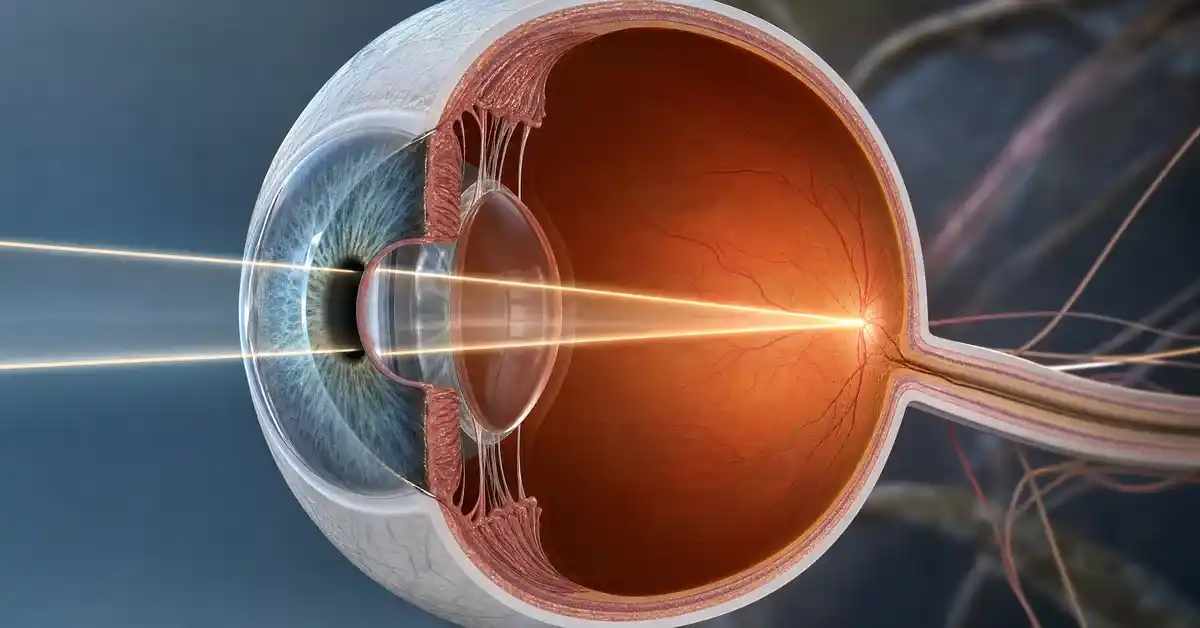
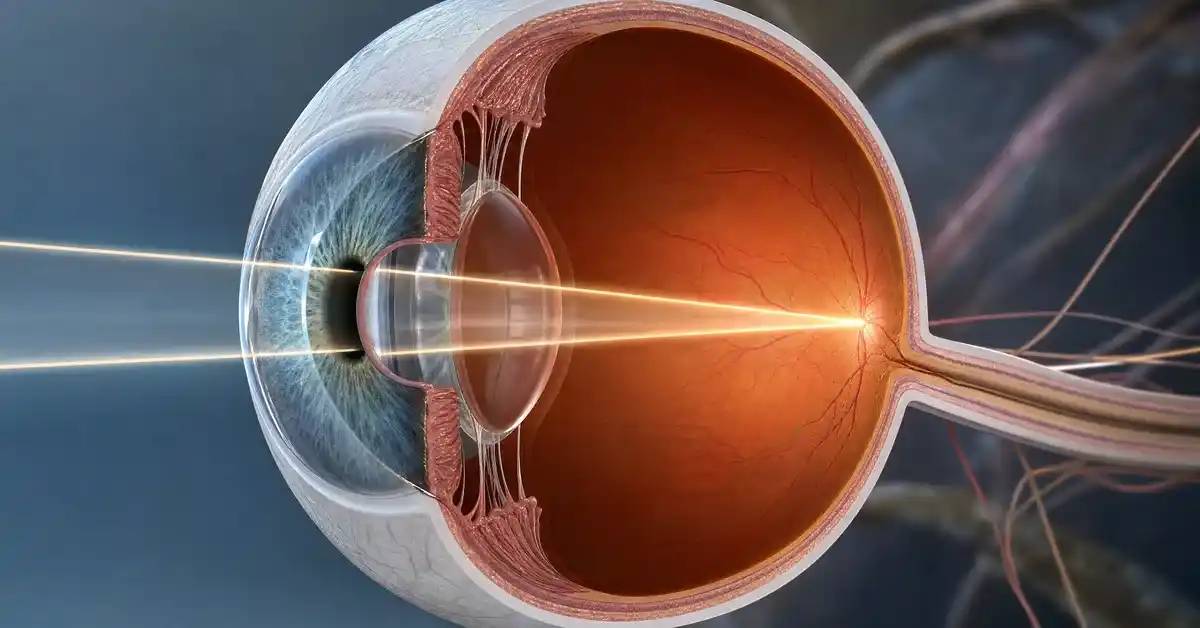
The option of vision correction after 40 is no longer limited to young adults; it has become highly accessible and effective for older individuals as well. The concept of vision correction for seniors relies on addressing the changes that occur in the natural lens of the eye or the cornea. Through advanced techniques, doctors can alter the path of light entering the eye to ensure it focuses correctly on the retina, thereby reducing or eliminating the need for prescription glasses for reading or distance vision.
Eye Problems After 40
There are various eye problems after 40, but the most prominent is the loss of the ability to see close objects clearly. This condition, known as presbyopia, occurs due to the hardening of the eye's lens and the weakening of the surrounding muscles. Additionally, some individuals may experience dry eyes or the early stages of cataract formation. Understanding these issues accurately is the first step toward determining the best vision correction procedure that suits the patient's condition and ensures sustainable results.
Read about: LASIK vs Femto LASIK: How to Choose the Best Vision Correction
Is LASIK Suitable After 40
Many people wonder about the effectiveness and safety of laser eye surgeries for vision correction at this stage of life.
LASIK After 40
Undergoing Lasik after 40 is a strongly considered option, but it requires a precise evaluation of the eye's condition. LASIK works by reshaping the cornea to correct nearsightedness, farsightedness, and astigmatism. However, traditional LASIK may not directly treat presbyopia, as it targets the cornea rather than the aging lens inside the eye. Therefore, a doctor might suggest a "monovision" technique using LASIK, where one eye is corrected for distance vision and the other for near vision.
Is LASIK Safe After 40
To answer the question, is LASIK safe after 40, comprehensive eye examinations must be conducted. If the cornea is healthy and there are no signs of severe dry eyes or cataracts, LASIK can be an excellent choice. Nevertheless, patients must be aware of Lasik risks after 40, which may include an increased likelihood of dry eyes or the need for mild reading glasses in some cases. Transparency between the doctor and the patient is the key to the success of any eye surgery after 40.
Read about: LASIK Eye Correction for Adults: Post-Procedure Tips
Types of Vision Correction
The available surgical options for vision correction vary depending on the condition of the eye and the specific needs of the patient.
Laser Eye Surgery
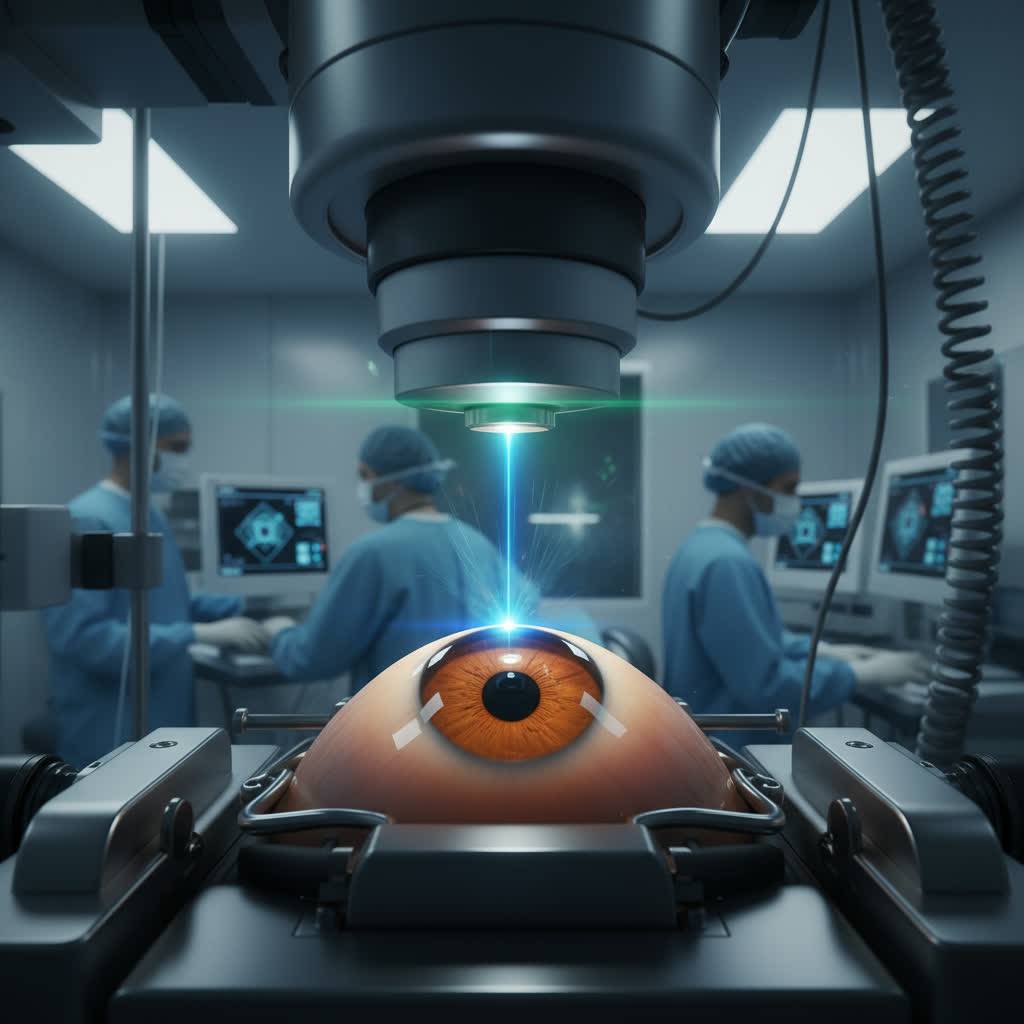
Techniques for laser eye surgery include several types such as LASIK, Femto-LASIK, and SMILE. These procedures are characterized by their speed and high precision in modifying the shape of the cornea. They are ideal for those with stable refractive errors who do not suffer from internal lens problems. These surgeries significantly contribute to improving visual quality and offer a relatively short recovery period.
Intraocular Lens Implants
In cases where laser treatment is not suitable, intraocular lens implants are considered an effective alternative solution. This procedure involves removing the natural lens of the eye, which has lost its flexibility, and replacing it with an advanced artificial lens. This procedure, similar to cataract surgery, provides a radical solution for presbyopia and prevents the future formation of cataracts, making it a preferred choice among vision correction options for older adults.
Lens Replacement Surgery
Multiple types of lenses are available for lens replacement surgery to meet different needs. Multifocal lenses allow for clear vision at various distances (near, intermediate, and far), significantly reducing reliance on glasses. Choosing the appropriate type of lens is based on the patient's lifestyle and the results of precise medical examinations, ensuring the best possible vision correction results.
Read about: Latest Femtolasik Techniques for Sensitive Eyes in Turkey
Presbyopia and Treatment
Presbyopia is the biggest challenge facing individuals over forty, requiring specialized medical intervention.
Presbyopia Treatment
Presbyopia occurs as a natural part of the aging process. Symptoms usually begin with difficulty reading small text or the need to hold a mobile phone or book further away to see the words clearly. This condition affects almost everyone, regardless of whether they have had previous vision problems. Early diagnosis aids in selecting the most appropriate presbyopia treatment and avoiding the associated eye strain and headaches.
Reading Vision Correction
Options for reading vision correction range from temporary solutions like prescription glasses and contact lenses to permanent solutions like intraocular lens implants or advanced laser techniques. Surgical treatment aims to restore dynamic focusing ability or provide clear vision at multiple distances. Choosing the best vision correction procedure depends heavily on the doctor's assessment of the overall eye condition and the patient's expectations.

Results and Risks
As with any medical procedure, the expected benefits must be weighed against the potential risks to ensure an informed decision.
Vision Correction Results
Studies show that vision correction results after forty are highly satisfactory in most cases. The vast majority of patients are able to perform their daily activities, such as driving, reading, and using electronic devices, without the need for glasses. The visual stability provided by these surgeries, especially intraocular lens implants, grants the patient long-term comfort and significantly improves their overall quality of life.
Lasik Risks After 40
Despite high success rates, attention must be paid to Lasik risks after 40. Some patients may experience dry eyes, which can be more pronounced at this age. Halos around light sources at night may also occur. Furthermore, if presbyopia continues to progress, the patient might need reading glasses after some time. Therefore, a comprehensive pre-operative evaluation is a crucial step to avoid these complications.
Read about: Comprehensive Eye Exams Before Vision Correction Surgery
Cost and Doctors
The financial aspect and choosing the right doctor are among the most important factors influencing a patient's decision to undergo surgery.
Vision Correction Cost
The vision correction cost varies based on several factors, including the type of technology used (laser or lens implantation), the type of lens implanted, and the level of equipment at the medical center. Generally, multifocal lens implantation surgeries are more expensive than traditional LASIK due to the advanced technology of the lenses. However, this cost should be viewed as a long-term investment in eye health and quality of life, especially when performed in leading medical destinations like vision correction in Turkey.
Best Eye Doctors
The success of any surgical procedure depends primarily on the skill and experience of the surgeon. Searching for the best eye doctors specializing in vision correction for older adults is an indispensable step. The doctor must have extensive experience in dealing with presbyopia cases and be able to provide an accurate and transparent assessment of the patient's condition. Choosing the right doctor ensures achieving the best results and minimizing potential risks.
Read about: Cost and Modern Techniques of Vision Correction Surgery in Turkey
Alternatives and Options
For those who prefer not to undergo surgical intervention, safe and effective alternative options are available.
Non-Surgical Vision Correction
Options for non-surgical vision correction include the use of progressive glasses or contact lenses specifically designed for aging eyes treatment. These options provide an immediate and safe solution to vision problems without exposure to any surgical risks. Additionally, certain visual exercises can help relieve eye strain, although they do not treat the underlying problem.
Best Vision Correction Procedure
There is no one-size-fits-all answer when searching for the best vision correction procedure. The optimal choice depends on a precise medical examination, the patient's age, the condition of the cornea, and the presence of any other eye diseases such as cataracts. Whether the choice is laser eye surgery or lens replacement surgery, the ultimate goal is to provide clear and comfortable vision that meets the patient's aspirations.
Read about: LASIK Eye Surgery: Turkey vs USA
Conclusion
In conclusion, advancing age is no longer a barrier to enjoying clear vision and a life free from the constraints of glasses. Thanks to astonishing advancements in ophthalmology, options for vision correction after 40, whether through advanced laser techniques or sophisticated lens implants, have become safe and effective solutions for treating presbyopia and various vision problems. Making the right decision begins with a precise understanding of the eye's condition and consulting with specialized experts to ensure the selection of the optimal procedure that guarantees sustainable results.
At Safemedigo, we are here to accompany you every step of the way toward restoring the quality of your vision. Through our extensive network of the best hospitals and doctors, we offer you world-class medical care that ensures your comfort and safety. Discover how our exceptional medical services can help you regain the clarity of your vision with confidence alongside Safemedigo.
FAQ: Vision Correction After Age 40
Can LASIK surgery be performed after the age of 40?
Yes, Lasik after 40 can be performed if the cornea is healthy and there are no medical contraindications. However, traditional LASIK may not fully treat presbyopia, and the doctor might suggest the monovision technique as an alternative solution.
What is the best vision correction procedure for older adults?
Intraocular lens implants (multifocal lenses) are considered one of the best options for older adults, as they treat presbyopia and prevent the future formation of cataracts, providing a radical and permanent solution to vision problems.
Are the results of vision correction after 40 permanent?
In the case of lens implantation, the results are permanent and stable. As for laser eye surgery, near vision may change over time as aging continues and the natural lens of the eye hardens.
What are the risks of vision correction surgeries at this age?
Potential risks include dry eyes, the appearance of halos at night, or the need for mild reading glasses after a while. A precise medical evaluation before the surgery significantly reduces these risks.
Does the vision correction cost in Turkey differ from other countries?
Yes, the vision correction cost in Turkey is highly competitive compared to many countries, while maintaining high medical quality and utilizing the latest global technologies under the supervision of the best eye doctors.