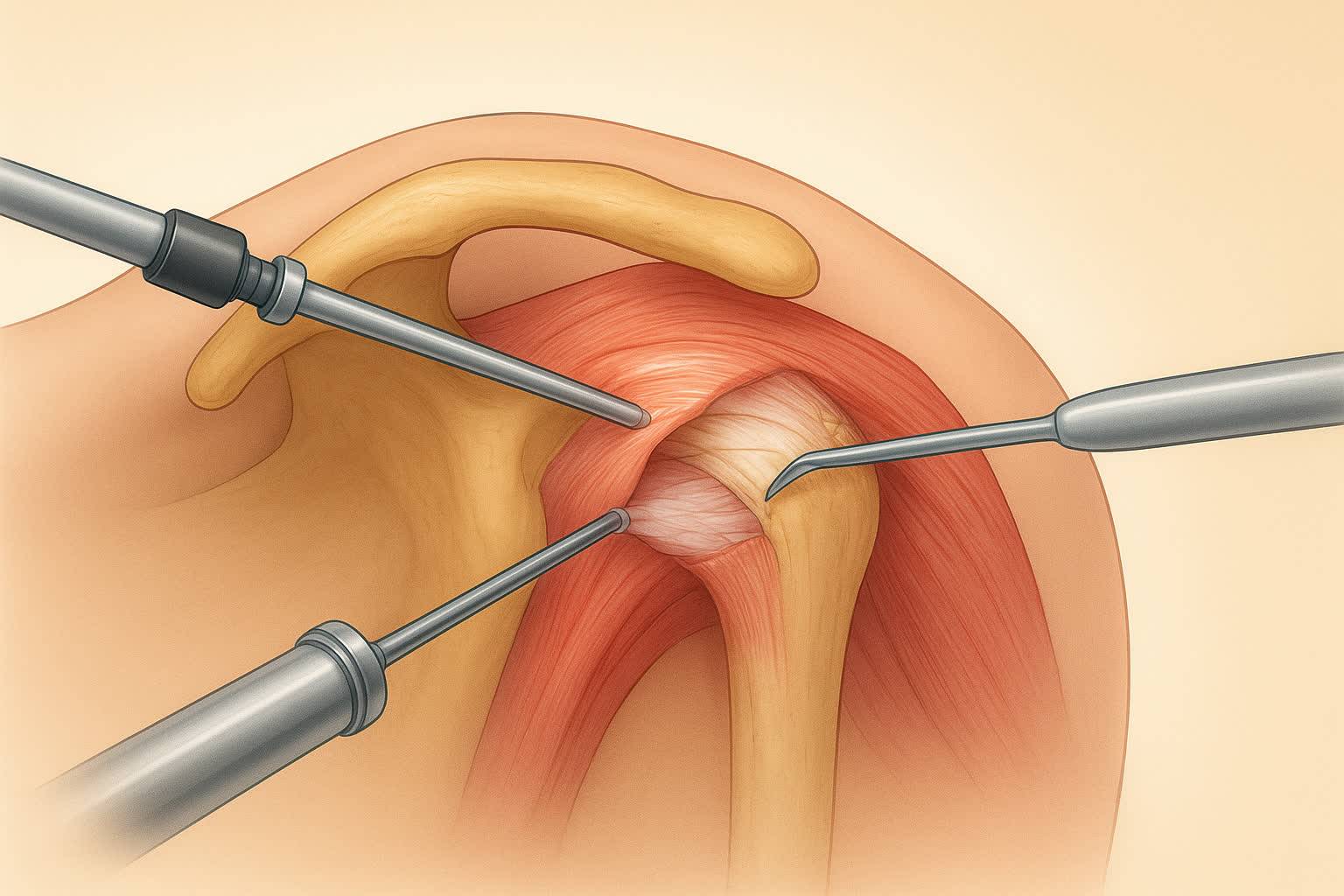




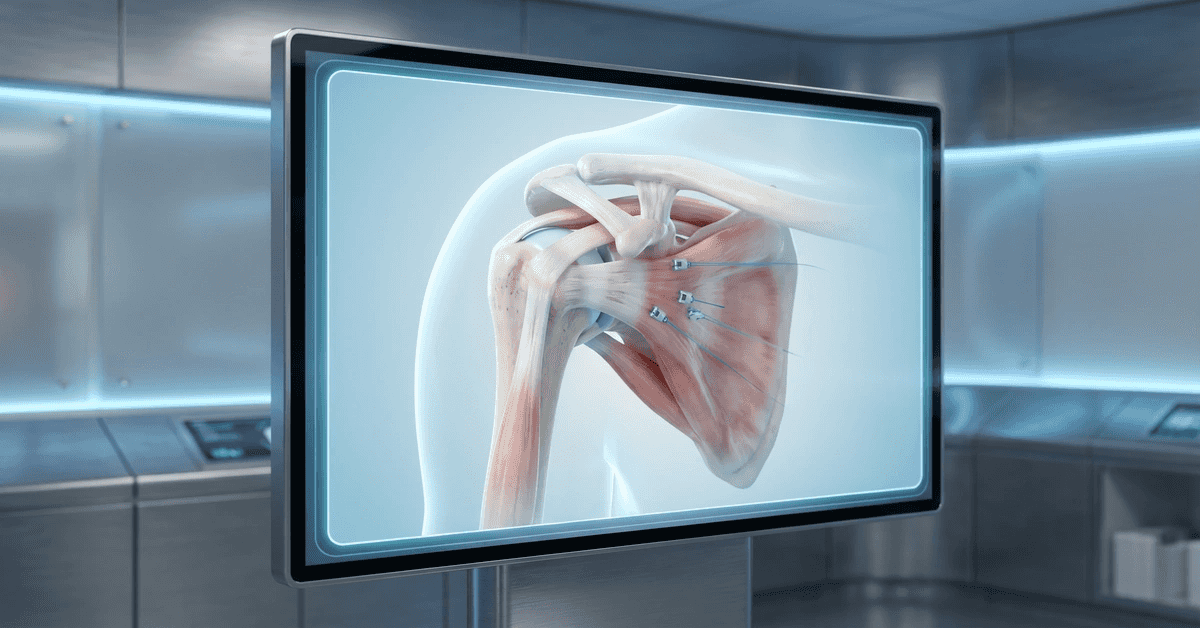
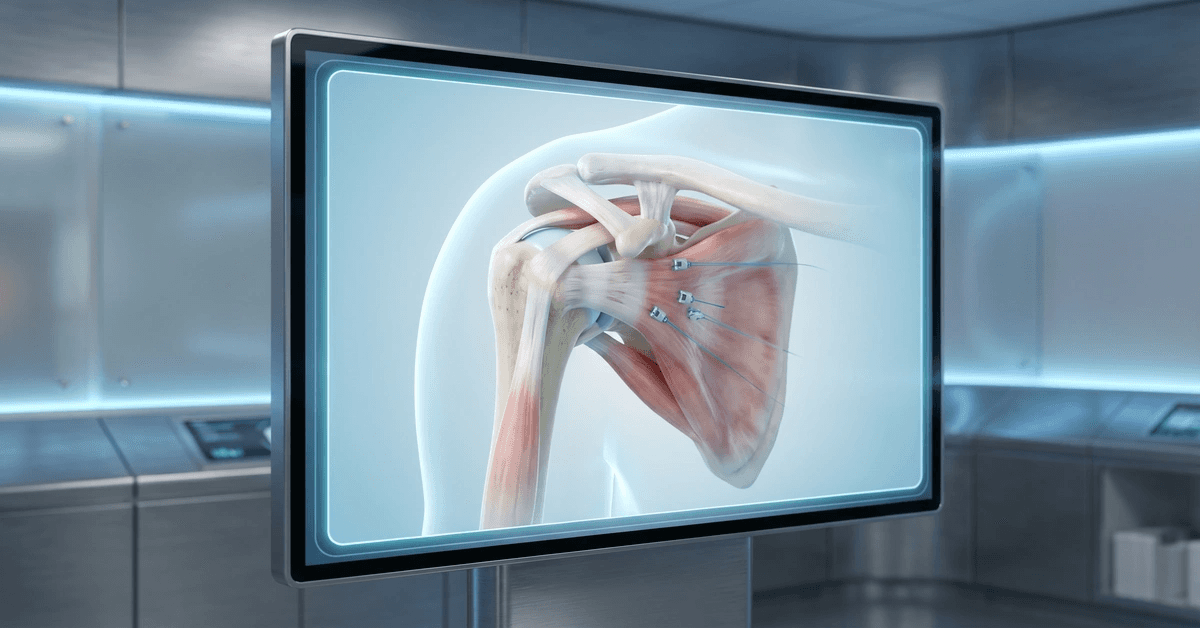
Undergoing shoulder surgery is a significant step toward regaining arm function and alleviating chronic pain that disrupts daily life. However, the surgical procedure itself is only half the battle. The true, long-lasting success of the operation depends heavily on comprehensive shoulder rehab after surgery.
The shoulder is the most mobile joint in the human body, and this extensive range of motion makes it highly susceptible to stiffness, muscle weakness, and the formation of scar tissue if it is not properly mobilized and strengthened following surgical intervention. A structured shoulder rehabilitation program aims to achieve several parallel goals: restoring full range of motion, strengthening the surrounding muscles and tendons to ensure joint stability, and preparing the patient to return to their daily and athletic activities safely and without pain.
In this comprehensive guide, we will explore the detailed stages of shoulder rehab, the most recommended therapeutic exercises, and how to effectively manage common challenges such as pain and stiffness, ensuring the best possible outcomes in collaboration with the specialized medical team at Safemedigo.
Shoulder Rehab After Surgery Overview
Engaging in shoulder rehab after surgery is not merely an optional add-on or a secondary phase that can be skipped; it is an integral and essential part of the overall treatment plan. Without appropriate and early physical therapy, tough scar tissue can form inside and around the joint, restricting natural movement, and the supporting muscles can atrophy rapidly. This can lead to unsatisfactory results, chronic weakness, and a high likelihood of re-injury, even after the most successful surgeries performed by skilled surgeons.
Stages of shoulder rehab
The stages of shoulder rehab typically consist of several progressive and carefully planned steps, depending on the biological healing of the tissues. The first stage (maximum protection phase) begins with protecting the repaired joint, reducing inflammation and pain, and focusing exclusively on passive movements (where a therapist or a specialized machine moves the arm without any muscular effort from the patient). The second stage (assisted motion phase) focuses on restoring active-assisted range of motion, where the patient begins to use their muscles partially with the help of their healthy arm or assistive devices. This is followed by the third stage, which incorporates shoulder strengthening exercises after surgery using gradually increasing resistance. Finally, the fourth stage (return to activity phase) focuses on advanced functional exercises and returning to specific sports or occupational activities that require high effort.
Shoulder recovery timeline
The shoulder recovery timeline varies significantly and is influenced by several factors, including the type of surgery (such as a simple arthroscopic procedure versus a complex open surgery or joint replacement), the patient's age, overall health, tissue quality, and most importantly, their strict adherence to the rehabilitation program. Generally, initial recovery and wound healing may take 4 to 6 weeks, while full functional recovery, restoring maximum strength, and the ability to engage in strenuous sports may require 4 to 6 months, and in some complex cases, it can extend up to a full year.
Post shoulder surgery recovery
Successful post shoulder surgery recovery involves strict adherence to the treating physician's instructions regarding wearing the medical sling at the specified angle and duration, taking prescribed medications regularly to control pain and inflammation, and starting early and regular sessions of physical therapy for shoulder injury. It is also crucial to maintain a proper sleeping position (often in a semi-reclined position in the first few weeks) to avoid pressure on the affected shoulder, and to avoid sudden movements, lifting heavy objects, or pushing things during the early stages of healing.
Read about: Shoulder Joint Replacement Surgery: When Is It Needed
Shoulder Rehabilitation Program
A shoulder rehabilitation program must be custom-designed for each individual patient, based on the exact type of surgery, the condition of the repaired tissues, and the patient's individual needs and future goals. A qualified physical therapist develops this program and continuously adjusts it as the patient progresses through the healing stages.
Shoulder rehabilitation program
A comprehensive shoulder rehabilitation program includes a diverse and integrated range of therapeutic techniques. This includes specialized manual therapy to improve joint mobility and break down adhesions, cryotherapy or heat therapy to reduce pain and inflammation and stimulate blood circulation, the use of electrical stimulation devices, and prescribing and training the patient on shoulder physical therapy exercises that they must perform accurately in the clinic under the therapist's supervision, and regularly at home as part of their daily routine.
When to start shoulder exercises after surgery
A common and important question patients ask is when to start shoulder exercises after surgery? The exact answer depends entirely on the surgeon's directives and the surgical protocol followed. In many cases, very simple passive movements and pendulum exercises begin within a few days (or even the day after) surgery to prevent early stiffness, while active exercises and resistance training are delayed for several weeks (often 4 to 6 weeks) to protect the newly healed tissues and tendons from tearing.
Shoulder physical therapy exercises
Shoulder physical therapy exercises are the cornerstone and primary driver of the recovery process. These exercises must be performed regularly and with extreme precision to avoid straining the joint or damaging the surgical repair. This includes progressive stretching exercises to improve flexibility, and escalating strengthening exercises using elastic resistance bands or very light weights in the advanced stages, always focusing on the quality of movement rather than just the amount of weight lifted.
Read about: Shoulder Joint Replacement for Athletes: Rehab Follow-up
Shoulder Exercises After Surgery
Therapeutic exercises are divided into different categories and sequential phases to ensure the restoration of all motor and muscular functions of the shoulder in a balanced, safe, and effective manner.
Shoulder mobility exercises after surgery
Shoulder mobility exercises after surgery aim to restore the normal range of motion of the joint and prevent capsular contracture. These fundamental exercises include the pendulum exercise, where the patient leans forward supporting themselves on a table and lets their affected arm swing completely freely in small circles using only the weight of the arm, finger wall climbing exercises to increase forward elevation, and stretching exercises assisted by the healthy arm using a light stick or towel to improve external and internal rotation.
Shoulder strengthening exercises after surgery
Once basic range of motion is restored and the doctor approves, shoulder strengthening exercises after surgery begin. These exercises focus specifically on the delicate rotator cuff muscles and the shoulder blade muscles that provide stability to the joint. Elastic resistance bands (Thera-bands) with varying colors and resistances are used to strengthen internal and external rotation movements, in addition to lateral and forward arm raise exercises with very light weights (such as small water bottles) to strengthen the deltoid muscle.
Arthroscopic shoulder rehab exercises
Arthroscopic shoulder rehab exercises are characterized by the fact that they may progress and evolve relatively faster compared to traditional open surgery, due to less damage to surrounding tissues and muscles during the surgical intervention. However, extreme caution must be exercised, and one should not rush to increase the load, strictly following the specific arthroscopic rehabilitation protocol determined by the doctor, as the internal tissues that were repaired (such as tendons or cartilage) still require the same biological time for complete healing.

Physical Therapy for Shoulder Injury
The physical therapist plays a crucial and central role in guiding the patient step-by-step through the long recovery period, evaluating their progress, modifying exercises, and addressing any complications or obstacles that may appear on the road to recovery.
Shoulder pain after surgery treatment
Shoulder pain after surgery treatment is a top priority in the early stages, as severe pain prevents the patient from performing necessary exercises. Physical therapy utilizes multiple techniques such as applying ice packs regularly, Transcutaneous Electrical Nerve Stimulation (TENS), and therapeutic ultrasound to relieve pain and reduce swelling, allowing the patient to relax and perform stretching exercises more comfortably and effectively.
Frozen shoulder treatment after surgery
To prevent or provide frozen shoulder treatment after surgery, which is one of the most common challenges, the therapist performs precise manual joint mobilization techniques to break down tissue adhesions and improve the gliding of joint surfaces against each other. Continuous, gentle, and daily repeated stretching is the golden key to overcoming stiffness and regaining freedom of movement.
Weak shoulder after surgery treatment
Weak shoulder after surgery treatment is achieved through a gradual and deliberate progression in resistance and weight-bearing exercises. The therapist focuses on restoring muscular balance around the joint, as weakness in specific muscles (like the shoulder blade muscles) can lead to abnormal joint movement, tendon friction, and future problems and pain.
Read about: Shoulder Surgery for Athletes: Turkey vs Germany
Rehab for Different Shoulder Conditions
Rehabilitation protocols and movement restrictions vary significantly and fundamentally based on the type of surgical procedure performed and the anatomy that was modified.
Rotator cuff rehab exercises
Rotator cuff rehab exercises require extreme caution and great patience to protect the delicate tendons that were sutured and repaired. Active movements (where the patient raises their arm themselves) and resistance exercises are usually delayed for a longer period (often 6 weeks or more) to allow the tendon to heal and attach strongly to the bone safely, focusing in the first weeks on passive movements only.
Shoulder dislocation rehab
Shoulder dislocation rehab (and stabilization surgeries like the Bankart procedure) focuses on restoring joint stability and preventing recurrent dislocation. Movements that place pressure and stress on the anterior capsule and stretched ligaments (such as excessive external rotation with arm elevation) are avoided in the early stages, with a strong and intensive focus on strengthening the shoulder stabilizing muscles to act as a protective shield for the joint.
Physical therapy for shoulder injury
To ensure exercises are performed correctly and safely at home away from the therapist's supervision, patients are often provided with booklets, videos, or printed guides detailing physical therapy for shoulder injury and the specific steps. These precise illustrative guides help in remembering the correct body posture, required angles of movement, and avoiding common mistakes that could lead to joint strain or tissue tearing.
Common Problems After Shoulder Surgery
Awareness of potential problems and complications helps the patient and the medical team intervene early and deal with them effectively before they worsen.
Shoulder pain after surgery
It is normal and expected to feel some shoulder pain after surgery, especially in the first few weeks and after intensive physical therapy sessions. However, if the pain is very severe, sudden, unresponsive to painkillers, or accompanied by significant swelling, increasing redness, or a rise in body temperature, the surgeon must be consulted immediately to rule out any serious complications such as bacterial infection or failure of the surgical repair.
Frozen shoulder
Frozen shoulder (or secondary adhesive capsulitis) is one of the most common and bothersome complications if the early rehabilitation program is not adhered to. Treating this condition requires great patience, intensive and sometimes painful physical therapy sessions, and continuous stretching exercises at home to gradually restore flexibility and avoid the need for another surgical intervention to break the adhesions.
Muscle weakness after surgery
Weak shoulder after surgery treatment occurs rapidly due to disuse (muscle atrophy) and involuntary inhibition of muscle action due to pain and swelling. A slow, continuous, and regular progression in strengthening exercises, focusing on proper nutrition, is the optimal and only solution to restore muscle mass, strength, and normal function of the arm.
Tips to Speed Up Shoulder Recovery
There are several daily steps and measures a patient can take to support the biological healing process and achieve the best functional results as quickly as possible.
Shoulder rehab after surgery
Strict and daily adherence to the shoulder rehab after surgery program is the most important and influential factor on the final outcome. All scheduled physical therapy sessions must be attended, and home exercises must be performed regularly as prescribed by the therapist, without overdoing it which leads to injury, or neglecting it which leads to stiffness and weakness.
Shoulder flexibility exercises
Always ensure you are performing the appropriate shoulder flexibility exercises for your current stage of recovery as authorized by your doctor and therapist. Never try to speed up the process by performing advanced exercises or lifting heavy weights prematurely, as this may lead to tearing the newly healed tissues, destroying the results of the surgery, and delaying healing for additional months.
Injury prevention tips
To prevent complications and ensure an optimal healing environment, follow wound care and hygiene instructions meticulously, avoid smoking completely as it constricts blood vessels and impedes the flow of blood and oxygen necessary for tissue healing, and maintain a healthy, balanced diet rich in protein to build muscles, and vitamins (especially vitamin C) to support collagen and tissue building. Continuous and transparent communication with your medical team at Safemedigo will ensure a safe, smooth, and successful recovery.
Conclusion
In conclusion, we must realize that shoulder rehab after surgery is an integrated therapeutic journey that requires a lot of patience, daily commitment, and close, continuous work with physical therapists and the surgeon. By deeply understanding the stages of shoulder rehab and strictly adhering to a shoulder rehabilitation program tailored to your condition and needs, you can successfully overcome the challenges of pain and stiffness, and restore muscle strength and full range of motion to your joint.
Always remember that every medical case is unique, and the shoulder recovery timeline naturally varies from person to person based on many factors. If you are about to undergo shoulder surgery or are currently in the recovery phase and looking for optimal care, the team of experts and specialists at Safemedigo is always ready to provide comprehensive medical support, precise guidance, and advanced rehabilitation programs to ensure your return to your normal life and favorite activities with the best health and highest possible efficiency. Contact Safemedigo today to start your recovery journey with confidence and safety.
FAQ: Shoulder Rehab After Surgery
When can I drive after shoulder surgery?
The decision to return to driving depends on the type of surgery, the affected arm (left or right), and the type of transmission in your car. Generally and strictly, driving is absolutely not allowed while wearing a medical sling or while taking strong pain medications that affect concentration. It usually takes 4 to 6 weeks, and sometimes longer, before you regain enough strength and range of motion for quick reflexes and your doctor allows you to drive completely safely.
Will I regain full range of motion in my shoulder after surgery?
With strict and early adherence to the physical therapy program, the vast majority of patients regain full or near-full range of motion that allows them to go about their normal lives. However, in some complex cases, very large surgeries, or if rehabilitation is delayed, there may be some slight, permanent restriction in some extreme angles of movement.
Can I return to competitive sports after shoulder surgery?
Yes, most patients and athletes can return to playing sports, but this requires a long time and specialized, intensive sports rehabilitation. Sports that require forceful use of the arm above head level (such as tennis, swimming, or volleyball) may require 6 to 9 months, and perhaps a full year, of gradual rehabilitation before a safe return and competition without the risk of re-injury.
What should I do if I feel sudden, sharp pain while doing home exercises?
It is normal to feel muscle tension or mild, tolerable discomfort during stretching exercises, but sharp, stabbing, or sudden pain is an important warning sign that should not be ignored. You must stop the exercise immediately, rest the arm, apply an ice pack to the area for 15 minutes, and consult your physical therapist or surgeon as soon as possible to evaluate the situation.
Can I use hot compresses instead of ice to relieve shoulder pain?
In the first few weeks (2-4 weeks) after surgery, it is always preferable to use ice to reduce active inflammation, swelling, and numb the pain. After this initial period has passed and swelling has decreased, your therapist may advise you to use moderate heat before an exercise session to relax tight muscles and increase blood flow, and return to using ice after exercises to reduce any new inflammation caused by motor effort.