





Shoulder joint replacement surgery, also called shoulder arthroplasty, is a procedure used to treat severe shoulder joint damage when pain becomes persistent, movement is limited, and non-surgical treatments no longer provide enough relief. It may be recommended for advanced shoulder arthritis, rheumatoid arthritis, severe fractures, avascular necrosis, rotator cuff tear arthropathy, failed previous shoulder surgery, or severe joint destruction.
Shoulder replacement is not the first option for every shoulder pain case. Many patients improve with physical therapy, medications, injections, activity modification, or rotator cuff repair when appropriate. However, when the joint surface is severely damaged, the shoulder becomes stiff and painful, and daily activities such as dressing, sleeping, lifting the arm, combing hair, or reaching overhead become difficult, shoulder replacement may become the better option.
There are different types of shoulder replacement, including total shoulder replacement, partial shoulder replacement, and reverse shoulder replacement. The correct procedure depends on the condition of the cartilage, bone, rotator cuff tendons, shoulder socket, patient age, activity level, diagnosis, and treatment goals. A successful plan is not based only on the implant name; it requires a complete shoulder evaluation.
At Safemedigo, shoulder joint replacement surgery planning includes reviewing X-rays, MRI or CT scans, medical reports, previous treatments, and patient expectations. The goal is to determine whether surgery is truly needed, which type of shoulder arthroplasty is most suitable, what recovery may involve, and what long-term outcomes the patient can realistically expect.
What Is Shoulder Joint Replacement Surgery?
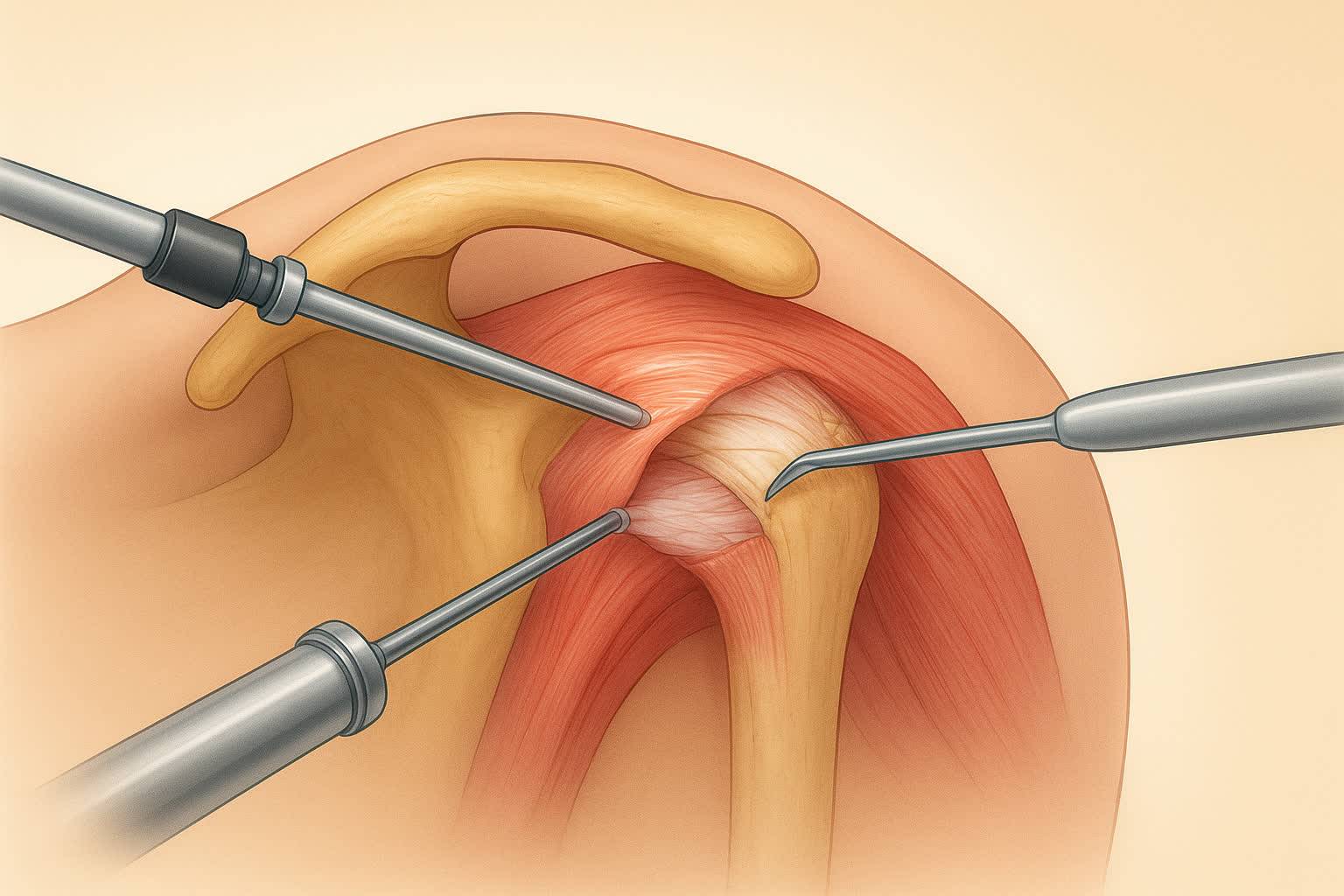
Shoulder joint replacement surgery is an operation in which damaged parts of the shoulder joint are replaced with artificial components. The shoulder joint is mainly formed by the head of the humerus and the glenoid socket of the shoulder blade. When cartilage, bone, or tendons are severely damaged, the joint may become painful, stiff, unstable, and difficult to use.
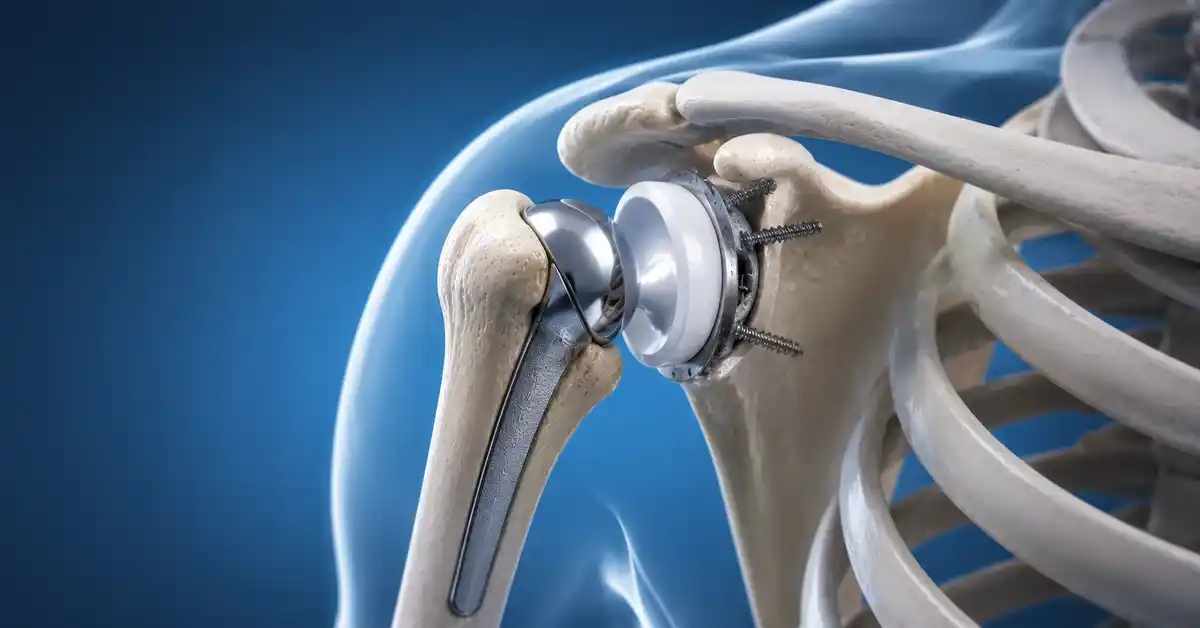
During surgery, the orthopedic surgeon removes the damaged surfaces and replaces them with metal, plastic, or other medical-grade components depending on the type of replacement. In some patients, only the humeral head is replaced. In others, both the humeral head and glenoid socket are replaced. In reverse shoulder replacement, the mechanics of the joint are changed so that the deltoid muscle can help lift the arm when the rotator cuff is not functioning well.
The goal of shoulder replacement is not to create a brand-new natural shoulder. The main goals are pain relief, better function, improved daily activity, and increased independence.
Difference Between Partial Shoulder Replacement and Total Shoulder Replacement
The difference between partial shoulder replacement and total shoulder replacement is based on which parts of the joint are replaced. In partial shoulder replacement, usually only the humeral head is replaced, while the glenoid socket is preserved. In total shoulder replacement, both the humeral head and the glenoid socket are replaced.
Partial shoulder replacement may be considered in selected cases such as:
- Certain fractures of the humeral head.
- Humeral head damage with a preserved socket.
- Selected cases of avascular necrosis.
- Patients with a relatively healthy glenoid.
- Cases where socket replacement is not ideal.
- Some trauma-related shoulder conditions.
Total shoulder replacement may be considered when there is:
- Advanced shoulder osteoarthritis.
- Cartilage loss on both sides of the joint.
- Chronic pain with limited motion.
- Failure of conservative treatment.
- Selected rheumatoid arthritis cases.
- Joint surface destruction with functional rotator cuff tendons.
- Bone-on-bone arthritis affecting the ball and socket.
If the socket is severely damaged and only partial replacement is performed, pain may continue. If a total replacement is chosen when it is not necessary or not suitable, risks may increase without clear benefit. Therefore, the decision must be based on clinical examination and imaging.
Types: Reverse Shoulder Replacement, Shoulder Arthroplasty
Shoulder arthroplasty is a general medical term for shoulder joint replacement. It includes traditional total shoulder replacement, partial shoulder replacement, reverse shoulder replacement, and revision shoulder replacement. Each type has different indications.
Traditional total shoulder replacement is usually used when the rotator cuff tendons are functional and the main problem is arthritis of the joint surfaces. The surgeon replaces the damaged ball and socket in a way that preserves more normal shoulder mechanics.
Partial shoulder replacement replaces only part of the joint, most commonly the humeral head, and may be used in selected fractures or isolated humeral head disease.
Reverse shoulder replacement is often used when the rotator cuff is severely torn or not functioning. In this design, the ball and socket relationship is reversed so that the deltoid muscle can help lift the arm. This makes reverse shoulder replacement especially important in cuff tear arthropathy, severe rotator cuff deficiency, complex fractures in older patients, and some revision cases.
Main types include:
- Traditional total shoulder replacement.
- Partial shoulder replacement.
- Reverse shoulder replacement.
- Reverse total shoulder arthroplasty.
- Shoulder replacement after fracture.
- Shoulder replacement for rheumatoid arthritis.
- Shoulder joint replacement revision.
- Revision after failed previous implant.
When Is Shoulder Replacement Needed?
Shoulder replacement is needed when the shoulder joint is severely damaged, pain is persistent, movement is limited, and non-surgical care no longer provides enough improvement. Many patients reach this point after years of arthritis, rheumatoid disease, rotator cuff disease, fracture, or failed previous surgery.
Shoulder replacement may be considered when pain interferes with sleep, the patient cannot lift the arm for normal activities, daily function becomes restricted, physical therapy and injections no longer work, and imaging shows advanced joint damage. In cases of severe rotator cuff tear with arthritis, reverse shoulder replacement may be more appropriate than traditional replacement.
The most important point is that the pain should come from the shoulder joint itself. Shoulder pain may also come from the neck, nerves, muscles, or tendons. This is why a detailed diagnosis is necessary before deciding on surgery.
When to Get Shoulder Arthroplasty: Pain, Stiffness, Dysfunction
When to get shoulder arthroplasty depends on the severity of pain, stiffness, and dysfunction. Surgery may be discussed when the patient has persistent pain despite treatment, limited motion, weakness, and difficulty with essential daily activities.
Shoulder arthroplasty may be considered when the patient has:
- Chronic shoulder pain.
- Pain at night.
- Pain that prevents sleep.
- Difficulty lifting the arm.
- Difficulty dressing.
- Difficulty washing or combing hair.
- Stiffness limiting movement.
- Grinding or catching in the joint.
- Loss of independence.
- Failure of physical therapy.
- Failure of medications or injections.
- Imaging-confirmed joint destruction.
- Reduced quality of life.
- Inability to perform work or home tasks.
The decision should not be based on pain alone or imaging alone. The best surgical candidates usually have symptoms, examination findings, and imaging results that all point to severe joint disease.
Indications for Shoulder Joint Replacement in Clinical Practice
Indications for shoulder joint replacement in clinical practice include conditions where the joint surface is damaged beyond what non-surgical care can repair. These indications vary by age, activity level, diagnosis, rotator cuff status, and bone quality.
Common indications include:
- Advanced shoulder osteoarthritis.
- Rheumatoid arthritis with joint destruction.
- Post-traumatic arthritis.
- Severe proximal humerus fracture.
- Avascular necrosis of the humeral head.
- Cuff tear arthropathy.
- Massive irreparable rotator cuff tear with arthritis.
- Failed previous rotator cuff repair with joint damage.
- Failed previous shoulder replacement.
- Severe pain with loss of function.
- Shoulder deformity from arthritis or trauma.
- Chronic stiffness with joint destruction.
Not every rotator cuff tear needs replacement. Not every arthritic shoulder needs immediate surgery. The indication becomes stronger when pain, imaging, and functional loss are all significant.
Read about: Shoulder Joint Replacement for Athletes: Rehab Follow-up
Shoulder Replacement Surgery Indications and Candidate Criteria
Shoulder replacement surgery indications and candidate criteria require a full orthopedic evaluation. The surgeon must assess the cause of pain, degree of cartilage loss, condition of the rotator cuff, bone stock, deformity, previous operations, and the patient’s overall health.
Candidate selection is essential because the wrong implant type can lead to poor function, instability, pain, or revision surgery. For example, a traditional total shoulder replacement may not work well if the rotator cuff is severely torn. In that case, reverse shoulder replacement may be more appropriate.
The evaluation usually includes medical history, physical examination, X-rays, MRI or CT scan when needed, and preoperative medical assessment.
Imaging Findings and Clinical Signs
Imaging findings and clinical signs help confirm whether shoulder arthroplasty is appropriate. X-rays are usually the first imaging test because they show joint space narrowing, bone spurs, deformity, humeral head damage, glenoid wear, and advanced arthritis. MRI is useful for evaluating the rotator cuff, labrum, muscles, and soft tissues. CT scan may be used to assess bone loss and glenoid shape.
Important clinical and imaging findings include:
- Bone-on-bone arthritis.
- Narrowed joint space.
- Humeral head deformity.
- Glenoid wear.
- Bone loss.
- Osteophytes.
- Avascular necrosis.
- Severe fracture pattern.
- Rotator cuff tear.
- Muscle atrophy.
- Tendon retraction.
- Shoulder stiffness.
- Limited active motion.
- Pain with joint movement.
- Weakness or pseudoparalysis.
Imaging should always be interpreted with symptoms. Some patients may have arthritis on X-ray but limited pain, while others have severe disability that matches imaging findings.
Rotator Cuff Status, Bone Quality, and Comorbidities
Rotator cuff status, bone quality, and comorbidities are critical in choosing the type of shoulder replacement. The rotator cuff helps stabilize the shoulder and lift the arm. If the cuff is intact and functional, anatomic total shoulder replacement may be possible. If the cuff is severely torn or nonfunctional, reverse shoulder replacement may be more suitable.
Important factors include:
- Is the rotator cuff intact?
- Is the tear repairable?
- Is there muscle atrophy?
- Is there fatty degeneration?
- Is the glenoid bone strong enough?
- Is there severe bone loss?
- Is the humeral bone damaged?
- Is there osteoporosis?
- Is the patient diabetic?
- Does the patient smoke?
- Is there rheumatoid arthritis?
- Is the patient using immune-suppressing medication?
- Are there heart or lung risks for anesthesia?
- Is there infection risk?
- Has the patient had previous shoulder surgery?
These details influence implant choice, surgical planning, recovery expectations, and complication risk.

Types of Shoulder Replacement: Total, Reverse, and Partial
Types of shoulder replacement include total, reverse, and partial procedures. Each has specific uses. The correct procedure is selected according to shoulder anatomy, cartilage damage, tendon function, bone quality, and diagnosis.
Total shoulder replacement is designed to replace both sides of the joint while preserving normal shoulder mechanics as much as possible. Reverse total shoulder arthroplasty changes the mechanics so the deltoid muscle can compensate for rotator cuff deficiency. Partial shoulder replacement replaces only the humeral side in selected conditions.
There is no universally best design. The best type is the one that matches the patient’s shoulder problem.
Reverse Total Shoulder Arthroplasty: Rationale and Use Cases
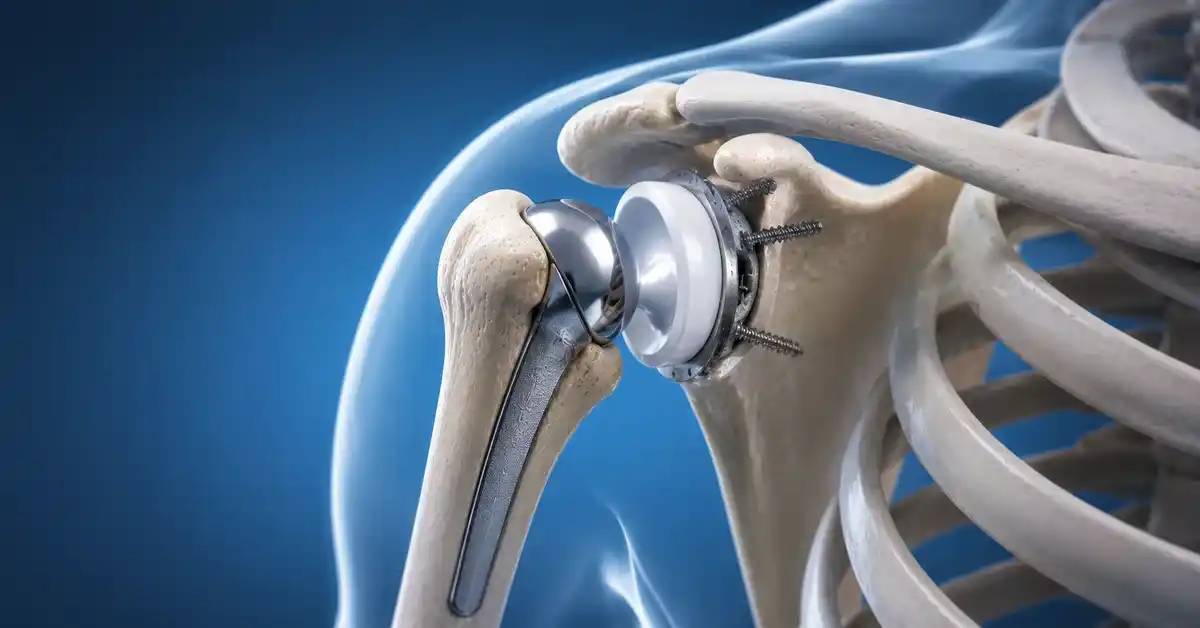
Reverse total shoulder arthroplasty is designed for shoulders where the rotator cuff cannot function well enough to power or stabilize the joint. In a normal shoulder, the rotator cuff helps center the ball in the socket and supports arm elevation. If the rotator cuff is severely torn, traditional replacement may fail to restore function.
Reverse replacement changes the ball-and-socket arrangement and allows the deltoid muscle to play a larger role in lifting the arm. This is why it is commonly used in cuff tear arthropathy and other complex shoulder conditions.
Reverse shoulder replacement may be used for:
- Massive irreparable rotator cuff tear.
- Rotator cuff tear arthropathy.
- Advanced arthritis with cuff deficiency.
- Complex proximal humerus fracture in older patients.
- Failed rotator cuff repair with loss of function.
- Failed previous shoulder replacement.
- Severe pseudoparalysis.
- Selected rheumatoid arthritis cases.
- Bone loss or deformity requiring reverse design.
- Revision shoulder arthroplasty.
Reverse shoulder replacement can reduce pain and improve arm elevation in selected patients, but it may not restore completely normal shoulder motion. Patients must follow movement precautions and rehabilitation carefully.
Partial Shoulder Replacement: When Is It Appropriate?
Partial shoulder replacement may be appropriate when the humeral head is damaged but the glenoid socket is still healthy enough to preserve. This option may be considered in selected fractures, avascular necrosis, or isolated humeral head disease.
Partial shoulder replacement may be suitable when:
- Damage is mainly in the humeral head.
- The glenoid cartilage is preserved.
- The rotator cuff is functional.
- The patient has a selected fracture pattern.
- Avascular necrosis affects the humeral head.
- Total replacement is not necessary.
- Bone and soft tissues support this option.
- The surgeon expects socket preservation to be beneficial.
Partial replacement may not be ideal if there is advanced socket wear, widespread arthritis, rotator cuff failure, or severe deformity. If the socket is already damaged, leaving it untreated may lead to persistent pain.
Benefits of Shoulder Replacement Surgery
Benefits of shoulder replacement surgery may include pain relief, improved motion, better sleep, improved daily function, and reduced dependence on pain medication. Many patients consider surgery after years of pain, stiffness, weakness, and limited independence.
Potential benefits include:
- Relief of chronic shoulder pain.
- Improved ability to sleep.
- Better ability to lift the arm.
- Easier dressing and washing.
- Improved ability to reach forward.
- Better daily independence.
- Reduced grinding and joint pain.
- Improved range of motion.
- Better quality of life.
- Improved function after severe arthritis.
- Improved arm use in daily activities.
- Reduced need for repeated injections or medications.
The exact benefit depends on the type of replacement, rotator cuff condition, preoperative stiffness, rehabilitation, and whether complications occur.
Pain Relief and Functional Improvement
Pain relief is usually the main reason patients choose shoulder joint replacement surgery. When cartilage is severely worn, joint movement becomes painful. Replacing the damaged surfaces can reduce painful friction and improve comfort.
Functional improvement may include:
- Improved forward elevation.
- Easier dressing.
- Easier bathing.
- Improved ability to eat comfortably.
- Easier hair care.
- Better sleep.
- Less night pain.
- Better use of the hand in front of the body.
- Increased independence.
- Reduced pain during light activities.
Range of motion improvement depends on how stiff the shoulder was before surgery, tendon status, implant type, and rehabilitation. Some patients get excellent pain relief but only partial motion recovery, especially in long-standing severe disease.
Long-Term Quality of Life and Activity
Long-term quality of life can improve when shoulder replacement reduces pain and restores useful function. Many patients become more independent and can return to light daily activities, hobbies, and social life.
Long-term improvements may include:
- Better sleep quality.
- Less need for help with dressing.
- Easier personal hygiene.
- Improved ability to drive when cleared.
- More confidence using the arm.
- Reduced pain medication use.
- Better mood due to less chronic pain.
- Improved participation in daily life.
- Ability to perform light household activities.
- Better comfort during travel.
However, patients should avoid unrealistic expectations. Heavy lifting, high-impact activities, repeated overhead strain, or aggressive sports may shorten implant life or increase complication risk.
Shoulder Replacement Surgery Complications and Risk Management
Shoulder replacement surgery complications can occur, as with any major operation. Understanding them helps the patient make an informed decision and follow prevention instructions carefully. Risk depends on implant type, patient health, bone quality, previous surgery, surgeon experience, and post-op compliance.
Possible complications include infection, bleeding, dislocation, instability, stiffness, nerve injury, fracture around the implant, prosthesis loosening, implant wear, glenoid problems, persistent pain, and need for revision surgery. Reverse shoulder replacement may have specific risks such as dislocation, scapular notching, acromial stress fracture, or component-related issues.
A medical review of reverse shoulder arthroplasty complications lists infection, nerve injury, hematoma, dislocation, scapular notching, acromial fracture, and glenoid or humeral component complications as recognized problems.
Infection, Dislocation, and Prosthesis Loosening
Infection, dislocation, and prosthesis loosening are among the most important complications after shoulder replacement. Infection may be superficial or deep around the implant. Deep infection can be difficult to treat and may require antibiotics, washout surgery, or implant revision.
Dislocation occurs when the artificial joint comes out of place. It may be more likely if movement precautions are ignored early after surgery or if soft tissues are weak. Prosthesis loosening may develop over years due to wear, bone changes, infection, or mechanical stress.
Risk factors may include:
- Poorly controlled diabetes.
- Smoking.
- Immune suppression.
- Previous shoulder surgery.
- Revision surgery.
- Poor bone quality.
- Weak soft tissues.
- Early unsafe movement.
- Falls after surgery.
- Heavy use too soon.
- Poor wound care.
- Active infection elsewhere in the body.
Risk management includes infection prevention, medical optimization, careful surgical technique, proper sling use, movement restrictions, wound care, and follow-up.
Revision Risk and Shoulder Joint Replacement Revision
Shoulder joint replacement revision means a second operation to repair, replace, or revise a previous shoulder implant. Revision surgery is usually more complex than the first operation because bone loss, scar tissue, instability, infection, or component loosening may be present.
Revision may be needed for:
- Implant loosening.
- Deep infection.
- Recurrent dislocation.
- Fracture around the implant.
- Glenoid component failure.
- Humeral component failure.
- Persistent severe pain.
- Rotator cuff failure after anatomic replacement.
- Failed partial replacement.
- Failed previous reverse replacement.
- Implant wear over time.
- Bone loss or deformity.
Revision risk can be reduced but not eliminated. Choosing the right implant type from the beginning, following restrictions, avoiding heavy stress, and attending follow-up visits can help protect the shoulder replacement.
Shoulder Replacement Surgery Recovery and Rehabilitation
Shoulder replacement surgery recovery requires time, protection, and structured rehabilitation. Treatment does not end at hospital discharge. The recovery plan includes pain control, wound care, sling use, gradual shoulder motion, strengthening, and return to daily activities.
Recovery varies depending on whether the surgery was total, partial, or reverse, whether tendons were repaired, the patient’s age, and the condition of the shoulder before surgery. In the early phase, the main goals are protecting the implant, reducing pain, preventing stiffness in the hand and elbow, and following movement precautions.
Gateshead Health notes that pain generally lessens over the first few weeks after shoulder replacement, and by around 8 to 12 weeks many patients can move the arm without too much discomfort, although recovery varies.
Early Post-Op Phase
The early post-op phase begins immediately after surgery. The patient usually wears a sling for a period determined by the surgeon. Hand, wrist, and elbow movements are encouraged early to reduce swelling and stiffness. Shoulder movement is introduced according to the surgical protocol.
The early phase may include:
- Hospital monitoring.
- Pain medication.
- Sling protection.
- Wound care.
- Swelling control.
- Hand and wrist movement.
- Elbow movement.
- Gentle passive shoulder motion if allowed.
- Avoiding unsafe positions.
- Sleeping in a supported position.
- Follow-up appointment.
- Physical therapy instructions.
- Avoiding lifting.
- Monitoring for warning signs.
Patients should not move the shoulder freely without permission, especially after reverse shoulder replacement or if soft tissue repair was performed.
Long-Term Recovery Timeline and Functional Goals
Long-term recovery after shoulder replacement may continue for several months. Pain usually improves before strength and motion fully recover. Rehabilitation progresses from protection to assisted motion, active motion, strengthening, and functional training.
A general timeline may include:
- First days: pain control, sling, wound care.
- First 2 weeks: hand, wrist, and elbow movement.
- 2 to 6 weeks: protected shoulder motion.
- 6 to 12 weeks: gradual active motion.
- Around 3 months: progressive strengthening in many cases.
- 3 to 6 months: improved daily function.
- 6 to 12 months: continued strength and functional gains.
Functional goals may include eating, dressing, personal hygiene, reaching forward, light household activity, and comfortable sleep. Heavy lifting or aggressive overhead work may remain restricted.
Shoulder Replacement Surgery Cost and Influencing Factors
Shoulder replacement surgery cost varies widely by country, hospital, surgeon, implant type, procedure complexity, hospital stay, anesthesia, imaging, physical therapy, and whether the operation is primary or revision. Reverse shoulder replacement may cost differently from traditional total or partial replacement because implant design and surgical complexity can differ.
Cost factors include:
- Partial, total, or reverse replacement.
- Implant brand and model.
- Primary surgery or revision surgery.
- Hospital level.
- Surgeon experience.
- Anesthesia fees.
- Length of hospital stay.
- Preoperative tests.
- MRI or CT scan.
- Medication and dressings.
- Physical therapy.
- Translation and coordination.
- Travel and accommodation for international patients.
- Additional treatment if complications occur.
A proper treatment package should clearly explain what is included and what is not included.
Cost Variation by Country, Hospital, and Implant
Cost variation by country, hospital, and implant can be significant. The same operation may have different prices in different healthcare systems because of hospital costs, implant pricing, insurance rules, surgeon fees, and rehabilitation arrangements.
When comparing prices, patients should ask:
- Is the implant included?
- Which implant type is being used?
- Is it total, partial, or reverse replacement?
- Are surgeon fees included?
- Is anesthesia included?
- How many hospital nights are included?
- Are tests and imaging included?
- Is physical therapy included?
- Are medications included?
- Are translation and transfers included?
- What happens if hospital stay is extended?
- Is post-discharge follow-up included?
- Is this a primary operation or revision?
The cheapest offer is not always the best choice. Implant quality, surgeon experience, infection prevention, and follow-up are essential.
Insurance, Surgeon Experience, and Implant Type
Insurance, surgeon experience, and implant type affect both cost and planning. Insurance may cover part or all of the procedure in some countries, but coverage depends on medical indication, hospital network, policy details, and preauthorization. International patients often need a self-pay package.
Surgeon experience matters because shoulder replacement is technically demanding. Reverse shoulder replacement, complex fractures, rheumatoid arthritis, and revision surgery require specific expertise. Implant type also affects cost, especially reverse designs or specialized revision components.
Important cost-related questions include:
- Is the surgeon experienced in this implant type?
- How often does the surgeon perform shoulder arthroplasty?
- Is this a standard or complex case?
- Is revision equipment needed?
- Is CT-based planning required?
- Will physical therapy be arranged?
- Is follow-up available after travel?
- Are there hidden fees?
- Are complications covered or charged separately?
Transparent cost planning protects the patient from surprises and supports safer medical travel.
Read about: Shoulder Surgery for Athletes: Turkey vs Germany
Shoulder Replacement Surgery Outcomes: Short-Term and Long-Term
Shoulder replacement surgery outcomes can be very positive when the right patient receives the right implant and follows rehabilitation. Many patients experience major pain relief and better function. However, outcomes depend on the original diagnosis, implant type, rotator cuff condition, bone quality, and whether complications occur.
Short-term outcomes usually focus on pain control, wound healing, protected motion, and early function. Long-term outcomes focus on pain relief, range of motion, implant durability, independence, and quality of life.
Patients should understand that shoulder replacement outcomes are not identical for all conditions. A patient with primary arthritis and intact rotator cuff may recover differently from a patient who needs reverse replacement after a massive rotator cuff tear or revision surgery.
Shoulder Replacement Surgery Outcomes in Studies
Shoulder replacement surgery outcomes in studies generally show that properly selected patients can achieve significant pain relief and improved function. Outcomes are often better when the diagnosis is clear, the implant matches the anatomy, and rehabilitation is followed.
Good outcomes are more likely when:
- The indication is appropriate.
- Imaging and symptoms match.
- Implant type is correctly selected.
- Rotator cuff status is considered.
- Bone quality is adequate.
- Surgery is performed by an experienced team.
- Infection is prevented.
- Rehabilitation is followed.
- Expectations are realistic.
- The patient avoids unsafe activities.
Outcomes may be less predictable in revision surgery, severe bone loss, nerve problems, uncontrolled inflammatory disease, poor tissue quality, or patients who expect normal athletic shoulder performance.
Shoulder Replacement Surgery Long-Term Results and Durability
Shoulder replacement surgery long-term results and durability depend on implant design, patient activity, bone quality, soft tissue condition, and follow-up. Modern implants can provide long-lasting benefit, but no artificial joint lasts forever. Wear, loosening, fracture, infection, or instability may require revision in some patients.
Long-term durability may be supported by:
- Choosing the right implant.
- Correct surgical positioning.
- Protecting the shoulder during early healing.
- Completing rehabilitation.
- Avoiding heavy repetitive lifting.
- Avoiding high-risk sports.
- Controlling diabetes.
- Treating infections early.
- Preventing falls.
- Maintaining follow-up.
- Reporting new pain early.
- Keeping realistic activity limits.
For many patients, the long-term goal is a shoulder that is less painful, more useful, and reliable for daily life—not a shoulder designed for heavy lifting or high-impact activity.
Conclusion
Shoulder joint replacement surgery may be needed when shoulder joint damage is severe, pain is persistent, motion is limited, and non-surgical treatments are no longer effective. The decision depends on the diagnosis, imaging, rotator cuff status, bone quality, patient health, and functional goals.
The main types of shoulder replacement include total shoulder replacement, partial shoulder replacement, and reverse shoulder replacement. Reverse total shoulder arthroplasty is especially important when the rotator cuff is severely damaged or nonfunctional. Traditional total shoulder replacement may be more suitable when the rotator cuff is intact and arthritis affects the joint surfaces. Partial shoulder replacement is reserved for selected conditions.
Frequently Asked Questions: Shoulder Joint Replacement Surgery
When is shoulder replacement needed?
Shoulder replacement may be needed when severe arthritis, fracture, rotator cuff tear arthropathy, or joint destruction causes persistent pain and loss of function despite non-surgical treatment.
What is the difference between shoulder replacement and shoulder arthroplasty?
They usually refer to the same concept. Shoulder arthroplasty is the medical term for shoulder joint replacement surgery.
What is reverse shoulder replacement?
Reverse shoulder replacement changes the ball-and-socket arrangement so the deltoid muscle can help lift the arm when the rotator cuff is severely damaged.
How long does shoulder replacement recovery take?
Recovery progresses over months. Many patients improve significantly by 3 to 6 months, while strength and function may continue improving for up to 12 months.
What are the main complications of shoulder replacement surgery?
Possible complications include infection, bleeding, dislocation, nerve injury, stiffness, implant loosening, fracture, persistent pain, and revision surgery.