




For an athlete, the body is the ultimate instrument, and a serious injury can threaten not just a career, but a lifelong passion. The shoulder joint, with its complex anatomy and incredible range of motion, is one of the most vulnerable areas, particularly in sports requiring repetitive overhead movements like tennis, swimming, and weightlifting. When conservative treatments fail to alleviate pain and restore function after a severe injury or advanced arthritis, shoulder joint replacement surgery emerges as a critical therapeutic option, offering athletes renewed hope of returning to the field of play.
The decision for an athlete to undergo shoulder replacement is not taken lightly. It demands a profound understanding of the procedure itself and the long, structured journey of rehabilitation that follows. Unlike the general patient population, an athlete's goals extend far beyond simple pain relief and the ability to perform daily activities. They aim to regain the strength, stability, and resilience required to withstand the high-impact demands of their competitive sport. This ambitious objective places unique demands on the surgeon, the physical therapy team, and the athlete themself.
In this comprehensive guide, we will explore everything related to shoulder joint replacement for athletes, from the types of surgery available to the vital importance of specialized rehabilitation programs and the meticulous follow-up care required for a safe and effective return to sport. Safemedigo is committed to providing accurate medical insights to help athletes navigate this complex journey, empowering them to make informed decisions that offer the best chance of reclaiming their passion and achieving their athletic ambitions once more.
What Is Shoulder Joint Replacement for Athletes
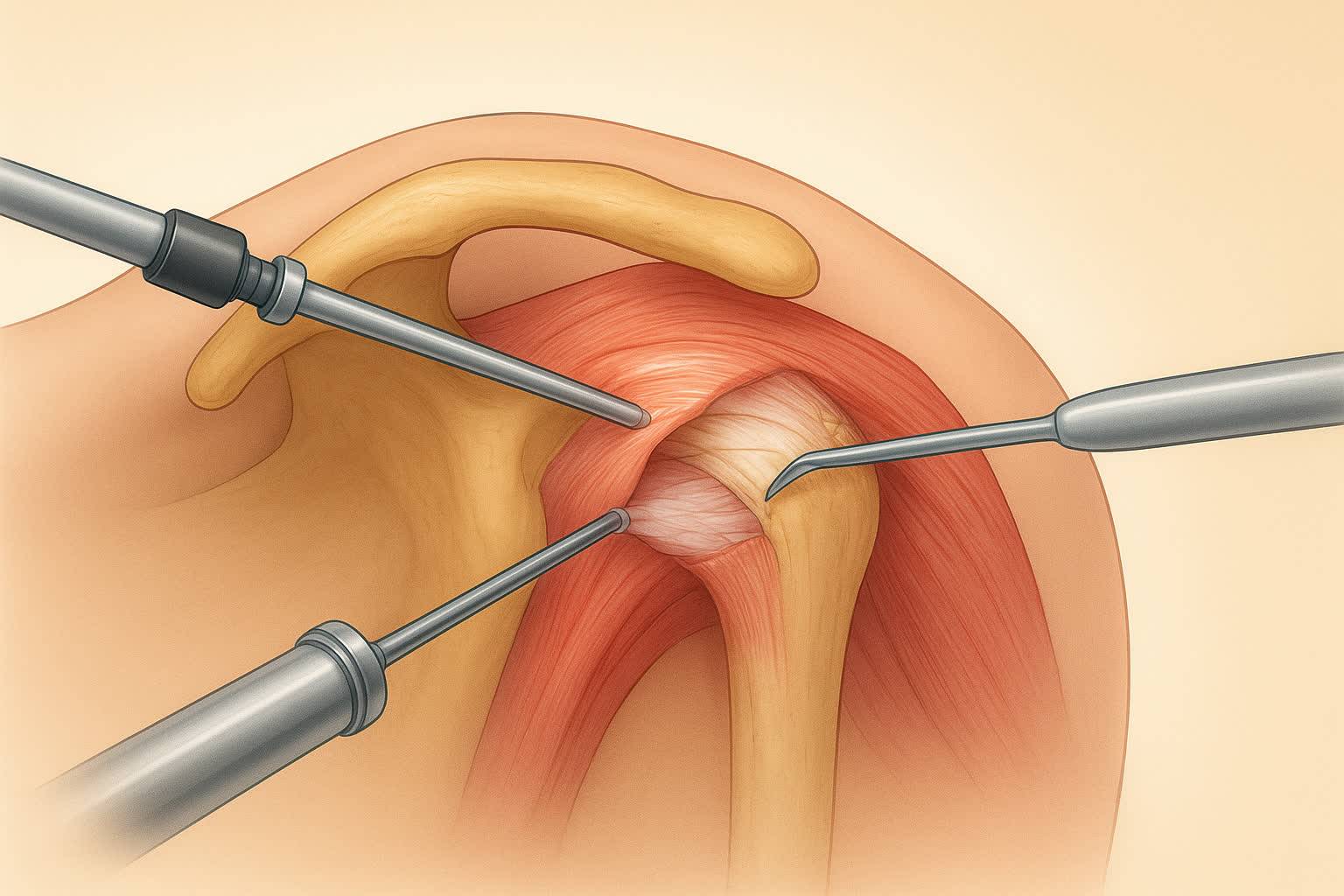
This is a surgical procedure designed to replace the damaged parts of the shoulder joint with artificial components (prostheses), aiming to restore function and relieve chronic pain that has not responded to other treatments.
Definition of shoulder joint replacement in athletes
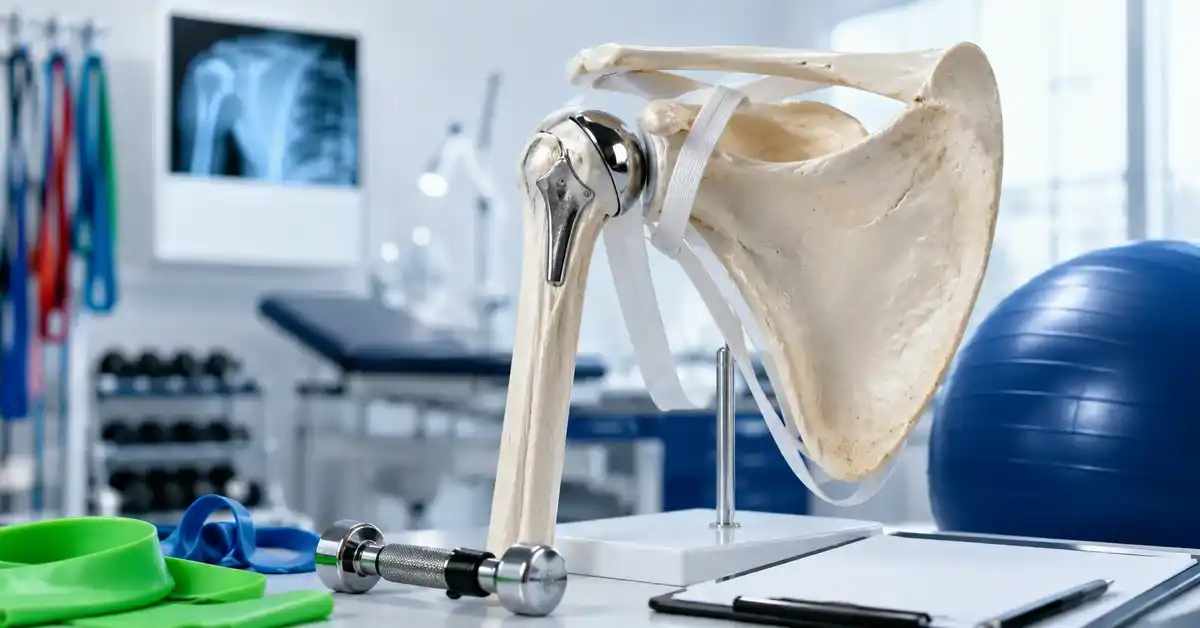
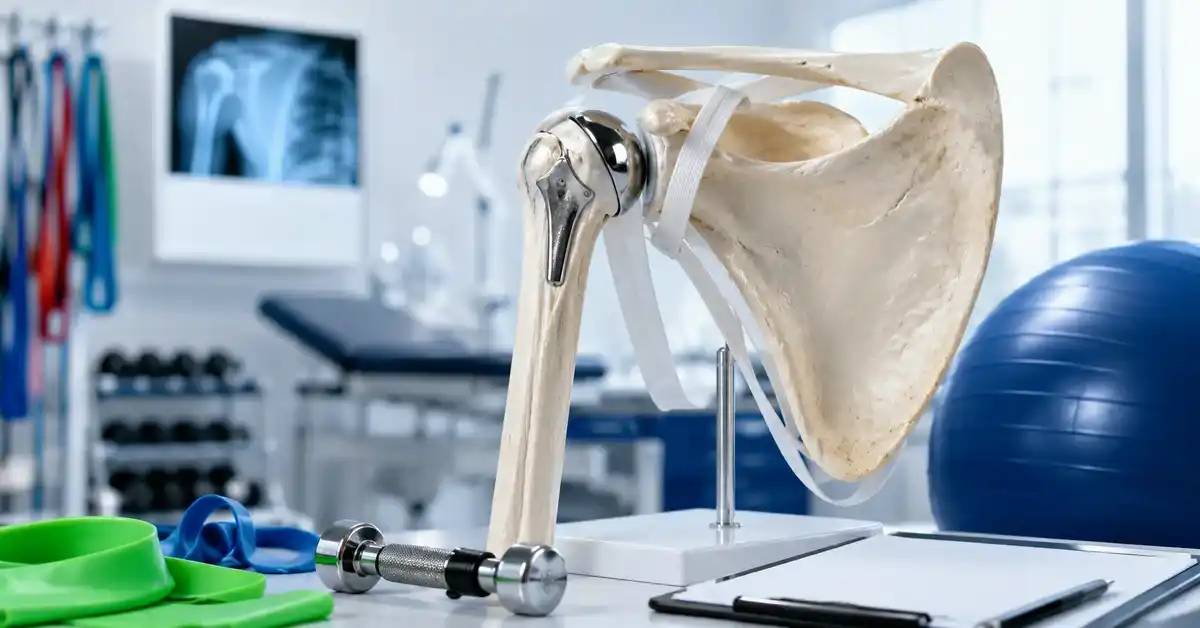
Shoulder joint replacement in athletes is a specialized procedure where the worn-out or damaged surfaces of the joint—the head of the humerus (the "ball") and the glenoid (the "socket")—are removed and replaced with high-grade metal and plastic parts. The primary goal for an athlete transcends mere pain relief; it focuses on restoring a functional range of motion, strength, and stability that allows for a return to a high level of athletic performance. This requires meticulous planning and advanced surgical techniques to ensure the prostheses are perfectly aligned and the surrounding soft tissues are preserved as much as possible.
Types of shoulder replacement procedures
There are several types of shoulder replacement surgeries, and the choice depends on the nature of the injury and the condition of the athlete's rotator cuff tendons:
- Anatomic Total Shoulder Arthroplasty: This is the most common type, where the "ball" at the top of the humerus is replaced with a metal ball, and the "socket" (glenoid) is resurfaced with a smooth plastic liner. This is the ideal option for athletes with severe arthritis but who still have an intact and strong rotator cuff, as the function of the new joint relies on these tendons for movement and stability.
- Hemiarthroplasty: In this procedure, only the humeral head (the ball) is replaced, while the natural glenoid socket is left intact. This may be an option for younger athletes with damage confined to the humeral head, or in cases of specific fractures.
- Reverse Total Shoulder Arthroplasty: This type is primarily used for athletes who have a large, irreparable rotator cuff tear in addition to arthritis (cuff tear arthropathy). In this innovative design, the position of the components is reversed: the metal ball is fixed to the socket, and the plastic cup is placed at the top of the humerus. This biomechanical change allows the large deltoid muscle (the main shoulder muscle) to power the arm's elevation, compensating for the non-functional rotator cuff. Reverse shoulder replacement for athletes is a powerful solution for restoring function in complex cases.
Importance of Post-Shoulder Replacement Rehab
A successful shoulder replacement is not complete once the patient leaves the operating room. Post-shoulder replacement rehab is a phase just as critical as the surgery itself, determining the final extent of function and the ability to return to sport.
Why athletes need shoulder replacement rehab exercises
Athletes need a dedicated program of shoulder replacement rehab exercises for several vital reasons. First, while surgery corrects the mechanical problem, it doesn't address the weakness and stiffness that have built up in the surrounding muscles and tissues over months or years of pain and injury. Second, the body needs to learn how to work with the new joint, retraining the muscles to control it with precision and power. Third, rehab aims to protect the new joint in its early healing stages while gradually restoring motion, and then building the strength and endurance necessary to return to the demands of competitive sports. Without proper rehabilitation, the shoulder may remain weak and stiff, making a return to sport impossible.
Differences between athletic and general rehab protocols
The differences are fundamental and lie in the end goals. For a non-athletic patient, the goal might be to comb their hair or reach a high shelf without pain. For an athlete, the goal is to throw a 90-mph fastball or swim long distances with power. This means the athlete's rehabilitation program is far more intensive and specialized. It doesn't just focus on restoring basic range of motion but progresses to include advanced strength training, muscular endurance, neuromuscular control (fine-tuning movement), and sport-specific drills. The timeline for progression is also often faster, with careful monitoring to ensure the new joint is not overloaded prematurely.
Read about: Shoulder Joint Replacement Surgery: When Is It Needed
Shoulder Joint Replacement Rehabilitation Program
The shoulder joint replacement rehabilitation program follows a structured, phased protocol, tailored specifically to each athlete based on their surgery type and individual condition.
Early-stage post-shoulder replacement rehab
The rehab program is typically divided into four main phases:
- Phase 1 (0-6 weeks): The Maximum Protection Phase. The primary goal is to protect the joint and allow tissues to heal. The arm is kept in a sling most of the time. Exercises are limited to passive motion (the therapist moves the arm for the patient), pendulum exercises, and activating the hand, wrist, and elbow muscles.
- Phase 2 (6-12 weeks): The Active Motion Phase. After healing has begun, the sling is gradually discontinued. The patient begins active-assistive motion (using the good arm to help the operated arm) and then active motion (moving the arm on its own). The goal is to progressively restore the full range of motion.
- Phase 3 (12-24 weeks): The Strengthening Phase. Once motion is restored, the focus shifts to building strength. This starts with light resistance exercises using bands and light weights, focusing on the rotator cuff and scapular stabilizer muscles.
- Phase 4 (6-12 months): The Return-to-Sport Phase. This is the final and most specialized phase. It involves advanced strength training, plyometrics (explosive movements), and drills that mimic the specific movements of the athlete's sport.
Shoulder mobility exercises after replacement
In the early stages, restoring mobility is a priority. Common shoulder mobility exercises after replacement include:
- Pendulum Swings: Bending over and letting the arm hang down, gently swinging it in small circles.
- Passive External Rotation: Lying on your back, using a stick or the other hand to gently rotate the operated arm outward.
- Flexion with a Pulley or Stick: Using a pulley system or a stick held with both hands to slowly lift the operated arm forward and overhead.
- Wall Climbs: Facing a wall and using the fingers to slowly “walk” up the wall, gently raising the arm.
Shoulder Replacement Physical Therapy
Physical therapy plays a pivotal role in the recovery journey, providing professional supervision and systematic progression to ensure the best possible outcome.
Goals of shoulder replacement physical therapy
The goals of shoulder replacement physical therapy are multi-faceted. Initially, the focus is on managing pain and swelling, educating the patient on joint protection, and initiating gentle passive motion. As healing progresses, the therapist guides the patient through each rehab phase, modifying exercises based on their progress and ensuring that motion and strength return in a safe, balanced manner. The therapist's expertise is crucial for avoiding complications, correcting faulty movement patterns, and providing the motivation needed to push through the challenging recovery process.
Progression of rehab after shoulder replacement
The progression of rehab after shoulder replacement is carefully managed. Strength training begins with isometric exercises, where muscles are contracted without moving the joint. From there, it advances to resistance training with elastic bands and then free weights. The strength program targets all the key muscle groups supporting the shoulder, including:
- The Rotator Cuff: For joint stability and fine motor control.
- The Deltoid: For powering arm elevation.
- The Scapular Stabilizers (upper back muscles): To provide a solid and stable base for the shoulder to move on.
- The Core: Because true shoulder power originates from a stable trunk.
This careful progression is essential for a successful outcome. Exploring your options with a specialist can provide a clear path forward.

Return to Sport After Shoulder Replacement
The ultimate goal for every athlete is getting back to competition. This phase requires patience and a rigorous evaluation to ensure the return is both safe and sustainable.
Athlete shoulder replacement recovery benchmarks
Before an athlete is cleared for a full return to competition, the medical team (surgeon and physical therapist) performs a comprehensive assessment. These benchmarks include:
- Pain-Free Motion: The athlete must be able to perform sport-specific movements without pain.
- Full Range of Motion: Functional range of motion must be fully or nearly fully restored.
- Symmetrical Strength: The strength of the operated shoulder should be very close (typically 90% or more) to the strength of the un-operated shoulder.
- Neuromuscular Control: The ability to control the joint with precision and smoothness during fast, complex movements.
- Psychological Confidence: The athlete must feel confident in their shoulder and not be afraid of re-injury.
Shoulder replacement strength training for return to sport
The final stage of rehab involves highly specific shoulder replacement strength training. This goes beyond general strengthening and incorporates exercises that mimic the demands of the athlete's sport. For a throwing athlete, this might include plyometric exercises like medicine ball throws. For a swimmer, it would involve resistance training that simulates the swimming stroke. This phase is critical for preparing the shoulder and the entire kinetic chain for the dynamic forces of competition.
Shoulder Replacement Follow-Up Care
Regular medical follow-up is an integral part of the long-term recovery process, ensuring the continued success of the surgery for years to come.
Follow-up appointment schedule
Shoulder replacement follow-up care involves scheduled visits with the surgeon. These are frequent in the first few months (e.g., 2 weeks, 6 weeks, 3 months, 6 months) and then typically become annual. During these visits, the doctor will assess range of motion and strength, and review X-rays to ensure the components are in the correct position and not showing signs of wear or loosening. This monitoring is essential for catching any potential issues early.
Managing shoulder joint replacement pain management
Some pain is normal after surgery, especially in the first few weeks. This is typically managed with pain medication, ice, and rest. However, if pain persists or worsens, it could be a sign of a problem. Persistent pain can be caused by inflammation, stiffness, or, in rare cases, issues with the prosthesis. Effective shoulder joint replacement pain management involves adhering to the physical therapy program, avoiding aggravating activities, and communicating with your doctor to evaluate the underlying cause.
Shoulder Joint Replacement Complications
Although the surgery is generally very successful, it is not without potential challenges and complications that athletes should be aware of.
Common issues after shoulder replacement surgery
Potential complications include:
- Infection: A serious but rare complication. The risk is minimized by administering antibiotics during surgery.
- Dislocation: The artificial joint can pop out of place. The risk is highest in the early recovery phase and is prevented by adhering to movement restrictions.
- Component Loosening: Over time, the components may loosen from the bone, which might require revision surgery. Using high-quality components and precise surgical techniques minimizes this risk.
- Stiffness (Frozen Shoulder): This can occur if the rehabilitation program is not followed diligently. Prevention is simply committing to the range-of-motion exercises.
How to prevent and treat rehab setbacks
Setbacks can happen. The key is to address them early. Prevention involves not doing too much, too soon. Listen to your body and your therapist. If you experience a sudden increase in pain or a loss of motion, don't try to push through it. Contact your physical therapist or surgeon. Treatment for a setback might involve temporarily reducing the intensity of your rehab, focusing on pain and inflammation control, and then gradually resuming your program. Working closely with your medical team is the best way to ensure a smooth recovery.
Read about: Shoulder Surgery for Athletes: Turkey vs Germany
Conclusion
Shoulder joint replacement for athletes represents a remarkable intersection of advanced medical technology and the resilient human spirit. It is more than just a solution for pain; it is a gateway back to passion and competition. The success of this procedure hinges not only on the skill of the surgeon but profoundly on the dedication and commitment of the athlete to the long and arduous rehabilitation journey. Every exercise performed and every therapy session attended is a step toward rebuilding strength, motion, and hope.
The road from the operating table back to the playing field requires patience, hard work, and trust in the healing process. Athletes must understand that their bodies need time to adapt to the new joint and that trying to rush the process can be counterproductive. The strong partnership between the athlete, surgeon, and physical therapist is the cornerstone of a successful outcome, with everyone working together toward a common goal: a safe, sustainable return to peak performance.
If you are an athlete struggling with chronic shoulder pain that limits your ability to compete, shoulder replacement surgery may be the answer you've been searching for. It is a chance to start a new chapter in your athletic career—one free from pain and full of potential. Explore your options, speak with the experts, and take the first step toward reclaiming your shoulder and your athletic life.
Frequently Asked Questions: Shoulder Joint Replacement for Athletes: Rehab Follow-up
What is the success rate of shoulder replacement for athletes?
Shoulder replacement has a very high success rate for pain relief and functional improvement, often exceeding 90-95%. For athletes, the return-to-sport rate depends on multiple factors, but studies show a large majority are able to return to their sports, albeit sometimes at a modified level.
How long does an artificial shoulder joint last?
With modern technology, an artificial shoulder joint is expected to last 15-20 years or more. However, an athlete's activity level can impact the longevity of the joint, as high-impact sports may accelerate component wear.
Will I be able to play the same sport at the same level after surgery?
The goal is to return to the highest level of performance possible. Many athletes do return to their sport at the same level, especially in lower-impact sports. For high-impact or overhead throwing sports, a return to an elite level can be more challenging and may require modifications in technique or expectations.
What restrictions will I have after the surgery?
Initially, there will be significant restrictions on movement and lifting to protect the joint. Long-term, your surgeon may advise against certain high-risk activities or repetitive heavy lifting to preserve the longevity of the prosthesis. Permanent restrictions will be determined based on your individual case.
Is reverse shoulder replacement a good option for athletes?
Yes, reverse shoulder replacement has proven to be an excellent option for athletes with irreparable rotator cuff tears. Although the biomechanics are different, it allows for a remarkable restoration of overhead function, enabling many athletes to return to activities like golf, doubles tennis, or swimming.