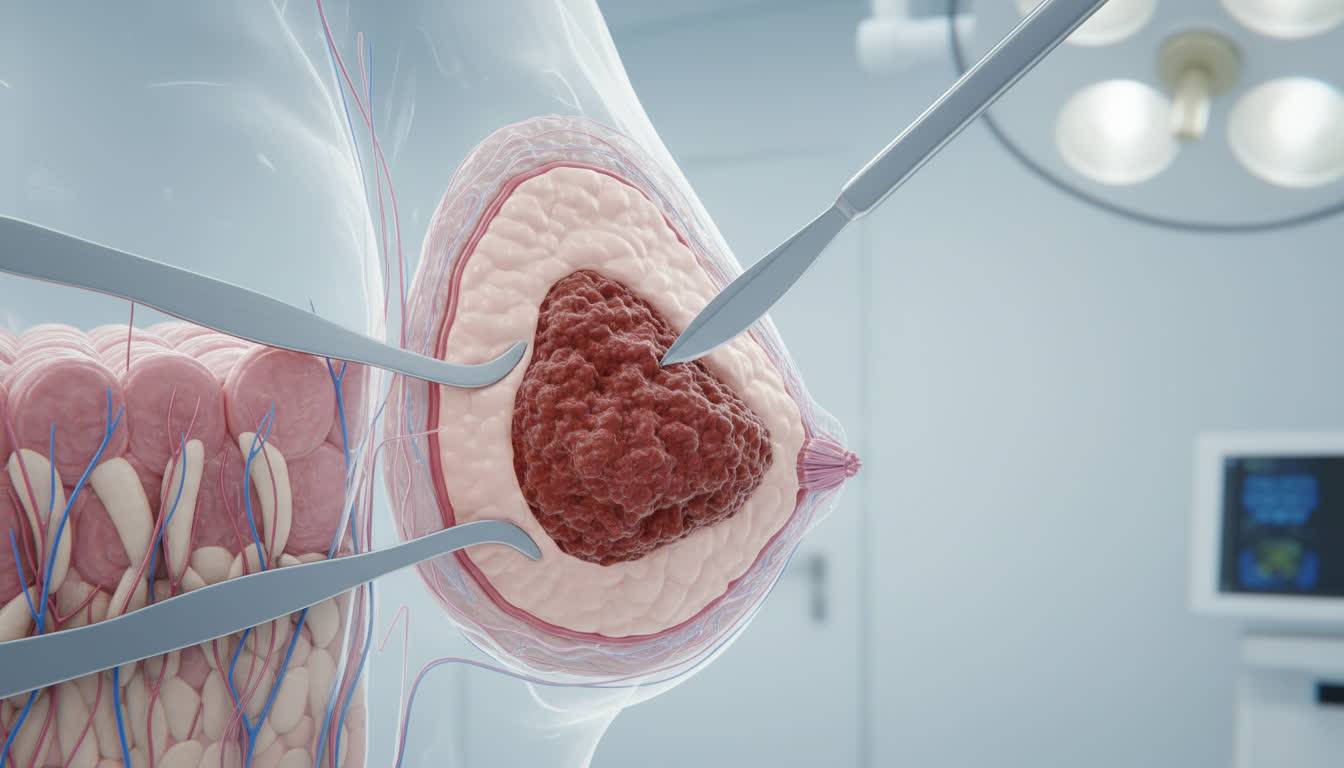








In the ever-evolving world of medicine, robotic tumor surgery has become one of the most significant technological revolutions to change the face of modern surgery. Tumor removal is no longer limited to traditional methods that require large incisions and long recovery periods. It is now possible to achieve amazing results with utmost precision and minimal intervention, opening new horizons for patients and doctors alike.
This advanced technique relies on a sophisticated robotic system fully controlled by an expert surgeon, allowing for complex operations in hard-to-reach areas of the body. The ability to magnify the view in 3D and provide a range of motion that surpasses human hand capabilities gives robotic cancer surgery a unique advantage in achieving unparalleled precision, which positively impacts patient safety and recovery speed.
In this comprehensive guide, we will explore the world of robotic tumor surgery, highlighting its benefits, the types of tumors that can be treated with this technique, and comparing it to traditional surgery. At Safemedigo, we believe in the importance of empowering patients with knowledge, and through this article, we aim to provide a clear vision of how this advanced surgery can offer a safer, more effective treatment with fewer complications and a better life after treatment.
Introduction to Robotic Tumor Surgery
To understand the true value of this quantum leap in the world of surgery, we must delve into its concept and identify the fundamental differences that set it apart from traditional methods.
Concept of robotic tumor surgery
Robotic tumor surgery is an advanced form of minimally invasive surgery where the surgeon performs the operation using precise robotic arms controlled via a sophisticated console. The surgeon sits at a special console, viewing the surgical area on a high-definition, 3D screen, and uses hand controls to translate their movements with extreme precision to the robotic arms holding the surgical instruments inside the patient's body.
Difference between robotic cancer surgery and traditional surgery
The primary difference lies in the degree of surgical intervention. Traditional surgery requires a large incision to access the tumor, leading to larger scars, more pain, and a longer recovery period. In contrast, robotic surgery is performed through several small incisions, no longer than a centimeter, which significantly reduces surgical trauma to the body. This approach represents a huge advancement in the concept of minimally invasive robotic cancer surgery.
Robotic surgery precision
Robotic surgery offers exceptional precision that surpasses the capabilities of traditional or even laparoscopic surgery. The robotic system filters out any natural tremors in the surgeon's hands, and the robotic instruments can rotate 360 degrees, giving the surgeon superior maneuverability and access to tight and delicate spaces with minimal damage to surrounding tissues.
Benefits of Robotic Tumor Surgery
This technique offers a range of benefits that make it the preferred choice in many complex cases.
Benefits of robotic tumor surgery
The main benefits include:
- Smaller surgical incisions and less scarring.
- Less postoperative pain and reduced need for pain medication.
- Less blood loss during surgery, reducing the need for blood transfusions.
- Reduced risk of infection.
- Shorter hospital stay.
These combined benefits make it an attractive option, especially when seeking a low-complication cancer surgery.
Robotic surgery precision
Superior precision is one of the most significant benefits of robotic tumor surgery. The magnified 3D vision gives the surgeon a deep and clear perception of the surgical field, while the robotic arms allow for precise and steady movements, which is crucial when removing tumors near vital nerves and blood vessels.
Robotic surgery complications
Thanks to minimal intervention and high precision, robotic surgery complications are much lower compared to open surgery. The risk of damaging healthy tissue surrounding the tumor is reduced, which helps to better preserve organ function. This is one of the key advantages of robotic cancer surgery for patients.
Fast recovery after robotic tumor surgery
A fast recovery after robotic tumor surgery is one of the most tangible outcomes for patients. Because the incisions are small and tissue damage is minimal, patients can return to their normal daily activities in a much shorter time compared to the weeks or months that recovery from traditional surgery might require.
Read about: Robotic Tumor Surgery: Higher Precision, Fewer Complications
Types of Tumors Treated with Robotic Cancer Surgery
Robotic surgery has proven effective in treating a wide range of tumors, especially in complex areas of the body.
Robotic kidney cancer surgery
In cases of kidney cancer, robotic surgery allows for a partial nephrectomy (removing only the tumor while preserving the rest of the kidney) with high precision. This procedure, known as robot-assisted tumor removal, helps preserve kidney function as much as possible, which is vital for the patient's long-term health.
Robotic prostate cancer surgery
Robotic prostate cancer surgery is one of the most common and successful applications of this technology. The superior precision allows the surgeon to remove the prostate gland while preserving the delicate nerve bundles responsible for urinary control and sexual function, reducing the risk of long-term complications.
Robot-assisted cancer removal
The technique of robot-assisted cancer removal can be applied to many other tumors in the gastrointestinal tract (such as colon and rectal cancer), gynecological tumors (such as uterine and cervical cancer), and thoracic tumors. The use of robot-assisted internal tumor removal opens the door to more effective and safer treatments.
Robotic surgery for complex tumors
Robotic surgery particularly excels in dealing with complex tumors or those located in difficult anatomical locations. The robot's ability to access tight angles and perform precise movements makes it possible to remove tumors that were previously considered inoperable or required extensive and risky interventions.

Robotic vs Traditional Cancer Surgery
When the two options are placed side by side, the superiority of robotic surgery becomes apparent in several crucial aspects.
Robotic surgery precision vs traditional surgery
Robotic surgery provides a level of precision that traditional surgery cannot match. The magnified 3D view, instrument stability, and maneuverability all contribute to better outcomes, especially in terms of preserving healthy tissue around the tumor.
Robotic surgery complications
As mentioned earlier, robotic surgery complications are significantly lower. The comparison includes a noticeable decrease in infection rates, bleeding, and postoperative pain, making the patient's experience more comfortable and safer.
Low-complication cancer surgery
Although no surgery is completely risk-free, robotic surgery comes close to achieving the concept of a "low-complication cancer surgery." By minimizing surgical trauma to the body, the inflammatory response is reduced, which speeds up the healing process and reduces the likelihood of postoperative problems.
Minimally invasive robotic cancer surgery
This technique represents the pinnacle of minimally invasive surgeries. Instead of a large incision, several small keyholes are used, which means less pain, smaller scars, and a quicker return to normal life. This is the essence of the robotic vs traditional cancer surgery comparison.
Read about: Robotic Tumor Surgery: Higher Accuracy, Lower Risks
Risks and Considerations in Robotic Cancer Surgery
Despite its many advantages, it is important to understand that robotic surgery is not without some risks and challenges.
Robotic surgery complications
Potential risks, though rare, include the risks of anesthesia, infection, and injury to adjacent organs. Technical malfunctions of the robotic system can also occur, although this is extremely rare and requires the surgical team to convert to open surgery. The success of the surgery heavily depends on the experience of the surgeon and their team.
Challenges of robotic technology in cancer surgery
Among the challenges are the high cost of the robotic system and surgeon training. Mastering this technique requires extensive training and a long learning curve. Additionally, some very large or widespread tumors may still require traditional open surgery.
Precise robotic tumor surgery
One of the greatest achievements of robotic surgery is providing a precise robotic tumor surgery with minimal bleeding. The clear view and high precision allow the surgeon to identify and control small blood vessels effectively, significantly reducing blood loss during the operation.
Read about: Latest Cancer Protocols: Turkey vs USA
Robotic Technology in Cancer Surgery
Robotic technologies are constantly evolving to offer more advanced and effective solutions.
Robotic technology in cancer surgery
Modern techniques include integrating surgical navigation systems and real-time intraoperative imaging (such as near-infrared fluorescence) with the robotic platform. This allows the surgeon to see blood flow in tissues and better identify tumor margins, increasing the accuracy of the resection.
Robot-assisted internal tumor removal
The robot allows surgeons to access deep internal tumors in the abdominal, pelvic, or thoracic cavities with minimal intervention. This ability to access and work in tight spaces makes it possible to perform complex operations that previously required extensive open surgery.
Robot-assisted tumor removal
The process of robot-assisted tumor removal is the core of this technique. Whether the tumor is benign or malignant, the goal is to remove it completely while preserving as much of the surrounding healthy tissue as possible. The precision provided by the robot makes this goal more achievable than ever before.
Future of Robotic Cancer Surgery
The future of this technology looks very promising, with expectations of innovations that will make it even more precise and accessible.
Growth of robotic tumor surgery
As costs decrease and more surgeons are trained, robotic tumor surgery is expected to become the gold standard in the treatment of many types of cancer. This technology will become available in more hospitals worldwide, allowing more patients to benefit from it.
Advances in robotic technology in cancer surgery
Researchers are working on developing smaller, more flexible surgical robots, as well as integrating artificial intelligence to assist the surgeon in decision-making during the operation. In the future, we may see robots capable of performing some tasks semi-autonomously under the surgeon's supervision, increasing efficiency and safety.
Advantages of robotic cancer surgery
The advantages of robotic cancer surgery will continue to grow. As technologies improve, patients will be able to receive more personalized and less invasive treatments, with shorter recovery times and a better quality of life after treatment. This is the ultimate goal that all innovations in this field strive for.
Read about: Robotic Tumor Surgery: Turkey vs Germany
Conclusion
In conclusion, robotic tumor surgery represents a paradigm shift in cancer treatment, combining the precision of advanced technology with the expertise of the human surgeon. By providing a minimally invasive surgical approach, precise results, and fewer complications, this technology gives patients new hope for a cure while preserving their quality of life.
The decision to undergo robotic surgery should be made after a comprehensive medical consultation and a thorough evaluation of the case by a specialized medical team. The success of the procedure largely depends on choosing the right surgeon and medical center, which have the experience and equipment necessary to achieve the best possible results.
If you are looking for advanced surgical solutions for tumor treatment, understanding the available options is your first step toward healing. Contact the Safemedigo team today via WhatsApp to explore how robotic tumor surgery can be the most suitable option for you, and let our experts guide you toward a healthier and safer future.
Frequently Asked Questions: Robotic Tumor Surgery: Higher Precision, Fewer Complications
Is robotic surgery safe?
Yes, robotic surgery is considered very safe when performed by a qualified and experienced surgeon. The system itself is designed with high safety standards, and the surgeon is in complete control of every move the robot makes.
How long does robotic surgery take?
Robotic surgery may take slightly longer than traditional open surgery due to the time required to set up the robotic system. However, the benefits the patient receives in terms of reduced pain and faster recovery outweigh this time difference.
Am I a suitable candidate for robotic tumor surgery?
This depends on the type, size, and location of the tumor, as well as your overall health condition. Your doctor will evaluate your case to determine if robotic surgery is the best option for you.
What is the cost of robotic tumor surgery?
The cost of robotic surgery is typically higher than traditional surgery due to the high cost of equipment and maintenance. However, this cost may be offset by a shorter hospital stay and a quicker return to work.
Does the robot leave scars?
Yes, but they are very small scars. The surgery is performed through several small incisions (usually 3-5) ranging from 8 to 12 mm in length, which heal well and leave much less noticeable scars than a large open surgery scar.