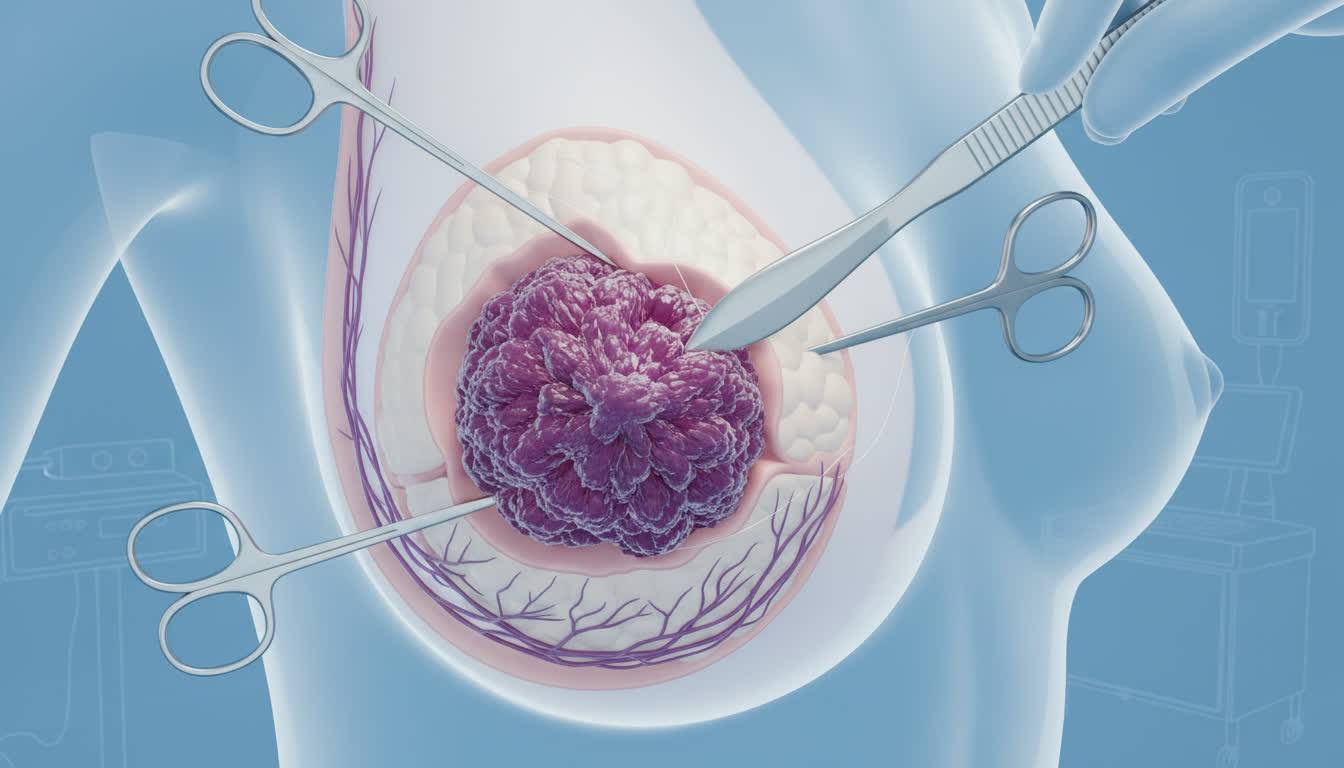








In an era of accelerating medical innovations, robotic tumor surgery emerges as a quantum leap in the field of cancer treatment, promising unprecedented accuracy and a significant reduction in surgical risks. Tumor removal is no longer limited to traditional methods; it is now possible to utilize advanced technology that places tools with capabilities beyond human hands at the surgeon's disposal. This opens the door to better treatment outcomes and a safer experience for the patient. It represents the future of modern cancer surgery, where the surgeon's skill combines with the machine's precision to achieve one goal: eliminating the disease with minimal harm.
In this comprehensive article, we will explore the world of robotic cancer surgery, revealing how this revolutionary technology works and its many advantages. We will delve into understanding the accuracy of robotic surgery and how it contributes to better results, comparing it to traditional surgery in terms of risks and recovery. We will also address the cost of robotic cancer surgery and clarify which patients are candidates for this type of advanced treatment. At Safemedigo, we believe that knowledge is the first step toward healing, and we aim to provide you with all the information you need to make an informed decision about your treatment journey.
What Is Robotic Tumor Surgery
Robotic cancer surgery overview
Robotic cancer surgery is an advanced form of minimally invasive surgery where the surgeon performs the operation using a sophisticated robotic system. The surgeon sits at a special console near the operating table and controls robotic arms that hold tiny surgical instruments and a high-definition 3D camera. This system does not perform the surgery on its own; it is an extension of the surgeon's hands and eyes, translating the surgeon's hand movements with extreme precision into delicate movements of the instruments inside the patient's body.
How robotic surgical systems work
A robotic surgical system typically consists of three main components: the surgeon's console, the patient-side cart with robotic arms, and a vision system. The surgeon controls the robotic arms through sensitive handles and controls, while the camera provides a magnified, three-dimensional view of the surgical site. The robotic arms have a greater range of motion and rotation than the human wrist, with a feature that filters out any natural tremor in the surgeon's hand, ensuring exceptional accuracy in every move.
Advances in robotic oncology surgery
The field of robotic oncology surgery has seen tremendous evolution. From traditional open surgeries requiring large incisions, to laparoscopic surgery which reduced incision size, to robotic tumor surgery which represents the pinnacle of current development. This continuous advancement aims to make surgical procedures less painful, safer, and with faster recovery times, significantly improving the patient's experience and their treatment outcomes. This is a key part of advanced cancer surgery.
Precision of Robotic Cancer Surgery
Accuracy of robotic tumor removal
The true power of this technology lies in the accuracy of robotic surgery. The magnified camera provides a clear, detailed view of the delicate nerves and blood vessels surrounding the tumor. This enhanced vision, combined with precise instruments that surpass the maneuverability of the human hand, allows the surgeon to perform robot-assisted tumor removal with millimeter precision, ensuring the complete removal of the tumor while preserving surrounding tissues.
Reducing surgical errors
The robotic system significantly contributes to reducing surgical errors. The technology integrated into the robot filters out any involuntary tremors in the surgeon's hands, resulting in smooth and steady movements. This stability and precision reduce the likelihood of unintentional damage to healthy tissues, which is crucial in complex operations like prostate or uterine surgeries where vital structures are very close to the tumor area.
Protecting healthy tissue
The ability to protect healthy tissue is one of the most important benefits of robotic surgery. The superior precision in cutting and suturing allows the surgeon to preserve nerves and blood vessels responsible for vital functions, such as urinary control or sexual function after pelvic surgeries. This means that patients not only get rid of the cancer but also maintain their quality of life after treatment.
Read about: Robotic Tumor Surgery: Higher Precision, Fewer Complications
Benefits of Robotic Tumor Surgery
Minimally invasive cancer surgery
Robotic tumor surgery is a prime example of minimally invasive cancer surgery. Instead of making a large surgical incision, the robotic instruments are inserted through several small incisions, no longer than one centimeter. This approach reduces trauma to the body, leads to significantly less postoperative pain, and leaves smaller, more cosmetic scars.
Lower risks and complications
The small incisions and clear view of blood vessels contribute to significantly reducing blood loss during surgery, which minimizes the need for blood transfusions. The high precision also reduces the risks of other complications such as infection or damage to adjacent organs. Overall, the risks of robotic cancer surgery are lower than those of traditional surgery.
Improved robotic surgery outcomes
Often, robotic surgery outcomes are superior. In terms of cancer control, the high precision allows for a more complete tumor resection with clean safety margins. In terms of functional outcomes, the preservation of healthy tissue leads to a faster recovery of normal functions, which translates into a better quality of life for the patient in the long term.
Risks of Robotic Cancer Surgery
Common risks of robotic surgery
Like any surgical procedure, robotic tumor surgery is not without some risks, although they are rare. These risks may include infection, bleeding, anesthesia-related complications, or the possibility of converting to open surgery if necessary. However, studies indicate that the rate of these complications is generally lower compared to traditional open surgery.
Robotic vs traditional surgery
The difference in robotic vs traditional surgery lies in several key points. Traditional surgery requires a large incision to access the tumor, while robotic surgery relies on small incisions. Robotic surgery provides a magnified 3D view, whereas traditional surgery relies on the naked eye. The robot's instruments are also more flexible and precise than the surgeon's hand. These differences combined lead to less pain, smaller scars, and faster recovery in robotic surgery.
Limitations of robotic cancer treatment
Despite its many advantages, robotic surgery may not be the best option in all cases. This form of cancer treatment with robotics may not be recommended for very large tumors that are difficult to remove through small incisions, or in patients who have had multiple previous abdominal surgeries leading to severe adhesions. The final decision depends on the surgeon's assessment of the patient's condition and tumor type.

Recovery After Robotic Tumor Surgery
Faster recovery after robotic surgery
The recovery after robotic surgery is noticeably faster. Because the surgical trauma to the body is less, patients experience less pain and require fewer painkillers. They can move and get out of bed earlier, which reduces the risk of postoperative complications such as blood clots or lung infections.
Hospital stay duration
As a result of the rapid recovery, the hospital stay duration is much shorter. Many patients undergoing robotic surgery can return home within a day or two, compared to several days or a week for open surgery. This not only reduces the overall cost but also allows the patient to recover in the comfort of their own home.
Returning to daily activities
Patients are able to return to normal life and their usual activities, including work, in a much shorter time. While full recovery may take a few weeks, most patients feel well enough to resume light activities within one to two weeks, which is a fraction of the time required for recovery from traditional surgery.
Cost of Robotic Cancer Surgery
Cost of robotic cancer surgery
The initial cost of robotic cancer surgery may be higher than traditional surgery due to the advanced technology and specialized instruments used. However, the total cost of treatment should be considered.
Factors affecting treatment cost
The final cost is influenced by several factors, including the type and complexity of the surgery, the hospital where the procedure is performed, the experience of the surgical team, the length of the hospital stay, and any additional treatments that may be required. Insurance coverage also plays a significant role in determining the out-of-pocket cost for the patient.
Value of advanced cancer surgery
When evaluating whether robotic surgery is worth the cost, it is important to look at the overall value. The shorter hospital stay, faster return to work, reduced need for painkillers, and lower complication rates can offset the higher initial cost. Most importantly, the better functional outcomes and preservation of quality of life are invaluable, highlighting the value of advanced cancer surgery.
Read about: Latest Cancer Protocols: Turkey vs USA
Who Is Eligible for Robotic Cancer Surgery
Suitable tumor types
Robotic cancer surgery has become a standard of care for many types of tumors. It is widely and successfully used in urology (prostate and kidney cancer), gynecology (uterine and cervical cancer), colorectal surgery, thoracic surgery, and some head and neck surgeries. The list is constantly expanding as the technology evolves.
Patient evaluation before surgery
Before deciding on robotic surgery, the patient undergoes a comprehensive evaluation. This includes a review of medical history, physical examinations, and study of imaging results (such as CT scans and MRIs). A multidisciplinary medical team will discuss the case to determine if robotic surgery is the best option for the patient based on the tumor stage and their overall health.
Choosing the best hospital for robotic surgery
The success of robotic surgery depends heavily on the experience of the surgeon and medical team and the hospital's infrastructure. When looking for the best hospital for robotic surgery, it is important to choose a center with a high volume of cases, a team of highly experienced surgeons in using the robot, and a track record of excellent results. Hospitals that invest in the latest technology and team training often provide the best possible care.
Read about: Robotic Tumor Surgery: Turkey vs Germany
Conclusion
Ultimately, robotic tumor surgery represents a radical transformation in cancer treatment, combining superior precision with minimal surgical intervention to deliver outstanding therapeutic results. With benefits such as reduced pain and bleeding, faster recovery, and preservation of vital functions, this technology has become the preferred choice for many patients and surgeons worldwide. Making a decision about cancer treatment is a crucial step, and knowledge is your most powerful tool. At Safemedigo, we are here to offer you support and guidance. Are you ready to find out how robotic surgery can change the course of your treatment? Contact the expert team at Safemedigo today via WhatsApp to explore your options and start your journey toward a healthier future.
Frequently Asked Questions: Robotic Tumor Surgery
Does the robot perform the surgery or the surgeon?
The surgeon performs the entire operation. The robot is a sophisticated tool that cannot make decisions or perform movements on its own. Every movement made by the robotic arms is a precise translation of the surgeon's hand movements at the console.
Is robotic surgery safe?
Yes, robotic surgery is considered very safe when performed by a trained and experienced surgeon. Its high precision and reduction of human error contribute to making it safer than traditional surgery in many cases, with lower complication rates.
How long does robotic tumor surgery take?
The duration of the surgery depends on the type and complexity of the procedure. Robotic surgery may sometimes take slightly longer than open surgery due to the initial setup of the robot, but this time is compensated for by the benefits of a faster recovery.
Will I have less pain after robotic surgery?
Yes, in general, patients experience significantly less pain after robotic surgery compared to open surgery. This is because the incisions are smaller and the trauma to the body is less, reducing the need for strong pain medication.