





When hip joint pain becomes a barrier to enjoying life, a total hip replacement can be the solution to regain mobility and activity. This successful surgical procedure is a major step toward eliminating pain, but its success depends not only on the surgery itself but also on thorough preparation beforehand and careful care afterward.
In this guide, we provide a comprehensive roadmap, including the most important tips and instructions for the pre- and post-operative stages of hip joint replacement. Safemedigo is committed to providing you with the necessary knowledge to go through this experience with confidence and safety, and to achieve the best possible results.
Hip Replacement Surgery and When It Is Needed
When You Need Hip Replacement
The decision on when to get a hip replacement is typically made after other conservative treatments have failed to relieve pain. The most common conditions requiring surgery include osteoarthritis, rheumatoid arthritis, and severe hip fractures. If pain significantly limits your daily activities, such as walking or climbing stairs, it may be time to discuss the surgical option with your doctor.
Hip Joint Pain and Problems
Chronic hip joint pain significantly affects quality of life. It can cause difficulty sleeping, make it hard to put on shoes and socks, and limit the ability to participate in social and recreational activities. The goal of hip replacement surgery is to eliminate this pain and restore the lost function of the joint.
Types of Artificial Hip Joints
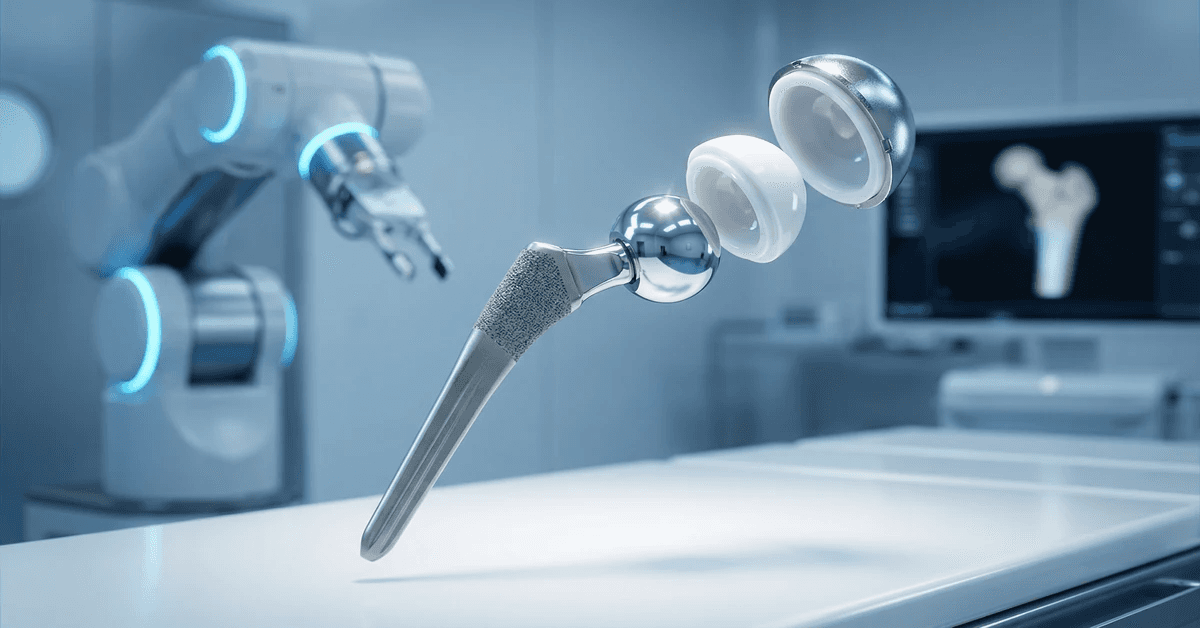
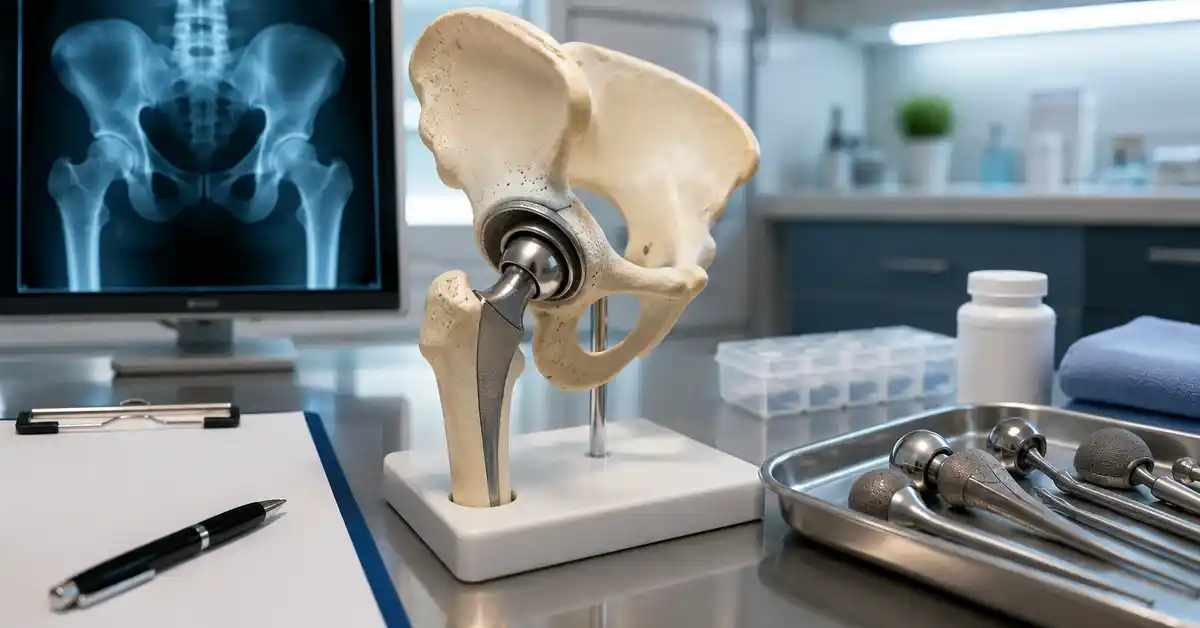
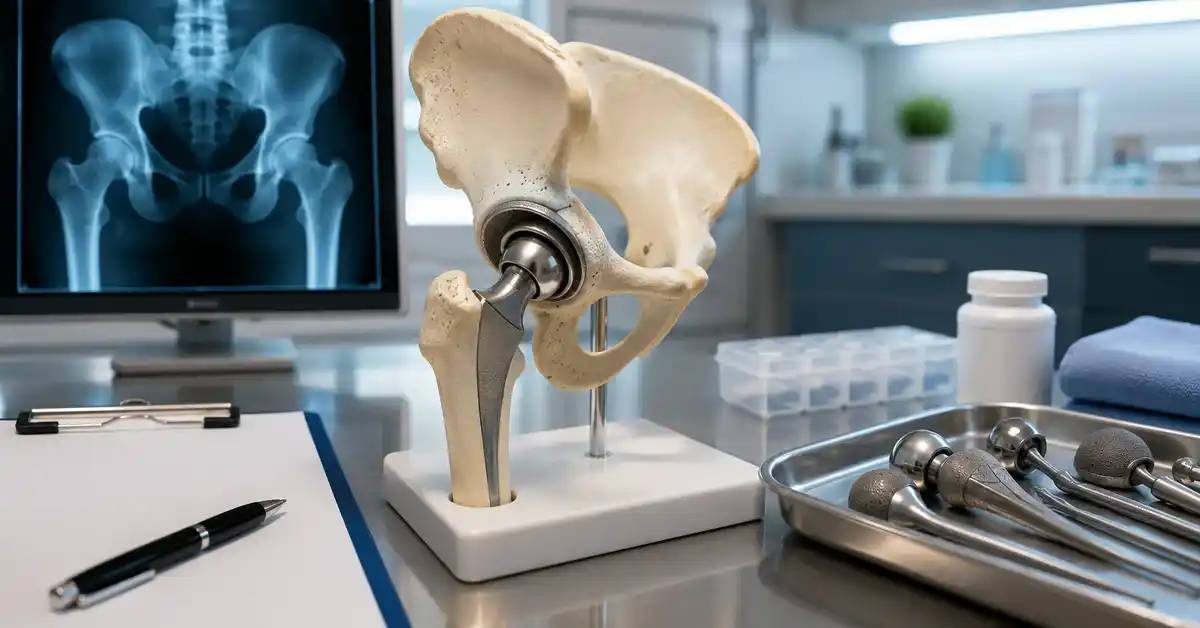
An artificial hip joint is made of durable, wear-resistant materials. The type of implant is chosen based on the patient's age, activity level, and bone quality. They usually consist of a combination of metals (like titanium or cobalt-chrome) and high-quality plastic (polyethylene) or ceramic. Your surgeon will discuss the most suitable option for your condition to ensure the best long-term results.
Preparing for Hip Replacement Surgery
Preparation for Hip Replacement Surgery
Preparing for hip replacement begins weeks before the scheduled date. It's important to make your home safe and comfortable for the recovery period, such as removing rugs that could cause tripping and providing a high chair and a grab bar in the bathroom. You should also arrange for help from friends or family during the first few days after returning home.
Pre-Operation Hip Replacement Tips
To ensure the best possible outcome, follow these pre-hip replacement tips:
- Quit smoking: Smoking slows down healing and increases the risk of complications.
- Review medications: Inform your doctor of all medications and supplements you take, as you may need to stop some before surgery.
- Maintain a healthy weight: Losing excess weight reduces stress on the new joint.
- Exercise: Strengthening your upper body and leg muscles can make the recovery period easier.
Pre-Surgery Medical Tests
Before surgery, you will undergo a comprehensive medical evaluation to ensure you are healthy enough for the procedure. These tests include blood tests, an electrocardiogram (ECG), and a chest X-ray. You will also meet with the anesthesiologist to discuss anesthesia options and your medical history.
Read about: When Do You Need Hip Replacement Surgery? Essential Guidelines
Hip Replacement Surgery Steps
Hip Replacement Surgery
The hip replacement surgery involves removing the damaged femoral head and hip socket and replacing them with artificial parts. The surgeon makes an incision to access the joint, then uses special instruments to remove the damaged parts and securely fit the new artificial hip joint. The incision is carefully closed to minimize scarring.
Hip Replacement Surgery Duration
Typically, a hip replacement surgery takes between one to two hours. After the surgery, you will be moved to a recovery room where you will be closely monitored for a few hours before being transferred to your hospital room.
Hip Replacement Surgery Success Rate
Total hip replacement is one of the most successful surgical procedures in modern medicine. The hip replacement success rate in relieving pain and improving mobility is over 95%. The artificial joint can last for 15-20 years or more, especially with proper care.
Recovery After Hip Replacement Surgery
Hip Replacement Recovery Period
The hip surgery recovery time begins immediately after the operation. You will stay in the hospital for a few days, during which a physical therapist will start teaching you how to move and walk with assistive devices. Full hip replacement recovery takes several months, but most patients feel a significant improvement within a few weeks.
Hip Joint Movement After Surgery
It is very important to follow the surgeon's instructions regarding hip mobility after surgery to avoid dislocating the new joint. These instructions usually include:
- Not bending the hip more than 90 degrees.
- Not crossing your legs.
- Not twisting your foot excessively inward or outward.
Your doctor will tell you when you can stop following these precautions.
Post-Surgery Pain
It is normal to feel some pain after surgery. The medical team will manage your post-surgery hip replacement pain management with pain relievers. When you return home, you can use cold packs to reduce swelling and pain. The pain usually decreases significantly during the first few weeks.

Physical Therapy After Hip Replacement
Physical Therapy After Hip Replacement
Physical therapy after hip replacement plays a crucial role in the success of the operation. The physical therapist helps you regain strength, flexibility, and range of motion in your new hip. Adhering to the physical therapy program is essential to get the most out of your surgery.
Exercises After Hip Replacement
The physical therapist will design a specific program of exercises after hip replacement for you. The exercises start simple in bed, such as ankle pumps and thigh squeezes, and then gradually progress to walking and more advanced strengthening exercises. Walking is one of the best exercises for recovery.
Rehabilitation After Hip Replacement
The rehabilitation after hip replacement process aims to return you to your daily activities safely. This process lasts for several months and includes physical therapy, gradually increasing your activity level, and learning how to perform daily tasks without endangering the new joint. Patience and commitment are the keys to success.
Read about: Rehabilitation Exercises After Hip Replacement Surgery
Post-Operation Hip Replacement Tips
Post-Hip Replacement Surgery Tips
For a smooth recovery, follow these post-hip replacement care tips: continue your exercises as directed, keep your incision clean and dry, and eat a balanced diet rich in protein and vitamins to aid healing. Use assistive devices (like crutches or a walker) until your doctor tells you it's safe to stop.
Preventing Hip Replacement Complications
Preventing hip replacement complications is crucial. To prevent blood clots, your doctor may prescribe blood thinners and encourage early movement. To prevent infection, it is important to keep the wound clean and take any prescribed antibiotics. Follow all of your surgeon's instructions carefully.
Caring for an Artificial Hip Joint
For long-term hip replacement care and to maintain your new joint for many years, avoid high-impact activities like running and jumping. Choose low-impact activities such as swimming, cycling, and walking. Maintain a healthy weight and have regular check-ups with your surgeon to monitor the condition of the joint.
Hip Replacement Complications and Prevention
Hip Replacement Complications
Although the surgery is generally safe, there are some potential hip replacement complications. These include infection, blood clots, dislocation of the joint, wear or loosening of the joint over time, and nerve injury. Choosing an experienced surgeon and following instructions carefully significantly reduces these risks.
Warning Signs After Surgery
It is important to know the warning signs after surgery and to contact your doctor immediately if you experience any of them. These signs include fever, increased redness or discharge from the incision, severe calf pain, sudden shortness of breath, or sharp, sudden hip pain.
Medical Follow-Up After Surgery
Medical follow-up after surgery is an essential part of your care. You will have scheduled follow-up appointments with your surgeon to assess your progress, check the wound healing, and ensure the joint is functioning correctly. These visits are an opportunity to ask any questions you have and discuss your return to activities.
Read about: Hip Replacement Surgery: Turkey vs USA
Conclusion
In conclusion, hip replacement surgery offers a real opportunity to return to an active, pain-free life. The success of this journey depends on a strong partnership between you and your medical team. Through good preparation before surgery and commitment to the rehabilitation program afterward, you can achieve the best possible results and enjoy the benefits of your new joint for years to come. Don't let hip pain stop you from living your life to the fullest; regain your movement today and contact the experts at Safemedigo to explore your options.
Frequently Asked Questions: Hip Replacement Surgery: Pre- and Post-Operation Tips
How long will I need to use crutches or a walker?
Most patients use a walking aid for 4 to 6 weeks. This depends on your progress in regaining strength and balance, and your doctor or physical therapist will tell you when it is safe to walk without them.
When can I drive again?
Most patients can resume driving about 4 to 6 weeks after surgery, once they are no longer taking narcotic pain medication and have regained enough muscle strength and reaction time to operate a car safely.
Will my artificial joint set off metal detectors at airports?
Yes, it is very likely that your artificial joint will set off metal detectors. Simply inform the security personnel that you have a hip replacement. You may require additional screening.
What activities should I avoid with my new hip?
You should avoid high-impact sports like running, jumping, and basketball. These activities put excessive stress on the artificial joint and can cause it to wear out faster. Choose low-impact activities instead.
When can I return to work?
This depends on the nature of your job. If you have a desk job, you may be able to return in 4 to 6 weeks. If your job is physically demanding, you may need 3 months or more. Your surgeon will give you a specific recommendation based on your situation.