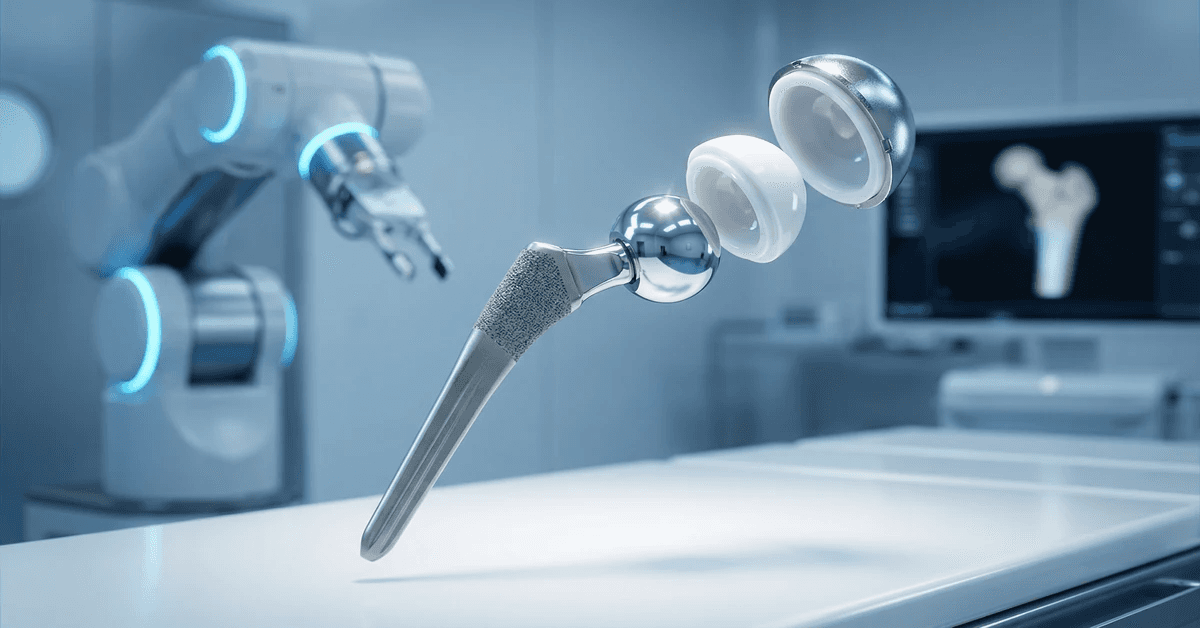






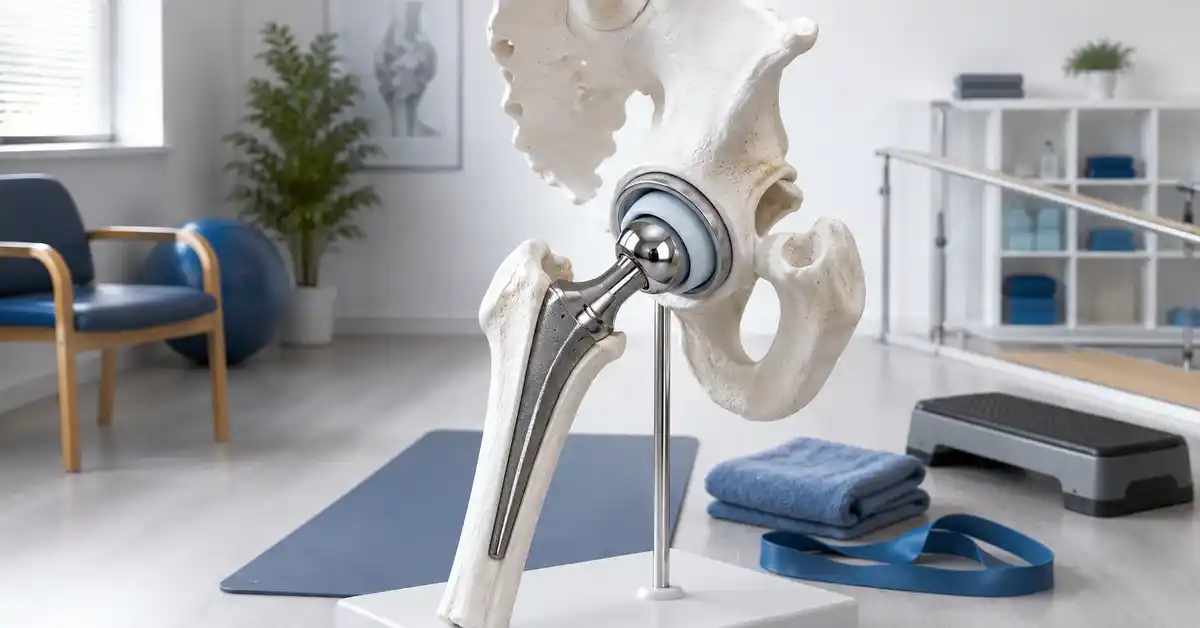
Hip replacement surgery is one of the most successful procedures in modern medicine, offering patients a new lease on life, free from pain and with restored mobility. However, the success of the operation isn't solely determined by the surgeon's skill; it critically depends on the subsequent phase of rehabilitation. Adhering to a structured program of rehabilitation exercises after hip replacement surgery is the key to ensuring the best possible outcomes and returning to an active, healthy lifestyle.
The purpose of these exercises is not just healing but an integrated process of rebuilding muscle strength, improving range of motion, and learning how to use the new joint safely and effectively. Without a dedicated hip replacement rehabilitation program, a patient might struggle to regain full hip function, limiting their ability to perform even the simplest daily tasks. Therefore, understanding the importance of this phase and committing to it is a direct investment in your future quality of life.
In this comprehensive guide, we will cover everything you need to know about exercises after total hip arthroplasty, from the first few days post-surgery to long-term maintenance. At Safemedigo, we believe that knowledge is power, and we aim to provide you with the necessary information to be an active partner in your recovery journey, ensuring you get the most out of your new joint and return to the life you love.
Why are rehabilitation exercises after hip replacement surgery essential
Following hip replacement surgery, the muscles and tissues surrounding the joint are weak and swollen. Rehabilitation exercises are not just an option; they are an absolute necessity to rebuild lost strength and flexibility. These exercises help stimulate blood flow, which reduces the risk of blood clots and accelerates the healing process. They also play a vital role in training the muscles to properly support the new joint, which is a core part of the hip replacement recovery exercises.
Goals of the hip replacement rehabilitation program
The primary goal of a hip replacement rehabilitation program is to safely and fully restore movement. The program aims to achieve several key objectives, including: strengthening the muscles around the hip and thigh, improving joint flexibility and range of motion, reducing pain and swelling, and enhancing balance to prevent falls. Achieving these goals ensures the patient can walk and perform daily activities with confidence and independence.
Risks of skipping post-hip replacement physical therapy exercises
Neglecting post-hip replacement physical therapy exercises can lead to serious complications. The joint may become stiff, permanently limiting the range of motion. Weak muscles increase the risk of dislocating the artificial joint, a painful problem that requires urgent medical intervention. Furthermore, immobility increases the risk of blood clots and infections. Therefore, adherence to the exercise program is the first line of defense against these complications.
A hip replacement recovery exercise programme
The hip replacement recovery exercise programme is divided into progressive stages, carefully designed to match the patient's tolerance and healing phase. It is crucial to follow the physical therapist's instructions and not skip any stage of the hip replacement exercise progression.
Early stage: exercises after total hip arthroplasty (days 1‑weeks)
On the first or second day after surgery, simple in-bed exercises begin. These include ankle pumps to stimulate circulation, and quad sets and gluteal sets to tighten the thigh and buttock muscles without moving the joint. The goal of these initial exercises after total hip arthroplasty is to prevent clots and maintain muscle tone.
Intermediate stage: hip replacement exercise routine (weeks 2‑6)
During this stage, the patient begins a more active hip replacement exercise routine, focusing on regaining the ability to walk. The patient is encouraged to walk short distances with a walker or crutches. Exercises include straight leg raises and knee-to-chest movements. The focus is on gradually improving the range of motion and starting to strengthen the hip after hip replacement.
Late stage: ongoing hip replacement exercise plan (after 3‑6 months)
After several months, the patient will have regained significant strength. This stage focuses on advanced balance exercises after hip replacement, such as single-leg stands, and more advanced walking exercises. A stationary bike may be introduced to increase endurance. The goal of this ongoing hip replacement exercise plan is to prepare the patient for a full return to daily and light recreational activities.
Read about: When Do You Need Hip Replacement Surgery? Essential Guidelines
Strengthen the hip after hip replacement: targeted exercise types
Strengthening exercises are the cornerstone of the rehabilitation program. Strong muscles provide better support for the artificial joint, reducing stress on it and extending its lifespan. A consistent routine is key to successfully strengthen the hip after hip replacement.
Hip replacement strengthening and mobility exercises for quadriceps and gluteals
These exercises include a variety of movements targeting the front, back, and side muscles of the hip and thigh. Examples include bridges, clamshells, and side leg raises. These hip replacement strengthening and mobility exercises help restore lost strength and improve joint stability, forming a crucial part of the recovery.
Balance exercises after hip replacement to reduce fall risk
After surgery, patients may feel unsteady. Balance exercises are essential to prevent falls, especially in the early weeks. They start with simple exercises like standing with support and progress to standing without support and walking in a straight line. These exercises retrain the brain and muscles to work together to maintain body stability.
When to start exercises after hip replacement: timing and guidelines
Many patients wonder when to start exercises after hip replacement. The answer is almost immediately, but under strict medical supervision. Gentle exercises begin within 24 hours of surgery. The intensity and complexity of the exercises increase as the healing progresses, following a carefully planned hip replacement rehabilitation timeline to ensure safety and effectiveness.
Read about: Hip Replacement Surgery: Pre- and Post-Operation Tips
The role of physical therapy in hip replacement rehabilitation
A physical therapist plays a pivotal role in the recovery journey. They are the guide who designs a personalized program and monitors the patient's progress step-by-step, ensuring the exercises are both safe and effective.
Hip replacement home exercise program: supervised vs home‑based
While some physical therapy sessions will be supervised, a significant portion of the recovery happens through a dedicated hip replacement home exercise program. The therapist teaches the patient how to perform each exercise correctly. Diligent adherence to this home program is what truly drives a successful and speedy recovery.
Safe movements after hip replacement surgery: physical therapy guidance
A physical therapist provides crucial guidance on safe movements after hip replacement surgery. They teach patients how to perform daily activities like getting in and out of bed, sitting, and standing without putting the new joint at risk. This education is fundamental to preventing dislocation and ensuring a smooth recovery.
Precautions and safe movements after hip replacement surgery
To ensure the new joint does not dislocate, there is a set of precautions that must be followed strictly, especially in the first six to eight weeks. Understanding these safe movements after hip replacement surgery is non-negotiable.
Movements to avoid with hip replacement exercise progression
The most important movements to avoid are bending the hip more than 90 degrees, crossing the legs, and twisting the foot inward or outward excessively. These positions put the joint in an unstable position and increase the risk of dislocation. These restrictions must be followed until the surgeon advises otherwise, even during the hip replacement exercise progression.
How to sit, sleep, and walk safely during hip replacement recovery exercises
Use a high chair with armrests and avoid low sofas. When sleeping, it is recommended to place a pillow between the legs to prevent them from crossing. When walking, look forward and keep your back straight. Following these simple instructions helps protect the new joint and accelerates the recovery process during your hip replacement recovery exercises.
Read about: Hip Replacement Surgery: Turkey vs USA
When can you return to normal activities after hip replacement exercises?
The speed of returning to daily activities varies from patient to patient, but there is a general timeframe to expect. Commitment to the rehabilitation program is the fastest way to get there.
Hip replacement exercise routine for walking and daily activities
Most patients can walk without a walker or crutches within 4 to 6 weeks after surgery. This depends on regaining muscle strength and balance. You should not rush to abandon assistive devices until approved by your physical therapist to ensure safety. A consistent hip replacement exercise routine is vital for this progress.
Hip replacement exercise progression to sport and work
Most patients can return to office work within 4 to 6 weeks. Jobs that require physical exertion may require 3 months or more. A return to low-impact sports such as swimming, cycling, and long-distance walking is possible after 3 to 6 months, while high-impact sports like running and jumping should be avoided.
Factors affecting the hip replacement rehabilitation timeline
The speed of recovery is influenced by several individual factors. Understanding these helps in setting realistic expectations for the hip replacement rehabilitation timeline.
Pre‑surgery condition, age, and health affect the hip replacement rehabilitation program
Younger patients in good general health tend to recover faster. Chronic diseases such as diabetes or heart disease can slow down the healing process. Pre-operative physical fitness also plays a large role in how quickly strength is regained after the operation, directly impacting the hip replacement rehabilitation program.
Type of implant and surgical approach influencing exercise after hip replacement
Modern, minimally invasive surgical techniques may contribute to a faster recovery. The quality of the materials used in the artificial joint and its design can also affect long-term outcomes. The Safemedigo team provides detailed consultations on the best surgical options and joints available.
Adherence to hip replacement recovery exercises and impact on outcome
This is the most critical factor that the patient can control. Patients who adhere to their physical therapy program and perform their exercises regularly achieve the best and fastest results. Perseverance and discipline are the keys to success in fully restoring joint function through hip replacement recovery exercises.

Long‑term exercises after hip replacement surgery for lasting mobility
The rehabilitation journey does not end once you stop using crutches. Maintaining the health of the new joint requires a long-term commitment to a healthy and active lifestyle.
Why maintain mobility after hip replacement: importance of long‑term exercise
Although initial healing occurs within a few months, the process of fully rebuilding soft tissues and muscles can take a year or more. Continuing with exercises ensures that the muscles reach their maximum possible strength, providing continuous protection and support for the artificial joint and improving its longevity. It is crucial to maintain mobility after hip replacement.
Long‑term hip replacement exercise plan: recommendations for lifetime
Certain exercises should become part of your daily routine. These long-term exercises after hip replacement surgery include maintaining a healthy weight, regularly engaging in low-impact sports like swimming or walking, and continuing with strength and flexibility exercises. These habits ensure your joint remains in the best possible condition for many years to come.
Nutrition and lifestyle to support your hip replacement rehabilitation exercises
Diet and lifestyle play a role just as important as exercise in supporting the healing process. These are some tips to aid your recovery.
Foods that support hip replacement recovery and repair during the exercise programme
Focus on a diet rich in protein to support muscle building, and calcium and vitamin D to strengthen bones. Foods rich in antioxidants, such as fruits and vegetables, help reduce inflammation. Drinking enough water is also essential to keep tissues hydrated and speed up healing during your exercise programme.
How lifestyle habits affect the hip replacement rehabilitation timeline and success
Daily habits have a significant impact. Quitting smoking is essential as it impairs circulation and slows healing. Maintaining a healthy weight reduces stress on the artificial joint. Getting enough sleep allows the body to repair itself. All these factors combined contribute to the long-term success of the hip replacement rehabilitation.
Read about: Pelvic Fracture Management: Surgery Options and Rehabilitation
Conclusion
In conclusion, rehabilitation exercises after hip replacement surgery represent the bridge that takes you from the surgical phase to a life full of movement and activity. It is not just a set of movements, but a comprehensive strategy aimed at restoring your strength, flexibility, and confidence. Committing to this program is the most powerful investment you can make to ensure the long-term success of your operation.
Always remember that healing is a journey that requires patience and perseverance. Every exercise you perform is an additional step towards regaining your independence and returning to the activities you love. Do not hesitate to ask questions and communicate with your medical team if you have any concerns. You are not alone on this journey; your success is our shared goal.
Are you ready to begin your journey to full recovery? Contact the expert team at Safemedigo today via WhatsApp for a personalized rehabilitation plan and ongoing support. We are here to help you every step of the way.
Frequently Asked Questions: Rehabilitation Exercises After Hip Replacement
Will I feel pain during rehabilitation exercises?
It is normal to feel some discomfort or muscle soreness during exercises, especially at the beginning. However, the pain should not be sharp or unbearable. If you feel severe pain, stop the exercise and inform your physical therapist. They will adjust the exercises to suit your comfort level.
How many times a day should I do the exercises?
In the first few weeks, you may be asked to perform simple exercises several times a day (3-4 times) for short periods. As you progress, the sessions may become longer but less frequent (1-2 times a day). Your physical therapist will determine the most appropriate schedule for your condition.
Can I do the exercises on my own at home?
Yes, most of the rehabilitation program is done at home. Your physical therapist will teach you how to perform each exercise correctly and safely. It is essential to follow the instructions accurately and not attempt advanced exercises before you are allowed to do so.
What if I don't see rapid improvement?
Recovery varies from person to person. Do not compare your progress to others. It is important to be patient and continue with the program. Talk to your physical therapist about your concerns; they may adjust the plan to stimulate progress. Remember that improvement may be gradual but steady.
When can I drive a car after the surgery?
This depends on several factors, including which leg was operated on and the type of transmission in your car. In general, most patients can resume driving after 4 to 6 weeks, provided they have stopped taking narcotic pain relievers and have good control over their leg muscles.