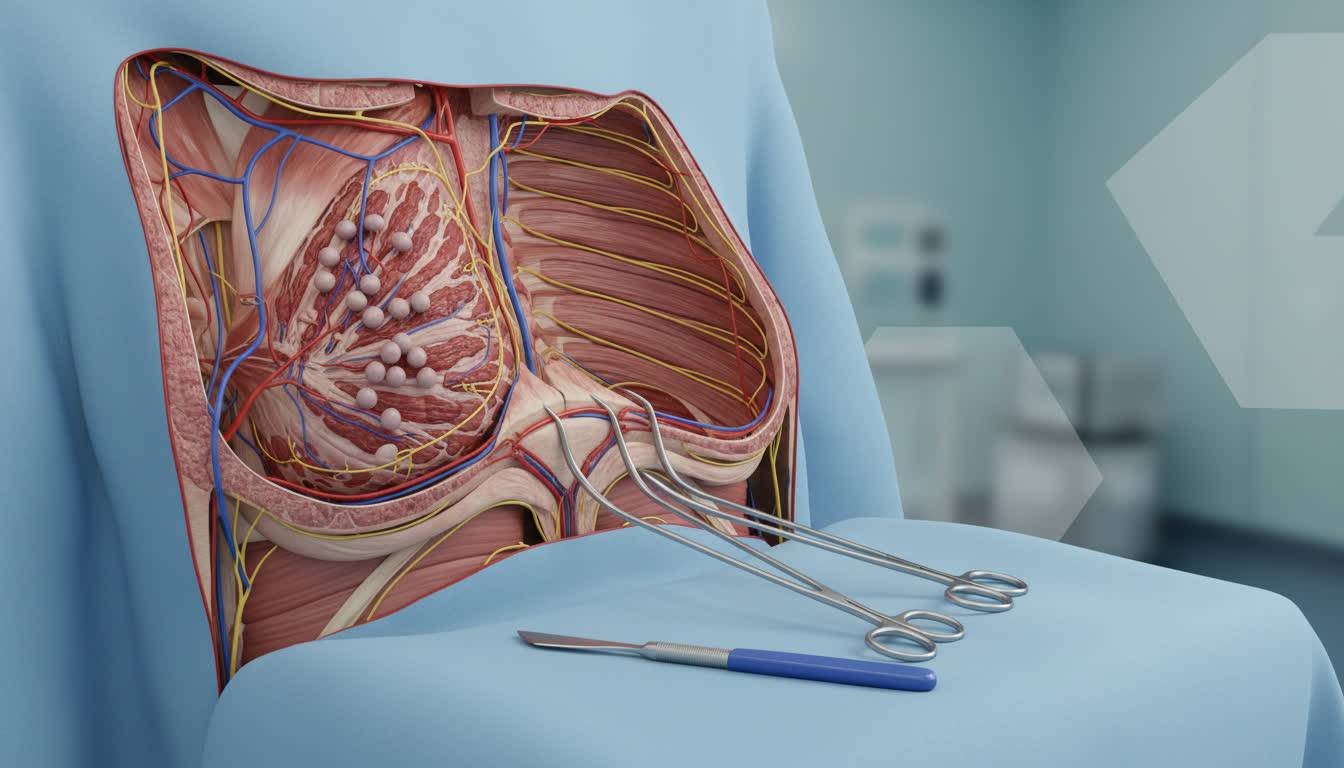







Da Vinci surgery for cancer is an advanced form of robotic-assisted, minimally invasive surgery used for selected cancer operations. It allows the surgeon to operate through small incisions using a magnified view and precise instruments that can move inside narrow anatomical spaces.
Despite the term “robotic surgery,” the system does not operate independently or make medical decisions. The surgeon controls the camera and every instrument movement from a console inside the operating room.
Robotic cancer surgery may reduce incision size, blood loss, and recovery time in certain procedures. However, it is not automatically the best treatment for every cancer or every stage. Suitability depends on tumor location, spread, surgical objectives, available evidence, and the experience of the medical team.
Safemedigo assists international patients with medical-report review, specialist selection, hospital coordination, surgery planning, and postoperative follow-up.
What Is Da Vinci Surgery for Cancer?
Da Vinci surgery is a form of robotic-assisted minimally invasive surgery. The surgeon sits at a console that provides a magnified three-dimensional view and controls robotic arms holding the camera and surgical instruments.
The system translates the surgeon’s hand movements into precise movements inside the patient. Its articulated instruments can rotate and bend in ways that may facilitate dissection and suturing in confined areas.
How Does the Da Vinci Surgical System Work?
The system generally consists of a surgeon console, a patient-side cart with robotic arms, and a vision system. Small incisions are made to introduce the camera and instruments.
The robot cannot begin, continue, or complete surgery without the surgeon’s commands. Results therefore depend heavily on the surgeon’s training and experience with the specific cancer procedure—not merely on the availability of the technology.
Does the Robot Perform the Operation?
No. Da Vinci surgery is robot-assisted rather than autonomous. The surgeon determines the dissection plane, controls bleeding, removes tissue, and decides whether the surgical approach should be changed.
A full operating-room team remains involved, including anesthesiologists, nurses, and surgical assistants. The operation may be converted to conventional laparoscopy or open surgery when necessary for safety.
Which Cancers May Be Treated With Da Vinci Surgery?
Robotic surgery may be used in selected operations involving urologic, colorectal, thoracic, head-and-neck, gastrointestinal, and gynecologic cancers.
Its suitability depends on the cancer type and stage, tumor size, anatomical location, previous treatment, and whether the required cancer operation can be performed safely through a minimally invasive approach.
Da Vinci Surgery for Prostate and Kidney Cancer
Robotic surgery is widely used in selected prostate and kidney cancer operations. Its magnified view and articulated instruments may help surgeons work inside the pelvis or around delicate blood vessels.
For prostate cancer, the procedure may involve removal of the prostate and selected lymph nodes. For kidney tumors, robotic partial nephrectomy may allow removal of the tumor while preserving healthy kidney tissue when clinically appropriate.
Cancer control depends on tumor biology, stage, surgical margins, and medical expertise—not on the robotic platform alone.
Read about: Robotic Tumor Surgery: Higher Precision, Fewer Complications
Robotic Surgery for Colorectal, Thoracic, and Gynecologic Cancer
Robotic approaches may be used for selected colorectal, stomach, lung, mediastinal, and gynecologic cancer procedures.
The technology may help with surgery in confined pelvic or chest spaces. However, evidence must be considered separately for each cancer. In early-stage cervical cancer, important research raised concerns about survival outcomes after minimally invasive radical hysterectomy compared with open surgery, demonstrating that a smaller incision is not always the better cancer approach.
Who Is a Candidate for Robotic Cancer Surgery?
The team evaluates the cancer type, stage, tumor size, anatomical location, involvement of nearby structures, previous surgery, general health, and ability to tolerate anesthesia.
Robotic surgery may not be appropriate when the tumor is very extensive, multiple organs require removal, severe adhesions are expected, or open surgery offers safer and more complete access.
Tests Before Robotic Cancer Surgery
Preoperative assessment may include:
- Pathology and biopsy review.
- CT, MRI, or nuclear imaging when required.
- Blood, kidney, liver, and clotting tests.
- Anesthesia, heart, and lung assessment.
- Review of blood thinners and regular medication.
- Planning for lymph-node removal.
- Discussion of possible conversion to open surgery.
- Assessment of chemotherapy or radiotherapy requirements.
These results help the team select robotic, laparoscopic, or open surgery.

When Is Da Vinci Surgery Not the Best Option?
Robotic surgery may not be the best approach when open surgery provides safer access to a large or complex tumor. It may also be inappropriate when the hospital or surgeon lacks sufficient experience with that particular procedure.
Access to a robotic system does not guarantee expertise. The chosen approach should never compromise cancer removal, surgical margins, or timely treatment.
Benefits of Da Vinci Surgery for Cancer
Potential benefits are primarily associated with minimally invasive access, magnified visualization, and articulated instruments.
Actual outcomes vary between procedures and patients, and not every person experiences all possible benefits.
Precision and Three-Dimensional Vision
The surgeon receives a magnified view that may assist with identifying blood vessels, nerves, and tissue planes surrounding the tumor.
The instruments can bend and rotate under the surgeon’s control, which may assist with complex dissection and suturing. However, technology cannot replace surgical judgment or cancer-specific expertise.
Smaller Incisions and Faster Recovery
Minimally invasive surgery uses several small incisions instead of one large incision. In selected operations, this may reduce pain, blood loss, hospitalization, and the time needed to resume light activities.
Recovery still depends on the extent of tissue removal, the patient’s health, and complications. A robotic procedure may require substantial recovery when it involves major organ removal or reconstruction.
Read about: Robotic Tumor Surgery: Higher Accuracy, Lower Risks
Reduced Blood Loss and Tissue Preservation
Enhanced visualization and precise vessel control may reduce blood loss in some procedures. The approach may also support preservation of healthy tissue when this is oncologically safe.
Tissue preservation must never mean leaving cancer behind. Complete cancer removal remains the first priority.
Risks and Limitations of Robotic Cancer Surgery
Da Vinci surgery remains major surgery and may involve bleeding, infection, blood clots, organ injury, anesthetic complications, and leakage from a surgical connection.
Procedure-specific effects may include urinary or sexual changes after prostate surgery, altered bowel function after colorectal surgery, or breathing complications after thoracic surgery.
Possible Surgical Risks
Potential risks include:
- Bleeding or blood transfusion.
- Infection.
- Venous or pulmonary blood clots.
- Injury to nearby organs, nerves, or vessels.
- Leakage from surgical connections.
- Anesthesia complications.
- Conversion to open surgery.
- Additional procedures.
- Positive surgical margins.
- Cancer recurrence or further treatment.
Individual risks depend on the cancer, operation, and patient’s health.
Limitations of Robotic Surgery
Robotic surgery requires specialized equipment, trained teams, and additional operating-room preparation. It is not available in every hospital.
The FDA states that computer-assisted surgical systems can be safe and effective for certain procedures when used appropriately and with proper training. It also notes that no robotic-assisted surgical device has specific US marketing authorization for the prevention or treatment of cancer itself; the platform is a surgical tool, not an independent cancer therapy.
Da Vinci Surgery vs Open and Laparoscopic Surgery
Open surgery uses a larger incision and direct access. Laparoscopic and robotic procedures use small incisions, a camera, and long instruments.
Da Vinci technology adds three-dimensional visualization and articulated instruments, but it does not automatically produce better results than conventional laparoscopy performed by an experienced surgeon.
Da Vinci Surgery vs Open Surgery
Robotic surgery may offer smaller wounds, less bleeding, and shorter hospitalization in selected procedures. Open surgery may offer safer or more complete access for large, invasive, or multi-organ tumors.
Comparisons should focus on cancer control, surgical margins, complications, function, and long-term outcomes—not incision size alone.
Da Vinci Surgery vs Traditional Laparoscopy
During conventional laparoscopy, the surgeon directly holds rigid instruments. With Da Vinci, the surgeon operates articulated instruments from a console.
Robotic technology may facilitate suturing and complex movement, but expert laparoscopy can also provide excellent results. The surgeon’s procedure-specific experience should guide the choice.
Cost of Da Vinci Surgery for Cancer
The cost of Da Vinci cancer surgery varies according to the cancer type, operation complexity, country, hospital, and medical team. An accurate quotation cannot be prepared before the diagnosis and surgical plan are reviewed.
The quotation should explain whether testing, anesthesia, hospitalization, pathology, follow-up, and additional cancer treatments are included or charged separately.
Read about: Latest Cancer Protocols: Turkey vs USA
Factors Affecting Robotic Cancer Surgery Cost
Important factors include:
- Cancer type and stage.
- Organ being operated on.
- Extent of surgical removal.
- Lymph-node dissection.
- Procedure duration and complexity.
- Surgeon and team experience.
- Robotic system and instruments.
- Anesthesia and intensive care.
- Hospital stay.
- Preoperative imaging and tests.
- Pathology examination.
- Management of complications.
- Postoperative follow-up.
- Additional medical treatments.
More complex operations and additional care requirements generally increase the overall cost.
Da Vinci Surgery Cost vs Conventional Surgery
The direct cost of robotic surgery may be higher because of the system, disposable instruments, maintenance, and specialized training.
A complete comparison should also consider hospitalization, recovery, return to work, and complication management. Treatment should be selected for medical suitability and team expertise rather than price alone.
Recovery After Da Vinci Cancer Surgery
Recovery begins with monitoring after anesthesia, pain control, and early movement. Hospital stay depends on the organ and extent of surgery.
Some patients resume light activities earlier than after open surgery, while complete internal healing may take considerably longer. Heavy lifting, driving, and strenuous exercise should wait for medical approval.
What to Expect After Surgery
Patients may experience discomfort around the incisions, bloating, fatigue, and temporary appetite or bowel changes. A urinary catheter or surgical drain may be required depending on the operation.
The pathology report is reviewed to confirm tumor type, grade, surgical margins, and lymph-node results. These findings determine whether additional therapy is required.
When Should the Doctor Be Contacted?
Contact the medical team for:
- Fever or chills.
- Increasing pain.
- Red or draining wounds.
- Abnormal bleeding.
- Chest pain or breathlessness.
- Leg pain or swelling.
- Persistent vomiting.
- Difficulty urinating.
- Severe abdominal swelling.
- Problems with a catheter or drain.
Early assessment can prevent complications from becoming more serious.
Choosing the Best Da Vinci Cancer Surgeon
The best robotic cancer surgeon should be selected according to cancer-specific and procedure-specific experience—not robotic certification alone.
Surgery should also form part of a multidisciplinary cancer plan involving medical oncology, radiology, pathology, and radiation oncology when required.
Read about: Robotic Tumor Surgery: Turkey vs Germany
Criteria for Choosing the Surgeon and Hospital
Consider:
- Specialization in the relevant cancer.
- Experience with the exact robotic operation.
- Regular case volume.
- Complication and open-conversion results.
- A multidisciplinary tumor board.
- Experienced robotic anesthesia and nursing.
- Intensive-care availability.
- Reliable pathology services.
- International follow-up planning.
- Emergency complication management.
A modern robot does not replace a complete cancer program.
Why Team Experience Matters
Regulatory guidance emphasizes appropriate training for the safe use of robotic surgical systems. Complex procedures require a team familiar with system setup, instrument changes, and emergency response.
A surgeon may be highly experienced in open surgery but still require procedure-specific robotic training and ongoing practice.
The Future of Da Vinci Cancer Surgery
The future of robotic surgery includes advanced visualization, integrated patient data, improved instruments, performance analytics, and more efficient operating-room workflows.
Newer platforms include developments in computing, imaging, and surgical data, while medical judgment and responsibility remain with the surgeon.
Robotic surgery will not replace every open or laparoscopic operation. It will remain one option within a broader surgical strategy tailored to each patient.
Conclusion
Da Vinci surgery for cancer may offer enhanced visualization, precise instrument control, smaller incisions, and faster recovery in selected operations. It is not autonomous and does not guarantee better outcomes for every patient or cancer type.
Success depends on appropriate patient selection, cancer-specific surgical expertise, hospital quality, and adherence to sound oncology principles. Cost should be evaluated as part of the complete pathway, including testing, hospitalization, pathology, follow-up, and additional therapy.
Frequently Asked Questions About Da Vinci Cancer Surgery
Does the Da Vinci robot perform surgery automatically?
No. The surgeon controls the camera and instruments throughout the operation, and the system cannot make independent medical decisions.
Is Da Vinci surgery suitable for every cancer?
No. Suitability depends on cancer type, stage, location, required procedure, clinical evidence, and the team’s experience.
Is robotic surgery better than open surgery?
It may offer faster recovery in selected cases, while open surgery may be safer for some large, invasive, or complex tumors.
How long is recovery after robotic cancer surgery?
Recovery varies by operation and health condition. Light activities may resume earlier, although complete internal healing takes longer.
What determines the cost of Da Vinci surgery?
Cost depends on cancer type, procedure complexity, surgical team, hospital care, pathology, testing, hospitalization, and follow-up.