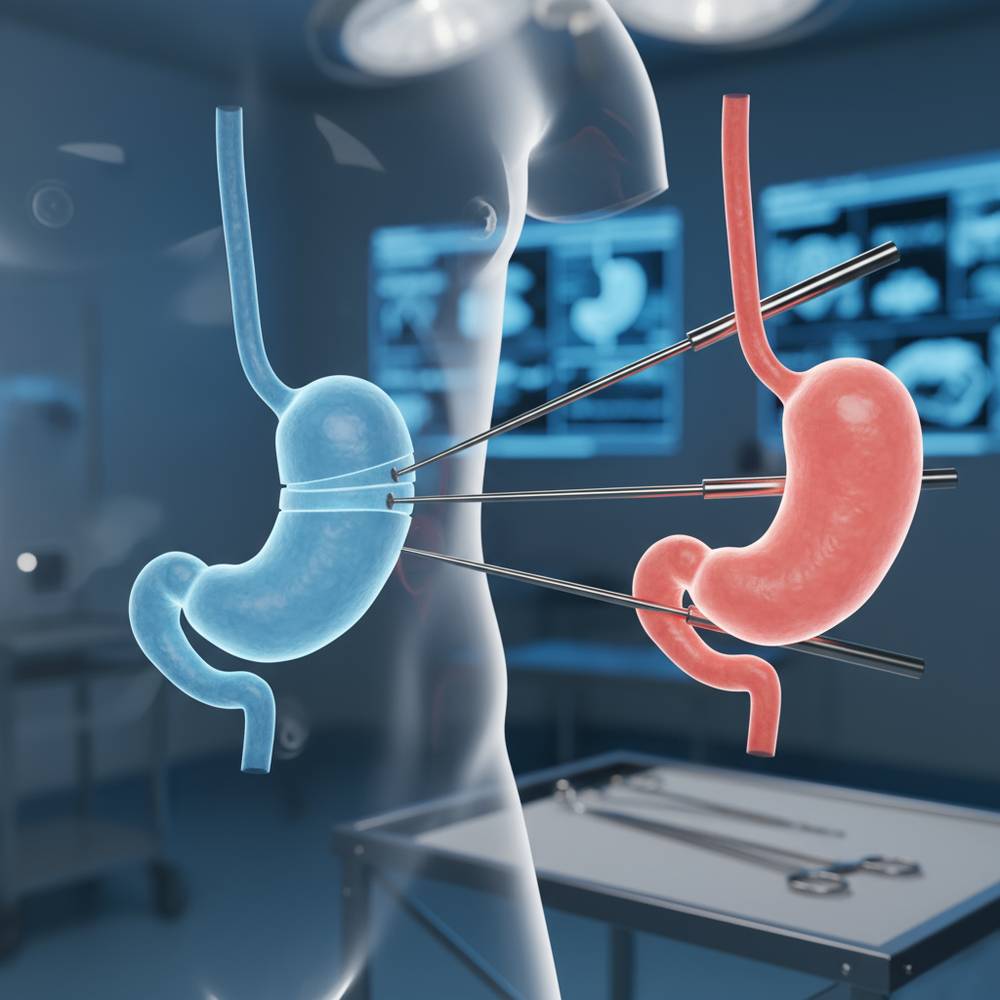






Successful sleeve gastrectomy does not end in the operating room. Surgery reduces stomach volume and can help control appetite and portions, but it does not automatically prevent dehydration, poor nutrition, vomiting, vitamin deficiencies, or habits that may contribute to weight regain.
During early recovery, the stomach is healing and food texture is usually advanced gradually from liquids toward more solid foods according to the bariatric team’s plan. Eating beyond the recommended stage or consuming more than the new stomach can comfortably tolerate may cause pain, nausea, and vomiting.
Postoperative mistakes also include inadequate fluid intake, ignoring protein and supplements, inactivity, nicotine use, taking medications without review, and stopping follow-up once weight loss appears successful. Long-term results depend on combining the surgical tool with sustainable nutrition and lifestyle habits.
Eating Mistakes and Advancing Food Too Quickly After Sleeve Surgery
The stomach’s capacity and tolerance change dramatically after surgery. A staged diet protects recovery while allowing the patient to gradually relearn eating with a much smaller stomach. Exact stages differ between programs, but progression commonly moves from liquids toward increasingly textured foods.
Eating Solid Food Too Early
Feeling better does not mean the stomach has completed healing. Moving to solid foods ahead of the prescribed schedule may cause discomfort and poor tolerance.
Possible consequences include:
- Upper abdominal pressure.
- Nausea.
- Vomiting.
- Difficulty tolerating meals.
- Reduced fluid intake.
- Reduced protein intake.
Food progression should follow the surgical and dietetic plan rather than appetite alone.
Eating Too Fast and Not Chewing Thoroughly
A small meal can still cause discomfort when eaten too quickly. Patients may pass their new fullness point before recognizing it.
Useful habits include:
- Take small bites.
- Chew thoroughly.
- Pause between bites.
- Stop at the first sign of fullness.
- Do not feel obligated to finish the plate.
Eating slowly, chewing carefully, and keeping portions small are central habits after gastric surgery.
Ignoring New Fullness Signals
Fullness may feel different after surgery. Early warning signs can include pressure, belching, heaviness, or simply losing interest in the next bite.
Continuing to eat beyond these signals can cause nausea, pain, or vomiting and may gradually undermine the portion-control behavior the surgery is intended to support.
Read about: Is Sleeve Gastrectomy Suitable for You? Key Indicators to Know
Hydration Mistakes After Gastric Sleeve Surgery
Dehydration is an important early concern because patients can no longer drink large volumes comfortably. Nausea and vomiting can further reduce intake, making frequent small sips essential.
Drinking Too Much at Once
Trying to finish a full glass quickly may create pain or nausea. Fluids should instead be spread across the day.
Many postoperative programs gradually aim for approximately 1.5 to 2 liters per day when tolerated, although individual targets should follow the bariatric team’s instructions.
Possible dehydration signs include:
- Dry mouth.
- Reduced urination.
- Dark urine.
- Headache.
- Dizziness.
- Increasing fatigue.
Drinking Large Amounts With Meals
Fluids can fill the small stomach rapidly and reduce the amount of nutrient-dense food a patient can comfortably eat.
Postoperative programs commonly advise separating drinking from meals according to the dietitian’s schedule rather than taking substantial amounts immediately before or during food intake.
Fizzy Drinks and Liquid Calories
Liquid calories can pass through the stomach without providing the same satiety as a protein-based meal.
| Drink type | Main consideration |
|---|---|
| Water and sugar-free fluids | Usually preferred for hydration |
| Carbonated drinks | May cause bloating and discomfort |
| Sugary juices and drinks | Add substantial calories and sugar |
| High-sugar shakes | Can undermine calorie control |
| Protein drinks | Useful when incorporated into a planned diet |
| Alcohol | Requires specific postoperative guidance |
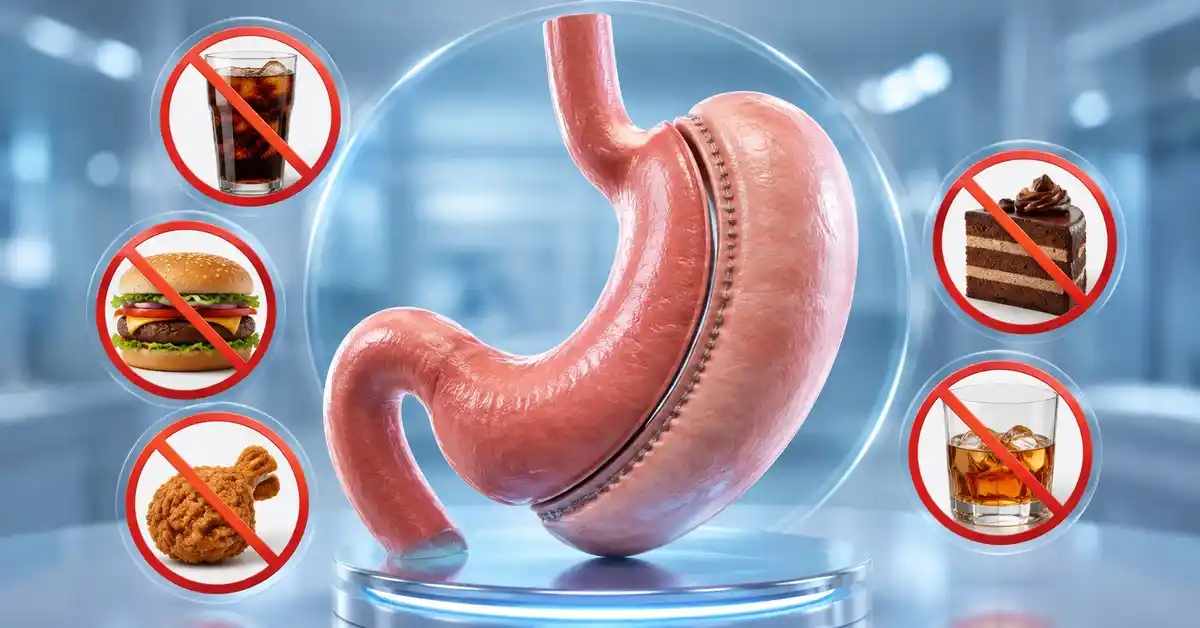
Carbonated and high-sugar beverages are commonly discouraged after bariatric surgery.
Neglecting Protein, Vitamins, and Nutritional Follow-Up
A smaller stomach means that nutritional quality matters more than ever. Filling the available space with low-nutrient foods can make it difficult to consume enough protein and essential micronutrients.
Failing to Prioritize Protein
Rapid weight loss increases the importance of protecting lean body mass and supporting tissue healing. Protein is therefore usually prioritized during postoperative nutrition.
The required amount varies according to body size, clinical status, and the dietitian’s plan. Patients should not copy another person’s target without individual assessment.
Stopping Supplements Once Normal Food Returns
Returning to regular food texture does not necessarily remove the risk of nutrient deficiencies. Reduced intake after sleeve gastrectomy means long-term supplementation and monitoring often remain necessary.
Depending on individual needs, supplementation may include:
- Multivitamins and minerals.
- Iron.
- Vitamin B12.
- Vitamin D.
- Calcium.
- Additional nutrients according to blood tests.
Some supplements also need to be separated from each other to optimize absorption.
Skipping Follow-Up Blood Tests
Nutritional deficiency can develop before obvious symptoms appear. Later signs may include fatigue, anemia, hair loss, weakness, or bone and neurological problems.
Regular laboratory monitoring should continue even when weight loss is progressing well.

Inactivity, Nicotine, and Medication Mistakes After Surgery
Recovery does not mean prolonged bed rest. Early gentle movement supports circulation and helps reduce clot risk, while strenuous activity and heavy lifting should wait until medically approved.
Avoiding Movement Because of Fear
Short, frequent walks are generally encouraged early in recovery. Activity can then increase gradually according to tolerance and surgical advice.
Heavy lifting, however, may need to be avoided for several weeks while tissues heal.
Returning to Smoking or Nicotine
Smoking and nicotine use are strongly discouraged after bariatric surgery because they can interfere with healing and contribute to postoperative and gastrointestinal complications.
Getting through the first postoperative weeks should not be treated as permission to resume smoking.
Taking Previous Medications Without Review
Medication needs may change after weight-loss surgery. Some tablets may also be unsuitable during early recovery.
Some bariatric programs advise avoiding nonsteroidal anti-inflammatory drugs such as ibuprofen, naproxen, and aspirin without medical approval because of gastrointestinal ulceration and bleeding concerns.
Review before taking:
- New painkillers.
- Extended-release tablets.
- Large tablets.
- Herbal supplements.
- Weight-loss medications.
- Previous chronic medications at unchanged doses.
Read about: Possible Complications After Sleeve Gastrectomy and Prevention
Eating Behaviors That Can Slow Weight Loss or Cause Regain
Sleeve gastrectomy limits portions but does not prevent calories from being consumed repeatedly throughout the day. Certain behaviors can gradually bypass the restrictive benefit and contribute to weight plateaus or regain.
Grazing Throughout the Day
Tiny portions may appear harmless, but repeated eating from morning to night can produce substantial calorie intake.
Skipping structured meals and replacing them with continuous snacking can also worsen nutritional quality and contribute to behaviors associated with later weight regain.
Choosing Foods That Pass Easily
Chocolate, sweets, ice cream, chips, and calorie-dense drinks may be easier to consume than a balanced protein-based meal.
The important question after surgery is not only “How much can I eat?” but also “What nutritional value am I getting from this small amount?”
Chasing Faster Weight Loss
Patients lose weight at different rates depending on initial weight, age, metabolism, activity, lean mass, medication, and medical conditions.
Common mistakes include:
- Intentionally under-eating.
- Skipping protein.
- Skipping meals.
- Weighing several times per day.
- Comparing results with another patient.
- Treating a short plateau as surgical failure.
The goal is sustainable weight loss with adequate nutrition rather than the fastest possible scale change.
Read about: Standard vs Bottega Sleeve: Which Bariatric Option Suits You?
Ignoring Warning Signs and Long-Term Follow-Up
Some discomfort is expected during recovery, but persistent or severe symptoms should not be normalized. Bleeding, infection, blood clots, leaks, and significant dehydration are among the complications that may require prompt evaluation.
Assuming Persistent Vomiting Is Normal
Occasional nausea may occur, but repeated vomiting needs attention. It may result from eating technique or poor food tolerance, but it can also cause serious dehydration or indicate another problem.
Contact the care team for:
- Persistent vomiting.
- Inability to keep fluids down.
- Markedly reduced urination.
- Increasing dizziness or weakness.
- Worsening pain with vomiting.
Some patients with postoperative dehydration require intravenous fluid replacement.
Ignoring Severe Pain, Fever, or Breathing Symptoms
Urgent medical assessment is appropriate for symptoms such as:
- Severe or rapidly worsening abdominal pain.
- Fever or chills.
- Shortness of breath or chest pain.
- Sudden pain or swelling in one leg.
- Significant bleeding.
- Rapid overall deterioration.
- Inability to drink with dehydration.
These symptoms do not identify a specific complication by themselves, but they should not be managed by simply waiting at home.
Ending Follow-Up Once Weight Loss Is Successful
Long-term review remains important even after excellent weight loss.
Follow-up can assess:
- Weight trends.
- Protein intake.
- Vitamin and mineral status.
- Reflux or difficulty eating.
- Hair loss.
- Physical activity.
- Eating behaviors.
- Early signs of weight regain.
Bariatric surgery requires long-term medical and nutritional monitoring rather than only early postoperative visits.
Read about: How to Choose the Best Sleeve Gastrectomy Surgeon
Conclusion
Gastric sleeve surgery works best when it is treated as the beginning of a long-term lifestyle change. Common mistakes include advancing foods too quickly, eating rapidly, inadequate hydration, neglecting protein and supplements, returning to nicotine, using medications without review, and replacing structured meals with continuous snacking.
Persistent vomiting, dehydration, severe pain, fever, breathing symptoms, or signs of blood clots should never be dismissed during early recovery. Over the long term, regular follow-up and laboratory monitoring are central to protecting health and maintaining weight-loss results.
Frequently Asked Questions: Common Mistakes to Avoid After Gastric Sleeve Surgery
What happens if I eat too fast after sleeve surgery?
You may pass your new fullness point quickly, causing pressure, nausea, pain, or vomiting.
Should I drink water with meals after sleeve surgery?
Patients are commonly advised to separate fluids from meals according to their bariatric nutrition plan.
Can I stop vitamins once my weight stabilizes?
Do not stop them without clinical review. Nutritional deficiencies may develop even when you feel well.
Is frequent vomiting normal after gastric sleeve surgery?
No. Repeated vomiting can cause dehydration and may indicate a problem that needs assessment.
Which symptoms are concerning after sleeve surgery?
Severe pain, fever, persistent vomiting, inability to drink, chest pain, breathing difficulty, or leg swelling need prompt evaluation.