









A varicocele, an enlargement of the veins within the scrotum, is a surprisingly common condition among adolescents and young men. While it may not initially cause symptoms, its discovery often raises significant concern for both parents and their sons. Understanding this condition and its available treatment options is the first step toward making informed decisions that ensure a child's long-term health and proper development.
The importance of addressing a varicocele in teens lies in its potential impact on testicular growth, function, and, in some cases, future fertility. Consequently, the therapeutic approach has evolved beyond traditional surgery to include modern, less invasive options that offer excellent results with shorter recovery times. The choice between monitoring and intervention depends on several precise factors that must be carefully evaluated.
In this comprehensive guide, we will explore the latest medical advancements in varicocele treatment for children and teens, from diagnosis and reasons for intervention to advanced surgical and non-surgical options. At Safemedigo, we are committed to providing clear and reliable information to help you understand every aspect of this condition, empowering you to participate effectively in the treatment journey and ensure a healthy future for your children.
When to consider varicocele treatment in children
The decision to intervene for varicocele treatment in children and adolescents depends on a careful assessment of the condition. Not all cases require immediate intervention, but close monitoring is essential to determine if the condition is negatively affecting testicular growth or causing symptoms that warrant treatment.
Varicocele treatment in children and indications
A varicocele occurs due to malfunctioning valves within the veins that drain blood from the testicle, leading to blood pooling and vein enlargement. In most cases, varicoceles are primary (with no clear cause) and typically appear during puberty due to rapid growth. Secondary varicoceles in children are rare and may indicate another issue, necessitating early intervention and a thorough examination. The primary indications for varicocele treatment in children are significant testicular growth delay, pain, or abnormal semen analysis in older teens.
Pediatric varicocele treatment methods overview
There are several pediatric varicocele treatment methods available. The gold standard is microsurgical varicocelectomy, which involves surgically ligating the problematic veins. Other options include laparoscopic varicocele repair and a non-surgical alternative called percutaneous embolization. The choice of method depends on the surgeon's expertise, the patient's specific condition, and family preferences. Each method aims to stop the backflow of blood to protect testicular function.
Monitoring vs intervention for varicocele in teens
For small varicoceles that cause no symptoms or impact on testicular size, monitoring is the most appropriate approach. Varicocele management in children and adolescents through observation involves regular check-ups (usually annually) that include a physical exam and ultrasound measurements of testicular volume. This monitoring allows the doctor to detect any changes that might necessitate intervention, ensuring that varicocele treatment in teens is performed only when medically necessary.
Modern varicocele treatment in teens: options and advances
Options for modern varicocele treatment in adolescents have evolved significantly, with new techniques offering higher precision and success rates while minimizing complications. These advances are focused on improving outcomes for teenage varicocele treatment options.
Laparoscopic varicocele repair in children
Laparoscopic varicocele repair in children is a minimally invasive surgical technique. It involves making several small incisions in the abdomen to insert a camera (laparoscope) and surgical instruments. The surgeon can then identify and clip the testicular veins internally. This method offers a good view of the veins and is effective, though it is performed less commonly now than the microsurgical approach for primary varicoceles.
Microsurgical varicocelectomy for teens benefits
Microsurgical varicocelectomy in teens is currently considered the gold standard. A surgeon uses a high-powered surgical microscope to magnify the area, allowing for precise identification and ligation of the enlarged veins while preserving the delicate testicular arteries and lymphatic vessels. This precision significantly reduces the risk of complications like hydrocele (fluid collection) and ensures the highest success rates for varicocele repair in teens.
Non-surgical varicocele treatment in adolescents
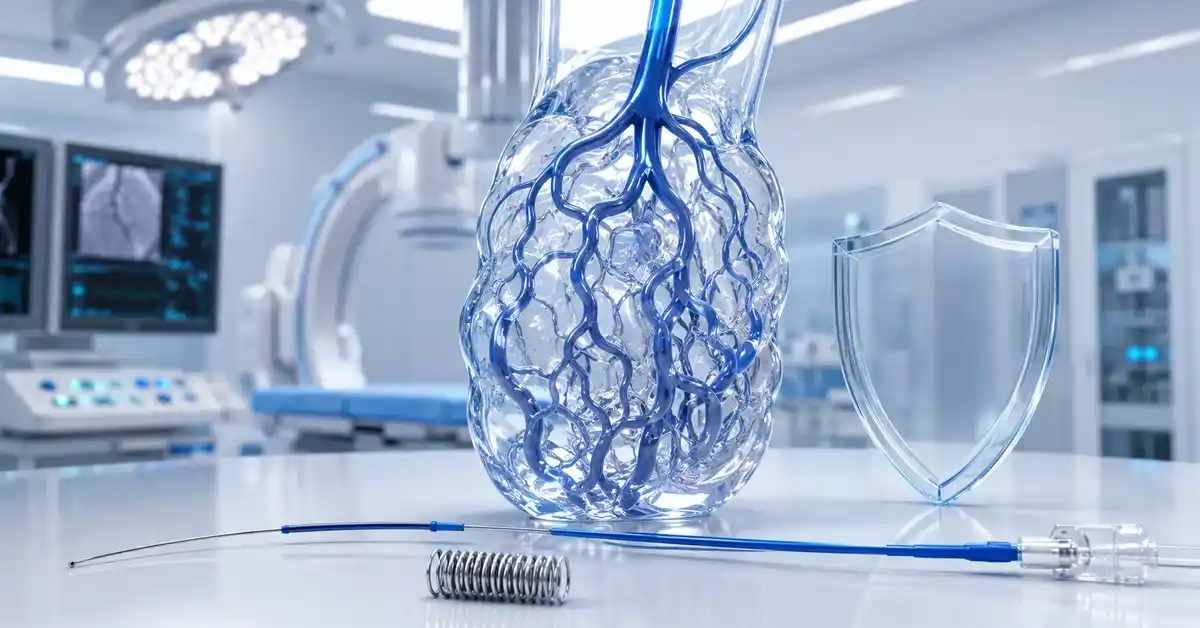
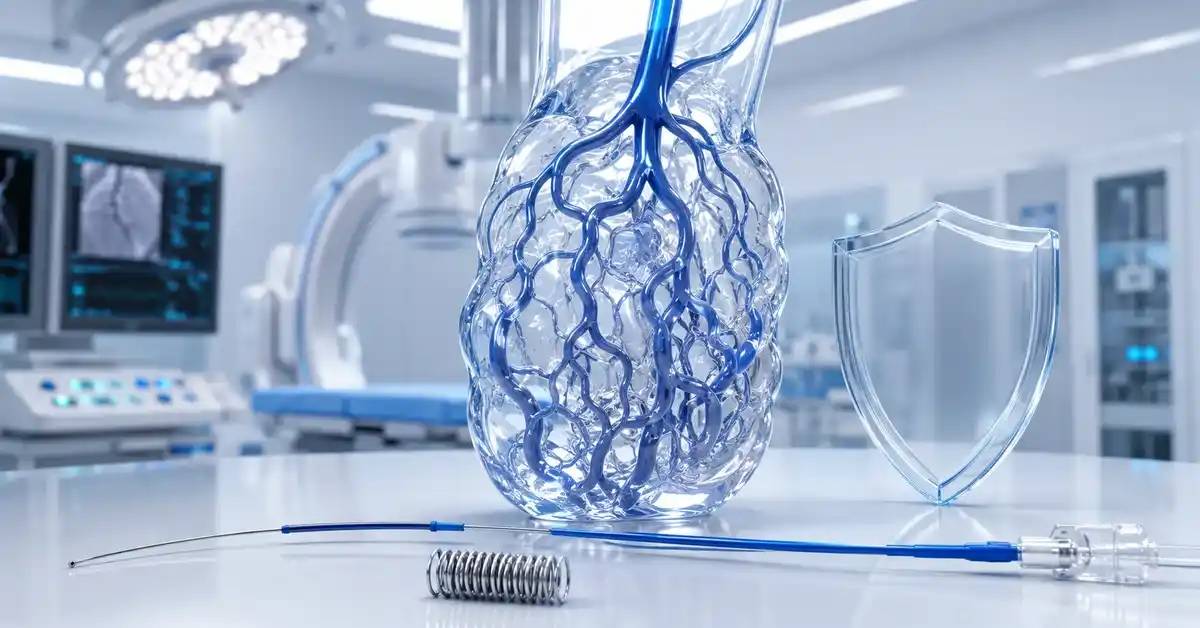
Percutaneous embolization is an effective non-surgical varicocele treatment in adolescents. An interventional radiologist inserts a tiny catheter into a vein in the groin or neck and guides it to the testicular veins using X-ray imaging. Small coils or a special solution are then injected to block the veins. This is an excellent option for varicocele treatment without surgery in teens, especially for recurrences after a surgical procedure.
Surgical varicocele repair in children and teens: what to expect
When surgery is the chosen path, it is important for parents and teens to have a clear understanding of what to expect before, during, and after the procedure. Varicocele repair in children and adolescents is a delicate procedure aimed at improving testicular function and preventing future complications.
Varicocele repair in children: procedural steps
Varicocele repair in children is performed under general anesthesia. The surgeon makes a small incision in the lower abdomen or upper scrotum. Using a surgical microscope, the spermatic cord is isolated, and the dilated veins are carefully identified and tied off, while great care is taken to avoid injury to the testicular artery and lymphatic vessels. The procedure typically takes about one to two hours.
Varicocele repair teens recovery and results
Recovery after varicocele repair in teens is relatively quick. The patient can usually go home the same day. Rest is advised, with avoidance of strenuous activities and sports for two to four weeks. Some minor swelling or bruising is normal and will resolve gradually. A follow-up appointment is scheduled to ensure the success of the operation and complete healing.
Risks and complications of varicocele treatment in teens
Although microsurgical repair is very safe, any surgical procedure carries some risks. Potential complications of varicocele treatment in teens (though rare with modern techniques) include hydrocele formation, varicocele recurrence, or injury to the testicular artery. Choosing an experienced surgeon and using the microsurgical technique minimizes these risks to the lowest possible level.
Non-surgical varicocele treatment for children and adolescents
Non-surgical varicocele treatment for children and adolescents has become an attractive option for many, as it avoids surgical incisions and general anesthesia. These methods rely on precise, targeted techniques to achieve the same goal.
Varicocele embolization in children: technique
Varicocele embolization in children is the primary non-surgical method. An interventional radiologist uses imaging guidance to navigate a catheter to the affected veins. Once in place, embolic agents (tiny coils or a sclerosing solution) are deployed to block the veins, redirecting blood flow to healthy pathways. The procedure is performed with local anesthesia and light sedation.
Non-surgical varicocele treatment in adolescents: advantages
The main advantage of non-surgical varicocele treatment in adolescents is the very rapid recovery period, with most teens returning to normal activities within a day or two. It avoids incisions and scarring and is an excellent option for patients who prefer to avoid surgery or have medical contraindications to general anesthesia. It is a key component of modern varicocele treatment innovations for children.
Lifestyle and observation in varicocele treatment in teens
In mild cases that do not require intervention, certain lifestyle adjustments can help manage symptoms. Teens are advised to avoid prolonged standing, wear supportive underwear, and avoid heavy weightlifting. These measures do not cure the varicocele but may reduce feelings of heaviness or pain.
Varicocele in teens and children: impact on growth and fertility
The primary concern regarding varicocele in teenage boys is its long-term impact. Understanding these effects helps to appreciate the importance of monitoring and timely treatment.
Teenage varicocele treatment options and fertility preservation
Varicocele is the most common correctable cause of male infertility. The elevated temperature and unhealthy environment caused by the varicocele can impair sperm production and quality. Early varicocele treatment for teens' fertility preservation can protect testicular function and maintain future reproductive potential. This is a key reason why teenage varicocele treatment options are so important.
Pediatric varicocele treatment in children and testicular development
The pooling of blood and increased temperature in the affected testicle can hinder its normal growth during puberty. This is known as testicular atrophy or growth arrest. A significant size difference between the testicles (usually more than 20%) is a key indicator for the need for pediatric varicocele treatment in children to halt this effect and allow for "catch-up growth."
Adolescent varicocele repair in children and future fertility
Treatment is necessary when one or more of the following factors are present: significant testicular atrophy, persistent pain, or abnormal semen analysis results (in older teens). Intervention in these cases aims to allow the testicle to grow normally and to preserve fertility. Timely adolescent varicocele repair in children is crucial for preventing irreversible damage.

Follow-up and early intervention in varicocele management
Close follow-up and timely treatment are the cornerstones of managing varicoceles in young people, ensuring the best possible outcomes.
Pediatric varicocele treatment methods follow-up
Follow-up should be regular, involving an annual examination by a pediatric urologist. During the exam, the doctor will assess the varicocele grade, measure testicular volumes, and discuss any symptoms. This monitoring allows for the early detection of any signs that warrant intervention, forming a key part of varicocele management in children and adolescents.
Adolescent varicocele treatment: children's evaluation protocols
Internationally accepted criteria for treatment include a testicular size discrepancy of more than 20%, pain associated with the varicocele, or abnormal semen analysis results. The decision is made based on a comprehensive evaluation of each individual case, considering the patient's age and medical history.
Selecting the proper varicocele treatment for teens modality
Choosing the best technique depends on several factors, including the varicocele grade, the surgeon's experience, and the preferences of the patient and their family. Microsurgical varicocelectomy is the first choice in most specialized centers due to its high success and low complication rates. Embolization can be discussed as an effective alternative, especially in certain cases.
Innovations in varicocele treatment in children and teenagers
Medical innovations are constantly striving to provide more effective and less disruptive solutions for patients, and this includes the latest solutions for varicocele treatment.
Adolescent varicocele repair technology advances
Advances in adolescent varicocele repair technology are focused on improving visualization and precision. High-powered microscopes, Doppler ultrasound probes used during surgery, and advanced imaging for embolization all contribute to safer and more effective procedures. These technologies help ensure that only the problematic veins are treated, preserving all essential structures.
Minimally invasive varicocele treatment in children
The trend in medicine is towards less invasive procedures. Children's varicocele minimally invasive treatment, including both microsurgery (which uses a very small incision) and embolization (which uses no surgical incision at all), fits this trend perfectly. These methods lead to less pain, faster recovery, and better cosmetic results compared to older, open surgical techniques.
Teenage varicocele treatment innovations, non-surgical
The field of interventional radiology continues to produce teenage varicocele treatment innovations, non-surgical in nature. New embolic agents and improved catheter technology are making embolization an even more attractive and effective option. These advancements are expanding the toolkit for providing the best possible care for varicocele treatment in teenage boys.
Preventive and educational advice for teens and children with varicocele
Education and psychological support are an integral part of managing the condition, helping the adolescent understand and cope with their condition positively.
Pediatric varicocele treatment: children's lifestyle advice
Teens are advised to maintain a healthy weight, exercise regularly (while avoiding very heavy lifting), and eat a balanced diet. These healthy habits support overall circulation and may help reduce any discomfort associated with the varicocele. This advice is a supportive part of pediatric varicocele treatment.
Teenage varicocele treatment: what parents should know
It is important for parents to know that a varicocele is a very common condition and is not dangerous in most cases. The teen should be encouraged to report any pain or feelings of heaviness. Parents should understand the importance of regular follow-up and not hesitate to ask the specialist questions.
Early detection of varicocele repair in children and adolescents
Even after successful treatment, regular follow-up remains important. The doctor will examine the patient after a few months to ensure the varicocele is gone and the testicle has started to show catch-up growth. This monitoring usually continues until the adolescent reaches full maturity. Early detection and follow-up are key to successful varicocele repair in children and adolescents.
Choosing the right specialist and center for varicocele treatment in teens
Choosing the right medical team is one of the most important decisions to ensure the best possible care and outcomes.
Pediatric varicocele treatment methods: choosing a center for children
Look for a center with a multidisciplinary team that includes pediatric urologists and interventional radiologists. The center should be equipped with the latest technologies, including a surgical microscope and embolization equipment. Extensive experience in offering multiple pediatric varicocele treatment methods is a strong indicator of quality care.
Adolescent varicocele repair in teens: key questions to ask
Do not hesitate to ask questions such as: What technique do you recommend and why? How many cases have you treated? What are your success and complication rates? What can we expect during the recovery period? Getting clear answers helps build trust and make an informed decision about adolescent varicocele repair in teens.
Varicocele treatment for children's success stories and testimonials
Hearing about the experiences of other patients can be reassuring and helpful. Many centers share success stories (while maintaining privacy) to show the positive outcomes of treatment. These stories highlight how the right intervention can improve a teen's quality of life and protect them from future complications, underscoring the importance of varicocele treatment for children.
Read about: Varicocele Treatment: Surgery or Modern Catheterization
Conclusion
In conclusion, varicocele treatment for children and adolescents is no longer a major challenge, thanks to tremendous advancements in medical technology. Modern options, from precise microsurgery to non-surgical embolization, provide safe and effective solutions aimed at protecting testicular growth and preserving future fertility. The key to success lies in early diagnosis, careful monitoring, and choosing the most appropriate treatment at the right time.
The role of parents and teens in understanding the condition and actively participating in the treatment plan is just as important as the role of the medical team. Knowledge and awareness are the most powerful tools for making sound decisions and confidently facing any challenges. Remember, the goal is not just to treat the varicocele, but to ensure a healthy and bright future for the child.
Do you have questions or need a specialized evaluation for your son's condition? Do not hesitate to contact the expert team at Safemedigo today via WhatsApp. We are here to provide support, guidance, and the best available solutions.
Frequently Asked Questions: Varicocele Treatment for Children and Teens: Modern Options
Does a varicocele always affect fertility?
No, not everyone with a varicocele will have fertility problems. However, varicocele is a major factor in male infertility. Early treatment, especially when there is an impact on testicular size, can significantly reduce this risk and preserve reproductive function.
What is the appropriate age for a teen to have varicocele surgery?
There is no single "ideal" age; the decision is based on medical criteria, not just age. Surgery is usually performed during adolescence (13-19 years) if testicular atrophy or persistent pain is detected. The goal is to intervene before permanent damage occurs.
Will the varicocele come back after treatment?
The recurrence rate for varicoceles is very low with modern techniques. Microsurgical varicocelectomy has the lowest recurrence rate (about 1-2%). Embolization is also very effective. If a varicocele does recur, it can be successfully treated with one of these methods.
Will my son be in pain after the procedure?
It is normal to have some mild to moderate pain for the first few days after surgery, which is easily controlled with prescribed pain medication. In the case of embolization (the non-surgical treatment), there is usually much less pain, and a return to normal activity is much faster.
When can my son return to sports after treatment?
After surgery, it is usually recommended to avoid strenuous and contact sports for 2 to 4 weeks. After embolization, the return may be faster, perhaps within a week or two. The treating physician will provide specific instructions based on the procedure and the patient's condition.