









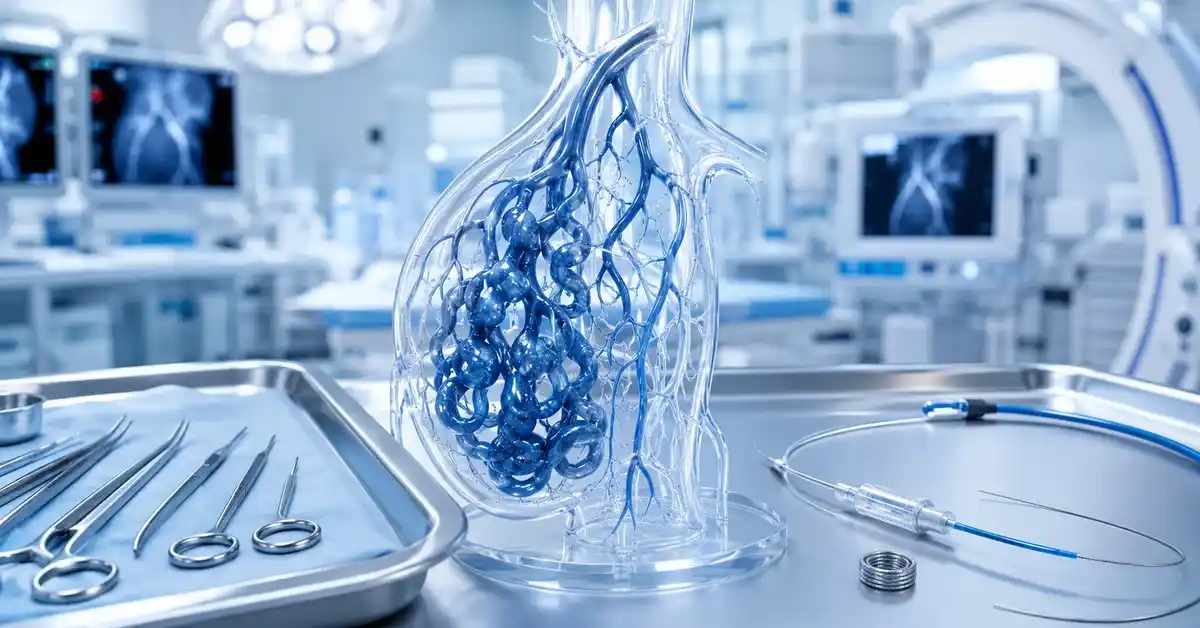
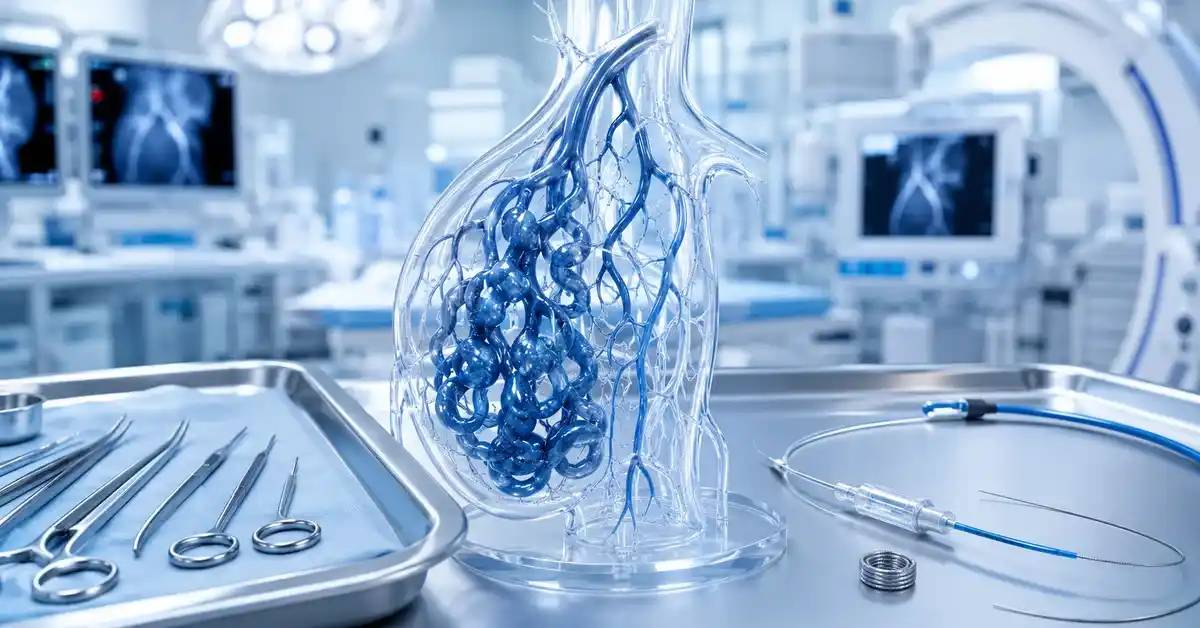
Deciding on varicocele treatment is a significant decision for many men, especially when it concerns fertility and quality of life. A varicocele, a dilation of the veins in the scrotum, is a common condition that can cause pain, affect testicular size, or be a leading cause of male infertility.
With medical advancements, the choice is no longer limited to traditional varicocele surgery. Varicocele embolization, also known as varicocele catheterization, has emerged as a modern, effective, and minimally invasive alternative.
At Safemedigo, we understand the importance of understanding the available options to make the most informed decision. Therefore, we present this comprehensive guide comparing microsurgical varicocele surgery with the latest techniques in modern catheterization for varicocele, helping you understand the surgery vs catheterization for varicocele debate and choose the treatment path that ensures the best results for you.
What Is Varicocele: Definition, Symptoms, and Etiology
A varicocele is one of the most common medical conditions affecting the male reproductive system, much like varicose veins that appear in the legs. Understanding this condition is the first step toward effectively managing it. It is not just a cosmetic issue but can have significant functional implications, especially concerning fertility.
Accurate diagnosis requires a clear understanding of its causes and symptoms, as well as the use of modern imaging techniques that can confirm the problem and assess its severity, paving the way for the most appropriate varicocele treatment.
Definition of varicocele
A varicocele is the swelling and enlargement of the veins within the scrotum, the skin sac that holds the testicles. These veins, known as the pampiniform plexus, are responsible for draining blood from the testicles.
The problem occurs when the one-way valves within these veins fail to function correctly, leading to blood pooling and backing up, thus causing the veins to dilate. It most often occurs on the left side due to anatomical differences in the path of the left testicular vein. The exact reasons for valve dysfunction are not fully understood but are often considered a congenital condition. This blood pooling raises the temperature of the testicle, which can negatively affect sperm production and function.
Causes and risk factors of varicocele
The primary cause of a varicocele is defective valves in the veins of the scrotum. These valves are supposed to ensure that blood flows in one direction—away from the testicles and back to the heart. When they fail, gravity allows blood to pool, leading to swelling and widening of the veins.
While the exact reason for valve failure is unknown, it is a common condition, affecting about 15% of the adult male population. Risk factors are not well-defined, as it is largely considered a condition one is born with. However, they are most commonly diagnosed in men between the ages of 15 and 25. In rare cases, a varicocele can form in an older man due to a kidney tumor that is compressing the vein, which requires immediate medical attention.
Symptoms and diagnosis methods
Many varicoceles cause no symptoms and are harmless. However, when symptoms do occur, they can include:
• A dull, aching pain or a feeling of heaviness in the scrotum, which often worsens over the course of the day or with prolonged standing.
• A varicocele may also be visible as a twisted mass on the scrotum, often described as looking or feeling like a "bag of worms."
Diagnosis is typically straightforward. A doctor can often diagnose a varicocele with a physical exam. To confirm the diagnosis and assess its severity, a scrotal ultrasound (Doppler) is the gold standard. This imaging technique can measure the diameter of the dilated veins and confirm the presence of blood reflux, providing objective information to help decide on the need for varicocele repair.
When Is Treatment Needed?
Not every varicocele requires immediate treatment. In fact, many men live with the condition without it causing any problems. The decision to proceed with varicocele treatment depends on a combination of factors, including the presence of symptoms, its impact on fertility, and the patient's age and preferences.
A thorough evaluation by a specialist urologist is essential to determine whether a therapeutic intervention, be it varicocele surgery or catheterization, is necessary and beneficial for the individual's case, or if observation is the better option.
Indications for varicocele treatment (pain, fertility issues)
There are three main indications that lead doctors to recommend varicocele treatment.
• Infertility or subfertility: Especially when a semen analysis shows abnormal parameters in the presence of a clinical varicocele.
• Chronic, bothersome pain: Or a dragging sensation in the scrotum that does not respond to pain relievers and affects the patient's quality of life.
• Testicular atrophy: The failure of the affected testicle to grow normally, particularly important in adolescents and young men.
In these cases, treatment aims to relieve symptoms, improve semen parameters, or prevent further damage to testicular function.
Cases where no intervention is required
Conversely, there are situations where intervention can be avoided.
• If a varicocele is discovered incidentally in an adult male who has no symptoms, has normal semen parameters, and is not planning to have children in the near future, periodic monitoring is usually sufficient.
• Similarly, small varicoceles that are only palpable during a Valsalva maneuver (Grade 1) or are only detected by ultrasound (subclinical) often do not require treatment, as the evidence for the benefit of treating them is still inconclusive.
The decision is always individualized and requires a thorough discussion between the patient and the doctor about the potential benefits and risks.
Treatment Options Overview: Surgery or Catheterization
When the decision for varicocele treatment is made, the patient is faced with two main options: traditional varicocele surgery or modern varicocele catheterization, also known as varicocele embolization.
Both procedures aim to achieve the same goal: to stop the backward flow of blood in the dilated veins and redirect it through healthy veins. However, the two methods differ significantly in how they achieve this goal, the nature of the procedure itself, the recovery period, and the potential risks. Understanding this surgery vs catheterization for varicocele difference is crucial for the patient to make an informed decision.
Comparing varicocele surgery vs catheterization of varicocele
Both varicocele surgery and catheterization (or embolization) are effective treatment methods, but they differ fundamentally in their approach and recovery. Surgery, particularly microsurgical varicocelectomy, is a precise procedure where the enlarged veins are directly tied off through a small incision. It is characterized by very high success rates and low recurrence rates, but it requires a relatively longer recovery period. In contrast, catheterization is a minimally invasive procedure where the affected veins are accessed via a thin tube inserted through another vein in the body (often in the groin) to block them from the inside. This allows for a very quick recovery with no surgical scars. However, the recurrence rate may be slightly higher with catheterization, and it involves exposure to a dose of X-ray radiation. The choice between the two methods depends on the patient's condition and the recommendation of the specialist.
Pros and Cons of Each Approach
Surgery: Surgery, especially microsurgery, is characterized by high precision in identifying and tying off the affected veins, which reduces the risk of recurrence. However, surgery requires either general or local anesthesia and is associated with a relatively longer recovery period, as the patient may need several weeks to return to normal activities. Possible complications include the development of a hydrocele (fluid accumulation around the testicle), infection, or, in rare cases, injury to the testicular artery.
Catheterization (Embolization): Catheterization is a minimally invasive procedure performed under local anesthesia and leaves no surgical scars. The recovery period after catheterization is very short, and the patient can usually return to daily activities within two days. The risk of developing a hydrocele after catheterization is almost nonexistent. However, potential drawbacks include exposure to radiation during the procedure, possible migration of the coils used for blockage, or an allergic reaction to the embolic material.
Surgery as a Treatment Option
Varicocele surgery has been the mainstay of treatment for decades. The goal of any varicocelectomy is to identify all the dilated veins causing the problem and permanently ligate them, while carefully preserving the testicular artery, lymphatic vessels, and the vas deferens (the sperm-carrying tube).
Over the years, surgical techniques have evolved significantly, from traditional open surgery to precise microsurgical techniques that have greatly improved outcomes and reduced complications, making it a highly effective and reliable treatment option for many patients.
Types of varicocelectomy (open, laparoscopic, microsurgical)
There are several surgical approaches to varicocele repair.
• Traditional open surgery (inguinal or retroperitoneal) is the oldest and involves a relatively larger incision.
• Laparoscopic surgery involves inserting a camera and instruments through small incisions in the abdomen, but it is less common now due to a higher risk of injury to internal organs.
• Microsurgical varicocele surgery (subinguinal) is currently considered the gold standard. It is performed through a very small incision (about 2-3 cm) just above the scrotum, and with the use of a high-powered surgical microscope, the surgeon can identify all veins with extreme precision while preserving other vital structures, leading to the highest success rates and lowest complication rates.
Steps of the Surgical Procedure
The surgical procedure for a varicocele, known as a varicocelectomy, typically begins with the administration of anesthesia, which can be general, regional, or local, depending on the surgical technique and patient factors. The surgeon then makes a small incision, usually in the groin area (inguinal) or upper scrotum. Using precise surgical instruments, the spermatic cord—which contains the veins, arteries, and vas deferens—is isolated. In a microsurgical approach, a high-powered operating microscope is used to magnify the area. This allows the surgeon to accurately identify and ligate (tie off) the swollen, incompetent veins while carefully preserving the critical structures, including the testicular artery, lymphatic vessels, and the vas deferens. Once all the problematic veins are securely tied off, blood flow is naturally redirected to healthy veins. Finally, the incision is closed with sutures.
Risks of Varicocele Surgery and Complications
While varicocele surgery is generally safe and effective, like any surgical procedure, it carries potential risks and complications. The most common complication is the formation of a hydrocele, which is a collection of fluid around the testicle caused by the disruption of lymphatic vessels; this risk is significantly minimized with the microsurgical technique. Another potential risk is varicocele recurrence, which can happen if not all of the affected veins are successfully ligated during the procedure. A more serious but rare complication is testicular atrophy (shrinkage), which can occur if the testicular artery is accidentally damaged, compromising blood supply to the testicle. Other general surgical risks include infection at the incision site, bleeding, and adverse reactions to anesthesia. Choosing an experienced surgeon and the microsurgical approach can greatly reduce the likelihood of these complications.
Catheterization / Embolization as a Modern Alternative
Modern catheterization for varicocele, or varicocele embolization, represents a revolution in the treatment of this condition, offering a non-surgical varicocele catheterization option. Developed by interventional radiologists, it relies on blocking the diseased veins from the inside rather than tying them from the outside.
Due to its minimally invasive nature and rapid recovery period, it has become a preferred option for many patients, especially those who wish to avoid surgery and general anesthesia, or those who have experienced a recurrence of the varicocele after previous surgery.
What is varicocele embolization / modern catheterization for varicocele
Varicocele embolization is a procedure performed in the interventional radiology suite. A small area of skin in the groin or neck is numbed, and a very thin catheter is inserted into the vein. Guided by live X-ray imaging (fluoroscopy), the doctor navigates the catheter through the blood vessels to the dilated testicular vein.
A small amount of contrast dye is then injected to create a map of the veins (a venogram) and precisely identify the source of the problem. This technique allows the doctor to see the entire venous anatomy, including any abnormal veins that might not be apparent in surgery.
Procedure steps with catheterization
Once the target veins are identified, the blocking process begins. The most common method is to use tiny platinum coils (microcoils). These coils are pushed through the catheter into the target vein, where they form a small ball, causing the blood to clot and permanently block the vein.
In some cases, a chemical sclerosant can also be injected to ensure the closure of very small veins. After confirming that the backward blood flow has stopped, the catheter is withdrawn, and a small bandage is placed over the entry point. The entire procedure takes about 60-90 minutes, and the patient can go home after a short observation period.
Outcomes of varicocele catheterization and success rates
Studies show that the outcomes of varicocele catheterization are excellent. The varicocele embolization success rate in technically closing the veins is over 90%, which is comparable to the success of microsurgical surgery.
• In terms of improving semen parameters and pregnancy rates, the results are also quite comparable to surgery.
• The procedure has the added advantage of a low recurrence rate, as the interventional radiologist can accurately identify and treat all the veins causing the problem.
• Furthermore, the risk of complications such as hydrocele is virtually nonexistent, as the lymphatic vessels are not disturbed.
Comparative Outcomes Performance
When choosing between varicocele surgery and varicocele catheterization, the most important question for the patient is: which one is better in terms of results? Fortunately, numerous studies and research have shown that both procedures are highly effective in achieving the desired goal.
However, there are subtle differences in success rates, impact on fertility, and recurrence and complication rates, which may favor one option over the other depending on the patient's priorities and individual condition. Understanding these differences helps to answer the question of is catheterization better than surgery for a varicocele.
Varicocele embolization success rate vs surgery
Both microsurgical varicocele surgery and varicocele embolization are procedures with high success rates. The technical success rate (the ability to close all target veins) for both procedures ranges from 90% to 95%.
However, catheterization may have a slight advantage in treating cases of recurrence after surgery, as it can access veins that may be difficult to reach surgically due to scar tissue. In terms of recurrence rates, microsurgical surgery has the lowest recurrence rate among all surgical techniques (about 1-2%), while recurrence rates after embolization range from 5-10%, although this rate can be reduced with modern embolization techniques.
Impact on semen parameters and fertility
The main goal of varicocele treatment in men with infertility is to improve semen parameters. Studies have shown that both surgery and embolization lead to significant improvement in sperm count, motility, and morphology in about 60-70% of patients. This improvement translates into an increase in natural pregnancy rates.
There is no significant and consistent difference between the two methods in the extent to which they improve semen parameters. The most important factor is the success of the procedure in eliminating venous reflux, regardless of the method used.
Comparative studies and evidence
Several meta-analyses have compared the results of surgery and embolization. Most of these studies have concluded that both procedures have similar success rates and pregnancy rates. However, some studies have indicated that embolization may be associated with a faster recovery period and a quicker return to normal activities.
On the other hand, microsurgical surgery has the advantage of lower recurrence rates. Ultimately, clinical guidelines from leading urological and interventional radiology societies recognize both as valid first-line treatment options, and the choice should be based on the physician's expertise and the patient's preference after a thorough discussion.

Cost and Economic Considerations
When making a decision about varicocele treatment, cost plays an important role for many patients. The cost of varicocele embolization and surgery can vary significantly depending on several factors, including the country, the hospital, the doctor's experience, and insurance coverage.
It is important to look at the total cost, which includes not only the procedure fee itself but also the costs of anesthesia, hospital stay (if any), and any costs associated with recovery, such as time off from work.
Cost of varicocele embolization
The cost of varicocele embolization varies greatly between countries. In some countries with high medical costs, the cost can be prohibitive.
In contrast, countries like Turkey, which have become a leading destination for medical tourism, offer the same procedure at high quality and a much lower cost. The cost in Turkey can be a fraction of the cost in the Gulf countries or Europe, with the benefit of the latest technology and the expertise of internationally recognized doctors. Safemedigo can provide comprehensive packages that cover the costs of treatment, travel, and accommodation, making the option more economically attractive.
Cost comparison: surgery vs catheterization
In general, the initial cost of a varicocele embolization procedure may seem slightly higher than that of traditional surgery in some healthcare systems, due to the cost of the materials used (coils, catheters).
However, when looking at the bigger picture, embolization may be more cost-effective. Since it requires a much shorter recovery period, the patient can return to work and normal activities more quickly, reducing the financial losses from time off work. It also avoids the costs of general anesthesia and a hospital stay, which may balance the overall cost or even make it lower than surgery.
Factors affecting cost (hospital, technology, surgeon)
The final cost of varicocele repair is influenced by several factors.
• The choice of hospital plays a big role, as large private hospitals are usually more expensive than smaller centers.
• The type of technology used also has an impact; for example, microsurgical varicocele surgery is more expensive than traditional open surgery due to the need for specialized equipment.
• Similarly, the use of the latest types of coils and materials in embolization can increase the cost.
• Finally, the experience of the surgeon or interventional radiologist is an important factor; reputable and highly experienced doctors may charge higher fees, but this is often an investment in better outcomes and fewer complications.
Recovery and Post-Treatment Complications
The recovery period after varicocele treatment is an integral part of the overall treatment experience and is often a decisive factor in the patient's decision. The recovery path differs significantly between surgery and catheterization, affecting how long it takes for the patient to return to their normal life. Understanding these differences, as well as knowing the potential complications and how to prevent them, helps the patient to better prepare for the post-treatment phase and ensure the best possible results.
Recovery time after varicocele surgery
The recovery time after varicocele surgery depends on the type of surgery. After open or microsurgical surgery, patients are usually advised to avoid strenuous activities and heavy lifting for 2 to 4 weeks.
Most patients can return to a desk job within a few days, but jobs that require physical exertion may require a longer leave. It is common to feel some pain or swelling in the incision area for a few weeks, which can be managed with pain relievers and rest. The recovery plan involves a gradual return to normal activities while avoiding anything that puts a strain on the pelvic area.
Recovery timeline for catheterization
Varicocele catheterization is characterized by a remarkably fast recovery period. Since there is no surgical incision in the groin area, most patients can return to normal activities, including work, within just one or two days.
It is advisable to avoid strenuous exercise for about a week, but walking and other light activities are almost immediately permissible. Pain after the procedure is usually very mild and easily managed with over-the-counter pain relievers. This quick return to normal life is one of the biggest benefits of varicocele embolization.
Managing complications and safe return to activity
To ensure a safe return and minimize the risk of complications after either procedure, it is important to follow the doctor's instructions precisely.
• After surgery: The wound should be kept clean and dry to prevent infection.
• After catheterization: Strain on the entry point in the groin or neck should be avoided.
In both cases, wearing supportive underwear is recommended to reduce swelling and provide comfort. Patients should report any concerning signs, such as fever, severe redness, increasing swelling, or severe pain that does not respond to pain relievers. Adhering to follow-up appointments is also essential to assess the success of the procedure and monitor healing.
Current Trends and Future Directions
The field of varicocele treatment is constantly evolving, with new research and technologies emerging to improve outcomes and reduce the invasiveness of procedures. The general trend is a move away from traditional open surgery towards more precise and less painful options, such as microsurgical varicocele surgery and varicocele embolization. The future is focused on refining these techniques, developing new embolization materials, and better understanding which patients will benefit most from treatment, further solidifying the place of modern therapies and more clearly answering the question of is catheterization better than surgery for a varicocele.
Research and clinical guidelines
Recent research focuses on long-term comparisons between microsurgical surgery and embolization, evaluating their impact not only on semen parameters but also on hormone levels and live birth rates.
Clinical guidelines from leading medical societies, such as the American Urological Association and the European Association of Urology, now recognize both microsurgical surgery and embolization as effective first-line treatment options for varicoceles. This recognition underscores the safety and efficacy of modern catheterization for varicocele as a reliable alternative to surgery.
Emerging non-surgical varicocele catheterization techniques
While coils and sclerosing agents are the most common in embolization, there is continuous innovation. New types of embolic agents, such as biological adhesives, are being developed that may offer a faster and more durable vein closure.
There is also research into alternatives to catheterization, although they are still in their early stages. However, embolization with coils remains the most established and reliable technique in the field of minimally invasive treatment today, combining high efficacy with an excellent safety record. These emerging non-surgical varicocele catheterization techniques hold promise for the future.
Evaluating whether catheterization is better than surgery for varicocele in the long term
When evaluating long-term effectiveness, both microsurgical surgery and embolization show excellent and durable results. The question of which is "better" depends on the patient's definition of "better."
• If "better" means the lowest possible recurrence rate, microsurgical surgery may have a slight edge.
• But if "better" means a faster recovery, less pain, and avoiding general anesthesia and scars, then varicocele catheterization is the clear winner.
In the long term, both procedures achieve similar improvements in fertility and pain relief. Therefore, the choice depends on balancing these factors and the patient's personal preferences.
Read about: Varicocele Treatment for Children and Teens: Modern Options
Conclusion
Ultimately, the choice between varicocele surgery and varicocele catheterization is a balance of efficacy, safety, and recovery time. Both precise microsurgical surgery and modern varicocele embolization have proven to be excellent treatment options, with high success rates and similar outcomes in improving fertility and relieving symptoms.
However, varicocele catheterization offers a clear advantage as a minimally invasive procedure, with a much faster recovery period, less pain, and avoidance of the risks of general anesthesia and a surgical incision.
At Safemedigo, we are proud to offer the latest techniques in modern catheterization for varicocele in Turkey, performed by world-class interventional radiologists.
We invite you to contact us to discuss your case, provide a comprehensive consultation, and help you make the decision that will return you to a healthy and active life as quickly as possible.
Frequently Asked Questions: Varicocele Treatment: Surgery or Modern Catheterization
Is catheterization better than surgery for a varicocele?
Neither is definitively "better" as both are effective. However, varicocele catheterization is minimally invasive, done under local anesthesia, and has a much faster recovery time. Microsurgical varicocele surgery may have a slightly lower recurrence rate. The choice depends on the patient's priorities and the doctor's recommendation.
What is the varicocele embolization success rate?
The varicocele embolization success rate for technically closing the target veins is over 90%, which is comparable to the success of microsurgical surgery. It also achieves similar improvements in semen parameters and pregnancy rates.
What is the recovery time after varicocele catheterization?
The recovery is very quick. Most patients can return to their daily activities and desk work within 24 to 48 hours. It is only advised to avoid strenuous exercise and heavy lifting for about a week, which is a significant difference compared to the recovery time after varicocele surgery, which can be up to 4 weeks.
Is there pain during or after varicocele embolization?
The procedure is performed under local anesthesia, so the patient feels no pain during it. After the procedure, some patients may feel mild pain or a feeling of heaviness in the scrotum or lower abdomen for a few days, which is easily managed with regular pain relievers like paracetamol or ibuprofen.
What is the cost of varicocele embolization?
The cost of varicocele embolization varies greatly by country and hospital. However, the overall cost is often competitive with surgery when considering the avoidance of costs for general anesthesia and a hospital stay, as well as the quick return to work. Destinations like Turkey offer the procedure at a very reasonable cost while maintaining the highest quality standards.