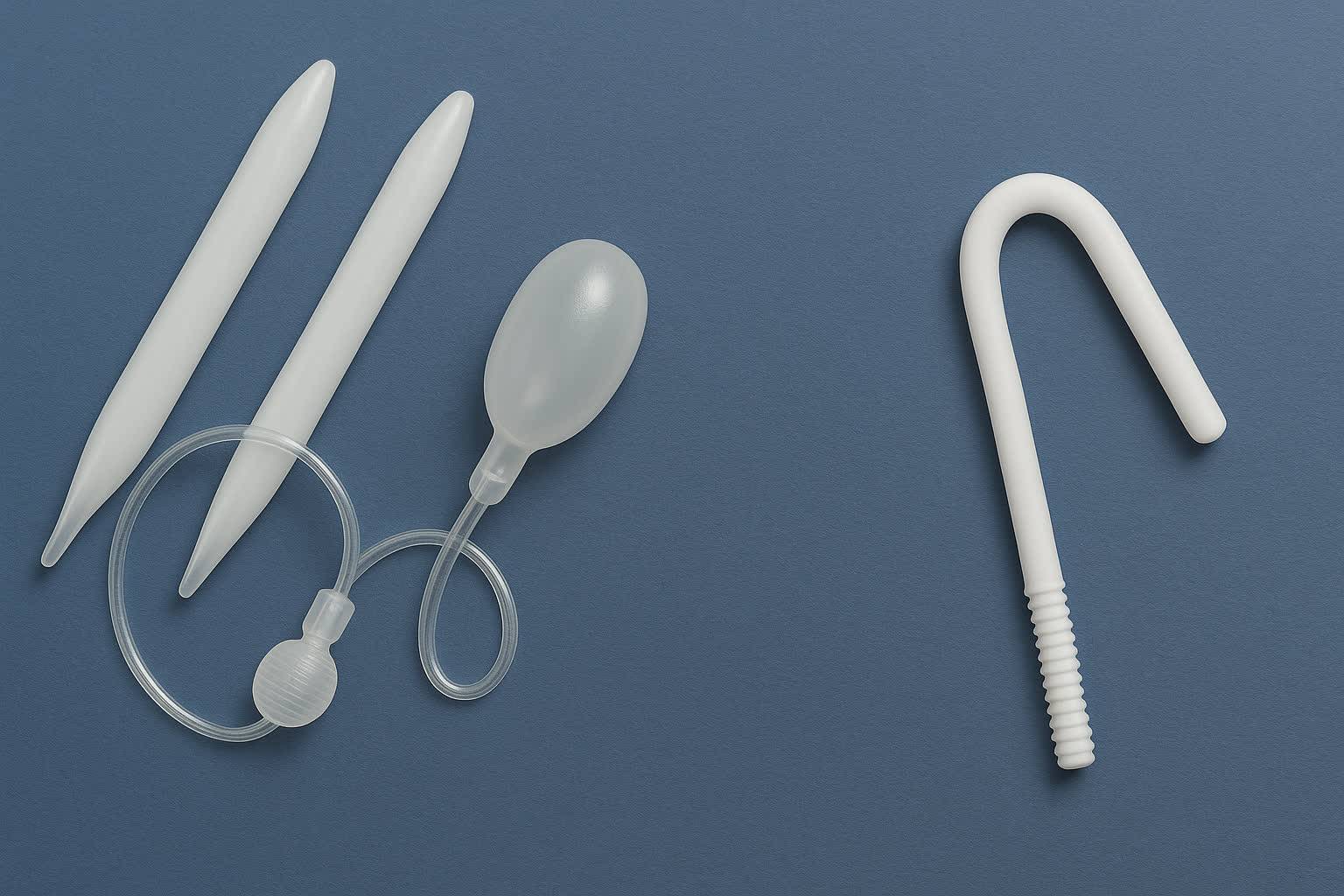






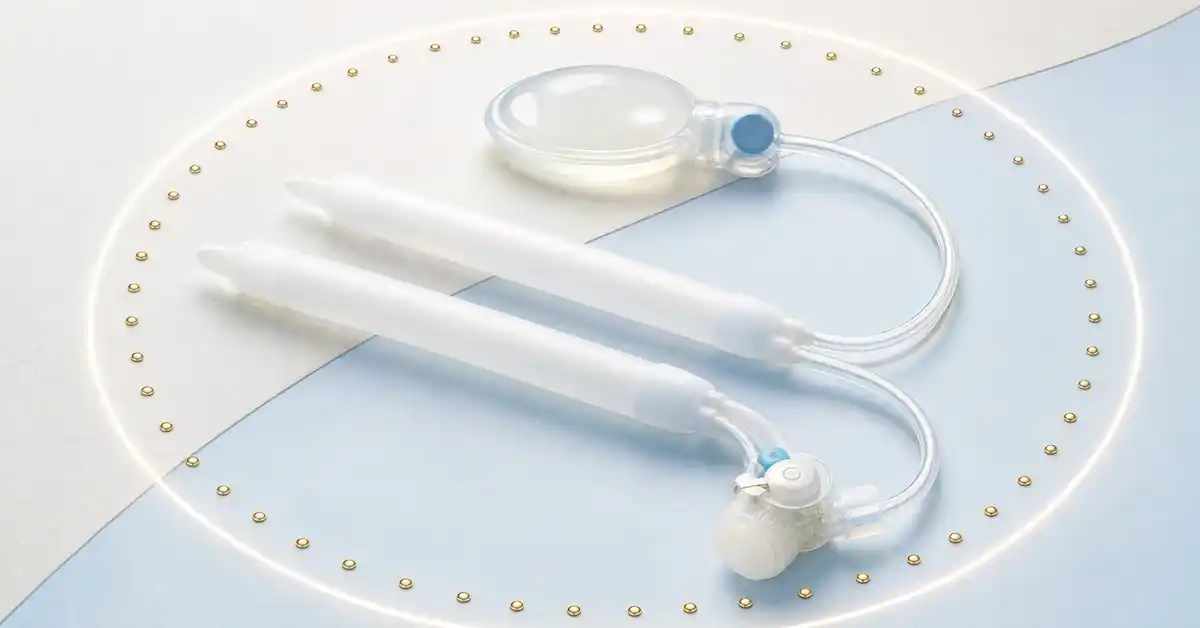
Penile prosthesis implantation is an established surgical option for severe erectile dysfunction when less-invasive treatments are ineffective, unsuitable, or when a well-informed patient prefers a definitive surgical solution. Current implants are broadly divided into inflatable and malleable devices, with selection based on anatomy, previous surgery, dexterity, medical factors, and patient priorities.
At Safemedigo, preparation for penile implant surgery is approached as a process beginning weeks before the procedure rather than a set of instructions given the night before. The month leading to surgery provides time to optimize diabetes and other medical conditions, identify infection risks, review medications, complete anesthesia assessment, confirm implant expectations, and organize recovery at home. Infection prevention is particularly important because infection and mechanical problems remain major complications of prosthetic surgery.
The timeline below is a practical framework rather than a universal prescription. Medication interruption, fasting, testing, and skin preparation must ultimately follow the patient’s surgeon and anesthesia team.
Why Penile Implant Surgery Preparation Should Begin 30 Days Before the Procedure
Starting early allows modifiable risks to be addressed without making rushed changes immediately before surgery.
Confirming the Indication and Type of Penile Implant Before Surgery
Penile prosthesis surgery may be considered when other erectile dysfunction treatments have failed, are unsuitable, or when the patient chooses implantation after understanding the alternatives.
The main options are:
- Inflatable penile prostheses.
- Malleable or semirigid penile implants.
Inflatable systems allow transition between a softer resting state and mechanical rigidity, while malleable devices have simpler mechanics and can be easier for some patients to operate. No single implant type is ideal for every patient.
Setting Realistic Expectations Before Penile Prosthesis Implantation
A penile implant creates mechanical rigidity. It does not directly increase libido, restore testosterone, or reverse damaged nerves.
Preoperative counseling should discuss:
- Implant appearance.
- Pump operation.
- Penile length expectations.
- Sensation and orgasm based on the underlying condition.
- Previous penile shortening or fibrosis.
- Peyronie’s disease.
- Previous pelvic surgery.
Appropriate counseling is an important part of achieving satisfaction after implant surgery.
Reviewing Previous Prostate and Pelvic Surgery Before Penile Implantation
Previous radical prostatectomy, cystectomy, hernia repair, pelvic surgery, previous implants, or abdominal operations can influence operative planning.
This information may be particularly relevant when planning reservoir placement for an inflatable implant or choosing the surgical approach.
Read about: Types of Penile Implants: Pros and Cons of Each Type
Days 30–21 Before Penile Implant Surgery: Optimize Diabetes and General Health
The first part of the 30-day plan should focus on medical problems that require time to improve.
Optimizing Diabetes and HbA1c Before Penile Prosthesis Surgery
Diabetes is an important infection-risk factor in penile prosthetic surgery.
Recent 2026 evidence found a significantly increased infection risk among diabetic patients with preoperative HbA1c of 8% or higher. However, there is still no universally established randomized-trial threshold that alone determines whether implant surgery should proceed.
Preparation may include:
- Reviewing HbA1c.
- Reviewing home glucose measurements.
- Improving medication adherence.
- Coordinating adjustments with the diabetes team.
- Evaluating diabetes-related complications.
The objective is overall metabolic optimization rather than chasing one laboratory number.
Identifying Infection Before Penile Implant Surgery
Patients should report:
- Urinary symptoms.
- Fever.
- Genital skin infection.
- Open wounds.
- Abscesses.
- New significant illness.
Because a permanent device is being implanted, infection prevention is a major component of perioperative planning. Modern surgical protocols combine antimicrobial prophylaxis with techniques intended to reduce device contamination.
Improving Smoking, Blood Pressure, and Cardiovascular Health Before Implant Surgery
The preoperative month should also be used to stabilize:
- Blood pressure.
- Cardiovascular disease.
- Smoking-related risks.
- Diabetes.
- General physical condition.
This is not a reason for crash dieting or unmonitored medication changes. The objective is to reach surgery medically stable.

Days 20–14 Before Penile Prosthesis Surgery: Review Medications and Complete Testing
By this stage, the surgical and anesthesia teams should have an accurate medication list and enough information to plan the perioperative period.
Anticoagulants and Antiplatelet Drugs Before Penile Implant Surgery
Patients must disclose all blood-thinning medications.
They should not stop anticoagulants or antiplatelet drugs independently.
Management depends on:
- The specific drug.
- Why it was prescribed.
- Previous thrombosis or stroke.
- Coronary stents.
- Kidney function.
- Surgical bleeding risk.
- Thrombotic risk during interruption.
A personalized plan is safer than applying a fixed “stop seven days before surgery” rule.
Diabetes Medication and Injectable Therapy Before Anesthesia
The anesthesia team should know about insulin, oral diabetes medication, weekly injections, and medications that influence digestion or gastric emptying.
Some medications may require temporary adjustment because of fasting, anesthesia, dehydration, or hypoglycemia risk. The timing depends on the individual drug and current anesthesia protocol.
Preoperative Tests Before Penile Prosthesis Implantation
Depending on age and medical history, testing can include:
- Complete blood count.
- Kidney function and electrolytes.
- Glucose and HbA1c.
- Urinary assessment when clinically indicated.
- ECG.
- Additional cardiovascular evaluation when necessary.
Not every patient requires every test. Preoperative testing should reflect actual medical risk.
Read about: Types of Penile Implants and Benefits of Flexible Devices
Days 13–7 Before Penile Implant Surgery: Infection Prevention and Recovery Planning
The second week before surgery is a useful time to focus on skin health, infection-prevention instructions, and practical recovery arrangements.
Genital Skin Care Before Penile Prosthesis Surgery
Patients should monitor the surgical area for:
- Rash.
- Redness.
- Wounds.
- Fungal infection.
- Abscesses.
- New irritation.
Patients should generally avoid independently shaving the operative area unless instructed to do so, because hair removal and skin preparation should follow the surgical center’s protocol.
Modern Infection-Prevention Measures for Penile Implants
Modern implant surgery may use antimicrobial prophylaxis, coated devices, and operative techniques designed to limit contact between the prosthesis and skin.
These measures have contributed to lower infection rates in contemporary primary implantation.
Selected programs may also screen or treat bacterial colonization before surgery, but these measures should only be performed according to the treating team’s protocol.
Preparing Home, Transportation, and Work Before Penile Implant Surgery
Patients should arrange:
- Transportation after anesthesia when required.
- Help at home if needed.
- Time away from work.
- Comfortable postoperative clothing.
- Prescribed medication.
- A plan for contacting the surgical team.
- Avoidance of essential travel immediately after surgery.
Recovery is easier when these practical issues are addressed before the procedure.
Days 6–1 and the Day of Penile Implant Surgery: Final Medication, Fasting, and Hygiene Instructions
During the final days, patients should follow the established plan rather than making new medical changes.
Fasting and Medication Instructions Before Penile Prosthesis Anesthesia
Patients should follow their anesthesia team’s exact fasting instructions.
They should not:
- Start fasting earlier without reason.
- Take medication specifically withheld by the team.
- Stop other essential medication independently.
- Use unapproved supplements or preoperative drinks.
Diabetic patients should have explicit instructions for insulin and other glucose-lowering medications during fasting.
Skin Preparation the Day Before Penile Implant Surgery
The day before surgery:
- Follow the prescribed bathing instructions.
- Do not independently shave the operative area.
- Avoid products the center has asked you not to apply.
- Report new rashes, wounds, fever, or infection symptoms.
- Confirm arrival time and location.
A new medical problem does not automatically mean cancellation, but the surgeon should know about it before implantation.
What to Bring on the Day of Penile Prosthesis Surgery
Useful information includes:
- Complete medication list.
- Drug allergies.
- Relevant previous operative reports.
- Important cardiovascular records.
- Details of implanted medical devices.
- Required identification and documents.
The implant type and basic operative plan should ideally have been discussed before the morning of surgery.
The Complete 30-Day Penile Implant Checklist and Early Recovery Expectations
The following checklist is designed to organize preparation while leaving individualized decisions to the treating team.
Thirty-Day Penile Prosthesis Preparation Timeline
| Timing | Main preparation |
|---|---|
| Days 30–21 | Confirm implant choice, optimize diabetes and chronic disease, screen for active problems |
| Days 20–14 | Review anticoagulants and diabetes medications, complete anesthesia and cardiac assessment if required |
| Days 13–7 | Monitor skin, follow infection-prevention protocol, organize home recovery and transportation |
| Days 6–3 | Recheck final instructions, medications, fasting plan, and new symptoms |
| Day before | Follow bathing instructions, avoid self-shaving, prepare records and medications |
| Surgery day | Follow fasting and medication instructions and provide complete medical information |
Pain, Swelling, and Infection Warning Signs After Penile Implant Surgery
Pain, bruising, and swelling can occur during early recovery.
Increasing redness, fever, wound discharge, progressively worsening swelling, or pain that becomes more severe rather than improving should be reported because prosthetic infection requires prompt assessment. Infection remains one of the major complications that modern implant protocols are designed to prevent.
Activating the Penile Implant and Returning to Sexual Activity
There is no single online timetable that should override the surgeon’s examination.
Activation and sexual activity depend on wound healing, swelling, implant type, additional procedures, and the postoperative examination.
Patients with inflatable devices are generally taught how to operate the pump during follow-up when the surgeon considers the tissues ready.
Read about: Hydraulic Penile Implant vs Flexible: Which Offers Better Control
Conclusion
Preparation for penile implant surgery should begin weeks before implantation. Key steps include confirming the right device, setting realistic expectations, optimizing diabetes and other chronic conditions, reviewing blood thinners and diabetes medication, identifying infection risks, and following the surgical and anesthesia teams’ instructions for skin preparation and fasting.
There is no universal medication-stopping schedule suitable for every patient. A structured 30-day checklist is useful for organization, but individualized surgical and anesthesia instructions take priority.
Frequently Asked Questions: Preparing for Penile Implant Surgery
What is the most important diabetes test before penile implant surgery?
HbA1c and glucose control may be reviewed. Poor diabetic control is associated with increased infection risk, but the surgical decision should not be based on one number alone.
Should blood thinners be stopped before penile implant surgery?
Sometimes they require adjustment, but patients should never stop them without instructions from the relevant medical team.
Should I shave before penile prosthesis surgery?
Do not independently shave the operative area unless your surgical team specifically instructs you to do so.
Can penile implant surgery be performed with an active infection?
Any active infection, urinary symptoms, fever, or genital skin problem should be reported before surgery and assessed before implantation.
Why is infection prevention so important with penile implants?
Because an implant is a permanent foreign device, infection can require intensive treatment and sometimes device removal. Modern prophylaxis and surgical techniques aim to minimize this risk.