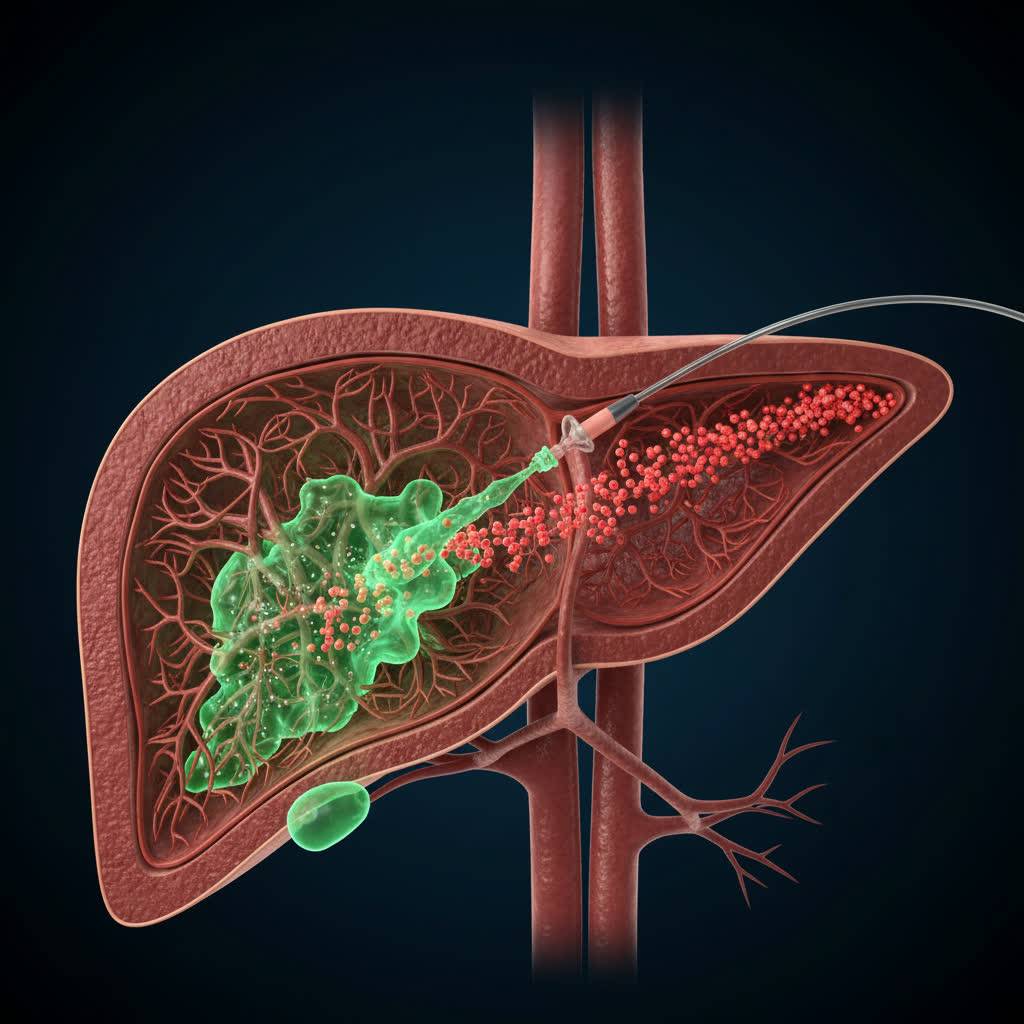





Fatty liver disease is one of the most common liver conditions worldwide, a silent condition that often develops without clear symptoms in its early stages, making early diagnosis both a challenge and an opportunity. The accumulation of fat in liver cells may seem simple, but it can be the beginning of a long path of serious complications if neglected, including hepatitis, fibrosis, and even liver cancer. Therefore, understanding this condition, knowing how to get a fatty liver test, and moving towards treatment early on is the cornerstone of maintaining the health of this vital organ and avoiding severe consequences.
In this comprehensive guide, we will highlight everything you need to know about fatty liver diagnosis. We will detail the causes and symptoms of the disease and review the latest available diagnostic methods, from simple blood tests to advanced imaging scans. We will also provide practical tips on fatty liver treatment and prevention through lifestyle changes. At Safemedigo, we believe that health awareness is the first line of defense, and our goal is to empower you with the knowledge needed to protect your health and take proactive steps towards wellness.
What Is Fatty Liver Disease
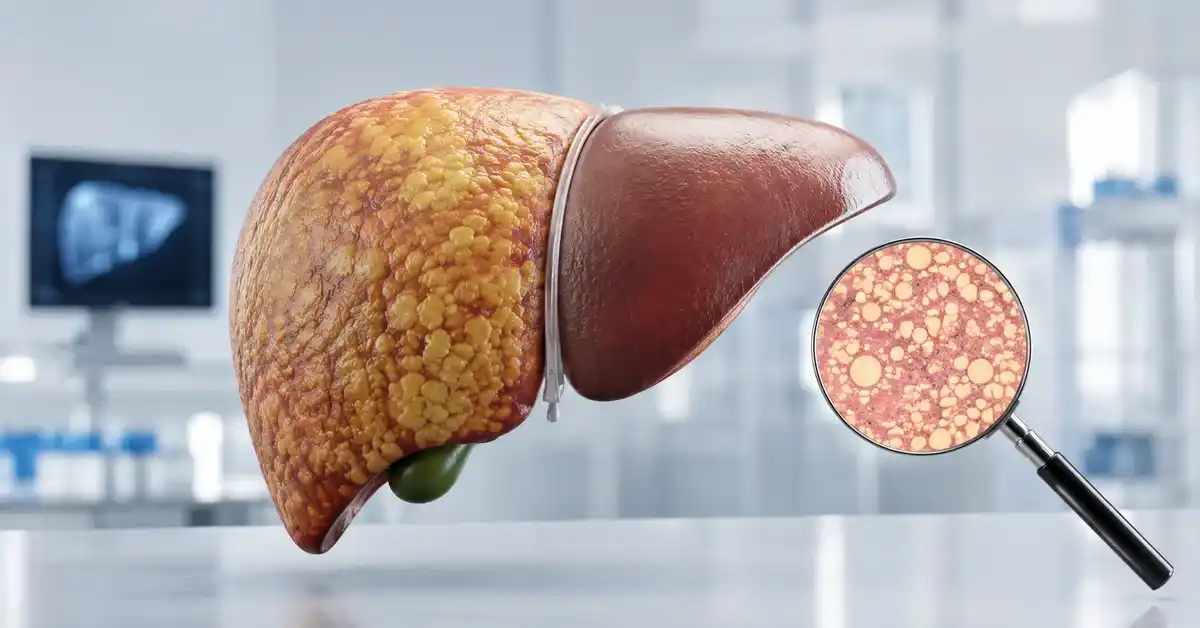
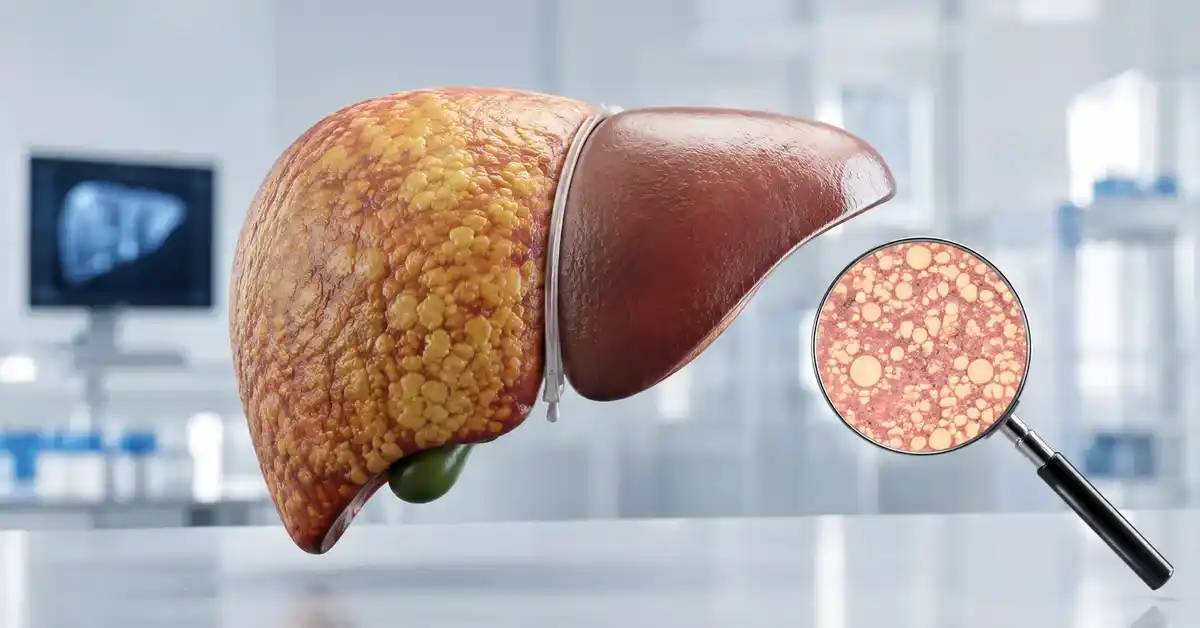
Liver fat accumulation explained
Fatty liver disease, or hepatic steatosis, is a medical condition characterized by the excessive accumulation of fats (triglycerides) inside liver cells. It is normal for the liver to contain a small amount of fat, but when the fat percentage exceeds 5-10% of the liver's weight, it is considered a pathological condition. This liver fat accumulation can lead to inflammation and damage to liver cells over time, paving the way for more serious health problems.
Non alcoholic fatty liver
Non alcoholic fatty liver disease (NAFLD) is the term used to describe a range of conditions characterized by fat in the liver of people who do not consume large amounts of alcohol. It is the most common type of chronic liver disease worldwide. The spectrum of this disease ranges from simple fatty liver (just fat accumulation) to non-alcoholic steatohepatitis (NASH), a more serious form that involves inflammation and liver cell damage.
Stages of fatty liver
The stages of fatty liver are usually classified based on the severity of fat accumulation and the extent of associated damage. They can be broadly divided into:
- Grade 1 (Mild): Simple fat accumulation without significant inflammation or fibrosis.
- Grade 2 (Moderate): Moderate fat accumulation with the possibility of mild inflammation.
- Grade 3 (Severe): Large accumulation of fat with clear inflammation, and fibrosis (liver scarring) may begin at this stage.
- Cirrhosis: The advanced stage where severe and permanent scarring of the liver occurs, significantly affecting its function.
Causes of Fatty Liver Disease
Causes of fatty liver
The causes of fatty liver are numerous but are primarily linked to metabolic syndrome. Key causes and risk factors include insulin resistance, where the body's cells do not respond effectively to insulin, leading to high blood sugar and increased fat storage in the liver. Other factors include high levels of triglycerides in the blood, high blood pressure, and certain genetic conditions.
Lifestyle and fatty liver
The connection between lifestyle and fatty liver is pivotal. A diet rich in added sugars, saturated and processed fats, combined with a lack of physical activity, directly contributes to the development of the disease. High consumption of sugary drinks and fast food increases the burden on the liver and promotes fat accumulation.
Obesity and insulin resistance
Obesity and type 2 diabetes are among the strongest risk factors for non-alcoholic fatty liver disease. Up to 90% of morbidly obese patients and up to 70% of type 2 diabetes patients have some form of fatty liver. The relationship between these conditions is very close, as the biological mechanisms that cause obesity and insulin resistance also contribute to the accumulation of liver fat.
Read about: Diagnosing Fatty Liver Disease and Modern Treatment Options
Fatty Liver Symptoms
Early fatty liver symptoms
In most cases, fatty liver disease does not cause any noticeable symptoms in its early stages, which is why it is called the "silent disease." If fatty liver symptoms do appear, they are usually vague and non-specific, such as general fatigue, tiredness, or a dull ache or discomfort in the upper right abdomen, where the liver is located.
When fatty liver is dangerous
Many wonder when fatty liver is dangerous. The disease becomes dangerous when it progresses from simple fat accumulation to non-alcoholic steatohepatitis (NASH). NASH is characterized by inflammation and liver cell damage, which can lead to fibrosis (scarring) of the liver. Severe fibrosis can progress to cirrhosis, an irreversible condition that can lead to liver failure or liver cancer.
Fatty liver complications
Advanced fatty liver complications include cirrhosis, which significantly increases the risk of primary liver cancer (HCC) and liver failure, potentially requiring a liver transplant. Additionally, fatty liver disease is associated with an increased risk of cardiovascular disease, which is the leading cause of death in patients with non-alcoholic fatty liver disease.
Fatty Liver Diagnosis Methods
Fatty liver test options
A fatty liver test usually begins with taking the patient's medical history and assessing risk factors such as obesity and diabetes. During a physical exam, the doctor may notice a slightly enlarged liver. However, since symptoms are often absent, the diagnosis relies heavily on laboratory and imaging tests. These are key parts of managing fatty liver disease.
Fatty liver blood test
No single blood test can definitively confirm a fatty liver diagnosis, but a panel of tests can indicate a problem. A fatty liver blood test typically includes liver function tests (ALT and AST), which may be elevated. Blood sugar and lipid levels are also checked. Advanced biomarkers can be used to assess the degree of fibrosis.
Ultrasound fatty liver diagnosis
An ultrasound of fatty liver is the primary and most common imaging procedure. An ultrasound can show increased echogenicity of the liver, indicating fat accumulation. To more accurately determine the degree of fibrosis, newer techniques such as FibroScan (Elastography) can be used. This is a special type of ultrasound that measures liver stiffness, which increases with fibrosis, providing a more precise ultrasound fatty liver diagnosis.

Early Fatty Liver Treatment
Fatty liver treatment options
To date, there is no specifically approved medication for non-alcoholic fatty liver disease. Fatty liver treatment focuses primarily on managing risk factors and modifying lifestyle. The main goal is weight loss, as losing 7-10% of body weight has been shown to significantly reduce liver fat, inflammation, and fibrosis.
Diet for fatty liver
A proper diet for fatty liver is an essential part of treatment. It is advisable to follow a healthy, balanced diet, such as the Mediterranean diet, which focuses on fruits, vegetables, whole grains, lean proteins, and healthy fats (like olive oil and nuts). It is very important to avoid added sugars, sweetened beverages, processed foods, and saturated fats.
Exercise and liver health
Exercise plays a vital role in treating fatty liver, even in the absence of weight loss. At least 150 minutes of moderate-intensity exercise (like brisk walking) or 75 minutes of high-intensity exercise (like running) per week is recommended. Exercise helps improve insulin sensitivity and reduce liver fat.
Fatty Liver Prevention Tips
Fatty liver prevention
Fatty liver prevention is based on the same core principles as its treatment. Maintaining a healthy weight, eating a balanced diet, and exercising regularly are the best ways to reduce the risk of developing the disease. It is also important to control associated medical conditions such as diabetes and high cholesterol.
Healthy lifestyle changes
Adopting healthy lifestyle changes is a comprehensive prevention strategy. This includes not only diet and exercise but also getting enough sleep, managing stress, and avoiding alcohol consumption. These changes not only protect the liver but also promote overall health and reduce the risk of many other chronic diseases.
Regular medical checkups
Regular medical checkups are essential, especially for people with risk factors for fatty liver disease. Periodic checkups can help detect any changes in liver function or fat accumulation early, allowing for intervention before permanent damage occurs. An early fatty liver diagnosis is the key to successful management.
When to See a Doctor
Early fatty liver diagnosis
You should consider visiting a doctor to discuss an early fatty liver diagnosis if you have one or more risk factors, even if you do not have any symptoms. These factors include being overweight or obese, having type 2 diabetes, high cholesterol or triglycerides, high blood pressure, or a family history of liver disease.
Importance of early detection
The importance of early detection lies in its ability to allow for preventive and therapeutic measures at a stage where the condition can be reversed or its progression halted. In the early stages, lifestyle changes alone can significantly reduce liver fat and prevent the development of inflammation and fibrosis. Waiting for symptoms to appear may mean the disease has already reached an advanced stage.
Reducing long-term risks
Visiting a doctor and undergoing the necessary tests is the first step toward reducing the risk of serious long-term risks. The doctor can assess your condition, order the appropriate tests, and develop a personalized management plan for you. Working with a specialized medical team ensures you receive the best possible care and helps you protect your liver health in the long run.
Read about: Liver Removal Laparoscopy: Turkey vs USA
Conclusion
In conclusion, fatty liver disease is a growing health challenge, but it is not an inevitable sentence. The key to dealing with this disease lies in awareness, early diagnosis, and decisive action. By understanding the risk factors, recognizing the subtle symptoms, and committing to a healthy lifestyle, you can protect your liver from damage and live a healthier life. Remember that simple changes in your diet and physical activity can make a huge difference. At Safemedigo, we are committed to supporting you every step of the way. Are you ready to take control of your liver health? Contact the expert team at Safemedigo today via WhatsApp for a comprehensive consultation and to start your journey toward wellness.
Frequently Asked Questions: Fatty Liver Diagnosis
Can fatty liver disease be cured?
Yes, in its early stages (simple fatty liver), the condition can be completely reversed through lifestyle changes such as weight loss, a healthy diet, and exercise. Even in more advanced stages like steatohepatitis, these changes can halt the progression of the disease and reduce inflammation and fibrosis.
What foods should be avoided for fatty liver?
Foods high in added sugars (like sodas and sweets), refined carbohydrates (like white bread and pasta), saturated and trans fats (found in fried foods and fast food), and processed meats should be avoided.
How long does it take to treat fatty liver?
There is no fixed timeline, as it depends on the individual's commitment to lifestyle changes and the initial degree of the disease. Some people may see an improvement in liver enzymes and fat levels within a few months of consistent changes.
Is coffee good for a fatty liver?
Many studies suggest that drinking coffee (without sugar or cream) may be beneficial for liver health. Coffee is thought to reduce the risk of fibrosis progression in people with chronic liver diseases, including fatty liver.
Can thin people get fatty liver disease?
Yes, although obesity is the main risk factor, people of normal weight can also develop non-alcoholic fatty liver disease. This may be due to genetic factors, an unhealthy diet, or the presence of visceral fat (unseen fat around the organs).