





In recent decades, fatty liver disease has emerged as one of the most common liver conditions globally, silently affecting millions. This disease is often linked to modern lifestyles, such as unhealthy diets and lack of physical activity, making it a growing health challenge. Since the symptoms of fatty liver disease may not be apparent in its early stages, understanding its nature and the importance of early diagnosis has become crucial for maintaining liver health and avoiding serious complications.
The real danger lies in the fact that if left untreated, the accumulation of fat in the liver can progress from a simple condition to steatohepatitis (NASH), then to fibrosis, and eventually to cirrhosis or even liver cancer. Fortunately, recent medical advancements have improved diagnostic and treatment methods, offering new hope for patients. The treatment of fatty liver disease is no longer limited to mere observation but now focuses on a comprehensive approach that combines lifestyle changes with advanced medical interventions when needed.
This comprehensive guide aims to shed light on everything related to fatty liver disease, from its definition and causes to accurate diagnostic methods and modern treatment options. At Safemedigo, we believe that knowledge is your first step toward better health. Through this article, you will gain a deep understanding of how to manage this condition effectively, empowering you to make informed decisions about your health and work alongside your doctor to develop a suitable treatment plan.
What is Non-Alcoholic Fatty Liver Disease (NAFLD / NASH)
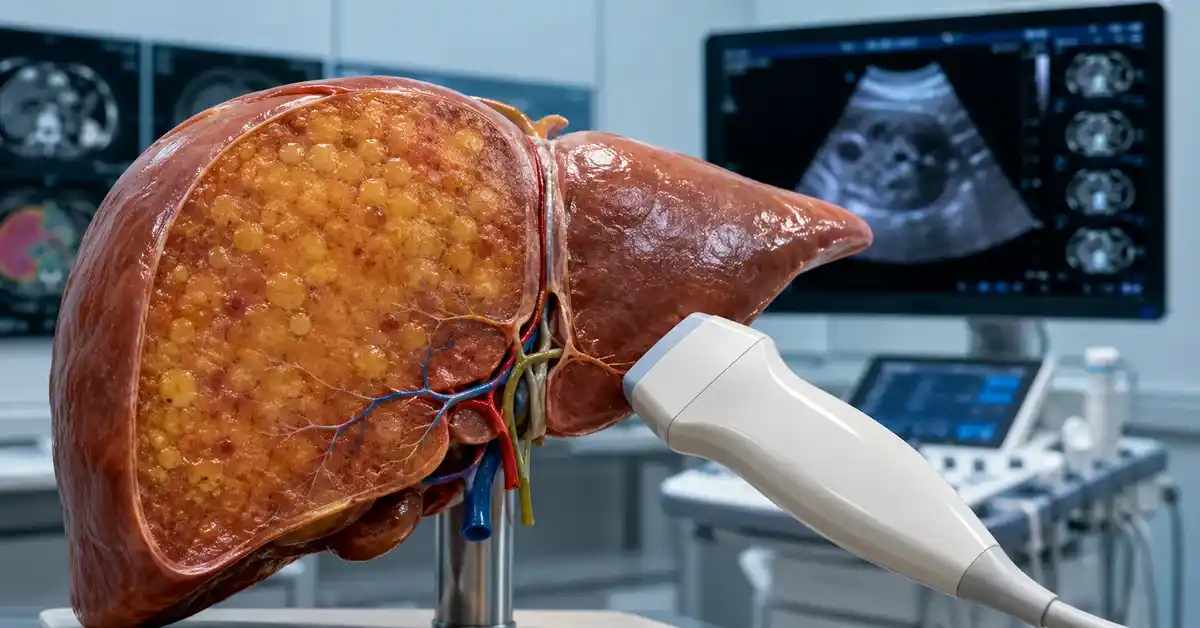
Non-alcoholic fatty liver disease (NAFLD) is a broad term describing the excess accumulation of fat in liver cells. It is normal for the liver to contain a small amount of fat, but when the fat percentage exceeds 5% of the liver's weight, it is considered a medical condition.
Definition of fatty liver disease diagnosis
The diagnosis of fatty liver disease involves a series of steps to confirm the presence of fat in the liver and rule out other causes of liver disease, such as excessive alcohol consumption. Recently, the terminology has been updated to better reflect the condition's link to metabolic dysfunction. NAFLD is now often referred to as Metabolic Dysfunction-Associated Steatotic Liver Disease (MASLD).
Difference between NAFLD and steatohepatitis (NASH)
It is important to distinguish between two main types within NAFLD:
- Simple Fatty Liver (Steatosis): In this stage, there is fat in the liver but with little to no inflammation or liver cell damage. Generally, this stage is not considered serious.
- Non-Alcoholic Steatohepatitis (NASH): Now also known as Metabolic Dysfunction-Associated Steatohepatitis (MASH). In this stage, in addition to excess fat, there is inflammation and liver cell damage. NASH can lead to serious problems such as fibrosis and cirrhosis if not treated.
Common Risk Factors and Symptoms of Fatty Liver Disease
A range of factors increases the risk of developing fatty liver disease, while symptoms may be absent in the early stages.
Risk factors leading to fatty liver disease
Key risk factors include:
- Overweight or obesity: Especially fat accumulated in the abdominal area.
- Insulin resistance: Where the body's cells do not respond properly to insulin, leading to high blood sugar.
- Type 2 diabetes.
- High levels of triglycerides in the blood.
- High blood pressure.
Typical symptoms (or lack thereof) in fatty liver disease
In most cases, fatty liver disease causes no noticeable symptoms. However, when symptoms do appear, they may include:
- Fatigue and general tiredness.
- Pain or discomfort in the upper right abdomen.
In advanced cases that progress to cirrhosis, more serious signs may appear, such as yellowing of the skin and eyes (jaundice), swelling in the legs and abdomen, and easy bruising or bleeding.
Read about: Fatty Liver Diagnosis: Early Tests and Treatment Tips
How to Diagnose Fatty Liver Disease
Since the disease is often silent, it is frequently discovered incidentally during tests for other reasons. The fatty liver disease diagnosis involves several steps.
Blood tests in fatty liver disease diagnosis
Liver function tests are a common first step. Elevated liver enzymes, such as ALT and AST, can indicate inflammation or damage to the liver. However, enzyme levels can be normal even with fatty liver, so these tests alone are not sufficient for diagnosis.
Non-invasive diagnosis of fatty liver: Ultrasound, MRI
Imaging tests are essential to confirm the presence of fat. An ultrasound of the fatty liver is the most common test, as it can show fat accumulation. Other non-invasive diagnosis of fatty liver methods like Magnetic Resonance Imaging (MRI fatty liver) or FibroScan may be used to assess the amount of fat and the degree of liver fibrosis.
Liver biopsy fatty liver — when and why
In some cases, a liver biopsy of the fatty liver may be necessary. The biopsy is considered the gold standard for diagnosis, where a small sample of liver tissue is taken and examined under a microscope. A biopsy can confirm the diagnosis, determine the degree of inflammation and fibrosis, and distinguish between simple fatty liver and NASH.
Read about: Liver Removal Laparoscopy: Turkey vs USA
Understanding Fibrosis and Liver Damage in Fatty Liver Disease
The disease progresses through several stages, and not all patients reach the advanced stages.
Signs of liver fibrosis in NAFLD
As inflammation from steatohepatitis continues, it can lead to the formation of scar tissue, known as fibrosis. Early fibrosis in NAFLD often causes no symptoms but can be detected through specialized imaging tests (like FibroScan) or a liver biopsy. The progression of fibrosis is a key factor in determining the severity of the disease.
The progression is typically as follows:
- Simple Steatosis (Fatty Liver): Fat accumulates in the liver.
- Steatohepatitis (NASH): Fat accumulation is accompanied by inflammation.
- Fibrosis: Persistent inflammation leads to scarring of the liver.
- Cirrhosis: Extensive scarring hardens the liver and impairs its function, which can lead to liver failure.

Modern Treatment Options for Fatty Liver Disease
To date, there is no single universally approved medication for fatty liver treatment. The treatment of fatty liver disease primarily relies on managing risk factors and lifestyle changes.
Lifestyle changes for fatty liver: diet and exercise
This is the cornerstone of fatty liver disease treatment. Recommendations include:
- Adopting a healthy diet: A Mediterranean-style diet, rich in fruits, vegetables, whole grains, and healthy fats, is highly recommended.
- Regular physical activity: At least 150 minutes of moderate-intensity exercise per week is advised.
These lifestyle changes for fatty liver are crucial for success.
Weight loss for fatty liver as a key intervention
Gradual and sustained weight loss is the most effective way to reduce fat, inflammation, and even fibrosis in the liver. Losing 7-10% of body weight can significantly improve liver health.
When to consider medical treatment for NASH/fibrosis
In some advanced cases of NASH with significant fibrosis, doctors may consider certain medications. For example, vitamin E and pioglitazone (a diabetes drug) have shown some benefit in specific patient populations. Numerous clinical trials are underway to develop effective drugs, and new options are expected in the future.
Read about: Laparoscopic Gallbladder Removal: Procedure Recovery
Recommended Diet and Nutrition for Fatty Liver Disease
Diet plays a pivotal role in managing and reversing the disease.
Diet for fatty liver disease — what to include and avoid
A diet for fatty liver disease focuses on:
- Including: Fruits, vegetables, whole grains, lean proteins, and healthy fats (olive oil, avocados, nuts).
- Avoiding: Saturated and trans fats (processed foods, fast food), added sugars (sugary drinks, sweets), and refined carbohydrates (white bread, pasta).
Role of sustained healthy eating and physical activity
Consistency is key. Sustained healthy eating and regular physical activity are not just short-term fixes but long-term commitments to liver health. These habits help maintain a healthy weight, improve insulin sensitivity, and reduce the metabolic stress on the liver.
Read about: Preventive Colonoscopy for Early Detection of Bowel Cancer
Importance of Early Diagnosis and Regular Monitoring
Early detection opens the door for effective intervention and prevents disease progression.
Benefits of early diagnosis of fatty liver disease
The primary benefit of an early diagnosis of fatty liver disease is that it allows for intervention when the condition is still reversible. Lifestyle changes can halt and even reverse fat accumulation and inflammation, preventing the development of irreversible liver fibrosis.
Follow-up and monitoring — blood tests, imaging, fibrosis check
After diagnosis, regular follow-up is essential to assess the body's response to treatment and monitor for any signs of disease progression. This may include periodic blood tests, imaging studies, and fibrosis assessments to ensure the treatment plan is effective and to make adjustments as needed.
Read about: Colonoscopy Screening: Turkey vs Germany
Conclusion
In conclusion, fatty liver disease represents a silent but highly manageable health challenge. Understanding the nature of the disease, recognizing the risk factors, and adopting a proactive approach to diagnosis and treatment are key to maintaining liver health and avoiding serious complications. This condition is no longer seen as just fat accumulation but as part of a broader metabolic disorder that requires comprehensive attention.
The greatest responsibility lies with the patient in adopting fundamental lifestyle changes, such as following a healthy diet and exercising regularly. These changes are not merely recommendations but the cornerstone of fatty liver treatment and prevention. Working closely with a specialized medical team can provide the necessary support and guidance to achieve these goals successfully.
If you are concerned about your liver health or have been diagnosed with fatty liver disease, do not hesitate to take the next step. Contact the expert team at Safemedigo today via WhatsApp for a personalized consultation and a treatment plan tailored to your needs, and start your journey toward a healthier liver and a better life.
Frequently Asked Questions: Diagnosing Fatty Liver Disease and Modern Treatment Options
Can fatty liver disease be completely cured?
Yes, in its early stages (simple fatty liver), the condition can be completely reversed through lifestyle changes like weight loss and a healthy diet. Even in the steatohepatitis (NASH) stage, inflammation and fat can be significantly reduced.
What foods should be avoided for fatty liver disease?
Foods high in added sugars (like sodas and sweets), refined carbohydrates (white bread), and saturated and trans fats (fast food, fried foods) should be avoided.
Is coffee good for fatty liver?
Many studies suggest that regular consumption of coffee (without sugar or cream) may have a protective effect on the liver, as it can reduce the risk of fibrosis progression in patients with fatty liver disease.
How long does it take to treat fatty liver disease?
There is no fixed timeline, as it depends on the individual's commitment to lifestyle changes and the amount of weight they need to lose. It may take several months to years to see significant improvement in liver tests.
Can thin people get fatty liver disease?
Yes, although obesity is the main risk factor, people of normal weight can develop fatty liver disease, especially if they have other risk factors like insulin resistance or a genetic predisposition.