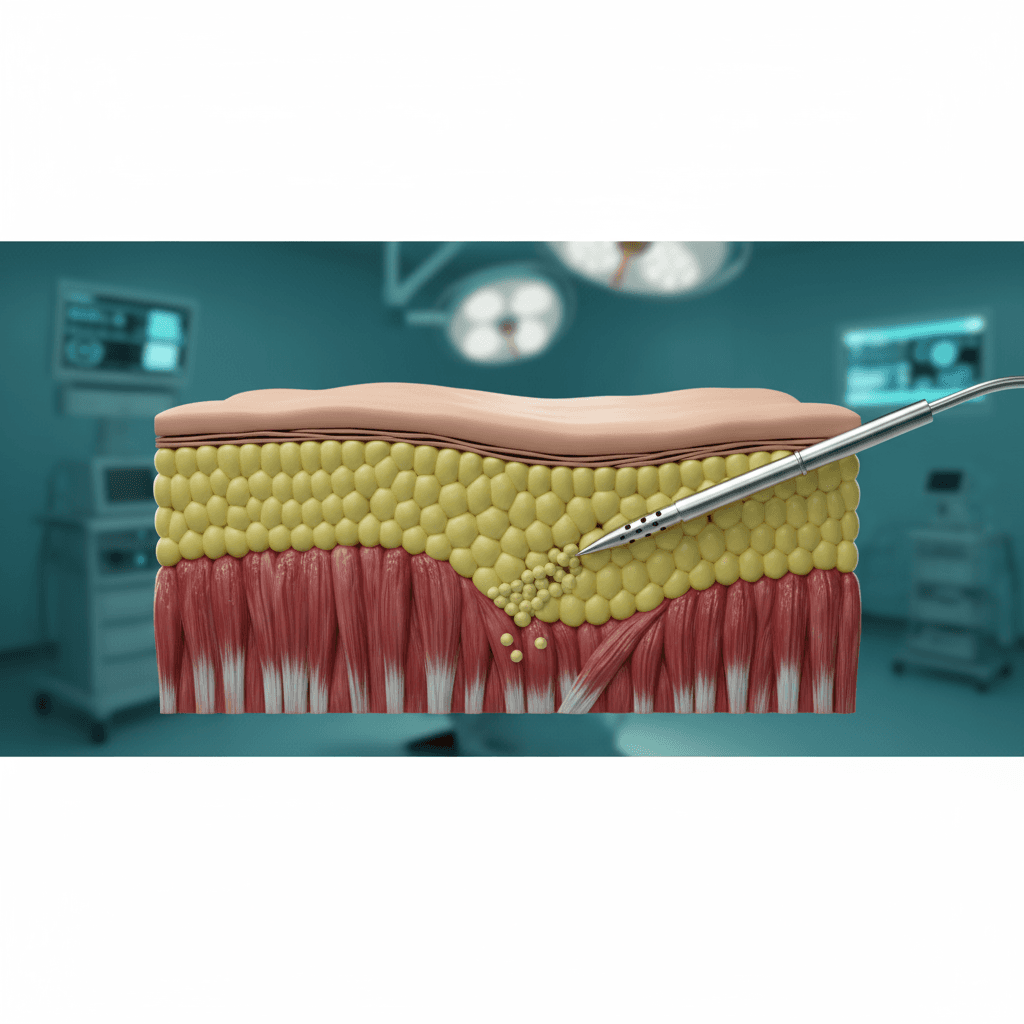





Turkey has firmly established itself as one of the world's leading destinations for cosmetic surgery, with liposuction ranking among the most sought-after procedures by international patients. The combination of highly trained surgeons, internationally accredited hospitals, and competitive pricing makes Turkey an exceptional choice for those seeking body contouring solutions. However, the success of any liposuction procedure extends far beyond the operating room — it is deeply rooted in how well the patient prepares beforehand and how diligently they follow the liposuction turkey recovery plan afterward.
This comprehensive guide brings together all the essential pre and post liposuction tips turkey patients need to know, from choosing the right surgeon and clinic to long-term aftercare strategies. Whether you are in the early planning stages or counting down the days to your procedure, understanding each phase of the journey will empower you to achieve the safest and most satisfying results possible with Safemedigo.
Choosing Your Surgeon Clinic
The foundation of a successful liposuction experience in Turkey begins long before you board your flight. Selecting the right medical team and facility is the single most important decision you will make throughout this entire process.
Liposuction Turkey Surgeon Selection
Liposuction turkey surgeon selection requires careful research and due diligence. Begin by verifying that the surgeon holds board certification in plastic and reconstructive surgery from a recognized Turkish or international medical authority. Review before-and-after photographs of previous patients, paying particular attention to cases that resemble your own body type and target areas. Look for surgeons who specialize specifically in body contouring rather than those who perform liposuction as a secondary offering. Reading verified patient reviews on independent platforms provides valuable insight into the surgeon's communication style, post-operative support, and overall patient experience. A reputable surgeon will always schedule a thorough consultation — either in person or via video call — before confirming your candidacy for the procedure.
Liposuction Turkey Preparation Guide
A reliable liposuction turkey preparation guide begins with the clinic's accreditation status. Ensure the facility holds certification from the Joint Commission International (JCI) or an equivalent recognized body, as this guarantees adherence to global standards of patient safety and care quality. Inquire about the clinic's emergency protocols, intensive care facilities, and the availability of a full medical team during and after your procedure. Understand what is included in the quoted price — reputable clinics typically offer comprehensive packages covering surgical fees, anesthesia, hospital stay, initial follow-up appointments, and sometimes accommodation and airport transfers. Transparency in pricing and clear communication are hallmarks of a trustworthy medical provider.
Read about: Vaser vs Laser Liposuction: Which Technique Is Better?
Pre‑Surgery Preparation Essentials
Thorough pre-surgery preparation is not merely a formality — it is a medical necessity that directly influences the safety of the procedure and the quality of your recovery. Patients who invest time in proper preparation consistently report smoother surgeries and faster healing.
Pre-Liposuction Care Turkey
Pre-liposuction care turkey encompasses a range of medical and lifestyle adjustments that should begin several weeks before your scheduled procedure. Your surgeon will request a comprehensive set of pre-operative tests, typically including a complete blood count, coagulation profile, liver and kidney function tests, and an electrocardiogram for patients over forty. Maintaining a stable weight for at least three months prior to surgery is strongly advised, as significant weight fluctuations can compromise the final aesthetic outcome. Smoking must be completely discontinued at least four weeks before the procedure, since nicotine impairs blood circulation and significantly slows wound healing. Staying well-hydrated and maintaining a nutritious diet in the weeks leading up to surgery helps optimize your body's healing capacity.
Liposuction Turkey Avoid Medications
Understanding which medications to avoid is a critical component of liposuction turkey preparation. Blood-thinning medications and supplements must be discontinued at least two weeks before surgery, as they increase the risk of excessive bleeding during and after the procedure. This category includes aspirin, ibuprofen, naproxen, and other non-steroidal anti-inflammatory drugs (NSAIDs). Certain herbal supplements — including fish oil, vitamin E, garlic, ginkgo biloba, and St. John's Wort — also have blood-thinning properties and should be stopped within the same timeframe. Always provide your surgeon with a complete and honest list of every medication, supplement, and herbal remedy you take, including over-the-counter products, to ensure your safety throughout the surgical process.
Read about: Vaser Liposuction Cost in Turkey Explained 2026
1–2 Days Before Surgery Protocol
The final 48 hours before your liposuction procedure call for specific preparations that set the stage for a smooth surgical experience and an optimal start to your recovery.
Liposuction Turkey Preparation Guide
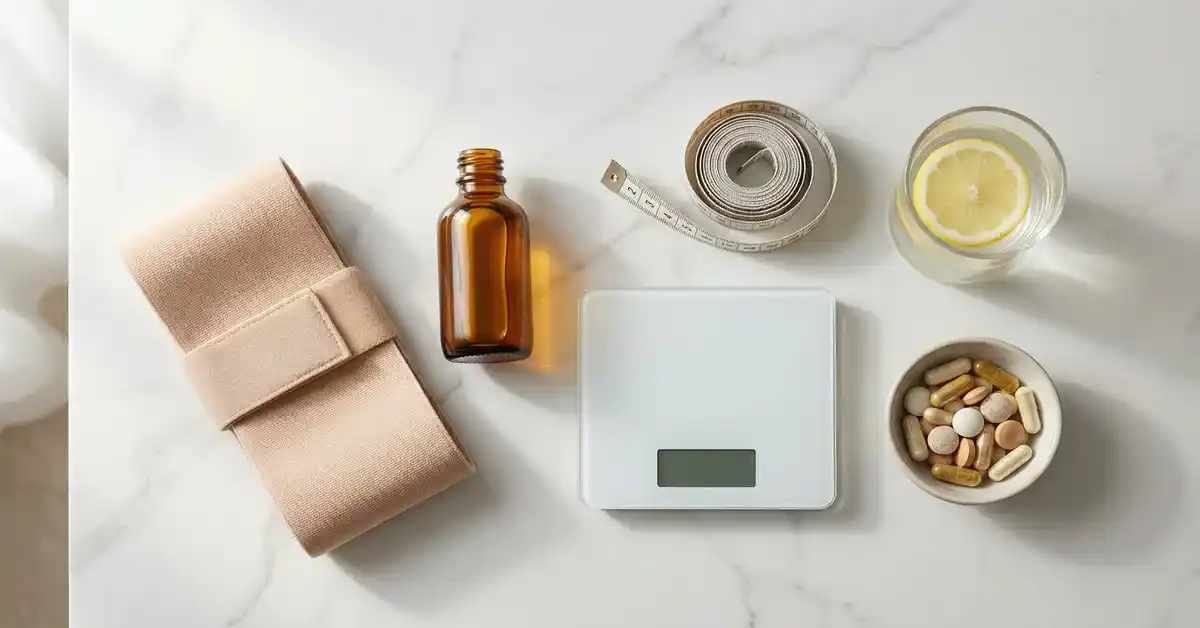
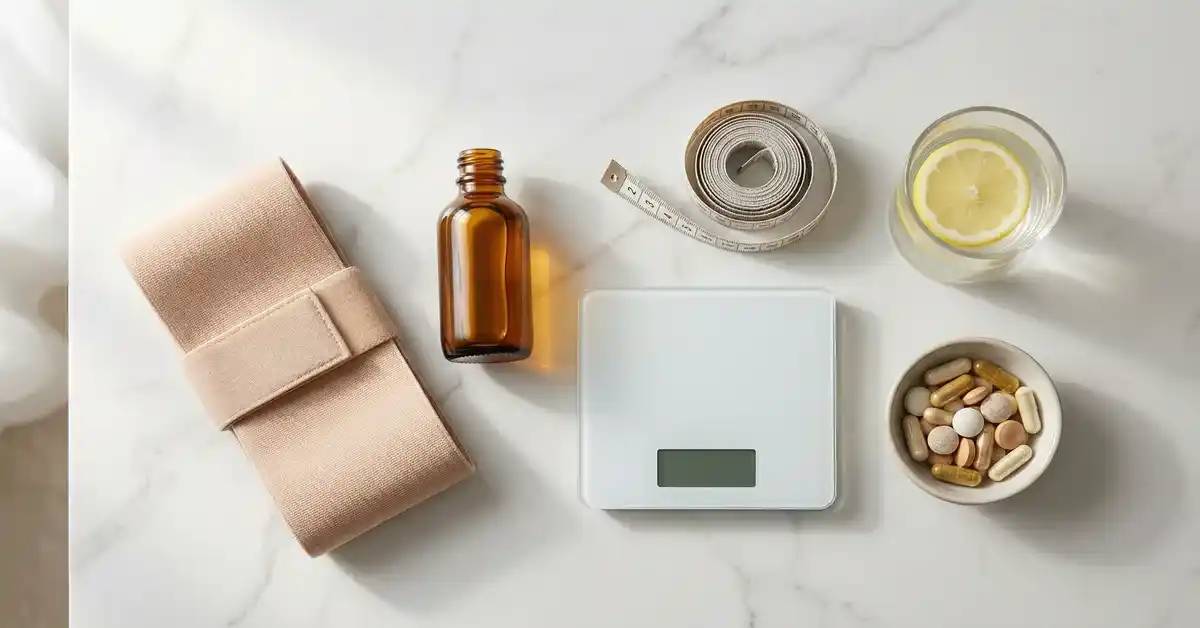
In the one to two days immediately preceding your procedure, follow your surgeon's liposuction turkey preparation guide with precision. If your surgery requires general anesthesia, you will be instructed to fast — abstaining from all food and drink — for a minimum of six to eight hours beforehand. Arrange for a trusted companion to accompany you on the day of surgery, as you will not be permitted to drive or travel alone afterward. Prepare your recovery space at home or in your accommodation in advance: have loose, comfortable clothing ready, stock up on easy-to-digest foods, and ensure your compression garment is accessible. Avoid strenuous physical activity in the three days leading up to surgery, and prioritize rest and quality sleep the night before.
Liposuction Turkey Hydration Diet
Proper liposuction turkey hydration diet in the days before surgery plays a meaningful role in your body's readiness for the procedure. Drink at least eight to ten glasses of water daily to ensure optimal hydration, which supports circulation and tissue health. Focus on consuming whole, nutrient-dense foods — lean proteins, fresh vegetables, fruits, and whole grains — while avoiding high-sodium foods that can cause pre-operative water retention and swelling. Eliminate alcohol entirely for at least one week before surgery, as it dehydrates the body, interferes with anesthesia, and impairs healing. Avoid introducing any new foods or supplements in the days immediately before surgery to minimize the risk of digestive upset or unexpected reactions.

What Happens During Surgery
Understanding the surgical process helps reduce pre-operative anxiety and allows you to approach the experience with realistic expectations and a calm, informed mindset.
Liposuction Turkey Tips
Among the most practical liposuction turkey tips for the day of surgery: arrive at the clinic on time and well-rested, wearing loose and comfortable clothing that is easy to remove and put back on over a compression garment. Leave all jewelry and valuables at your accommodation. Inform the anesthesiologist of any previous reactions to anesthesia or medications. Turkey's leading clinics utilize advanced liposuction technologies including VASER ultrasound-assisted liposuction, laser-assisted liposuction, and power-assisted liposuction — each offering distinct advantages in terms of precision, skin tightening, and recovery time. Your surgeon will have selected the most appropriate technique for your specific anatomy and goals during the pre-operative consultation.
Turkey Liposuction Aftercare
Turkey liposuction aftercare begins the moment your procedure concludes. Immediately after surgery, you will be moved to a recovery room where the medical team monitors your vital signs, manages initial discomfort with prescribed pain relief, and ensures you are stable before transfer to your hospital room or discharge. Small drainage tubes may be placed at the incision sites to prevent fluid accumulation. Your compression garment will be fitted before you leave the operating area. The nursing team will provide detailed written instructions covering wound care, medication schedules, activity restrictions, and warning signs that require immediate medical attention. Do not hesitate to ask questions before leaving the facility — clarity at this stage prevents complications later.
Read about: Laser vs Vaser Liposuction: Which Is Safer
Immediate Post‑Op First Week
The first week following liposuction is the most physically demanding phase of the recovery process. Managing expectations and following medical instructions meticulously during this period lays the groundwork for excellent long-term results.
Post Liposuction Recovery Turkey
Post liposuction recovery turkey in the first week is characterized by swelling, bruising, and general fatigue — all of which are entirely normal and expected responses to the surgical trauma. Swelling typically peaks between days three and five before beginning to gradually subside. Bruising follows a similar timeline, transitioning through various colors before fading completely over two to three weeks. Mild to moderate discomfort is manageable with the prescribed pain medication and should not be severe. Light walking is encouraged from the first day to stimulate circulation and reduce the risk of blood clot formation. Avoid prolonged sitting or lying in a single position, and sleep in a slightly elevated position to help manage swelling. Contact your medical team immediately if you experience fever above 38.5°C, increasing rather than decreasing pain, or signs of infection at the incision sites.
Liposuction Turkey Compression Garments
Wearing liposuction turkey compression garments consistently is one of the most impactful actions you can take to optimize your recovery and results. The compression garment serves multiple critical functions: it minimizes post-operative swelling by preventing fluid accumulation, supports the skin as it adheres to the underlying tissue contours, reduces the risk of seroma formation, and provides comfort by stabilizing the treated areas. For the first four weeks, the garment should be worn around the clock, removing it only for showering. From weeks five through eight, wearing it during daytime hours is typically sufficient. Choose a garment that fits snugly but does not create painful pressure points or restrict breathing. Your surgeon or clinic will recommend or provide an appropriate garment before your discharge.
Read about: Top Modern Non-Surgical Liposuction Techniques
Nutrition Hydration in Recovery
What you eat and drink during your recovery period has a profound effect on how quickly and effectively your body heals. A thoughtful approach to nutrition can meaningfully accelerate the recovery process and enhance your final results.
Liposuction Turkey Hydration Diet
Maintaining proper liposuction turkey hydration diet throughout recovery is essential for flushing out metabolic waste, reducing swelling, and supporting tissue repair. Aim to drink a minimum of two to three liters of water daily. Herbal teas such as chamomile and ginger can provide anti-inflammatory benefits and contribute to your fluid intake. Avoid caffeinated beverages in excess, as caffeine can contribute to dehydration. Coconut water is an excellent natural source of electrolytes that supports hydration and energy levels during recovery. Alcohol must be avoided entirely for at least four weeks post-surgery, as it dilates blood vessels, increases swelling, and interferes with the healing process at a cellular level.
Liposuction Turkey Nutrition Aftercare
Liposuction turkey nutrition aftercare should prioritize foods that actively support healing and minimize inflammation. Lean proteins — chicken, fish, eggs, legumes, and low-fat dairy — are the building blocks of tissue repair and should feature prominently in every meal. Anti-inflammatory foods including turmeric, ginger, berries, leafy greens, and olive oil help reduce post-operative swelling and support immune function. Vitamin C-rich foods such as citrus fruits, bell peppers, and kiwi promote collagen synthesis, which is essential for skin healing and elasticity. Minimize sodium intake to prevent fluid retention and reduce swelling. Avoid processed foods, fast food, and high-sugar items, which promote inflammation and can compromise healing. Small, frequent meals are easier on the digestive system, which may be temporarily sluggish due to anesthesia and pain medications.
Read about: Liposuction Costs: Turkey vs. the USA
Movement Activity Schedule
A structured and progressive return to physical activity is essential for a safe and complete recovery. Rushing this process can lead to complications, while excessive inactivity can slow healing and increase the risk of blood clots.
Liposuction Turkey Exercise Post Surgery
The timeline for liposuction turkey exercise post surgery follows a carefully graduated progression. During the first week, gentle walking — even just short distances around your accommodation — is the only recommended activity, and it serves the vital purpose of maintaining circulation. In weeks two and three, walking distances can be gradually extended, and light stretching and breathing exercises may be introduced. By weeks four to six, with your surgeon's explicit approval, low-impact activities such as swimming, stationary cycling, and light yoga may be resumed. High-impact exercises, heavy lifting, and vigorous cardio should not be reintroduced until at least six weeks post-surgery, and only after receiving clearance from your surgical team. Pushing too hard too soon risks reopening incisions, increasing swelling, and disrupting the skin's adherence to the underlying tissue.
Liposuction Turkey Recovery Plan
A comprehensive liposuction turkey recovery plan extends well beyond the first week and should be viewed as a three-to-six-month commitment. Schedule and attend all follow-up appointments with your Turkish surgical team before departing the country — typically on days one, three, and seven post-surgery. After returning home, maintain communication with the clinic via video consultations for ongoing monitoring. Keep all medical records, surgical reports, and post-operative photographs organized and accessible for your local physician. Attend any recommended lymphatic drainage massage sessions, which are highly effective at reducing swelling and improving skin texture in the treated areas. Commit to maintaining a healthy lifestyle — balanced nutrition and regular appropriate exercise — to preserve your results long-term.
Read about: Laser vs Vaser: Turkey vs Germany Comparison
Long‑Term Aftercare Monitoring
The visible results of liposuction continue to evolve for months after the procedure. Consistent long-term aftercare ensures that your investment in the surgery translates into lasting, satisfying outcomes.
Turkey Liposuction Aftercare
Long-term turkey liposuction aftercare involves both physical care and lifestyle maintenance. Protect the treated areas from direct sun exposure for at least six months, as the skin is more sensitive during healing and prolonged UV exposure can cause hyperpigmentation. Apply SPF 50 sunscreen whenever the treated areas are exposed. Moisturize the skin regularly with a hydrating lotion or oil to support elasticity and reduce the appearance of any surface irregularities. Attend scheduled follow-up appointments and report any concerns — such as persistent firmness, unusual contour irregularities, or prolonged numbness — to your medical team promptly. These issues are often easily addressed when identified early.
Liposuction Turkey Recovery Tips
Among the most valuable liposuction turkey recovery tips for the long term: maintain a stable body weight, as significant weight gain after the procedure can cause remaining fat cells in untreated areas to expand, altering the results. Incorporate regular physical activity into your lifestyle — not only to maintain your results but to support overall cardiovascular and metabolic health. Attend any recommended scar management appointments, and consider silicone gel or sheets if the incision sites show signs of hypertrophic scarring. Stay connected with your surgical team and do not hesitate to reach out with questions or concerns at any point during your recovery journey.
Read about: Liposuction for Men Over 40: Safe Tips and Techniques
Common Concerns
Patients frequently have questions and concerns that arise before and after their liposuction procedure. Addressing these proactively helps reduce anxiety and supports a more confident recovery experience.
Pre- and Post-Liposuction Tips, Turkey
Among the most common pre and post liposuction tips turkey patients should internalize: do not compare your recovery timeline to others, as healing rates vary significantly based on individual health, the extent of the procedure, and adherence to aftercare instructions. Swelling can be unpredictable — some areas may appear to swell more than others, and asymmetry during recovery is normal and temporary. Emotional fluctuations are also common in the weeks following surgery; this is a normal response to the physical stress of the procedure and the patience required during the healing process. Building a strong support network of family or friends who understand your recovery needs can make a meaningful difference in your overall experience.
Liposuction Turkey Tips
The most impactful liposuction turkey tips can be summarized as follows: choose your surgeon and clinic based on credentials and verified patient outcomes, not solely on price. Prepare your body and mind thoroughly in the weeks before surgery. Follow every post-operative instruction with discipline and consistency. Wear your compression garment as directed. Nourish your body with healing foods and adequate hydration. Return to activity gradually and patiently. Maintain open communication with your medical team throughout the entire process. And finally, protect your results through a sustainable, healthy lifestyle. These principles, applied consistently, are the true determinants of a successful liposuction outcome.
Read about: Male Liposuction: Benefits and Latest Fat Removal Techniques
Conclusion
Liposuction in Turkey offers a compelling combination of surgical excellence, advanced technology, and accessible pricing that has made it a preferred destination for patients worldwide. Yet the true measure of a successful outcome lies not in the surgery itself, but in the quality of preparation that precedes it and the dedication to aftercare that follows. From meticulous liposuction turkey preparation guide adherence to consistent post liposuction recovery turkey practices, every step in this journey contributes to the final result.
FAQ: Essential Pre and Post-Care Tips for Liposuction in Turkey
How long should I stay in Turkey after liposuction before flying home?
Most surgeons recommend remaining in Turkey for a minimum of seven days after your liposuction procedure before taking a long-haul flight. This allows time for the initial post-operative monitoring, removal of any drainage tubes, and the first follow-up appointments. Extended flights carry an elevated risk of deep vein thrombosis (DVT) in the early post-operative period. If your flight is unavoidable sooner, discuss this with your surgeon, wear compression stockings, move regularly during the flight, and stay well-hydrated throughout the journey.
When will I see the final results of my liposuction?
While initial improvements become visible as swelling subsides — typically around weeks three to four — the final results of liposuction are not fully apparent until three to six months after the procedure. During this period, residual swelling continues to resolve, the skin gradually adapts to its new contours, and any surface irregularities smooth out. Patience is essential; avoid judging your results prematurely. Maintaining a stable weight and following your recovery plan consistently will ensure the best possible long-term outcome.
Can fat return to the treated areas after liposuction?
The fat cells removed during liposuction are permanently eliminated and cannot regenerate. However, if significant weight is gained after the procedure, the remaining fat cells in both treated and untreated areas can expand, potentially altering the results. Maintaining a stable body weight through a balanced diet and regular physical activity is therefore essential for preserving the long-term benefits of your liposuction procedure. Turkey's leading surgeons consistently emphasize lifestyle maintenance as a cornerstone of lasting results.
Is lymphatic drainage massage necessary after liposuction?
While not strictly mandatory, lymphatic drainage massage is highly recommended by most plastic surgeons following liposuction. This specialized massage technique stimulates the lymphatic system to remove excess fluid from the treated areas, significantly reducing swelling and the risk of seroma formation. It also improves skin texture and helps the skin adhere smoothly to the underlying tissue. Most surgeons recommend beginning lymphatic drainage sessions within the first week post-surgery and continuing for four to eight weeks. Many Turkish clinics include a series of these sessions as part of their post-operative care packages.
What are the warning signs that require immediate medical attention after liposuction?
While most post-liposuction symptoms are expected and manageable, certain signs require prompt medical evaluation. Seek immediate care if you experience a fever above 38.5°C, increasing rather than decreasing pain after the first few days, significant redness, warmth, or discharge at the incision sites, sudden swelling in one leg (which may indicate DVT), shortness of breath or chest pain, or any other symptom that feels abnormal or causes concern. Your surgical team's contact information should be kept readily accessible throughout your recovery period, and do not hesitate to reach out — early intervention prevents minor issues from becoming serious complications.