









In today's fast-paced world, women's priorities are constantly evolving, with career and personal goals taking center stage in future planning. In this context, egg freezing emerges as a revolutionary technology that empowers women to take control of their reproductive future. Fertility preservation is no longer just a medical procedure; it has become a powerful tool of empowerment, allowing women to postpone motherhood without the anxiety of declining egg quality with age. It is a proactive decision that provides peace of mind and the freedom to choose the right time to start a family.
This guide aims to demystify the egg freezing process, offering a clear overview of the steps, benefits, and costs. At Safemedigo, we understand the significance of this life-changing decision and are committed to providing you with all the necessary information to make an informed choice. We will explore how this advanced technology can give you broader options for your future, keeping the dream of motherhood alive and secure until the perfect time arrives.
Egg Freezing
Oocyte Cryopreservation
Oocyte cryopreservation, the technical term for egg freezing, is a process in which a woman's eggs (oocytes) are retrieved from her ovaries, frozen unfertilized, and stored for future use. This technology allows a woman to preserve her fertility, giving her a better chance of pregnancy later in life when her natural egg supply may have diminished in quantity or quality.
Fertility Preservation for Women
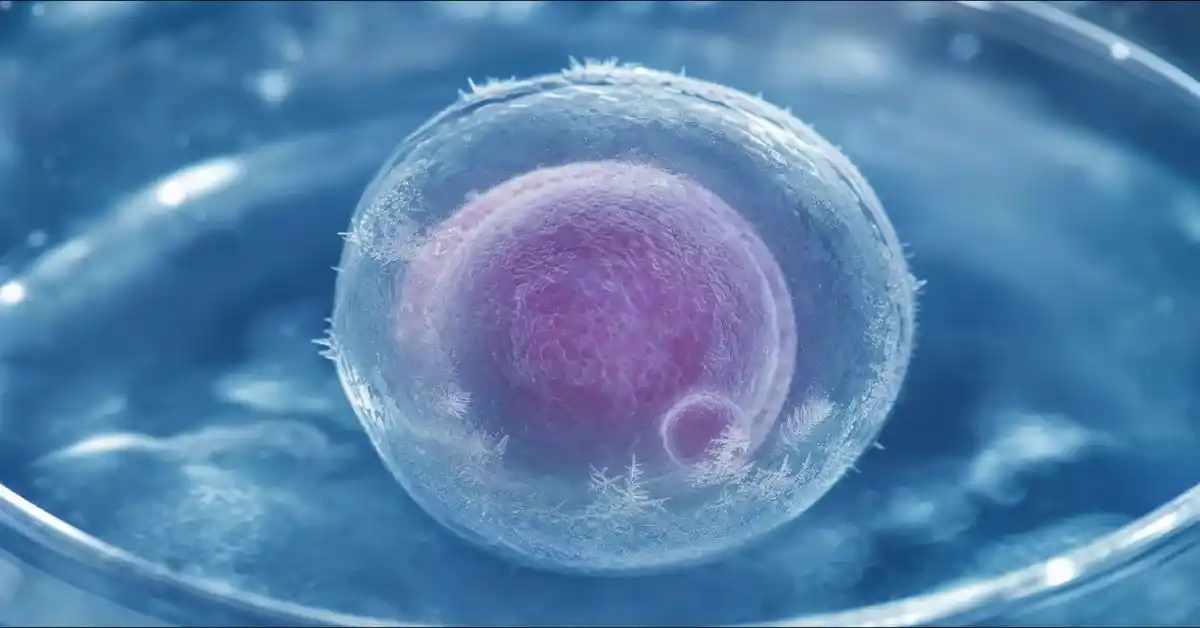
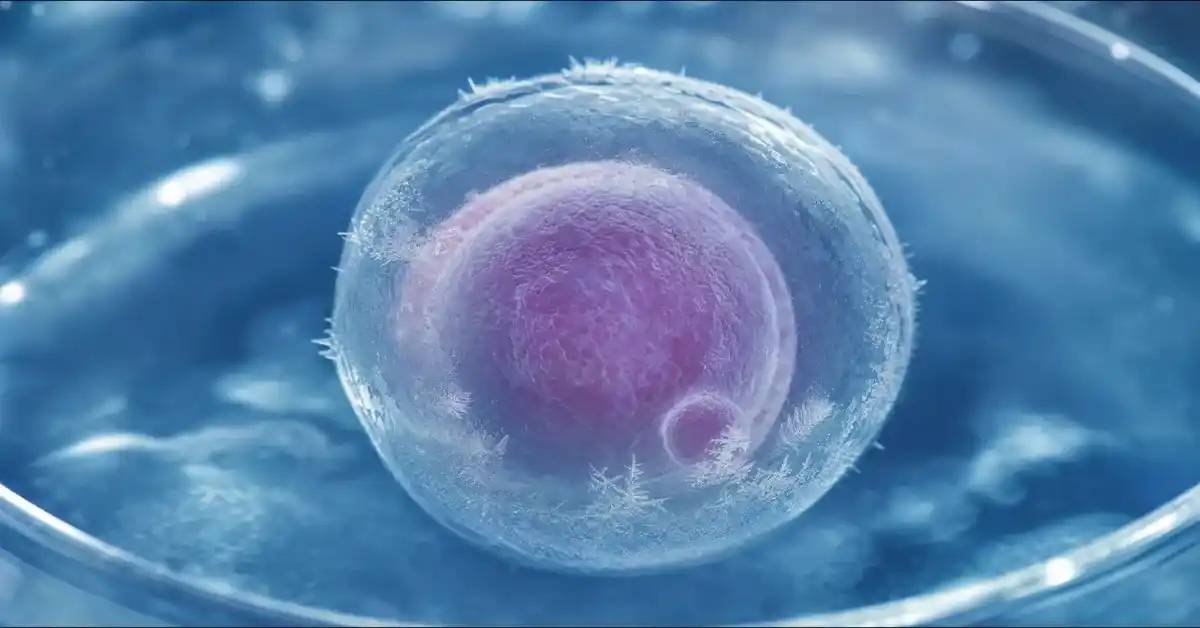
The primary goal of fertility preservation for women is to stop their biological clock. Eggs are frozen using a technique called vitrification, an ultra-rapid cooling process that prevents the formation of ice crystals, which could damage the egg. Once frozen, eggs can be stored for many years without their quality degrading, remaining at the same quality as the day they were frozen.
Read about: IVF After 50: Pregnancy Chances and Important Advice
Women's Fertility Preservation
Women's fertility preservation is a strategic option for a variety of reasons. Women may choose to freeze their eggs for social reasons, such as focusing on education or career, or not having found the right partner. It is also a vital option for women facing medical treatments that could compromise their fertility, such as chemotherapy for cancer.

Egg Freezing Steps
Egg Freezing Process
The egg freezing process involves several key stages:
- Ovarian Stimulation: The woman receives hormonal medications (usually via self-injection) for about 10-12 days to stimulate the ovaries to produce multiple mature eggs in one cycle, instead of the usual one.
- Monitoring: The response of the ovaries is monitored regularly through ultrasound scans and blood tests.
- Egg Retrieval: When the eggs reach the appropriate size, the egg retrieval procedure is performed under sedation. A fine needle is guided through the vagina to retrieve the eggs from the ovaries. The procedure takes about 15-20 minutes.
- Freezing: The mature eggs are evaluated in the lab and then frozen using the vitrification technique.
Read about: IVF Success Rates by Age: What You Need to Understand
Egg Freezing Techniques
Vitrification is the latest and most effective of the egg freezing techniques. Unlike older slow-freezing methods, vitrification flash-freezes the eggs to -196°C, turning them into a glass-like state. This prevents the formation of damaging ice crystals and significantly increases the survival rates of eggs after thawing.
When to Freeze Eggs
Many wonder when to freeze eggs. The procedure can be done at any time a woman is in good health and has an adequate ovarian reserve. However, it is generally recommended to do it at a younger age for the best results, as the quality and quantity of eggs are at their peak.
Read about: Modern Egg Freezing Techniques: A Smart Choice to Preserve Fertility
Best Age for Egg Freezing
Best Age for Egg Freezing
The best age for egg freezing is in the late 20s and early 30s. During this period, a woman's fertility is at its peak, meaning a larger number of high-quality eggs can be collected in a single cycle. This increases the chances of success in the future. Although eggs can be frozen in the late 30s, it may require more stimulation cycles to obtain a sufficient number of eggs.
Egg Freezing Before Marriage
Egg freezing before marriage has become an increasingly popular option for women who want to secure their future motherhood options. This decision gives women the freedom to focus on their personal and professional goals without the pressure of the biological clock. It is an investment in the future that ensures the dream of starting a family is not compromised.
Benefits of Egg Freezing
The benefits of egg freezing are numerous, the most important of which are:
- Preserving Fertility: It stops the effect of aging on egg quality.
- Peace of Mind: It reduces the anxiety and pressure associated with fertility and time.
- Increased Options: It gives women greater flexibility in planning their personal and professional lives.
- Better Chance of Pregnancy: Using younger eggs increases the chances of successful IVF in the future.
Read about: Egg Freezing for Single Women: Future Pregnancy Options
Egg Freezing Results
Egg Freezing Success Rate
The egg freezing success rate depends heavily on the woman's age at the time of freezing and the number of eggs frozen. In general, the younger the woman, the higher her chance of a successful pregnancy. Studies show that the survival rate of eggs after thawing using vitrification exceeds 90%, and pregnancy rates per thawed egg are comparable to those of fresh eggs.
Pregnancy After Egg Freezing
When a woman decides to use her frozen eggs, they are thawed in the laboratory and fertilized with sperm from a partner or donor to create embryos. The best embryos are then transferred to the woman's uterus. The chances of pregnancy after egg freezing depend on the quality of the eggs at the time of freezing and the quality of the resulting embryos.
Egg Freezing Risks
The egg freezing process is generally considered safe, but it is not without some potential risks. Egg freezing risks may include the body's response to fertility drugs, such as Ovarian Hyperstimulation Syndrome (OHSS), which is rare with modern protocols. The egg retrieval procedure also carries slight risks such as bleeding or infection. It is important to discuss all risks with your doctor.
Read about: Egg Freezing Before Chemotherapy: Safe Fertility Option
Egg Freezing Cost
Egg Freezing Cost
The egg freezing cost varies significantly between countries and clinics. The cost typically includes consultations, hormonal medications, the egg retrieval procedure, and the freezing process itself. Additionally, there are annual storage fees.
Egg Freezing Clinics
When choosing a center for the procedure, it is important to look for the best egg freezing clinics with a good reputation and extensive experience. The clinic should have an advanced laboratory that uses the latest technology, and a specialized medical team that can provide personalized care and continuous support throughout the process.
Egg Freezing in Turkey
Turkey has become a leading destination for fertility treatments, including egg freezing. Fertility clinics in Turkey offer high-quality services using the latest technologies at competitive prices compared to many Western countries. Egg freezing in Turkey combines excellent medical expertise with affordable costs.
Read about: ICSI Cost in Turkey 2026: Main Factors Affecting Fertility Treatment Pricing
Elective Egg Freezing
Elective Egg Freezing
Elective egg freezing represents an investment in one's future. It grants control over the reproductive timeline, allowing for career and personal life decisions without feeling that time is running out. It is an empowering choice that enhances a woman's autonomy.
Fertility Preservation for Women
Fertility preservation for women is particularly relevant in the modern era. With the average age of marriage and first-time motherhood on the rise, egg freezing provides a safety net, ensuring that the option of having a biological child remains available in the future.
Egg Freezing Steps
Clearly understanding the egg freezing steps helps to reduce any anxiety associated with the process. The journey begins with consultation and evaluation, followed by the stimulation and monitoring phase, then the egg retrieval procedure, and finally, freezing and storage. Each step is designed to ensure the best possible outcome.
Read about: Egg Freezing Steps: Turkey vs Germany
Advanced Egg Freezing Options
Egg Freezing Techniques
Egg freezing techniques continue to evolve. Vitrification is the current standard, but research is ongoing to improve protocols and increase success rates. Leading clinics ensure they stay up-to-date with these advancements to provide the best possible care for their patients.
Oocyte Cryopreservation
Oocyte cryopreservation has been refined to be more comfortable and efficient for the patient. Medication protocols have become more personalized to minimize side effects, and the retrieval procedure itself is quick and minimally invasive, allowing women to return to their normal routine quickly.
Egg Freezing Process
The decision to undergo the egg freezing process is a deeply personal one. It is about investing in your future and securing your options. With the advanced technologies available today, egg freezing has become a safe, effective, and more accessible option than ever before.
Read about: ICSI Success Rates After 40: Everything You Should Know
Conclusion
Ultimately, egg freezing represents a remarkable intersection of advanced science and personal empowerment. It offers modern women an invaluable tool to manage their reproductive journey on their own terms. By preserving their fertility at its peak, women can pursue their professional and personal aspirations with confidence, knowing that the dream of motherhood remains a viable option for the future. It is no longer about choosing between a career and a family, but about having the freedom to have both. Are you ready to take control of your reproductive future? Contact the expert team at Safemedigo via WhatsApp today to discuss how egg freezing can give you the peace of mind you deserve.
Frequently Asked Questions: Egg Freezing: Steps and Best Tips for Women
Is Egg Freezing Painful?
The process involves daily self-injections that may cause minor discomfort. Egg retrieval is performed under anesthesia, so you will not feel any pain during the procedure. After the procedure, some women may experience mild cramping or bloating for a few days.
How Many Eggs Should I Freeze?
The recommended number depends on your age. Generally, women under 35 are advised to freeze 15-20 eggs to have a good chance of one pregnancy in the future. Older women may need to freeze a larger number.
Does Egg Freezing Affect My Natural Fertility?
No. The process collects eggs that your body would naturally discard during that menstrual cycle. This does not affect your remaining egg supply or your chances of natural pregnancy in the future.
How Long Can I Store My Frozen Eggs?
Technically, eggs can be stored indefinitely using vitrification technology without degradation of quality. However, most countries have legal limits on storage duration, so it is important to check local regulations.