






Losing a permanent tooth can be a distressing experience that impacts self-confidence, especially during the sensitive teenage years. With advancements in modern dentistry, dental implants have become the gold standard for replacing missing teeth, offering a durable and lifelike solution. However, the critical question remains: are dental implants for teenagers a safe and effective option? And what is the right age for dental implants in this age group?
The decision to get dental implants for teenagers requires careful consideration, with the most crucial factor being jawbone maturity. At Safemedigo, we believe in providing clear, comprehensive information to help families make informed choices. This article delves into the specifics of teenage dental implants, exploring the conditions, risks, and viability, while offering essential tips to ensure the best possible outcomes for this life-changing procedure.
What Are Dental Implants for Teenagers?
To understand the feasibility of this procedure, it is essential to first define what dental implants are and how the considerations differ when applied to adolescent patients.
Definition of dental implants for teenagers
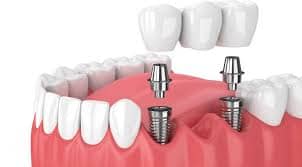
Dental implants for teenagers are a surgical solution designed to permanently replace a missing or damaged tooth. The procedure involves surgically placing an artificial tooth root, typically made of biocompatible titanium, into the jawbone. This implant fuses with the bone in a process called osseointegration. Once fusion is complete, a custom-made crown (artificial tooth) is attached to the implant, which looks, feels, and functions just like a natural tooth. This method is distinct from traditional bridges or partial dentures because it does not rely on adjacent teeth for support, making it a more conservative and stable long-term solution.
Why consider dental implants for teens?
There are several reasons why a teenager might need a tooth replacement, leading families to consider dental implants for teens. Tooth loss can result from a sports injury, an accident, severe decay, or congenital absence (when a permanent tooth fails to develop). Leaving a gap from a missing tooth affects more than just aesthetics and self-esteem; it can lead to functional problems such as difficulty chewing, speech impediments, and shifting of adjacent teeth into the empty space, causing long-term bite and alignment issues. Can teenagers get dental implants? Yes, but the timing is everything.
Read about: Same-Day Dental Implants: Is It Possible?
What Is the Right Age for Dental Implants?
This is the most pivotal question, and the answer is not a single number but is instead tied to the physical development of the individual.
When can teenagers get dental implants?
Generally, it is not recommended to begin the dental implant for age teenager procedure until the jaw has completely stopped growing. The best age for dental implants for teens varies between genders. Girls' jaws typically finish growing around ages 16-17, while boys' jaw growth may continue until ages 18-19 or even into their early twenties. Placing an implant before growth is complete can lead to significant aesthetic and functional problems in the future.
Jaw maturity and teenage dental implant eligibility
Medically, teenage dental implant eligibility is determined by skeletal maturity, not chronological age. Dentists and oral surgeons use a series of diagnostic tools, such as wrist or cervical vertebrae X-rays, alongside serial cephalometric X-rays of the jaw, to confirm that growth has ceased. Even if a teenager is over 18, these assessments are performed to be certain. Therefore, the question of dental implants for teenagers: at what age is answered by individual biological assessment, not by a birthday.
Read about: Non-Surgical Dental Implant Techniques Available in Turkey
How Does Growth Jaw Development Affect Dental Implants for Teens?
Understanding the relationship between growth and dental implants in teenagers is key to the procedure's long-term success.
Growth and dental implants in teenagers
Dental implants rely on osseointegration, where the titanium post fuses directly with the jawbone, becoming a fixed part of it. This process requires sufficient bone density and volume to support the implant. The connection between dental implants and teenagers' bone maturity is critical; without adequate bone, the procedure is likely to fail.
Read about: Front Teeth Dental Implants: Procedure and Recovery Time
Teenage dental implants age and bone maturity
Herein lies the main challenge of placing implants for teens' jaw maturity: once an implant integrates with the bone, it stops moving. In contrast, the surrounding natural teeth and the jaw itself continue to shift and erupt vertically as the adolescent grows. If an implant is placed in a still-growing jaw, it will remain in its original position while the adjacent teeth continue to move. Within a few years, the implant and its crown will appear submerged or shorter than the neighboring teeth, creating an uneven smile and bite problems. This is why the timing of dental implants for teens is so crucial.

Conditions for Dental Implants in Teenagers to Be Successful
To ensure a successful outcome, a strict set of criteria must be met, which the dental team will carefully evaluate.
Conditions for dental implants in teenagers
The most important conditions for dental implants in teenagers include:
• Completed Jaw Growth: This is the non-negotiable, primary condition, confirmed through specialized radiographic analysis.
• Good Oral Health: The gums and surrounding teeth must be free of disease, inflammation, or decay.
• Sufficient Bone Density: There must be enough healthy bone volume at the implant site to support the post.
• Commitment to Oral Hygiene: The teenager must demonstrate the ability and willingness to maintain excellent oral hygiene.
• Good Overall Health: Chronic conditions like uncontrolled diabetes can interfere with healing and implant success.
Read about: How to Choose the Best Dental Implant Center in Turkey
What do dentists check before teenage dental implants?
A dentist will conduct a comprehensive evaluation, including a clinical exam and advanced imaging like panoramic and cone-beam computed tomography (CBCT) scans. These scans assess bone volume and map the location of nerves and sinuses. The dentist will also compare X-rays taken over several months to confirm that there are no changes in jaw dimensions, which verifies the cessation of growth. If you are considering this option, a consultation on dental implants for teenagers is your first step. Are you looking for an expert evaluation for your son or daughter? Contact the Safemedigo team on WhatsApp now for a free, personalized consultation.
Risks and Considerations of Dental Implants for Teenagers
While dental implants are generally a very safe procedure, placing them at a young age carries additional risks that must be considered.
Risks of dental implants for teenagers
The primary risks of dental implants for teenagers are all related to growth. If the procedure is performed too early, the following issues can arise:
• Aesthetic Problems: The implant crown may appear short or “sunken” compared to the adjacent natural teeth.
• Bite (Occlusal) Issues: The implant may not align correctly with the opposing teeth once growth is complete.
• Implant Failure: In rare cases, the continuous pressure from a growing jaw can disrupt osseointegration and lead to implant failure.
Read about: Immediate Laser Dental Implants: Fast and Advanced
Timing of dental implants for teens and potential complications
Beyond the aesthetic concerns, placing an implant before growth is complete can make the area around the implant difficult to clean, increasing the risk of gum inflammation (peri-implant mucositis). In severe cases of malpositioning, the implant may need to be removed and the procedure redone years later, which is a complex and costly undertaking. Therefore, patience and waiting for the right biological moment is the best strategy.
Read about: Laser Dental Surgery: Advanced Techniques with Effective Results
Practical Tips Before Getting Dental Implants for Teenagers
If the teenager is deemed a suitable candidate, proper preparation plays a significant role in the success of the experience.
Consultation on dental implants for teenagers
One of the most important tips is to have a thorough consultation on dental implants for teenagers. The teen and their parents should understand all steps of the process, the timeline, and the expected results. It is also crucial to choose a clinician with extensive experience in dental implants, particularly in treating younger patients.
Preparing for a teenage dental implant procedure
Mental preparation is vital. The teenager should be reassured that the procedure is performed under local anesthesia and is painless. The importance of caring for the new implant to ensure its longevity should also be explained. Physically, the teen should be in good general health, eat a balanced diet, and avoid smoking, which is a major risk factor for implant failure.
Read about: Fixed Dental Bridges: Benefits and Costs in Turkey
When Is the Best Timing for Dental Implants in Teenagers?
Determining the ideal timeline is a clinical decision based on a thorough and precise evaluation.
Best timing for dental implants in teenagers
The best timing for dental implants in teenagers is simple: after their jaw has completely stopped growing. There is no need to rush. While waiting, temporary solutions can be used to maintain the space and prevent tooth movement. These options include space maintainers, a removable temporary bridge, or a resin-bonded bridge (Maryland bridge).
Comparing early vs delayed dental implants for teens
Proceeding with an early placement (before growth cessation) carries significant risks that may necessitate retreatment. Delaying the procedure until the jaw is fully mature is the safest option and ensures stable, successful, and predictable long-term results. Waiting a few extra years is a small price to pay for a healthy, beautiful smile that will last a lifetime.
Read about: Dental Implants for Children: Safe and Modern Techniques
Long-Term Outlook of Dental Implants in Teenagers
When performed at the right time and under the right conditions, the results are excellent and highly predictable.
Dental implants, teenagers' bone maturity, and long-term results
Studies confirm that the success of dental implants, teenagers' bone maturity, and proper timing are intrinsically linked. When skeletal growth is respected, the success rates of dental implants in adolescents are just as high as in adults, exceeding 95%. The implant becomes a permanent solution that preserves bone health and protects adjacent teeth.
Follow-up care after dental implants for teenagers
After the surgery and final crown placement, the long-term care phase begins. The teenager must clean the implant just like their natural teeth, with special attention to the area where the implant meets the gum line. Regular dental check-ups and professional cleanings are essential to ensure the implant's longevity and prevent future complications.
Read about: Fast Recovery Steps After Laser Dental Implants in Turkey
Alternatives to Dental Implants for Teenagers When Conditions Aren’t Right
If a teenager is not yet a candidate for an implant, several excellent temporary solutions are available.
Growth and dental implants in teenagers: when delay is needed
In some cases, even after growth is complete, there may not be enough bone to support an implant, often because the tooth has been missing for a long time. In this situation, a bone graft may be recommended to augment the bone volume before placing the implant. This adjunctive procedure significantly increases the chances of success for dental implants in teenagers.
Other tooth replacement options for teens
Until the time is right for an implant, alternatives include:
• Traditional Bridge: This requires grinding down healthy adjacent teeth, which dentists try to avoid in young patients.
• Maryland Bridge: This is a conservative option that is bonded to the back of adjacent teeth with minimal to no preparation.
• Removable Partial Denture: A simple and temporary solution to maintain aesthetics and function.
• Orthodontics: In some cases, braces can be used to close the gap entirely, eliminating the need for an implant.
Read about: Dental Implant Prices: Turkey vs USA
Conclusion
Ultimately, dental implants for teenagers are an excellent and effective treatment option, but with one critical condition: waiting until jaw growth is complete. Determining the right age for dental implants is not a matter of age but a clinical decision based on a careful assessment of each individual. Patience and the use of temporary solutions are the safest path to ensuring successful, stable results that provide a teenager with a healthy, confident smile for a lifetime.
At Safemedigo, our patients' health and safety are our top priorities. Our team of experts is ready to provide an accurate consultation and determine the most appropriate treatment plan for you.
If you have any questions about dental implants for teenagers or would like a specialist evaluation, do not hesitate to contact the Safemedigo team via WhatsApp. We are here to help you every step of the way.
Frequently Asked Questions: Dental Implants for Teenagers: What Is the Right Age
Can teenagers get dental implants under the age of 18?
The question of whether teenagers can get dental implants is common. The answer is yes, but only if medical evaluations (such as X-rays) confirm that their jaw growth is fully complete. For girls, this might be around age 16–17, while for boys it is often later, at 18–19 or older. The decision is based on skeletal maturity, not chronological age.
What are the main risks of getting dental implants too early?
The biggest risk of dental implants for teenagers placed before growth stops is that the implant remains fixed while the jaw and adjacent teeth continue to grow around it. This causes the implant crown to look short or "sunken" over time, leading to aesthetic and functional problems that may require complete retreatment in the future.
What are the alternatives if a teen is too young for an implant?
Several excellent alternatives exist to maintain the space and appearance until the right timing for dental implants in teenagers arrives. These include a Maryland bridge (which does not require grinding down adjacent teeth), a removable partial denture, or a simple space maintainer. These temporary solutions are effective and ensure that the option for a successful implant remains available later.
How long does the dental implant process take for a teenager?
The process is completed in several stages. It begins with the implant placement surgery, followed by a healing period of 3 to 6 months to allow for osseointegration. After that, the final crown is attached. The entire process can take anywhere from 4 to 7 months. A consultation with your dentist will provide a more precise timeline based on your specific situation.
Is the dental implant procedure painful for a teenager?
No, the implant surgery is performed under local anesthesia, so the teenager will not feel any pain during the procedure. It is normal to experience some mild discomfort, swelling, or bruising afterward, which can be easily managed with prescribed pain relievers and cold compresses. Most patients report that the experience is less painful than a tooth extraction.