





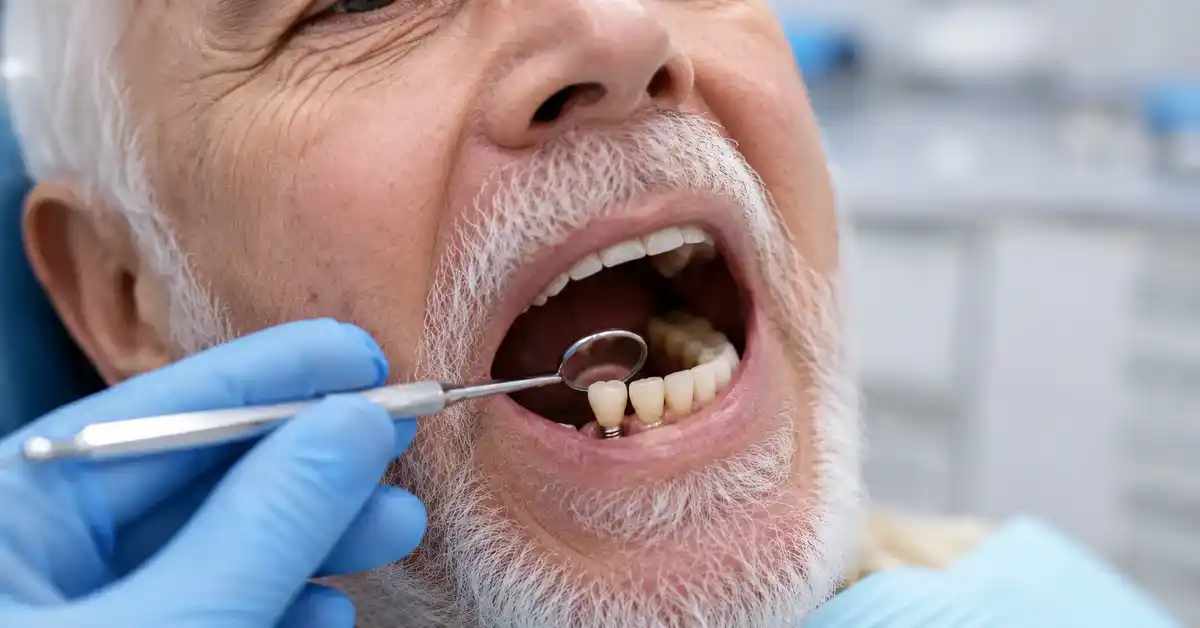
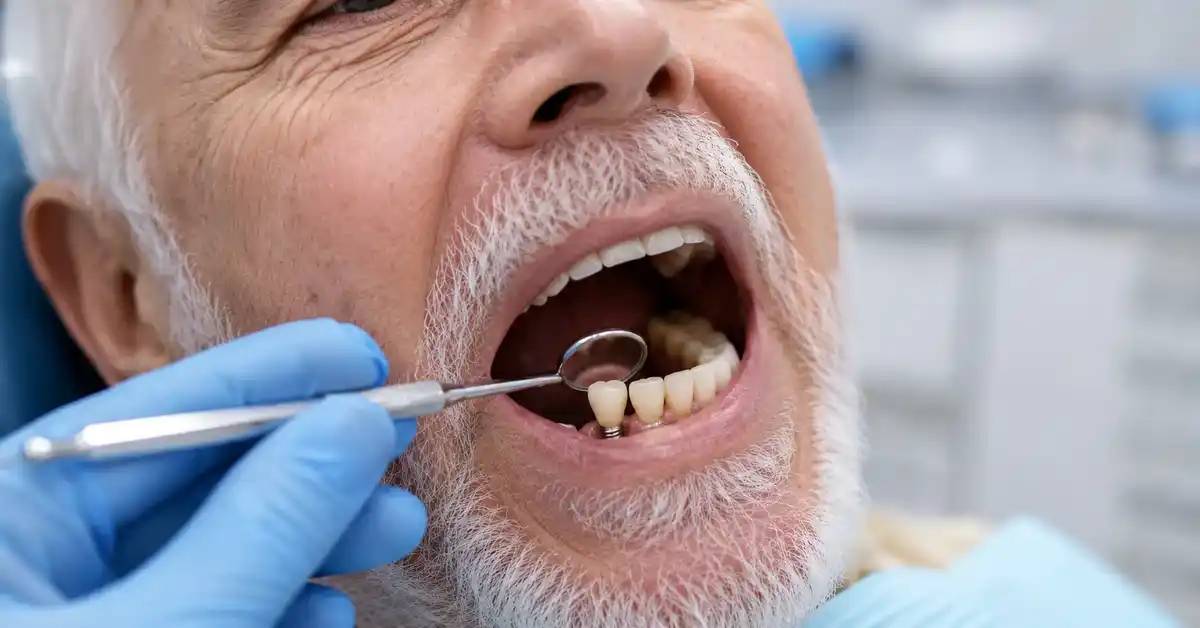
Dental implants for seniors have become one of the most reliable solutions for replacing missing teeth and improving quality of life in older adults. Tooth loss can affect chewing, speech, facial support, confidence, and even daily nutrition. For many seniors, traditional removable dentures may not provide enough stability, especially when eating or speaking. This is why dental implants are often considered when a more secure and long-lasting tooth replacement option is needed.
At Safemedigo, dental implants for elderly patients are planned with a complete medical and dental view. The decision is not based on age alone. Instead, the dentist evaluates gum health, jawbone condition, chronic diseases, medications, lifestyle habits, and the patient’s expectations.
This guide explains whether dental implants are safe for the elderly, who may be eligible, what results can be expected, possible risks, recovery time, aftercare, dental implant cost for seniors, alternatives to dental implants, and how to choose the best dental clinics for implants.
Dental Implants for Seniors Overview
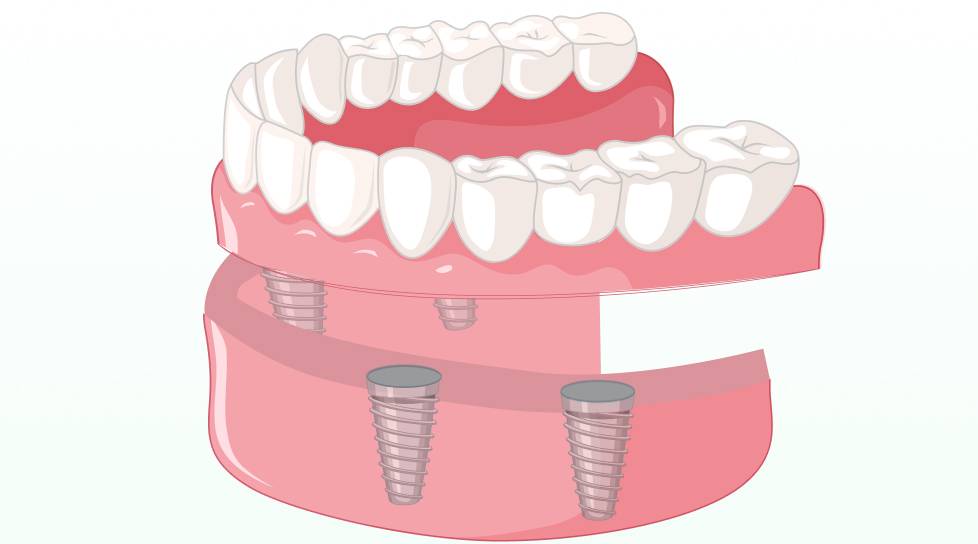
Dental implants for seniors are artificial tooth roots placed into the jawbone to support crowns, bridges, or implant-supported dentures. They are designed to replace missing teeth in a way that feels stable and functional. Unlike removable dentures, implants can provide stronger support because they are anchored into the bone.
For older adults, dental implants can help improve chewing ability, speech clarity, facial appearance, and confidence. They may also reduce the discomfort caused by loose dentures or missing teeth. Dental implants in Turkey are often considered by international patients who are looking for organized treatment planning, experienced dental teams, and medical tourism support.
However, not every senior needs the same implant plan. Some patients may need one implant, while others may need several implants, a fixed bridge, or an implant-supported denture. The right plan depends on medical evaluation and oral condition.
Dental implants for seniors
Dental implants for seniors may be suitable when the patient has healthy gums, enough jawbone support, and stable general health. Age itself is not usually a barrier. A patient in their seventies or eighties may still be a good candidate if their mouth and body can support healing after the procedure.
For many older adults, implants help solve daily problems caused by missing teeth. They may improve chewing comfort, reduce denture movement, and support a more natural smile. In some cases, even a limited number of implants can make a full denture more stable.
Before treatment, the dentist usually evaluates:
- Gum health and inflammation.
- Jawbone volume and density.
- Number of missing teeth.
- Medical history and chronic diseases.
- Medications, especially blood thinners or bone-related drugs.
- Oral hygiene habits.
- Ability to attend follow-up visits.
A complete evaluation helps determine whether dental implants for seniors are the best option or whether another treatment may be safer.
Dental implants elderly
Dental implants elderly patients receive should be planned carefully because older adults may have health conditions that affect healing. Diabetes, heart disease, osteoporosis, smoking, and certain medications may influence the treatment plan. These factors do not always prevent implant treatment, but they must be reviewed before surgery.
Dental implants elderly patients consider may be used for different needs. Some patients want to replace one missing tooth. Others need a fixed bridge or an implant-supported denture. In full-mouth tooth loss, implants may help stabilize dentures and improve comfort during eating and speaking.
The best treatment is not simply the fastest or most expensive option. It should match the patient’s bone condition, gum health, medical status, and daily needs. This is why Safemedigo focuses on organized evaluation and clear treatment guidance before starting the dental implant journey.
Read about: Same-Day Dental Implants: Is It Possible?
Eligibility and Safety
A common question is: Are dental implants safe for the elderly? In many cases, yes. Dental implants can be safe and successful for seniors when the patient is properly evaluated and chronic conditions are controlled. The most important point is that safety depends on the individual case, not only on age.
Implant eligibility for seniors includes dental and medical factors. The dentist checks whether the gums are healthy, the jawbone can support implants, and the patient can heal properly. If there is gum disease, severe bone loss, uncontrolled diabetes, or active infection, the dentist may recommend preparation before implant placement.
For safe treatment, seniors should share all medical details, including medications, allergies, previous surgeries, and chronic diseases. This allows the dental team to plan the procedure with fewer risks.
Are dental implants safe for the elderly
Are dental implants safe for the elderly with chronic conditions? They may be, if these conditions are well controlled. For example, a senior with controlled diabetes may still be a suitable candidate, while uncontrolled diabetes may increase the risk of delayed healing and infection.
Pain-free dental implants are possible for many patients because the procedure is usually performed under local anesthesia. The patient should not feel pain during implant placement. However, mild swelling, tenderness, or discomfort may happen after the procedure and can usually be controlled with medication and aftercare instructions.
To answer whether dental implants are safe for the elderly, the dentist considers:
- General health stability.
- Gum and bone condition.
- Diabetes control.
- Smoking habits.
- Current medications.
- Ability to maintain oral hygiene.
- Risk of infection or delayed healing.
A personalized evaluation is the safest way to decide.
Implant eligibility for seniors
Implant eligibility for seniors depends on several important conditions. The patient should have healthy or treatable gums, enough jawbone support, controlled chronic diseases, and the ability to follow aftercare instructions. If one of these factors is not ideal, treatment may still be possible after preparation.
In some cases, seniors may need additional procedures before implant placement. These may include professional gum treatment, infection control, bone grafting, or coordination with the patient’s physician. The goal is to create a safe foundation for the implants.
Implant eligibility for seniors may include:
- Healthy gums without active infection.
- Sufficient jawbone or the possibility of bone support.
- Controlled diabetes or blood pressure.
- Review of blood thinners or other medications.
- Good oral hygiene.
- Realistic expectations.
- Commitment to follow-up care.
Eligibility is not a simple yes-or-no decision. It is a complete assessment that helps choose the safest treatment path.
Read about: Non-Surgical Dental Implant Techniques Available in Turkey
Results and Expectations
Dental implant results in the elderly can be very positive when the treatment is planned correctly. Many seniors experience better chewing comfort, improved speech, stronger denture stability, and greater confidence when smiling. However, the final result depends on bone health, gum condition, implant quality, and patient aftercare.
Before and after dental implants, patients may notice clear changes in daily life. Before treatment, missing teeth or loose dentures may make eating difficult and social situations uncomfortable. After implant treatment, the teeth may feel more stable and natural, depending on the restoration type.
It is important to keep expectations realistic. Dental implant results for the elderly do not happen instantly in every case. Some patients may need several stages, including implant placement, healing, and final crown or bridge placement.
Dental implant results in the elderly
Dental implant results in the elderly depend on many factors, including jawbone quality, gum health, medical stability, implant type, dentist experience, and aftercare. When these factors are favorable, implants can provide strong support and long-term comfort.
The implant success rate in the elderly is generally good when patients are properly selected. Still, no medical treatment can guarantee the same result for everyone. Patients with uncontrolled diabetes, heavy smoking, untreated gum disease, or poor oral hygiene may have a higher risk of complications.
Good dental implant results in the elderly often include:
- Improved chewing ability.
- Better speech comfort.
- More stable dentures or fixed teeth.
- A more natural-looking smile.
- Better confidence in social situations.
- Improved ability to eat a wider range of foods.
Long-term success depends strongly on regular dental follow-up and daily care.
Before and after dental implants
Before and after dental implants, the difference can be both functional and aesthetic. Before treatment, seniors may avoid certain foods, feel embarrassed about missing teeth, or struggle with loose dentures. After treatment, implant-supported teeth can offer better stability and a more confident smile.
However, before and after dental implants should be assessed carefully. A photograph may show cosmetic improvement, but it does not show bone integration, gum health, or long-term stability. True success includes comfort, chewing function, healthy gums, and stable implants.
Patients should understand that different solutions produce different results:
- A single implant replaces one missing tooth.
- An implant bridge replaces several missing teeth.
- Implant-supported dentures improve denture stability.
- Full-arch implant restorations provide stronger fixed support.
The dentist should explain the expected outcome clearly before treatment begins.

Risks and Health Conditions
Risks of dental implants for the elderly are usually manageable when the treatment is carefully planned. Like any medical procedure, dental implant surgery can carry risks such as infection, delayed healing, bleeding, implant failure, gum inflammation, or temporary discomfort.
These risks may be higher in seniors with uncontrolled diabetes, heavy smoking habits, poor oral hygiene, severe bone loss, or active gum disease. This is why implant treatment should not be rushed. A detailed examination and medical review help reduce complications.
Dental implants for diabetics need special attention because blood sugar control affects wound healing and infection risk. Many diabetic patients can still receive implants successfully when their condition is stable and well managed.
Risks of dental implants for the elderly
Risks of dental implants for the elderly depend on the patient’s general health and oral condition. A healthy senior with good gums and controlled medical conditions may have a lower risk than a patient with infection, severe bone loss, or uncontrolled chronic illness.
Possible risks of dental implants for the elderly include:
- Infection around the implant.
- Delayed wound healing.
- Failure of the implant to integrate with the bone.
- Gum inflammation.
- Swelling or discomfort after surgery.
- Bleeding, especially with certain medications.
- Need for additional procedures such as bone grafting.
- Implant failure in selected cases.
Reducing these risks requires proper diagnosis, sterile technique, high-quality materials, experienced dentists, and strong aftercare. This is why choosing the best dental clinics for implants should be based on safety and experience, not only cost.
Dental implants for diabetics
Dental implants for diabetics may be possible when diabetes is controlled. Poorly controlled blood sugar can slow healing and increase infection risk, while stable diabetes may allow safer implant treatment. The dentist may request recent blood sugar reports or ask the patient to coordinate with their physician.
For seniors with diabetes, preparation is very important. Gum inflammation should be treated before implant surgery, and the patient should follow all medication and oral hygiene instructions. Follow-up visits may also be more frequent to make sure healing is progressing properly.
To improve the success of dental implants for diabetics, patients should:
- Keep blood sugar controlled.
- Follow medical advice.
- Maintain good oral hygiene.
- Treat gum disease before surgery.
- Avoid smoking.
- Attend all follow-up appointments.
- Report pain, swelling, or unusual symptoms early.
With proper planning, dental implants for diabetics can be a suitable option for many patients.
Read about: Front Teeth Dental Implants: Procedure and Recovery Time
Cost and Best Options
Dental implant cost for seniors varies from one case to another. It depends on the number of implants, the type of implant system, jawbone condition, need for bone grafting, final restoration type, dentist experience, and follow-up requirements. For this reason, a single general cost cannot apply to every patient.
It is important to understand that dental implant cost for seniors is not only about the implant itself. The full plan may include consultation, imaging, surgery, abutment, crown or bridge, temporary teeth, gum treatment, bone support, and aftercare.
When considering dental implants in Turkey, patients should look beyond cost alone. Safety, treatment planning, material quality, clear communication, and follow-up care are equally important.
Dental implant cost for seniors
Dental implant cost for seniors is influenced by medical and technical details. A patient who needs one implant will have a different plan from a patient who needs several implants or a full-arch restoration. If gum treatment or bone grafting is required, the treatment becomes more complex.
Factors that may affect dental implant cost for seniors include:
- Number of implants needed.
- Implant brand and system.
- Bone grafting or sinus lift needs.
- Type of crown, bridge, or denture.
- Imaging and diagnostic planning.
- Experience of the dental team.
- Temporary restorations.
- Follow-up and maintenance.
- Treatment of gum disease before implants.
Patients should ask for a clear treatment plan before making a decision. A low cost may not include all stages, while a complete plan provides better transparency and safety.
Best dental implants for seniors
Best dental implants for seniors are the implants and restorations that match the patient’s health, bone condition, and daily needs. There is no single implant option that is best for everyone. The right choice depends on the patient’s mouth, medical history, and expectations.
For one patient, a single implant crown may be ideal. For another, an implant-supported denture may provide better comfort. In cases of multiple missing teeth, a fixed implant bridge may be recommended.
Best dental implants for seniors should offer:
- Strong support.
- Long-term durability.
- Comfortable chewing.
- Natural appearance.
- Easy cleaning.
- Suitable design for the patient’s bone.
- A realistic maintenance plan.
The best result comes from matching the implant system and restoration type to the patient, rather than choosing a standard plan for everyone.
Read about: How to Choose the Best Dental Implant Center in Turkey
Recovery and Aftercare
Dental implant recovery time depends on the patient’s health, number of implants, surgical complexity, bone condition, and whether additional procedures are needed. Some patients return to light daily activities quickly, while others need a longer healing period.
The early recovery period may involve mild swelling, tenderness, or discomfort. These symptoms are usually temporary and can be managed with the dentist’s instructions. The deeper healing stage, known as bone integration, takes longer and is essential for implant stability.
Aftercare for dental implants is a major part of long-term success. Implants do not decay like natural teeth, but the gums and bone around them must remain healthy. Poor hygiene can lead to inflammation around the implant and may affect stability.
Dental implant recovery time
Dental implant recovery time is different for every patient. The first stage includes healing of the gum and soft tissues after surgery. The second stage involves integration between the implant and the jawbone. This process is important before placing the final crown, bridge, or denture in many cases.
During recovery, the dentist may recommend:
- Eating soft foods during the first days.
- Avoiding pressure on the implant area.
- Taking prescribed medications.
- Avoiding smoking.
- Cleaning the mouth gently.
- Avoiding very hard foods.
- Reporting severe pain or unusual swelling.
Dental implant recovery time may be longer in smokers, patients with uncontrolled diabetes, or those who need bone grafting. Seniors should follow instructions carefully and avoid comparing their healing time with other patients.
Aftercare for dental implants
Aftercare for dental implants starts immediately after surgery and continues for life. The implant itself cannot develop cavities, but the tissues around it can become inflamed if plaque builds up. This can lead to implant-related gum problems if not managed early.
Essential aftercare for dental implants includes:
- Brushing twice daily.
- Cleaning between teeth and around implants.
- Using tools recommended by the dentist.
- Avoiding smoking as much as possible.
- Avoiding biting very hard objects.
- Attending regular dental checkups.
- Treating gum inflammation early.
- Following all post-surgery instructions.
Good aftercare improves the implant success rate in the elderly and helps preserve the results for a longer time. Long-term maintenance is just as important as the surgery itself.
Read about: Immediate Laser Dental Implants: Fast and Advanced
Alternatives and Clinics
Alternatives to dental implants may be suitable for some seniors, especially when surgery is not recommended or when the patient prefers a less invasive option. Dental implants can offer strong stability, but they are not the only tooth replacement option for the elderly.
Tooth replacement options for the elderly may include removable dentures, partial dentures, fixed bridges, and implant-supported dentures. Each option has benefits and limitations. The right solution depends on oral health, bone condition, budget, comfort needs, and medical safety.
Choosing the best dental clinics for implants is also very important. A good clinic does not only place implants; it evaluates the full case, explains risks, compares alternatives, and provides follow-up care.
Alternatives to dental implants
Alternatives to dental implants may be recommended when the patient has severe bone loss, uncontrolled health conditions, or does not want surgery. These alternatives may not always provide the same stability as implants, but they can be practical and comfortable in selected cases.
Common alternatives to dental implants include:
- Complete removable dentures.
- Partial dentures.
- Fixed dental bridges.
- Tooth replacement options for the elderly using traditional prosthetics.
- Implant-supported dentures with fewer implants.
Each option should be discussed carefully. Removable dentures are less invasive but may move during eating. Fixed bridges can be stable but may require preparation of neighboring teeth. Implant-supported dentures may offer a balance between stability and reduced implant number.
Best dental clinics for implants
Best dental clinics for implants should provide complete evaluation, clear communication, accurate imaging, safe materials, and proper follow-up. This is especially important for seniors because medical conditions and medications may affect the treatment plan.
When choosing the best dental clinics for implants, patients should consider:
- Experience with senior dental implant cases.
- Detailed diagnostic imaging.
- Clear treatment planning.
- Quality implant systems.
- Explanation of risks and alternatives.
- Aftercare and follow-up support.
- Comfortable communication and organization.
For patients considering dental implants in Turkey, organized treatment planning can make the journey easier and more reassuring. Safemedigo helps patients understand their options and connect with suitable dental care pathways in a clear and comfortable way.
Read about: Laser Dental Surgery: Advanced Techniques with Effective Results
Conclusion
Dental implants for seniors can be an important step toward restoring comfort, chewing ability, speech clarity, and confidence. Age alone is not usually a barrier, but gum health, jawbone support, medical stability, and commitment to aftercare are essential for successful treatment.
Whether a patient is asking about dental implants elderly patients can receive, dental implant cost for seniors, risks of dental implants for the elderly, or alternatives to dental implants, the best decision begins with a detailed evaluation and realistic expectations. With careful planning, dental implants in Turkey may offer a suitable solution for many older adults who want stable and comfortable tooth replacement.
Dental Implants for Seniors: What to Expect
Are dental implants safe for the elderly?
Dental implants can be safe for the elderly when the patient is properly evaluated and chronic conditions are controlled. The dentist must check gum health, jawbone support, medications, and overall health before treatment. Age alone is not enough to accept or reject implant treatment.
What affects implant eligibility for seniors?
Implant eligibility for seniors depends on healthy gums, enough jawbone, controlled chronic diseases, good oral hygiene, and the ability to attend follow-up visits. Some patients may need gum treatment, bone support, or medical coordination before implant surgery.
Are pain-free dental implants possible?
Yes, pain-free dental implants are possible in many cases because implant placement is usually performed under local anesthesia. The patient should not feel pain during the procedure, but mild swelling, tenderness, or discomfort may occur afterward and is usually temporary.
How long is dental implant recovery time?
Dental implant recovery time varies depending on the number of implants, bone condition, general health, and whether bone grafting is needed. Initial healing may happen relatively quickly, but full bone integration can take longer before the final restoration is placed.
What are the alternatives to dental implants?
Alternatives to dental implants include removable dentures, partial dentures, fixed bridges, and implant-supported dentures. The best tooth replacement options for the elderly depend on oral health, bone condition, comfort needs, and medical suitability.