





A penile implant is an advanced surgical treatment option for erectile dysfunction when non-surgical treatments have failed, are not suitable, or no longer provide reliable results. Although it is often described as a “last option,” this does not mean it is a negative or desperate choice. It simply means that the decision usually comes after a structured evaluation and after considering less invasive treatments such as oral medications, lifestyle changes, hormone correction when needed, vacuum devices, or penile injections.
Erectile dysfunction can be temporary or chronic. It may be related to diabetes, cardiovascular disease, high blood pressure, high cholesterol, smoking, obesity, low testosterone, prostate surgery, pelvic injury, nerve damage, psychological stress, or certain medications. For this reason, penile implant surgery should not be considered before understanding the cause and whether simpler treatments may still work.
A penile implant does not increase sexual desire, sensation, ejaculation, or fertility. Its role is to provide mechanical rigidity that allows intercourse in suitable cases. Therefore, the decision should be based on realistic expectations, medical readiness, implant type, surgical risks, and the patient’s long-term goals.
What Is a Penile Implant?
A penile implant is a medical device surgically placed inside the erectile chambers of the penis to help a man achieve sufficient rigidity for sexual intercourse. It is usually considered in men with severe organic erectile dysfunction who do not respond adequately to other treatments or cannot use them safely.
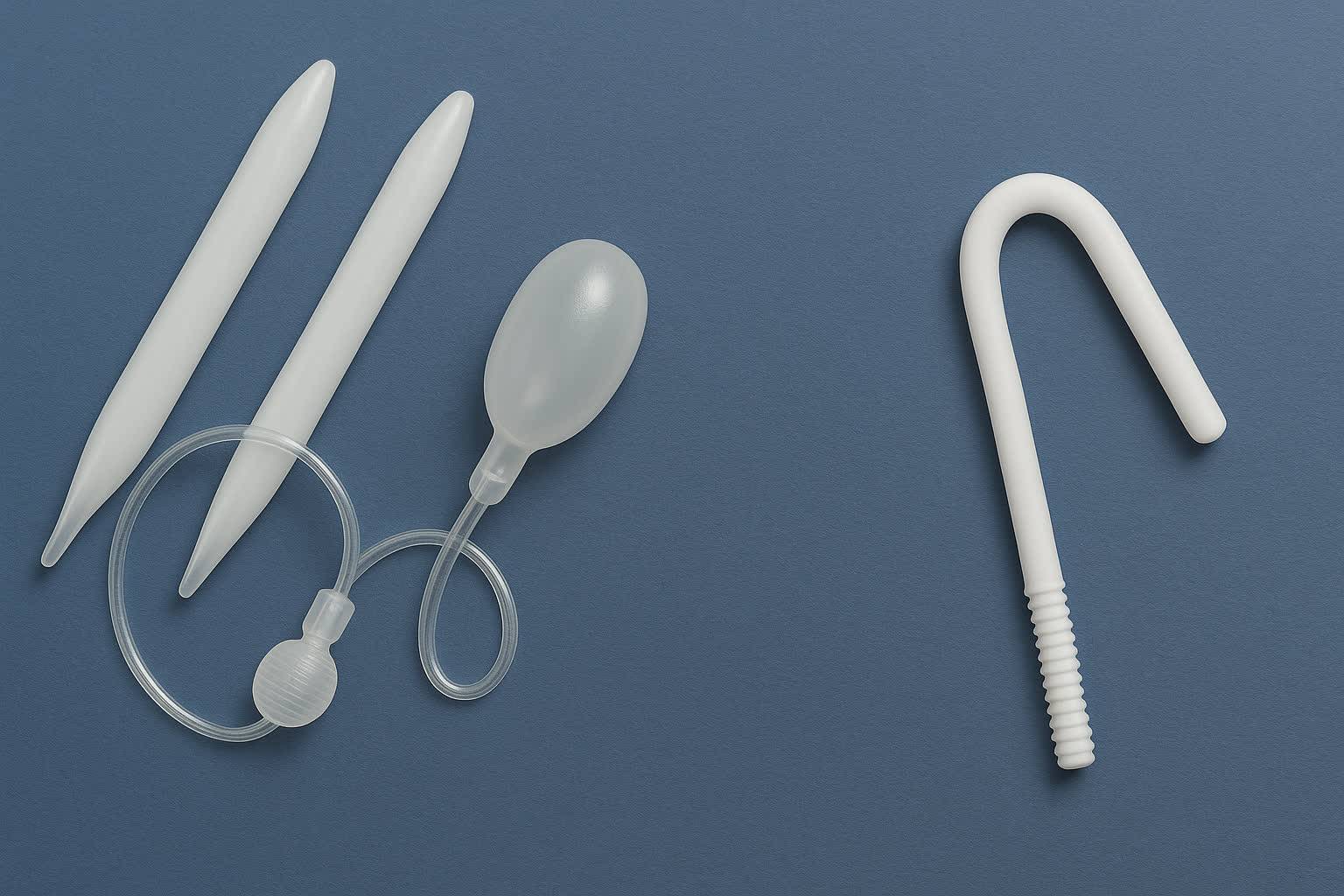
Penile implants differ in design and function. Some are malleable or semi-rigid, while others are inflatable hydraulic systems. The choice depends on the patient’s health, manual ability, expectations, budget, anatomy, and the surgeon’s recommendation.
How a Penile Implant Works
A penile implant works by providing internal mechanical support inside the penis. In severe erectile dysfunction, the penis may not receive enough blood, may not maintain blood long enough, or may have nerve damage that prevents a natural erection.
The implant is placed inside the body and is usually not visible from the outside after healing. In inflatable implants, the patient uses a small pump placed inside the scrotum to create rigidity when needed. In malleable implants, the penis remains firm enough and can be positioned manually.
The main goal is functional rigidity for intercourse, with the most natural appearance possible depending on implant type and patient anatomy.
Types of Penile Implants
There are several types of penile implants, and the choice should be made after a detailed discussion with the doctor. No single implant type is best for every patient.
Common types include:
- Malleable or semi-rigid penile implant.
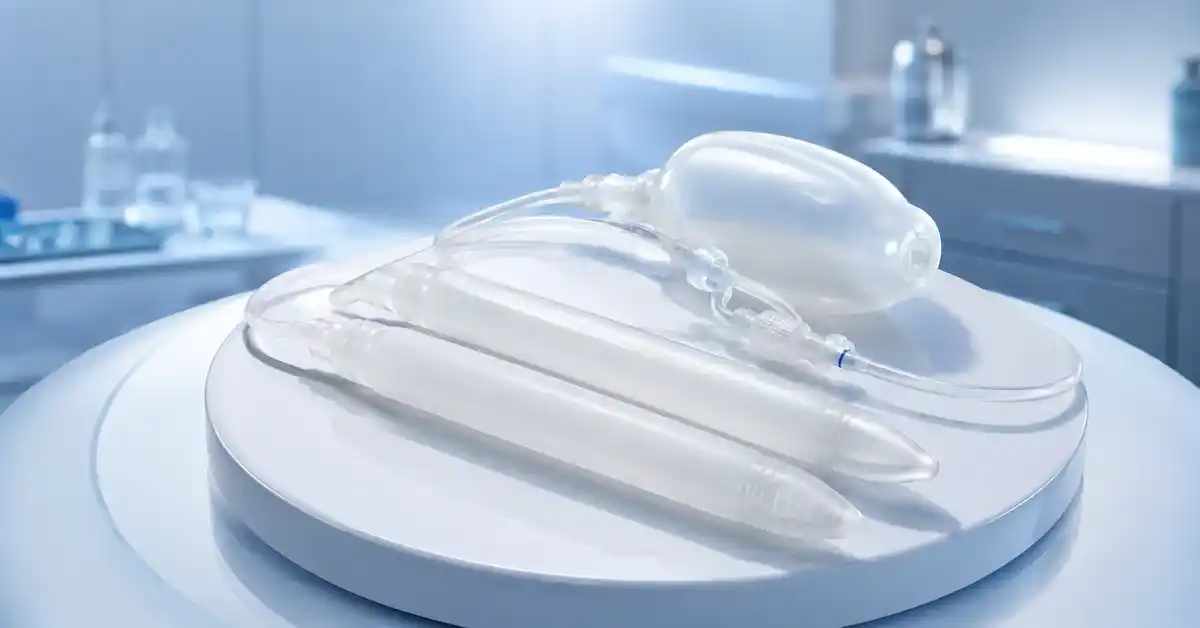
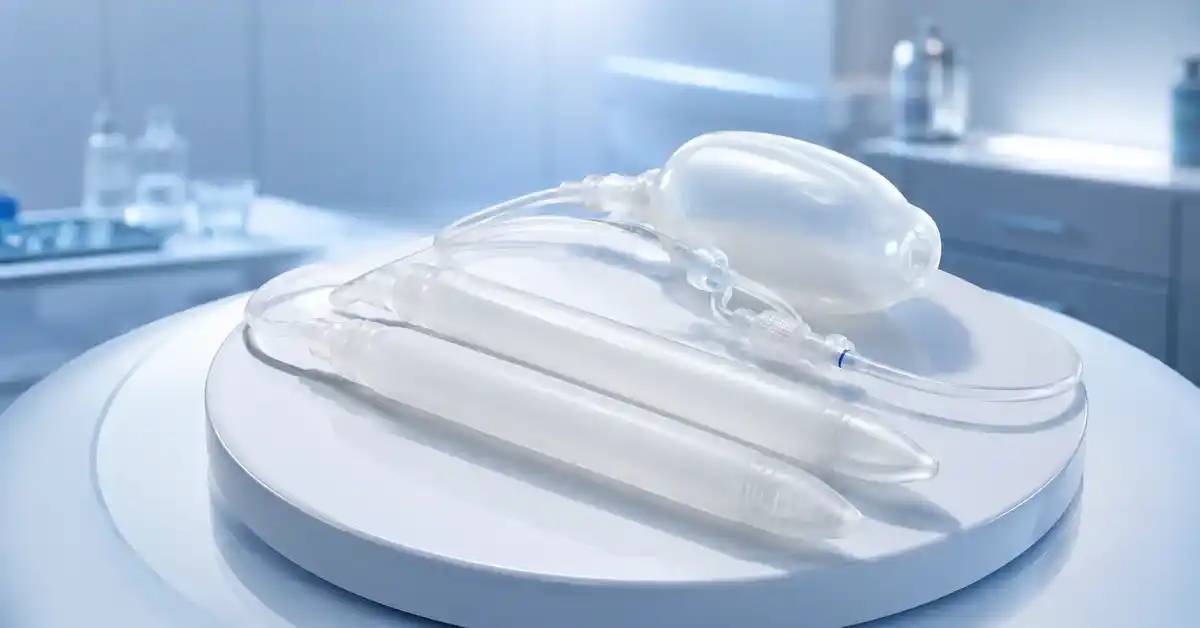
- Two-piece inflatable penile implant.
- Three-piece inflatable penile implant.
- Special implants for complex cases.
- Implants used in selected Peyronie’s disease or fibrosis cases.
Inflatable implants often provide a more natural flaccid and erect appearance, but they are more complex and usually more expensive. Malleable implants are simpler to use and have fewer mechanical parts, but they remain more rigid during daily life.
When Is a Penile Implant the Last Option?
A penile implant becomes the last option when erectile dysfunction is chronic, severe, and significantly affects sexual life, while non-surgical treatments have failed or are unsuitable. The word “last” should not mean waiting for years without benefit. It means making a logical decision after proper diagnosis and step-by-step treatment planning.
In some patients, an implant may be discussed earlier if the cause is clearly severe and organic, such as after prostate surgery, severe vascular disease, advanced diabetes-related erectile dysfunction, penile fibrosis, or repeated failure of injections and medications.
After Failure of Oral Medications
Oral medications such as PDE5 inhibitors are often the first medical option for erectile dysfunction, but they do not work for every patient. Some men do not achieve enough rigidity, while others cannot use these medications because of heart medications such as nitrates or because of side effects.
A penile implant may be discussed when:
- Oral medications do not provide enough rigidity.
- Medications are medically contraindicated.
- Side effects are difficult to tolerate.
- High doses are ineffective.
- Erectile dysfunction is severe and persistent.
- The patient does not want to depend on medication before intercourse.
Before deciding that medication has failed, it is important to confirm that it was used correctly, at the right dose, and under suitable conditions.
After Failure or Intolerance of Penile Injections
Penile injections can be effective in some men, especially when oral medications are not enough. However, they require training, correct dosage, and psychological acceptance. Some men find repeated injections painful, stressful, or impractical.
A penile implant may become suitable when:
- Injections do not provide reliable rigidity.
- Injections cause repeated pain.
- The patient experiences prolonged erections or fear of them.
- Fibrosis or lumps develop.
- The patient cannot inject himself.
- Injections reduce spontaneity and comfort.
- The treatment becomes emotionally or practically difficult.
In these cases, an implant may offer a more stable long-term solution compared with repeated treatments that no longer fit the patient’s life.
Decision-Making Criteria for a Penile Implant
The decision to have a penile implant should be shared between the patient and the specialist. It should not be made only because of price, frustration, or fear of treatment failure. The patient should understand what the implant can and cannot do.
Important criteria include correct diagnosis, failure of appropriate non-surgical treatments, surgical readiness, control of chronic diseases, realistic expectations, understanding of risks, and choosing the right implant type. The doctor must also make sure there is no active infection or medical condition that makes surgery unsafe.
Severity of Erectile Dysfunction and Life Impact
Not every case of erectile dysfunction needs an implant. Mild or occasional erectile dysfunction may improve with lifestyle changes, oral medication, psychological support, or treatment of an underlying medical problem. Severe and persistent erectile dysfunction is different.
Important evaluation points include:
- Duration of erectile dysfunction.
- Whether the problem is constant or occasional.
- Presence of morning erections.
- Rigidity sufficient for intercourse.
- Impact on the couple’s relationship.
- Avoidance of sexual activity.
- Failure of medications or injections.
- Clear organic cause.
- Patient and partner expectations.
The decision should be based on the severity of dysfunction, treatment response, and real-life impact, not only on the desire for a quick permanent solution.
General Health and Surgical Readiness
General health has a major effect on surgical safety and results. Patients with diabetes, heart disease, obesity, smoking, immune problems, or previous infections need more careful preparation before surgery.
Before surgery, the doctor may review:
- Diabetes control and HbA1c.
- Heart condition.
- Blood thinner medications.
- Urine infection risk.
- Active skin or urinary infections.
- Immune-suppressing medications.
- Smoking status.
- Ability to undergo anesthesia.
- Skin condition in the surgical area.
A penile implant may be appropriate, but the patient should be medically prepared to reduce complications, especially infection.
Cases Where a Penile Implant May Be Suitable
Certain medical situations make traditional erectile dysfunction treatments less effective. In these cases, a penile implant may become one of the most stable options if the patient is suitable for surgery.
These situations include advanced diabetes-related erectile dysfunction, erectile dysfunction after prostate surgery, pelvic nerve injury, severe penile fibrosis, Peyronie’s disease with severe erectile dysfunction, and repeated failure of medications or injections.
Erectile Dysfunction Due to Diabetes or Vascular Disease
Diabetes is a common cause of organic erectile dysfunction because it can affect nerves and blood vessels. When diabetes has been present for years or is poorly controlled, response to oral medications may become weaker.
A penile implant may be discussed in diabetic patients when:
- Oral medications fail.
- Injections do not work or are unsuitable.
- Erectile dysfunction is severe.
- Nerve or vascular damage is suspected.
- Blood sugar is controlled enough for surgery.
- The patient understands infection risk.
Diabetic patients need careful preparation before and after surgery because infection prevention is especially important.
After Prostate Surgery or Nerve Injury
Erectile dysfunction may occur after prostate surgery or pelvic surgery because nerves and blood vessels can be affected. Some men improve over time with rehabilitation, while others continue to have severe erectile dysfunction despite medications and injections.
A penile implant may be suitable when:
- Enough recovery time has passed.
- Medications and injections fail.
- Nerve-related erectile dysfunction is likely.
- The couple’s sexual life is significantly affected.
- The patient wants a long-term solution.
- There are no major surgical contraindications.
In these cases, the implant does not restore natural nerve function, but it can provide functional rigidity for intercourse.
When a Penile Implant Is Not the Best Option
A penile implant is not the best option for every man. Some patients need psychological care, hormone treatment, cardiovascular evaluation, lifestyle changes, or relationship support before surgery is considered.
Poor patient selection can lead to dissatisfaction even if the surgery is technically successful. The doctor should confirm that the main problem is erectile rigidity and not low desire, ejaculation difficulty, relationship conflict, or unrealistic expectations.
Psychological or Temporary Erectile Dysfunction
If erectile dysfunction is mainly related to stress, anxiety, depression, relationship tension, fatigue, or temporary circumstances, a penile implant may not be appropriate. Psychological support, counseling, medication adjustment, or treating the temporary cause may be more suitable.
Signs that suggest a psychological or temporary cause include:
- Normal morning erections.
- Problem occurs only in certain situations.
- Sudden onset after stress.
- Better erections in different circumstances.
- Clear performance anxiety.
- No major organic disease.
- Good response to simpler treatments.
A penile implant does not treat anxiety, low libido, or relationship problems. Correct diagnosis is essential before surgery.
Active Infection or Uncontrolled Medical Problems
Active infection or uncontrolled medical disease can make penile implant surgery unsafe or increase the risk of complications. In such cases, surgery may need to be delayed until the patient is medically ready.
Surgery may be postponed in cases of:
- Active urinary infection.
- Skin infection in the surgical area.
- Poorly controlled diabetes.
- Unstable heart disease.
- Blood thinner use without a safe plan.
- Severe immune suppression.
- Inability to tolerate anesthesia.
- Unrealistic expectations.
Postponing surgery does not always mean rejecting the implant. It often means preparing the patient more safely.
Types of Penile Implants and Selection Criteria
Choosing the implant type is one of the most important parts of planning. The doctor should explain the differences between malleable and inflatable implants, including use, appearance, cost, comfort, and mechanical risk.
Some patients prefer simplicity. Others prefer a more natural flaccid appearance. Manual ability is also important, especially for inflatable implants, because the patient must be able to operate the pump.
Malleable Penile Implant
A malleable or semi-rigid implant consists of two bendable rods placed inside the penis. The penis remains firm enough for intercourse and can be positioned upward or downward manually.
Advantages include:
- Simple to use.
- No pump required.
- Fewer mechanical parts.
- Often lower cost.
- May suit older patients.
- Lower mechanical failure risk.
Limitations include:
- Constant firmness.
- Less natural flaccid appearance.
- Possible daily discomfort.
- Requires acceptance of its fixed nature.
This type may suit patients who want a simpler device or have difficulty using a pump.
Inflatable Penile Implant
An inflatable penile implant uses cylinders inside the penis and a pump inside the scrotum. In some types, a fluid reservoir is also placed inside the body. When the pump is pressed, fluid moves into the cylinders and creates rigidity.
Advantages include:
- More natural appearance.
- Better flaccidity after use.
- Rigidity only when needed.
- High satisfaction in suitable patients.
- More spontaneous function after recovery.
Limitations include:
- Higher cost.
- Requires pump use.
- More mechanical complexity.
- Possible mechanical failure over time.
- Requires experienced surgery.
The choice depends on the patient’s lifestyle, expectations, manual ability, anatomy, and medical evaluation.
Expected Benefits of a Penile Implant
The main benefit of a penile implant is the ability to achieve reliable rigidity for intercourse when other treatments have failed. For many men, this can reduce performance anxiety and remove the need to plan around pills or injections.
However, benefits should be explained realistically. A penile implant does not increase sexual desire, does not improve ejaculation, and does not enlarge the penis beyond its natural anatomical limits. Sensation and pleasure depend on nerves, health, and psychological factors.
Improved Rigidity and Confidence
The primary advantage of a penile implant is stable rigidity. This may help the patient regain confidence and reduce fear of repeated erectile failure.
Potential benefits include:
- More reliable rigidity.
- Reduced dependence on pills.
- Avoidance of repeated injections.
- Better predictability.
- Reduced performance anxiety.
- Long-term functional solution.
- Improved satisfaction when expectations are realistic.
The best results occur when the patient clearly understands how the implant works and what limitations remain.
Reduced Dependence on Repeated Treatments
Some patients become tired of repeated medication trials, injections, or devices before intercourse. A penile implant may provide a more direct and stable option.
It may be useful when:
- Oral medications repeatedly fail.
- Injections are difficult.
- Injections cause pain.
- Vacuum devices are not accepted.
- A more stable solution is desired.
- Severe organic dysfunction is present.
- The patient wants less preparation before intercourse.
Still, an implant should not be chosen only for convenience without a complete medical evaluation.
Risks and Complications of Penile Implant Surgery
Penile implant surgery is a surgical procedure and carries risks. Patients should understand potential complications before deciding because the implant is placed inside the body and may require later revision if problems occur.
Possible complications include infection, pain, bleeding, swelling, tissue erosion, mechanical failure, dissatisfaction with size or appearance, and need for replacement. Some complications are uncommon but important because they may require implant removal or revision.
Infection and Inflammation
Infection is one of the most serious risks after penile implant surgery. Surgeons reduce this risk through sterile technique, antibiotics, careful patient selection, and diabetes control. If a deep infection develops around the implant, removal may be required.
Risk factors include:
- Poorly controlled diabetes.
- Smoking.
- Weak immune system.
- Active urinary infection.
- Previous surgeries.
- Poor wound care.
- Obesity.
- Skin problems in the area.
Warning signs after surgery include fever, increasing pain, severe redness, unusual swelling, wound discharge, bad smell, or general fatigue. These signs require prompt medical communication.
Mechanical Failure or Implant Replacement
Inflatable implants contain mechanical parts, and failure may occur over time. Malleable implants are mechanically simpler, but they may still require replacement in cases of erosion, discomfort, infection, or other complications.
Revision may be needed because of:
- Mechanical failure.
- Infection.
- Persistent pain.
- Erosion.
- Severe dissatisfaction.
- Tissue changes.
- Need for a different implant type.
- Urethral or skin complications.
A penile implant can be a long-term solution, but it is not always a lifetime device without follow-up.
Preparation Before Penile Implant Surgery
Good preparation helps reduce risks and improve satisfaction. The patient should understand the procedure, implant type, recovery time, restrictions, expected appearance, and cost before surgery.
The doctor reviews medical history, medications, diabetes control, heart condition, laboratory tests, infection risk, and skin condition. Expectations about length, rigidity, sensation, and use of the implant should also be discussed.
Tests Required Before Surgery
Required tests vary depending on age and health condition, but preoperative evaluation helps reduce surgical risk.
Tests may include:
- HbA1c for diabetes control.
- Urine analysis.
- Urine culture when needed.
- Complete blood count.
- Kidney and liver function.
- Coagulation tests.
- Cardiac evaluation when needed.
- Review of blood thinner medication.
- Examination of the surgical area.
- Hormone evaluation if not previously done.
The goal is not only to approve surgery, but to make surgery safer and better planned.
Discussing Expectations With the Doctor
Discussing expectations is essential. The patient should know that the implant provides rigidity but does not restore natural erections in the full biological sense. It does not increase desire, ejaculation, fertility, or penile size.
The discussion should include:
- Implant type.
- How it works.
- Appearance when flaccid and erect.
- Recovery timeline.
- When intercourse may resume.
- Pain and swelling expectations.
- Infection risk.
- Mechanical failure risk.
- Cost.
- Whether the partner should understand the implant.
Better understanding before surgery usually leads to better satisfaction afterward.
Recovery After Penile Implant Surgery
Recovery after penile implant surgery usually takes several weeks. Pain, swelling, and bruising may occur at first and then gradually improve. The doctor decides when the patient can return to work, exercise, driving, and sexual activity.
The implant should not be used before the doctor gives permission. In inflatable implants, the patient must learn how to operate the pump after healing.
First Days After Surgery
The first days focus on rest, wound care, swelling control, and taking medications as prescribed. Supportive underwear may be recommended, and heavy movement should be avoided.
General instructions include:
- Relative rest.
- Use prescribed medications.
- Keep the wound clean.
- Avoid sports.
- Avoid heavy lifting.
- Avoid sexual activity.
- Watch for fever or discharge.
- Do not activate the implant early.
- Attend follow-up visits.
Severe pain, increasing swelling, or wound discharge should be reported quickly.
Returning to Sexual Activity
Return to sexual activity should only happen after medical clearance. The timing depends on implant type, surgical technique, healing, and patient comfort.
Before resuming intercourse, the patient should have:
- Healed incision.
- Reduced pain.
- No infection signs.
- Proper training on implant use.
- Ability to operate the device.
- Clear instructions about safe movement.
Gradual return is important because rushing may increase discomfort or anxiety.
Penile Implant Cost and Influencing Factors
Penile implant cost varies according to implant type, country, surgeon experience, hospital, anesthesia, tests, hospital stay, and follow-up. Inflatable implants are usually more expensive than malleable implants because they are more complex devices.
Cost should be clarified before surgery, including what is included and what is not. Some packages include the device, surgery, anesthesia, and hospital stay, while others may not include tests, medication, or follow-up.
Implant Type and Surgeon Experience
Implant type is one of the biggest cost factors. Three-piece inflatable implants are usually more expensive than malleable implants. Surgeon experience is also important because implant surgery requires precision to reduce infection risk and improve results.
Cost factors include:
- Implant type.
- Implant brand.
- Surgeon experience.
- Hospital level.
- Anesthesia.
- Tests.
- Hospital stay.
- Medications.
- Follow-up.
- Complex anatomy or fibrosis.
The implant should not be selected by price alone. Medical suitability and surgical experience are essential.
What to Know Before Comparing Prices
Before comparing prices, patients should understand what each package includes. A lower price may not include the same implant type, anesthesia, hospital stay, tests, or follow-up.
Important questions include:
- What type of implant is included?
- Is the device included?
- Is anesthesia included?
- Is the hospital stay included?
- How many nights are included?
- Are tests included?
- Are medications included?
- Is follow-up included?
- What happens if complications occur?
- Is there a device warranty?
- What is the surgeon’s experience?
Fair comparison requires comparing complete treatment plans, not only final numbers.
Conclusion
A penile implant becomes the last option when erectile dysfunction is severe, chronic, and does not respond to non-surgical treatments or when these treatments are unsuitable. However, it should not be seen as a decision made after despair. It is a medical decision that requires diagnosis, planning, realistic expectations, and preparation.
The correct decision includes evaluating diabetes, heart health, nerves, hormones, psychological factors, infection risk, and surgical readiness. The patient should also understand that the implant provides functional rigidity but does not treat desire, ejaculation, or fertility.
Frequently Asked Questions: When Is a Penile Implant the Last Option?
Is a penile implant the final treatment for erectile dysfunction?
It is usually discussed after oral medications, injections, or other treatments fail or are unsuitable, but it may be considered earlier in severe organic cases.
Does a penile implant increase sexual desire?
No. It helps with rigidity but does not increase libido, ejaculation, sensation, or fertility.
Can a penile implant be removed?
Yes, it can be removed or replaced if complications or mechanical failure occur, but this requires surgery and specialist evaluation.
Is a penile implant suitable for diabetic patients?
It may be suitable when diabetes is well controlled, but diabetic patients need careful preparation to reduce infection risk.
Which is better: malleable or inflatable implant?
The best type depends on medical condition, budget, manual ability, expectations, and surgeon recommendation.