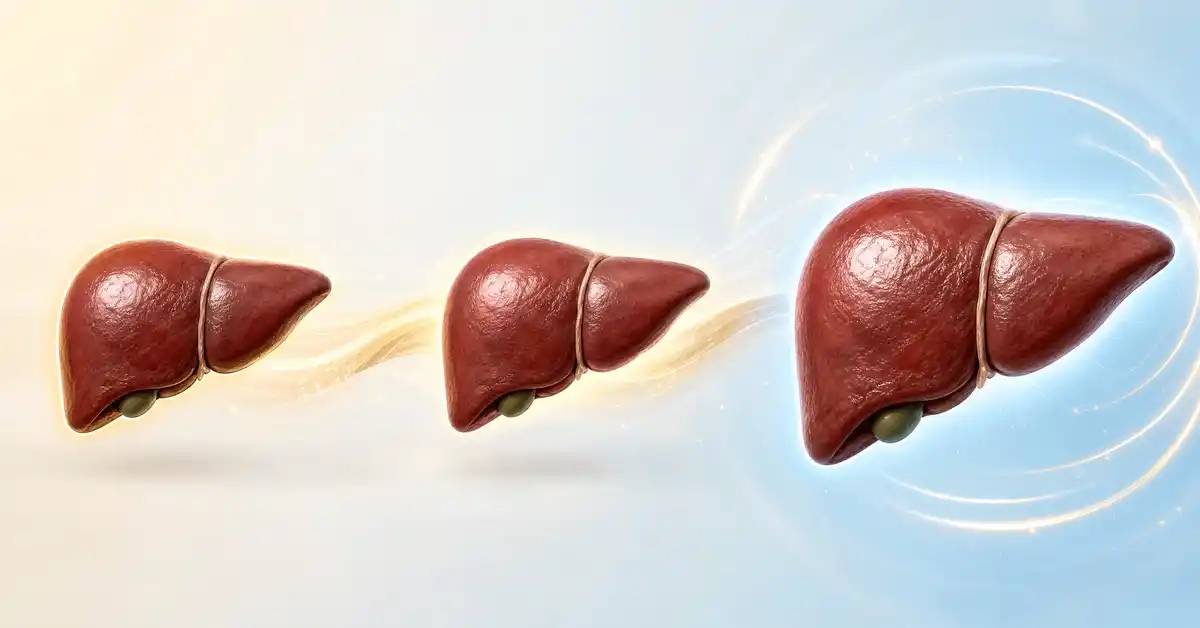






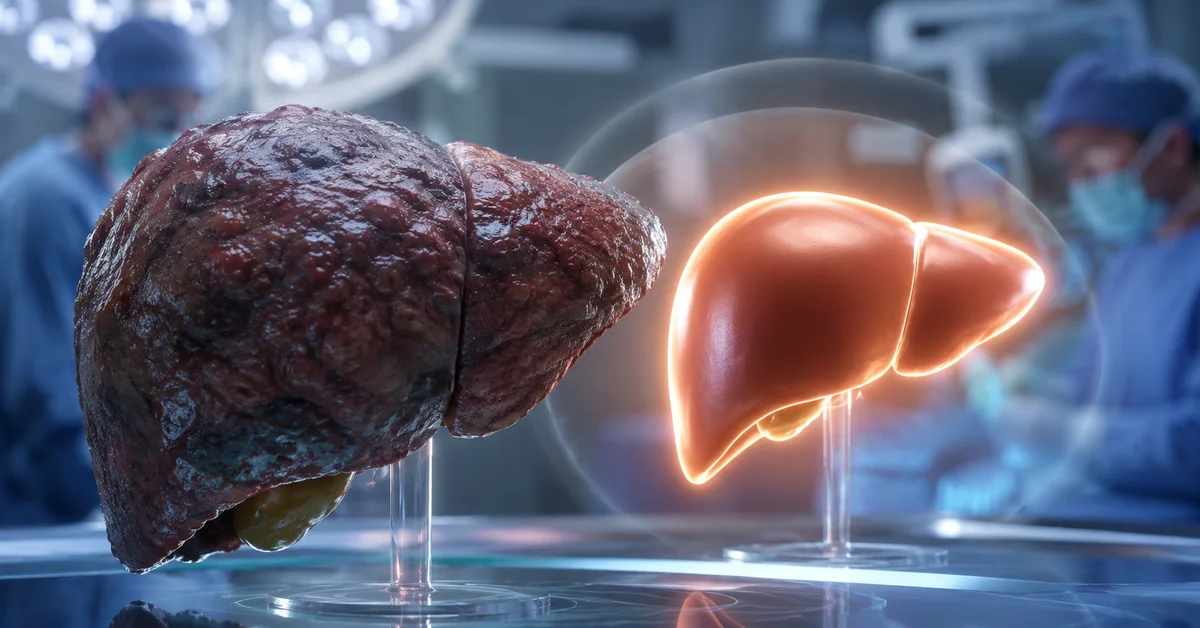
A liver transplant is a major surgical procedure in which a diseased or failing liver is replaced with a healthy liver from a deceased donor or a portion of liver from a living donor. It is one of the most important treatment options for patients with end-stage liver disease, acute liver failure, advanced cirrhosis, selected liver cancers, or severe chronic liver disease that can no longer be controlled with standard medical treatment.
The question “When is a liver transplant needed?” cannot be answered by one symptom alone. The decision depends on a full medical evaluation, liver function tests, imaging, complications, severity scores, general health, other organ function, and the expected benefit of transplant. Not every patient with liver disease needs a transplant, and not every patient with advanced disease is immediately eligible.
Liver transplant may become necessary when the liver can no longer perform essential functions such as filtering toxins, producing clotting factors, regulating proteins, supporting digestion, managing bile production, and maintaining metabolic balance. When these functions fail, patients may develop jaundice, fluid accumulation, bleeding, confusion, kidney problems, severe weakness, or repeated hospitalizations.
At Safemedigo, liver transplant cases are reviewed carefully through medical reports, laboratory results, imaging, diagnosis, donor availability, and transplant-center requirements. The goal is to guide each patient toward the correct next step, whether that means further evaluation, living donor liver transplant planning, waiting list assessment, or supportive treatment before transplant.
When Is a Liver Transplant Needed
A liver transplant is needed when liver disease reaches a stage where the liver can no longer support the body safely, or when the risk of waiting becomes greater than the risk of surgery. This may happen in end-stage liver disease, severe cirrhosis, acute liver failure, or selected cases of liver cancer within transplant criteria.
Liver transplant is usually not the first treatment for liver disease. In earlier stages, doctors may treat the cause, such as viral hepatitis, fatty liver disease, autoimmune liver disease, bile duct disease, alcohol-related liver disease, or metabolic disorders. However, when the liver becomes severely damaged and complications appear repeatedly, transplant may become the only effective long-term option.
The timing is very important. If referral is too early, the patient may not yet need transplant. If referral is too late, the patient may become too weak or too unstable for surgery. This is why specialist evaluation is essential.
When is a liver transplant needed
When is a liver transplant needed? It may be needed when the liver has reached advanced failure, when cirrhosis becomes decompensated, or when serious complications continue despite treatment. The patient may need transplant evaluation if there is repeated ascites, variceal bleeding, hepatic encephalopathy, worsening kidney function, severe jaundice, or a qualifying liver tumor.
Common reasons for transplant evaluation include:
- End-stage liver disease.
- Decompensated cirrhosis.
- Recurrent ascites.
- Bleeding from esophageal or gastric varices.
- Repeated hepatic encephalopathy.
- Severe jaundice.
- Poor blood clotting caused by liver failure.
- Liver-related kidney dysfunction.
- Acute liver failure.
- Selected liver cancer cases.
- Severe malnutrition due to liver disease.
- Repeated hospital admissions.
- Significant decline in quality of life.
Each patient requires individual evaluation because the urgency and suitability for transplant differ from one case to another.
liver failure symptoms
Liver failure symptoms may develop gradually or suddenly. In chronic liver disease, symptoms may appear over months or years. In acute liver failure, they may progress within days or weeks and require urgent care.
Important liver failure symptoms include:
- Yellowing of the skin and eyes.
- Dark urine.
- Pale stool.
- Swollen abdomen from ascites.
- Leg swelling.
- Severe fatigue.
- Loss of appetite.
- Nausea or vomiting.
- Easy bruising or bleeding.
- Confusion or sleepiness.
- Itching.
- Muscle loss.
- Weight loss.
- Vomiting blood.
- Black stool.
- Fever if infection occurs.
- Reduced urine output in kidney involvement.
Severe confusion, vomiting blood, fainting, rapid deterioration, or severe abdominal swelling should be treated as urgent warning signs.
Conditions Requiring Liver Transplant
Conditions requiring liver transplant include diseases that cause irreversible liver damage or severe liver failure. These conditions may be chronic and progressive, or they may occur suddenly as acute liver failure.
The most common indication is end-stage liver disease caused by cirrhosis. Other indications include acute liver failure, selected hepatocellular carcinoma cases, inherited liver diseases, bile duct diseases, autoimmune liver disease, and metabolic disorders. The exact indication depends on the disease severity and transplant criteria.
A diagnosis alone does not automatically mean transplant is needed. For example, one patient with cirrhosis may be stable for years, while another may need urgent transplant evaluation because of complications. The decision depends on liver function and the patient’s overall condition.
chronic liver disease
Chronic liver disease is a long-term condition that slowly damages the liver. If detected early, many causes can be treated or controlled. If it progresses, chronic liver disease may lead to fibrosis, cirrhosis, liver failure, and transplant need.
Chronic liver disease may be caused by:
- Hepatitis B.
- Hepatitis C.
- Metabolic dysfunction-associated fatty liver disease.
- Alcohol-related liver disease.
- Autoimmune hepatitis.
- Primary biliary cholangitis.
- Primary sclerosing cholangitis.
- Wilson disease.
- Hemochromatosis.
- Alpha-1 antitrypsin deficiency.
- Long-term bile duct disorders.
- Certain inherited metabolic diseases.
Regular follow-up is important because early treatment may prevent progression to end-stage liver disease.
cirrhosis liver transplant
Cirrhosis liver transplant evaluation is considered when cirrhosis becomes advanced or decompensated. Cirrhosis means that normal liver tissue has been replaced by scar tissue, reducing liver function and affecting blood flow through the liver.
Cirrhosis may cause:
- Ascites.
- Variceal bleeding.
- Hepatic encephalopathy.
- Jaundice.
- Poor clotting.
- Low platelets.
- Portal hypertension.
- Kidney dysfunction.
- Muscle wasting.
- Malnutrition.
- Increased liver cancer risk.
- Frequent hospital admissions.
A cirrhosis liver transplant may be considered when complications become recurrent, difficult to control, or life-threatening. Evaluation should not be delayed until the patient is critically ill.
end-stage liver disease
End-stage liver disease is the final stage of chronic liver damage, when the liver can no longer perform its essential functions adequately. It may result from long-standing cirrhosis, chronic hepatitis, fatty liver disease, alcohol-related disease, autoimmune disease, or bile duct disorders.
Signs of end-stage liver disease may include:
- Persistent jaundice.
- Fluid accumulation.
- Recurrent infections.
- Brain confusion from toxins.
- Bleeding tendency.
- Severe weakness.
- Kidney problems.
- Low albumin.
- High INR.
- Poor nutritional status.
- Declining daily function.
Patients with end-stage liver disease should be evaluated by a transplant team to determine urgency, eligibility, and treatment options.
Symptoms and Diagnosis
Symptoms and diagnosis of liver transplant need are closely linked. Symptoms tell the doctor that liver disease may be advanced, but diagnosis requires laboratory tests, imaging, endoscopy, clinical scoring, and specialist evaluation.
Some patients feel unwell before tests become severely abnormal. Others may have dangerous lab results before they fully understand the seriousness of their condition. This is why regular monitoring is essential in chronic liver disease.
Diagnosis is not only about confirming liver disease. It is also about measuring severity, finding the cause, identifying complications, and deciding whether transplant evaluation is appropriate.
liver failure symptoms
Liver failure symptoms can affect many parts of the body. The liver is involved in metabolism, detoxification, clotting, digestion, immunity, and protein production. When it fails, symptoms may become widespread.
Symptoms may include:
- Jaundice.
- Ascites.
- Swelling in the legs.
- Itching.
- Severe tiredness.
- Loss of appetite.
- Confusion.
- Sleep pattern changes.
- Easy bleeding.
- Bruising.
- Weight loss.
- Muscle weakness.
- Vomiting blood.
- Black stools.
- Repeated infections.
- Kidney dysfunction.
Symptoms such as confusion, bleeding, severe abdominal swelling, high fever, or sudden worsening require urgent medical evaluation.
Liver disease causes
Liver disease causes vary widely. Some are viral, some metabolic, some autoimmune, some inherited, and some related to alcohol, medications, toxins, or bile duct problems. Identifying the cause helps doctors treat the disease and reduce the risk of recurrence after transplant.
Common liver disease causes include:
- Hepatitis B infection.
- Hepatitis C infection.
- Fatty liver disease.
- Alcohol-related liver injury.
- Autoimmune hepatitis.
- Primary biliary cholangitis.
- Primary sclerosing cholangitis.
- Wilson disease.
- Hemochromatosis.
- Drug-induced liver injury.
- Acute toxin exposure.
- Liver tumors.
- Vascular liver disorders.
- Genetic metabolic diseases.
Treating the underlying cause may slow progression, but in advanced failure, transplant may still be needed.

Eligibility and Evaluation
Eligibility and evaluation for liver transplant are detailed because transplant is a major operation and donor organs are limited. The transplant team must confirm that the patient truly needs transplant, can tolerate surgery, and is likely to benefit from it.
Evaluation includes liver disease severity, heart and lung function, kidney function, infection screening, cancer screening, nutrition, psychological readiness, social support, and medication adherence. If a living donor is involved, the donor also undergoes a separate and careful evaluation.
The evaluation process protects both the recipient and the donor. It also helps identify problems that should be treated before transplant, such as infection, poor nutrition, uncontrolled diabetes, or heart disease.
Liver transplant criteria
Liver transplant criteria include medical need, acceptable surgical risk, absence of major contraindications, and ability to follow long-term care. The patient must have a condition where transplant provides meaningful survival or quality-of-life benefit.
General criteria may include:
- End-stage liver disease.
- Acute liver failure.
- Decompensated cirrhosis.
- Selected liver cancer within accepted criteria.
- Recurrent life-threatening complications.
- Acceptable heart and lung function.
- Manageable infection risk.
- No uncontrolled cancer outside criteria.
- Ability to take immunosuppressive drugs.
- Commitment to follow-up.
- Psychological and social readiness.
- Suitable donor availability when living donation is planned.
Contraindications may include uncontrolled infection, advanced cancer outside transplant criteria, severe untreatable heart or lung disease, or inability to comply with post-transplant care.
pre-transplant evaluation of the liver
Pre-transplant evaluation of the liver includes tests that measure disease severity, define the cause, and assess whether transplant is appropriate. The evaluation also checks whether the patient can safely undergo major surgery.
Pre-transplant evaluation may include:
- Liver function tests.
- Bilirubin.
- INR and clotting tests.
- Albumin.
- Kidney function.
- Sodium and electrolytes.
- Complete blood count.
- Viral hepatitis testing.
- Infection screening.
- Tumor markers when needed.
- Ultrasound.
- CT or MRI of the liver.
- Doppler assessment of liver blood vessels.
- Endoscopy for varices when indicated.
- Echocardiography.
- ECG.
- Lung evaluation.
- Nutrition assessment.
- Psychological assessment.
- Social support review.
- Blood type matching.
- Living donor tests if available.
Additional tests may be needed depending on the patient’s age, diagnosis, and medical history.
Types of Liver Transplant
Types of liver transplant are based mainly on the source of the liver. A liver may come from a deceased donor or from a living donor who gives a portion of their liver. In selected situations, split-liver or domino transplant approaches may also be considered in specialized centers.
The choice depends on organ availability, local laws, transplant center policy, patient urgency, donor availability, blood type, liver size, and medical suitability. In countries where waiting time is long, living donor liver transplant may help suitable patients receive treatment sooner.
Each type has advantages and risks. Deceased donor transplant avoids risk to a living donor but may involve waiting. Living donor transplant can shorten waiting time but requires surgery for a healthy donor, so donor safety must always come first.
living donor liver transplant
Living donor liver transplant involves removing a portion of a healthy person’s liver and transplanting it into the recipient. The liver has a unique ability to regenerate, allowing both the donor’s remaining liver and the transplanted portion to grow after surgery.
Living donor liver transplant may offer benefits such as:
- Shorter waiting time.
- Planned surgery date.
- Reduced risk of deterioration while waiting.
- Donor organ from a carefully evaluated person.
- Better timing for recipient preparation.
- Potentially faster access for eligible patients.
However, living donation is a major operation for a healthy person. The donor must undergo thorough medical, surgical, psychological, and ethical evaluation. Donation should never occur under pressure or coercion.
waiting list liver transplant
Waiting list for liver transplant is used when a patient needs a liver from a deceased donor. Patients are usually prioritized according to medical urgency, severity scores, blood type, size matching, waiting time, and local allocation rules.
Waiting time can vary widely. Some patients may receive an organ quickly if they are critically ill, while others may wait longer. During this time, regular monitoring is essential because the patient’s condition may change.
Patients on the waiting list may need:
- Regular blood tests.
- Updated imaging.
- Infection prevention.
- Management of ascites.
- Prevention and treatment of variceal bleeding.
- Encephalopathy control.
- Nutrition support.
- Medication adjustments.
- Emergency contact plan.
- Reassessment if condition worsens.
If a suitable living donor exists, the transplant team may discuss that option depending on laws and medical suitability.
Cost and Success Rate
Cost and success rate are important questions for patients considering liver transplant. Liver transplant cost varies by country, hospital, transplant type, donor evaluation, ICU stay, hospital stay, medications, complications, and international patient services.
Success rates have improved significantly with advances in surgery, anesthesia, intensive care, immunosuppressive medications, infection control, and follow-up. However, success depends strongly on the patient’s condition before transplant and adherence after transplant.
Patients should not choose a transplant center based only on cost. Liver transplant is a complex procedure requiring an experienced transplant team, strong ICU care, donor safety protocols, and long-term follow-up.
liver transplant cost
Liver transplant cost depends on many factors. In living donor transplant, the cost may include donor evaluation, donor surgery, recipient surgery, ICU care for both, hospital stay, medications, imaging, laboratory tests, and follow-up. In deceased donor transplant, costs may depend on national systems and allocation rules.
Factors affecting cost include:
- Type of transplant.
- Transplant center experience.
- Donor evaluation.
- Recipient evaluation.
- Operating room time.
- ICU duration.
- Hospital stay duration.
- Blood products.
- Medications in hospital.
- Immunosuppressive drugs after discharge.
- Treatment of complications.
- Translation and coordination.
- Travel and accommodation for international patients.
- Follow-up testing.
- Additional procedures if needed.
An accurate cost estimate requires medical reports, test results, and donor information if a living donor is planned.
liver transplant success rate
Liver transplant success rate varies from patient to patient. Planned transplant in a stable patient usually has a better outlook than emergency transplant in a critically ill patient with multiple organ failure. Long-term success also depends on follow-up and medication adherence.
Factors affecting success include:
- Patient age.
- Cause of liver disease.
- Severity before transplant.
- Kidney function.
- Infection status.
- Nutritional condition.
- Cancer status if present.
- Donor suitability.
- Transplant center experience.
- ICU quality.
- Early complication management.
- Immunosuppressive medication adherence.
- Regular follow-up.
- Avoidance of alcohol and liver toxins.
- Control of diabetes, blood pressure, and cholesterol.
Success is not only survival after surgery. It also includes stable liver function, good quality of life, prevention of rejection, and long-term health.
Recovery and Risks
Recovery and risks after liver transplant require careful follow-up. After surgery, the patient usually stays in the ICU first, then moves to a regular hospital room when stable. Doctors monitor liver function, kidney function, bleeding, infection, bile ducts, blood vessels, and immunosuppressive drug levels.
Recovery depends on age, pre-transplant condition, transplant type, complications, nutrition, and adherence to instructions. The first weeks are usually the most intensive, with frequent blood tests and clinic visits. Follow-up becomes less frequent as the patient stabilizes.
Although liver transplant can be life-saving, it is still a major surgery. Patients should understand possible complications and know when to contact the medical team.
liver transplant recovery
Liver transplant recovery varies, but it generally takes weeks to months. Some patients recover faster, while others need longer rehabilitation, especially if they were very weak before transplant.
During recovery, patients may need:
- Immunosuppressive medications.
- Frequent blood tests.
- Liver function monitoring.
- Kidney function monitoring.
- Wound care.
- Infection prevention.
- Nutrition support.
- Gradual physical activity.
- Avoiding heavy lifting at first.
- Blood pressure and sugar monitoring.
- Medication level monitoring.
- Regular transplant clinic visits.
- Avoidance of alcohol.
- Vaccination planning under medical advice.
Living donors also need recovery and follow-up after donation to monitor wound healing, liver regeneration, and general health.
liver transplant complications
Liver transplant complications may occur early or late. Regular follow-up helps detect and manage them quickly. Some complications are surgical, while others are related to immune suppression, infection risk, or recurrence of the original disease.
Possible complications include:
- Bleeding.
- Infection.
- Rejection of the transplanted liver.
- Bile duct problems.
- Blood vessel clots.
- Poor early graft function.
- Kidney problems.
- Side effects of immunosuppressive drugs.
- High blood pressure.
- Diabetes after transplant.
- High cholesterol.
- Wound complications.
- Return of original liver disease in some cases.
- Increased infection risk.
- Increased risk of some cancers over time.
- Anxiety or emotional adjustment problems.
Patients should contact their transplant team if they develop fever, jaundice, severe abdominal pain, vomiting, dark urine, pale stool, bleeding, sudden swelling, confusion, or unusual weakness.
Conclusion
A liver transplant is needed when liver disease becomes advanced enough that the liver can no longer support the body safely, or when complications become severe, recurrent, or life-threatening. The most important indications include end-stage liver disease, acute liver failure, decompensated cirrhosis, selected liver cancer cases, and chronic liver disease that no longer responds to treatment.
The decision is based on detailed evaluation, not symptoms alone. Liver transplant criteria include medical need, surgical suitability, absence of major contraindications, ability to follow long-term treatment, and donor availability when living donation is considered. Pre-transplant evaluation helps protect both the recipient and the donor.
Frequently Asked Questions: When Is a Liver Transplant Needed
When is a liver transplant needed?
A liver transplant may be needed when liver failure, end-stage liver disease, or decompensated cirrhosis causes serious complications that cannot be controlled with standard treatment.
What are common liver failure symptoms?
Common symptoms include jaundice, abdominal swelling, leg swelling, confusion, easy bleeding, severe fatigue, itching, dark urine, and vomiting blood in severe cases.
Can cirrhosis require liver transplant?
Yes. Cirrhosis may require liver transplant when it becomes decompensated, causing recurrent ascites, variceal bleeding, encephalopathy, kidney dysfunction, or severe decline.
Is living donor liver transplant possible?
Yes. A healthy, suitable donor may donate part of the liver after thorough medical, surgical, psychological, and ethical evaluation.
How long does liver transplant recovery take?
Recovery varies, but it often takes weeks to months and requires immunosuppressive medications, frequent blood tests, clinic visits, and lifestyle precautions.