





The liver is one of the most vital organs in the human body, responsible for essential functions such as filtering toxins from the blood and aiding in digestion. With the rising rates of obesity and changing lifestyles, the accumulation of fat in the liver has become a common health issue that requires precise medical intervention. This is where ultrasound diagnosis for fatty liver emerges as an effective and safe tool to evaluate the liver's condition and detect any abnormal changes early, allowing for an appropriate treatment plan before the condition worsens.
At Safemedigo, we understand the importance of accurate and early diagnosis in the treatment journey. Therefore, we provide our patients from all over the world with access to the best medical centers equipped with the latest medical imaging technologies. Through our medical tourism services, we ensure you a comprehensive health experience that combines superior medical care and complete comfort, enabling you to regain your health with confidence and peace of mind under the supervision of elite specialized doctors.
Fatty Liver and Ultrasound Diagnosis
Ultrasound diagnosis for fatty liver is a crucial step in determining the extent to which the liver is affected by fat accumulation. It is a medical procedure that relies on advanced techniques to provide a clear picture of the health of this vital organ.
What Is Fatty Liver?
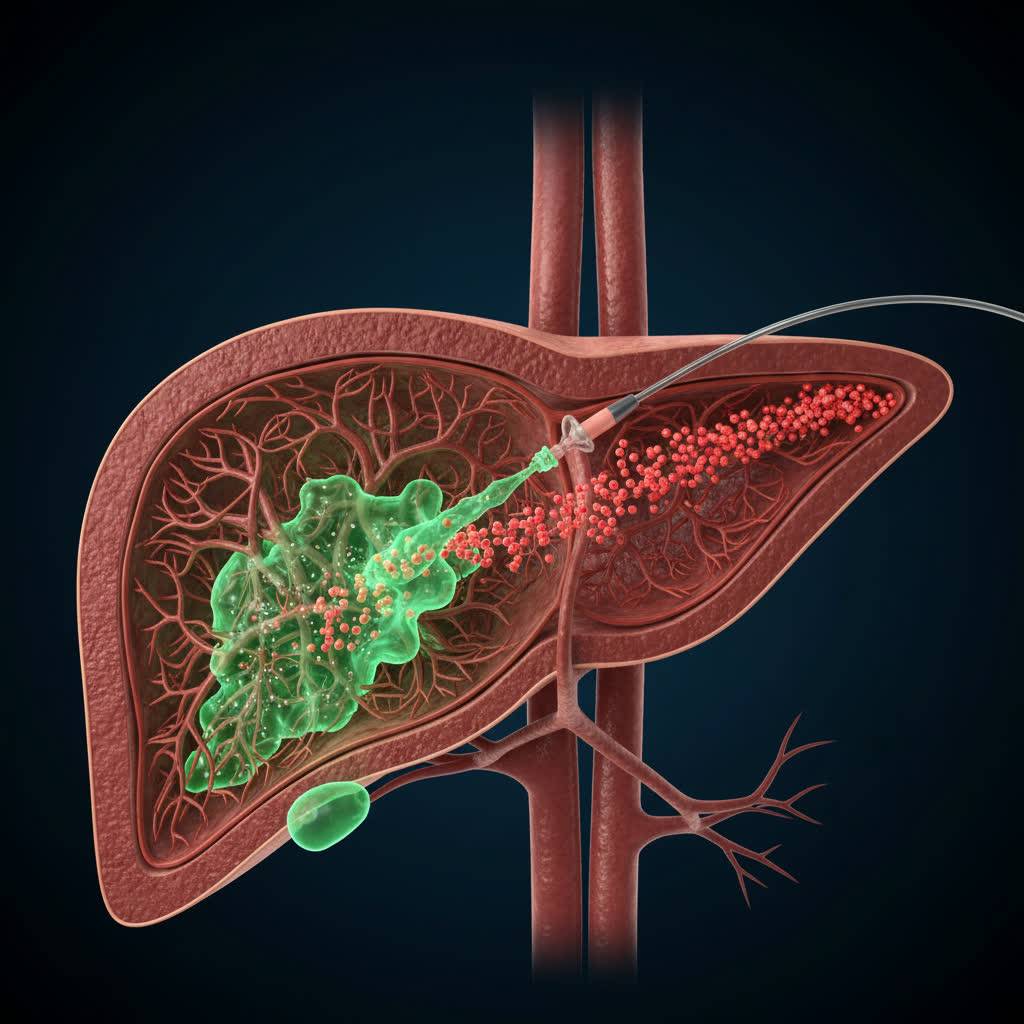
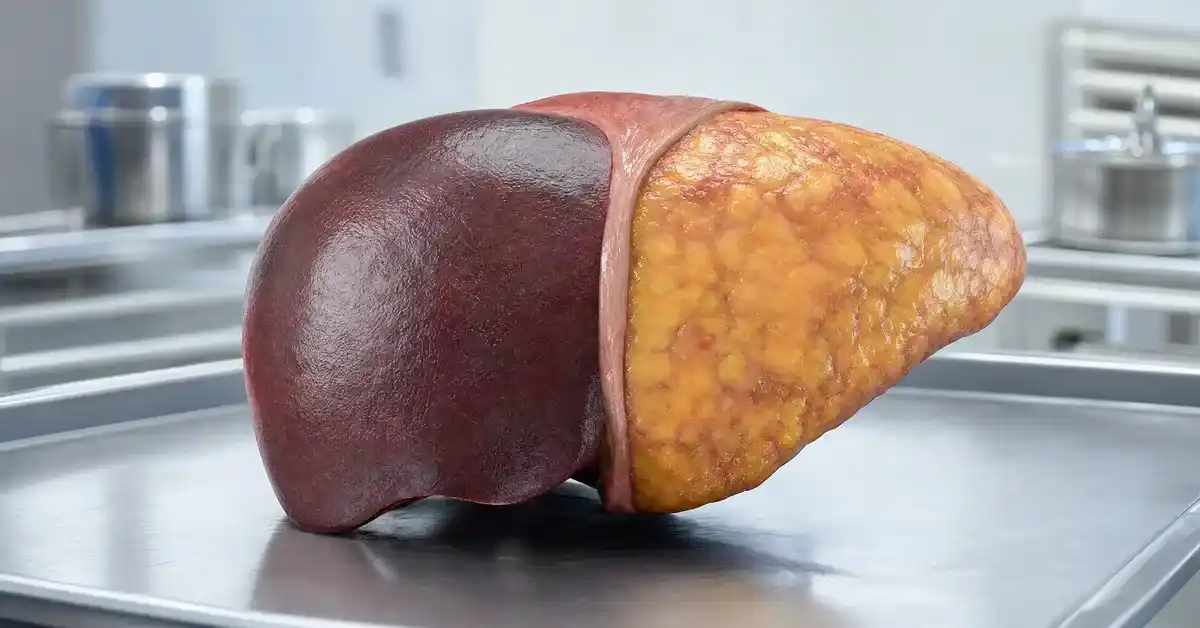
Fatty liver is a medical condition characterized by an abnormal accumulation of fat within the liver cells. Normally, the liver contains a small amount of fat, but when this percentage exceeds 5% to 10% of the liver's weight, the condition is diagnosed as fatty liver. This accumulation can be caused by alcohol consumption or other lifestyle and dietary factors, known as non-alcoholic fatty liver disease. Understanding fatty liver risk factors and its nature is the first step toward managing it effectively and preventing its progression to serious complications such as cirrhosis.
Why Ultrasound Diagnosis for Fatty Liver?
A fatty liver ultrasound scan is the first and most common choice for evaluating the liver's condition for several fundamental reasons. First, it is a completely safe and non-invasive procedure, as it does not rely on ionizing radiation, making it suitable for all patients, including pregnant women. Second, an ultrasound diagnosis for fatty liver provides immediate and accurate images that enable the doctor to observe any changes in the liver's size or density. Additionally, ultrasound is an economical and fast tool compared to other imaging techniques, making it ideal as a primary fatty liver screening test and a reliable indicator of liver health.
Fatty Liver Ultrasound Scan Explained
Performing a fatty liver ultrasound scan requires precision and skill to ensure reliable results that reflect the true condition of the liver.
How the Scan Works
A fatty liver ultrasound scan is performed in a doctor's office or radiology center and does not require complex preparations. The patient is asked to lie on their back, and the doctor applies a special gel to the abdominal area to facilitate the transmission of sound waves. Then, a device called a transducer is passed over the abdomen, sending sound waves that bounce back to form an image on the screen. The examination usually takes between 15 to 30 minutes, is completely painless, and is considered the most comfortable fatty liver screening test for the patient.
Signs of Fatty Liver Ultrasound
The importance of ultrasound lies in its ability to clearly show signs of fatty liver on ultrasound. In a healthy liver, the organ appears with a homogeneous color and normal density. However, in the case of a fatty liver, the accumulation of fat makes the liver appear brighter (echogenic) compared to the adjacent kidneys. By evaluating the degree of this brightness, the doctor can determine the liver ultrasound fatty changes. This information is vital for determining the appropriate treatment plan for each patient based on their individual condition.
Fatty Liver Staging by Ultrasound
Fatty liver staging by ultrasound is a critical part of the diagnostic process. The ultrasound fatty liver grading system helps classify the condition into mild, moderate, or severe stages based on the visual characteristics of the liver tissue. This staging is essential because it guides the clinical decisions and helps in monitoring the progression or regression of the disease over time. Accurate fatty liver staging by ultrasound ensures that the patient receives the most appropriate level of care and intervention.
Read about: Diagnosing Fatty Liver Disease and Modern Treatment Options
Symptoms and Risk Factors
One of the major challenges in dealing with this disease is that fatty liver symptoms may not be obvious in its early stages, making early diagnosis extremely important.
Fatty Liver Symptoms
Often, fatty liver symptoms do not appear clearly at first. However, some patients may experience early symptoms including a feeling of constant fatigue and exhaustion, or mild pain and discomfort in the upper right part of the abdomen. These symptoms are often non-specific and may be attributed to other causes, leading to delayed diagnosis. Therefore, it is advisable to undergo regular liver function tests for fatty liver, especially for people with risk factors such as obesity or diabetes, to detect any abnormality early.
Fatty Liver Risk Factors
There are several fatty liver risk factors that increase the likelihood of developing the condition. Obesity, particularly central obesity (accumulation of fat around the abdomen), is one of the most prominent factors. It is closely linked to insulin resistance, a condition where the body's cells do not respond well to insulin, leading to increased levels of sugar and fat in the blood. This excess fat finds its way to the liver, causing liver ultrasound fatty changes. Managing weight through diet and exercise is the cornerstone of treating obesity-related fatty liver.
Non-Alcoholic Fatty Liver Considerations
Non-alcoholic fatty liver ultrasound is specifically used to evaluate patients who do not consume significant amounts of alcohol but still develop fatty liver disease. This condition is strongly associated with metabolic syndrome, which includes obesity, high blood pressure, high cholesterol, and insulin resistance. Understanding these non-alcoholic fatty liver considerations is crucial for implementing effective lifestyle changes and medical treatments to reverse the condition and prevent further liver damage.
Liver Function Tests and Fatty Liver
In addition to imaging, liver function tests through laboratory analysis are an integral part of the comprehensive evaluation of liver health.
Liver Function Tests Fatty Liver
Liver function tests for fatty liver (such as ALT and AST) are essential examinations performed to evaluate liver health. Elevated levels of these enzymes in the blood often indicate inflammation or damage to liver cells, which may be caused by fat accumulation. However, it should be noted that some patients with fatty liver may have normal enzyme levels, which underscores the importance of combining liver function tests for fatty liver with an ultrasound diagnosis for fatty liver to obtain a complete and accurate picture.
Interpreting Ultrasound Liver Results
Interpreting ultrasound liver results requires expertise to accurately assess the severity of the condition. The radiologist or hepatologist will look for specific signs of fatty liver on ultrasound, such as increased echogenicity and changes in the visibility of the liver's blood vessels and diaphragm. Proper interpreting ultrasound liver results is essential for confirming the diagnosis, determining the ultrasound fatty liver grading, and establishing a baseline for future monitoring and treatment evaluation.

Diet and Fatty Liver
Treating fatty liver relies primarily on addressing the root causes and making positive, sustainable changes in lifestyle.
Diet and Fatty Liver Tips
Following a specific diet and fatty liver plan is the first and most important step in treatment. The focus should be on eating foods rich in fiber, such as vegetables, fruits, and whole grains, and reducing the consumption of saturated fats and added sugars. It is also recommended to consume lean proteins and healthy fats like olive oil and nuts. This dietary change not only helps reduce fat accumulation but also contributes to improving overall health and reducing insulin resistance.
Fatty Liver Prevention Tips
Implementing fatty liver prevention tips is crucial for maintaining long-term liver health. Maintaining an ideal weight, avoiding alcohol consumption, and controlling associated medical conditions like diabetes and high blood pressure are all factors that contribute to protecting the liver. Awareness of fatty liver risk factors and avoiding them is the first line of defense against this silent disease.
Comparing Imaging Methods
While ultrasound is the most common diagnostic tool, other imaging methods may be used in certain situations to provide more detailed information.
Ultrasound vs MRI Fatty Liver
When comparing ultrasound vs. MRI fatty liver, each has its advantages. Ultrasound is widely available, cost-effective, and excellent for initial screening and detecting moderate to severe fatty liver. On the other hand, MRI (Magnetic Resonance Imaging) is more sensitive and can accurately quantify the exact amount of fat in the liver, even in mild cases. The choice between ultrasound vs. MRI fatty liver depends on the patient's specific clinical needs, the availability of the technology, and the doctor's recommendation for precise evaluation.
Liver Fat Measurement Scan
A specialized liver fat measurement scan, such as FibroScan or MRI-PDFF, may be recommended to precisely quantify liver fat and assess for fibrosis (scarring). These advanced scans provide a more detailed assessment than a standard fatty liver ultrasound scan. A liver fat measurement scan is particularly useful for monitoring the effectiveness of dietary changes and medical treatments over time, ensuring that the liver is responding positively to the interventions.
Follow‑Up After Diagnosis
Continuous monitoring is a vital part of the treatment plan to ensure the condition does not deteriorate and to evaluate the success of lifestyle modifications.
Follow-up Fatty Liver Scan
A follow-up fatty liver scan is essential to track the progress of the disease and the effectiveness of the treatment plan. Patients are usually advised to undergo a follow-up fatty liver scan every 6 to 12 months, depending on the severity of their condition. This scan helps the doctor determine if the liver ultrasound fatty changes are improving, remaining stable, or worsening, allowing for timely adjustments to the diet and fatty liver management strategy.
Long‑Term Monitoring Strategy
A comprehensive long-term monitoring strategy involves regular ultrasound for liver health, routine liver function tests for fatty liver, and continuous adherence to fatty liver prevention tips. This proactive approach ensures that any potential complications are detected early and managed effectively. By prioritizing ultrasound for liver health and maintaining a healthy lifestyle, patients can successfully manage fatty liver disease and protect their overall well-being.
Read about: Fatty Liver Diagnosis: Early Tests and Treatment Tips
Conclusion
In conclusion, ultrasound diagnosis for fatty liver is an indispensable tool for detecting fat accumulation in its early stages, providing a golden opportunity for intervention and course correction. By understanding fatty liver risk factors and committing to a healthy diet and fatty liver lifestyle changes, this condition can be effectively controlled. Remember that the liver is a resilient organ capable of regenerating itself if provided with the appropriate care at the right time.
At Safemedigo, we are committed to providing the highest levels of medical care to help you maintain your health. Through our extensive network of experts and advanced medical centers, we provide you with an ideal environment for diagnosis and treatment. Discover how our medical tourism services can help you get an accurate diagnosis and effective treatment for fatty liver with Safemedigo.
FAQ: Ultrasound Diagnosis for Fatty Liver
What is the importance of an ultrasound diagnosis for fatty liver?
The importance of an ultrasound diagnosis for fatty liver lies in it being a safe, non-invasive test that provides accurate images of the liver. This test helps detect fat accumulation early and determine fatty liver staging by ultrasound, enabling the doctor to develop an appropriate treatment plan before serious complications occur.
Can I have fatty liver without any symptoms?
Yes, it is very common to have fatty liver without any symptoms, especially in the early stages of the disease. Therefore, it is advisable to undergo a fatty liver ultrasound scan and liver function tests for fatty liver regularly, especially for people exposed to risk factors such as obesity or diabetes.
How does diet help in treating fatty liver?
A specific diet and fatty liver plan plays a crucial role in treating the condition by reducing calories and saturated fats, which helps in weight loss and reducing fat accumulation in the liver. Focusing on fiber and healthy fats enhances the liver's ability to recover.
What are the signs of fatty liver on ultrasound?
The signs of fatty liver on ultrasound appear as increased brightness (echogenicity) of the liver compared to adjacent organs like the kidneys. This brightness, caused by the reflection of sound waves by the fat, reflects the amount of accumulated fat and helps assess the severity of the condition.
How can I prevent fatty liver from progressing?
You can prevent fatty liver from progressing by adhering to healthy lifestyle changes, such as maintaining a healthy weight, exercising regularly, and following a balanced diet. Additionally, following fatty liver prevention tips and undergoing a regular follow-up fatty liver scan ensures control over the condition.