




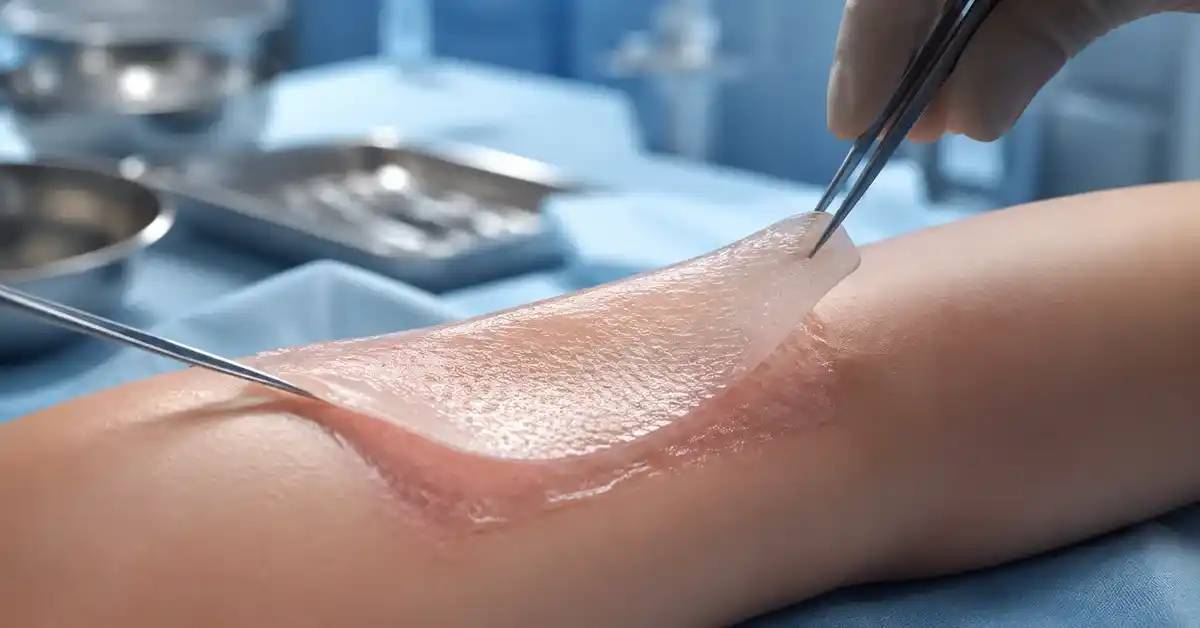
A skin transplant for severe burns is one of the most important reconstructive procedures used when the skin has been deeply damaged and cannot heal safely on its own. In severe burn injuries, the skin may lose its ability to protect the body from infection, fluid loss, temperature changes, and functional limitation. Skin grafting surgery for burns helps cover the injured area, support healing, reduce infection risk, and improve long-term function and appearance.
At Safemedigo, severe burn care is approached with sensitivity and respect for the physical and emotional impact of burn injuries. Burn treatment skin graft planning is not only about closing a wound; it also includes severe burn wound care, post-graft wound care, rehabilitation after skin transplant, scar management, emotional support, and long-term follow-up.
This article explains what a skin transplant for severe burns means, types of skin grafts, burn skin grafting techniques, skin grafting surgery for burns, artificial skin graft for burns, complications of skin graft, burn reconstruction surgery, advanced skin graft technology, skin graft success rate, and burn survivor skin graft care.
What is a skin transplant for Severe Burns?
A skin transplant for severe burns is a surgical procedure in which damaged skin is covered with healthy skin or a suitable skin substitute. The goal is to close the wound, protect deeper tissues, reduce infection risk, and help restore the skin barrier. Deep burns may require skin grafts when they are too deep to heal properly on their own. The American Burn Association explains that skin grafts are used when burns are too deep to heal independently, and healthy skin is often taken from another part of the body to cover the burn wound.
The need for skin grafting depends on burn depth, burn size, location, patient age, general health, infection risk, and whether the burn affects important functional areas such as hands, joints, face, neck, or feet. A superficial burn may heal with dressings and wound care, while deeper burns may require surgical removal of damaged tissue and graft coverage.
Skin transplant care does not end after surgery. Burn recovery may require physical therapy, scar management, emotional support, and months of follow-up, especially after major burns. Mayo Clinic notes that people with major burns may need specialized burn care, skin grafts, emotional support, and long-term physical therapy.
Definition of Skin Transplant
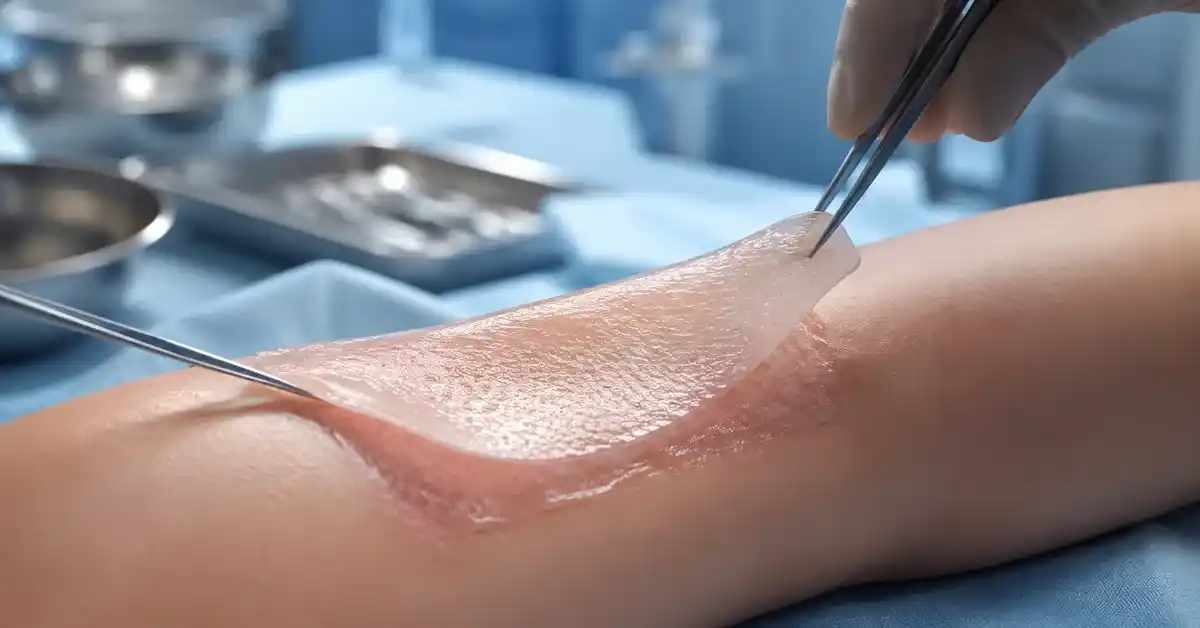
A skin transplant, also called a skin graft, is a surgical method used to move healthy skin from one area of the body to another area where skin has been lost or severely damaged. In burn care, this is commonly done after the burn wound has been cleaned and prepared. The skin used may come from the patient’s own body, which is usually preferred when possible.
The skin is not only a cosmetic layer. It protects the body from germs, helps control fluid balance, supports temperature regulation, and contributes to sensation and movement. When a severe burn destroys this protective layer, the body becomes more vulnerable to infection, dehydration, delayed healing, and scar-related movement problems.
Skin grafting surgery for burns can be limited to a small area or part of a larger burn reconstruction surgery plan. In complex cases, patients may need more than one procedure, especially if the burn is extensive or affects movement.
When It’s Needed
A skin transplant is needed when a burn is too deep, too large, or too slow to heal with dressings alone. It may also be recommended when the wound is at high risk of infection, when skin loss is significant, or when the burn is located in an area where scarring could restrict movement.
Doctors may consider skin grafting when there is:
- A deep partial-thickness or full-thickness burn.
- Large skin loss.
- Delayed healing despite wound care.
- Burn wounds near joints.
- Infection risk due to open tissue.
- Functional risk in hands, neck, feet, or face.
- Need to reduce contracture and scarring.
- Need for staged burn reconstruction surgery.
The timing of grafting depends on the patient’s condition, wound cleanliness, burn depth, and whether the wound bed is ready to accept the graft. The decision must be individualized rather than based only on the appearance of the burn.
Types of Skin Grafting Techniques
Types of skin grafting techniques vary depending on the burn depth, area size, location, available donor skin, and treatment goal. The main categories include split-thickness skin graft, full-thickness skin graft, and artificial skin graft for burns or skin substitutes. Each option has advantages and limitations.
In many burn cases, the patient’s own skin is preferred because it has the best biological compatibility. However, when burns are extensive or donor skin is limited, artificial skin grafts or temporary substitutes may be used to protect the wound, reduce fluid loss, and prepare the area for later reconstruction.
The best technique is not always the most advanced-sounding option. It is the method that fits the wound, patient condition, functional needs, and long-term recovery plan. Safemedigo helps patients understand these options clearly before discussing the final plan with the burn or reconstructive surgeon.
Split-Thickness Skin Graft
A split-thickness skin graft uses the outer layer of skin and part of the deeper dermal layer. It is commonly used in burn treatment because it can cover larger areas and the donor site can usually heal by itself over time. The donor area is often selected from a part of the body that can safely heal and be covered with dressings.
Split-thickness grafts are useful for covering wide burn wounds, but the new skin may look different from surrounding skin in color, texture, or thickness. It may also contract as it heals, especially if the graft is placed near a joint. For this reason, rehabilitation and scar management are important after surgery.
Advantages may include:
- Ability to cover larger wounds.
- Common use in burn reconstruction.
- Donor site usually heals with proper care.
- Flexible use in many body areas.
Limitations may include color difference, texture change, scarring, and possible tightening over time. These possibilities should be discussed before surgery.
Full-Thickness Skin Graft
A full-thickness skin graft includes the full epidermis and dermis. It is usually thicker than a split-thickness graft and may provide better texture, durability, and cosmetic match in selected areas. However, it covers smaller areas because the donor site must usually be closed directly.
Full-thickness skin grafts may be used in areas where appearance, durability, and less contraction are especially important, such as certain facial, hand, or functional areas. The decision depends on the burn location, available donor skin, and reconstructive goal.
Advantages may include:
- Better texture in selected cases.
- Less contraction compared with thinner grafts.
- Useful for smaller but important areas.
- Potentially improved functional and cosmetic outcome.
Limitations include limited donor availability, more complex donor-site closure, and not being suitable for large burn areas. The surgeon must balance coverage needs with long-term function and appearance.
Artificial Skin Graft for Burns
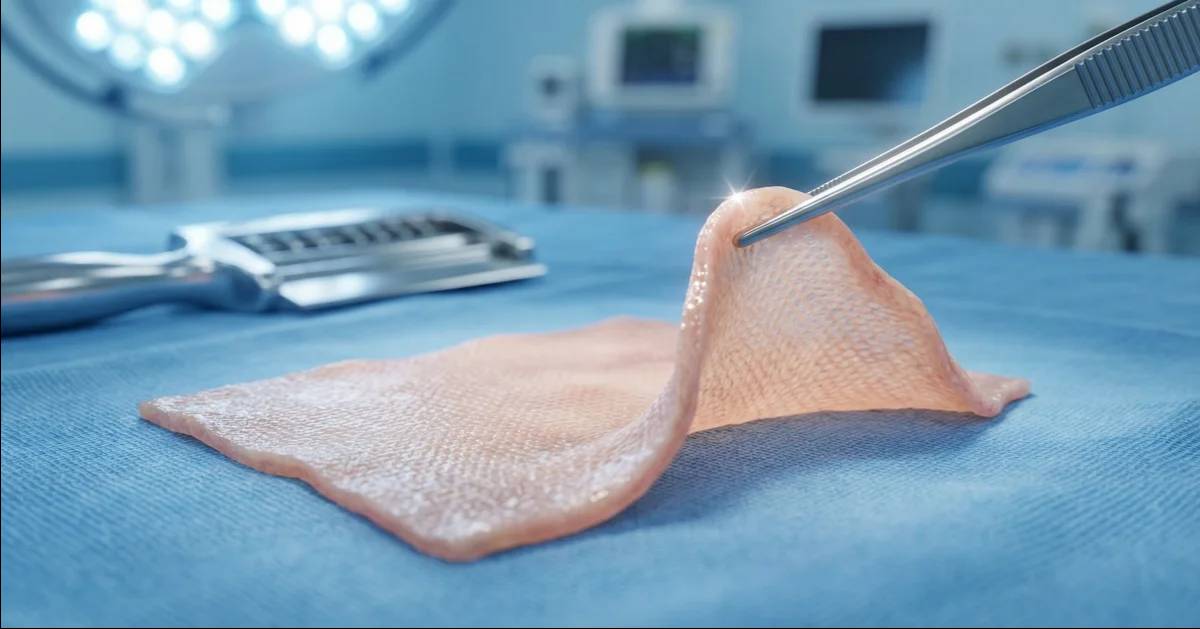
An artificial skin graft for burns refers to engineered skin substitutes or temporary biological/synthetic coverings used when immediate autologous skin coverage is not possible or when the wound needs preparation. These options may protect the burn wound, reduce fluid loss, and help create a better wound bed before definitive grafting.
Artificial skin for burns does not always replace the need for the patient’s own skin. In many cases, it is used as a temporary or staged solution. Some materials provide a protective layer, while others support tissue regeneration before a later graft.
Artificial skin grafts may be considered when:
- Burns are extensive.
- Donor skin is limited.
- The wound needs temporary coverage.
- The patient needs staged reconstruction.
- Infection risk must be controlled.
- The wound bed requires preparation.
The choice of artificial skin graft depends on wound condition, available technology, surgeon experience, and patient stability.
The Skin Grafting Procedure
The skin grafting procedure for burns generally involves preparing the wound, selecting the graft type, harvesting or preparing the graft material, placing it over the burn area, securing it, and covering it with dressings. The operation is performed under appropriate anesthesia, depending on wound size and patient condition.
Before surgery, the medical team evaluates burn depth, infection risk, circulation, nutrition, pain control, and medical stability. Severe burns may require staged treatment rather than one operation. This is especially true when the burn is large, contaminated, or located in a functional area.
A successful graft depends on a clean wound bed, good blood supply, stable positioning, infection prevention, and careful post-surgical care. Cleveland Clinic lists possible complications including fluid or pus under the graft, infection, too much movement of the graft site, and poor circulation causing slow healing.
Preparation for Surgery
Preparation for surgery begins with evaluating the burn wound and the patient’s general condition. The surgical team may clean the wound, remove dead tissue, control infection, and choose the best grafting approach. Blood tests, imaging, anesthesia assessment, and medical stabilization may be needed in larger burns.
Important preparation steps may include:
- Burn depth assessment.
- Wound cleaning and debridement.
- Infection screening or treatment.
- Pain control planning.
- Nutrition assessment.
- Diabetes or chronic disease control.
- Donor-site selection.
- Explanation of risks and expectations.
- Planning post-graft wound care.
- Discussing rehabilitation needs.
Good preparation improves the chance that the graft will attach and heal. It also helps patients understand that both the grafted area and donor area need care after surgery.
Step-by-Step Surgery Process
The step-by-step surgery process usually starts with anesthesia. The surgeon then prepares the burn wound by removing non-viable tissue and creating a clean wound bed. If the patient’s own skin is used, the surgeon harvests a graft from a donor area, such as the thigh, back, or another suitable site.
The graft is then placed over the burn wound and secured with sutures, staples, special dressings, or other fixation methods. In split-thickness grafting, the graft may be meshed to cover a larger area and allow fluid drainage. The wound is then covered carefully to protect the graft during the early healing phase.
The first days after graft placement are critical. The graft must remain stable, avoid infection, and develop blood supply from the wound bed. Excessive movement, fluid collection, infection, or pressure can interfere with graft take.
Post Surgical Care
Post surgical care includes monitoring the graft, protecting the dressings, caring for the donor site, managing pain, and preventing infection. Patients should follow dressing instructions exactly. Removing dressings too early or applying unapproved creams can harm the healing process.
The donor site also needs care. It may feel sore, sensitive, or itchy as it heals. The American Burn Association notes that donor sites often heal within about two weeks, although this varies by patient and graft type.
Post-surgical care may include:
- Keeping dressings dry unless instructed otherwise.
- Avoiding pressure on the graft.
- Limiting movement in certain areas.
- Taking prescribed pain medication.
- Monitoring for infection signs.
- Attending follow-up visits.
- Beginning rehabilitation when allowed.
- Protecting healing skin from sun exposure.
Safe post-surgical care is essential for burn recovery skin transplant outcomes.
Severe Burn Wound Care Basics
Severe burn wound care is a specialized process that requires careful dressing, infection prevention, pain control, nutritional support, and rehabilitation planning. Burn wounds can change over time, and deeper burns may need repeated assessment before final treatment decisions are made.
Wound care after a skin graft is different from basic wound cleaning. The graft must stay protected while it attaches. The donor site must also heal properly. Infection, movement, fluid buildup, or poor circulation may affect graft survival.
Burn wound care should not rely on home remedies, harsh products, or unnecessary scrubbing. UpToDate notes that topical antimicrobials should be removed gently during dressing changes, and excessive scrubbing can be painful and may hinder healing.
Dressing and Infection Prevention
Dressing and infection prevention are central to severe burn wound care. Dressings protect the graft, absorb fluid, reduce contamination, and support a moist healing environment when appropriate. The type of dressing depends on the wound, graft, donor site, and surgeon preference.
Patients should not remove or change dressings unless instructed. Early disturbance may affect graft stability. Hands should be washed before touching any dressing, and the area should be kept clean and protected.
Warning signs of infection may include:
- Increasing pain.
- Redness spreading around the wound.
- Swelling.
- New or worsening discharge.
- Unpleasant smell.
- Fever.
- Warmth around the wound.
- Change in graft color.
- Delayed healing.
Post-operative NHS guidance notes that infection can slow healing and that patients should seek care for increasing pain, redness, swelling, oozing, unpleasant smell, or fever.
Post Graft Wound Care
Post graft wound care focuses on protecting the graft while it attaches to the wound bed. The medical team may restrict movement, recommend limb elevation, prescribe medications, and schedule dressing checks. The grafted area should not be rubbed, scratched, or exposed to pressure.
The donor site also needs attention. Some patients find the donor site more uncomfortable than the grafted area. It may require special dressings and careful hygiene until it heals.
Post graft wound care may include:
- Keeping the graft dressing in place.
- Avoiding unnecessary movement.
- Protecting the donor site.
- Taking medications as prescribed.
- Watching for infection.
- Attending follow-up appointments.
- Starting physical therapy when cleared.
- Avoiding smoking.
- Eating enough protein and nutrients.
- Reporting unusual symptoms early.
Good wound care can improve comfort, healing, and long-term skin graft success rate.
Managing Pain and Healing
Managing pain and healing is important because burn wounds and skin graft donor sites can be painful, sensitive, or itchy. Pain should be treated appropriately so patients can rest, participate in wound care, and begin rehabilitation when safe.
Healing requires adequate nutrition, hydration, infection control, and stable dressings. Smoking can reduce blood flow and slow healing. Diabetes, poor circulation, poor nutrition, and infection may increase complication risks.
Helpful measures may include:
- Taking prescribed pain medication.
- Reporting uncontrolled pain.
- Eating enough protein.
- Staying hydrated.
- Avoiding smoking.
- Protecting the wound.
- Following dressing instructions.
- Beginning movement only when permitted.
- Managing itching safely.
- Using scar care only after medical approval.
Healing after severe burns is gradual. Patients should expect follow-up and staged recovery rather than immediate full skin restoration.
Complications of Skin Graft
Complications of skin graft may occur even with good care. Some complications are mild and treatable, while others may require additional wound care or repeat surgery. The risk depends on burn severity, wound condition, infection, circulation, nutrition, smoking, diabetes, graft stability, and overall patient health.
Common complications include infection, bleeding, fluid or blood collection under the graft, partial graft loss, delayed healing, scarring, color mismatch, sensitivity changes, and contractures near joints. Cleveland Clinic lists infection, fluid or pus under the graft, movement-related graft damage, and poor circulation as possible complications.
Patients should understand that a complication does not always mean the surgery failed completely. Early recognition and treatment can often protect the graft or improve the final outcome.
Graft Failure Risks
Graft failure risks include infection, movement, poor blood supply, fluid buildup, bleeding under the graft, smoking, uncontrolled diabetes, poor nutrition, and pressure on the grafted area. A graft needs contact with a healthy wound bed to develop blood supply and survive.
Partial graft failure may be managed with dressings in some cases, while larger areas may require re-grafting. NHS burn guidance notes that skin graft risks include bleeding, infection, and partial or complete loss of graft, and re-grafting may be needed if some or all of the graft is lost.
To reduce risk, patients should:
- Avoid disturbing dressings.
- Limit movement if instructed.
- Stop smoking.
- Control blood sugar.
- Report infection signs early.
- Maintain good nutrition.
- Attend follow-up visits.
- Avoid pressure or friction.
Graft success depends on both surgical technique and post-graft wound care.
Scar Formation After Graft
Scar formation after graft is common after severe burns and skin grafting. Scars may become raised, tight, itchy, darker, lighter, or different in texture. The degree of scarring depends on burn depth, healing time, genetics, wound location, infection, and rehabilitation.
Scars near joints can cause contractures, which may restrict movement. This is why physical therapy and early scar care are often part of burn survivor skin graft care. Scar treatment may include silicone therapy, compression garments, massage when appropriate, laser treatment, injections, or later reconstructive surgery.
Scar management usually takes months. Patients should avoid unapproved creams, harsh products, and sun exposure on healing skin. Long-term follow-up can help improve scar comfort, flexibility, and appearance.
Long-Term Skin Issues
Long-term skin issues after a skin transplant may include dryness, itching, sensitivity to temperature, color difference, reduced sweating, altered sensation, tightness, and fragility. Some patients may experience chronic discomfort or sensitivity in both the grafted area and donor site.
The new skin may not behave exactly like uninjured skin. It may require moisturizing, sun protection, scar care, and gradual rehabilitation. Emotional adjustment is also important, especially if the burn affected visible areas or caused functional limitations.
Long-term care may involve:
- Dermatologic follow-up.
- Scar management.
- Sun protection.
- Moisturizing after medical approval.
- Physical therapy.
- Compression therapy if prescribed.
- Pain or itch management.
- Psychological support.
- Reconstructive review if needed.
Burn recovery is a long process, and improvement often continues over time.

Advanced Skin Graft Technology
Advanced skin graft technology has improved the options available for severe burn wound care and burn reconstruction surgery. Modern approaches may include refined grafting methods, meshed grafts, artificial skin substitutes, dermal regeneration templates, negative pressure wound therapy, microsurgical reconstruction in complex cases, and staged scar revision.
Technology can help, but it must be used appropriately. Not every advanced method is necessary for every burn. The best treatment is the one that matches wound depth, size, location, patient stability, donor skin availability, and long-term functional needs.
Safemedigo helps patients understand the difference between a truly useful technology and a treatment that sounds advanced but may not be needed for their specific case. Clear medical explanation helps patients make safer decisions.
Latest Burn Reconstruction Surgery
Latest burn reconstruction surgery focuses not only on closing wounds but also on restoring movement, comfort, and appearance. Reconstruction may involve skin grafts, flaps, scar release, contracture correction, laser scar therapy, or staged operations depending on the burn’s impact.
In complex burn injuries where conventional methods are not enough, advanced reconstructive approaches such as microsurgery may be considered in selected cases. A 2025 systematic review notes that microsurgery may be a promising alternative for complex burn injuries when conventional reconstructive options are insufficient, but success depends on patient selection, timing, and perioperative care.
Burn reconstruction may be needed when:
- Scars restrict movement.
- Grafts contract over joints.
- Function is limited.
- Visible scars cause distress.
- Previous wounds healed poorly.
- Complex tissue coverage is needed.
Reconstruction is usually planned after careful evaluation and may be staged over time.
Artificial Skin for Burns
Artificial skin for burns may be used as a temporary or supportive coverage when the wound cannot immediately be closed with the patient’s own skin. Some artificial skin products help reduce fluid loss, protect the wound, and support tissue regeneration before final grafting.
Artificial skin can be especially useful in large burns or when donor sites are limited. However, it may not be a permanent replacement for the patient’s own skin in all cases. The surgeon must decide whether artificial skin is suitable based on wound condition and treatment goals.
Patients should ask:
- Why is artificial skin recommended?
- Is it temporary or part of final reconstruction?
- Will another graft be needed later?
- What are the infection risks?
- How is the wound monitored?
- What care is needed after placement?
- What results are realistic?
Understanding the role of artificial skin prevents unrealistic expectations.
Skin Graft Success Rate
Skin graft success rate depends on many factors, including burn depth, wound preparation, infection control, blood supply, graft type, patient nutrition, smoking status, diabetes control, movement restriction, and post-graft wound care. There is no single success rate that applies to every burn survivor.
A small graft on a clean wound with good circulation may heal more predictably than a large graft on a complex burn wound. Severe burns, infection, poor nutrition, and movement over joints may reduce success. The Cleveland Clinic and NHS both highlight infection, bleeding or fluid collections, poor healing, and partial or full graft loss as important risks.
Improving the chance of success requires:
- Proper wound preparation.
- Infection prevention.
- Good graft fixation.
- Avoiding movement when instructed.
- Nutrition support.
- Smoking cessation.
- Chronic disease control.
- Careful dressing changes.
- Rehabilitation planning.
- Follow-up with the surgical team.
Rehabilitation After Skin Transplant
Rehabilitation after skin transplant is essential for burn survivors, especially when burns affect joints, hands, neck, legs, or other functional areas. Without rehabilitation, scars may tighten and restrict movement. Physical therapy helps maintain flexibility, strength, posture, and daily function.
Rehabilitation may begin gradually when the surgical team confirms that the graft is stable. The timing is important: movement too early may affect the graft, while delayed movement may increase stiffness. A burn rehabilitation plan should be individualized.
Rehabilitation also includes emotional recovery. Severe burns can affect body image, confidence, sleep, and social life. Mayo Clinic notes that major burns may require emotional support and months of follow-up care such as physical therapy.
Physical Therapy for Burn Survivors
Physical therapy for burn survivors may include range-of-motion exercises, stretching, positioning, splinting, strengthening, scar massage when appropriate, and functional training. The goal is to prevent stiffness, reduce contracture, and help the patient return to daily activities.
Physical therapy is especially important when burns cross joints or affect the hands, arms, legs, neck, or face. Therapists may also teach safe movement techniques that protect the graft while gradually improving flexibility.
Benefits include:
- Improved movement.
- Reduced stiffness.
- Better scar flexibility.
- Reduced contracture risk.
- Improved strength.
- Easier daily activities.
- Better posture and function.
- Support for long-term recovery.
Physical therapy should be done under professional guidance. Incorrect timing or excessive force may harm healing tissue.
Best Burn Wound Centre Criteria
Best burn wound centre criteria include experienced burn and reconstructive teams, specialized wound care, infection prevention protocols, pain management, rehabilitation services, scar management, psychological support, and clear follow-up planning. Severe burns often require coordinated care from multiple specialists.
A good burn wound centre should offer:
- Accurate burn depth assessment.
- Specialized dressing care.
- Skin grafting expertise.
- Infection control.
- Pain management.
- Rehabilitation support.
- Scar management.
- Psychological care.
- Emergency readiness.
- Clear patient education.
- Realistic outcome discussion.
- Long-term follow-up.
The best burn wound centre is not only the place that performs surgery; it is the place that supports the full recovery journey.
Emotional Support During Recovery
Emotional support during recovery is a vital part of burn survivor skin graft care. Severe burns may affect self-image, confidence, relationships, sleep, and emotional well-being. Some patients experience anxiety, sadness, fear of scars, or distress when looking at the injured area.
Emotional recovery may require support from family, counselors, burn survivor groups, psychologists, or specialized rehabilitation teams. Patients should be encouraged to speak openly about fear, pain, appearance concerns, and daily challenges.
Support may include:
- Clear communication from the medical team.
- Psychological counseling when needed.
- Family education.
- Support groups.
- Gradual return to daily activities.
- Scar care education.
- Pain and itch management.
- Reassurance about gradual improvement.
- Respect for privacy and dignity.
Healing after a severe burn is physical and emotional. Compassionate care makes a major difference in recovery.
Conclusion
A skin transplant for severe burns is an important reconstructive procedure that helps cover deep wounds, protect the body from infection, reduce fluid loss, and support healing after major skin injury. It may involve split-thickness skin graft, full-thickness skin graft, artificial skin graft for burns, or staged burn reconstruction surgery depending on the patient’s condition.
Good outcomes depend on accurate burn depth assessment, proper wound preparation, infection prevention, skilled surgery, post-graft wound care, pain management, scar treatment, and rehabilitation after skin transplant. Complications such as infection, graft failure, scarring, color change, sensitivity, and contractures can occur, but careful follow-up helps reduce risks.
Frequently Asked Questions: Skin Transplant for Severe Burns
When is a skin transplant needed for severe burns?
A skin transplant is usually needed when a burn is deep, large, slow to heal, or located in an area where scarring may affect movement or function. The decision depends on burn depth, wound condition, infection risk, and the patient’s general health.
What is the difference between split-thickness and full-thickness skin graft?
A split-thickness skin graft uses the outer skin layer and part of the deeper layer, making it useful for covering larger burn wounds. A full-thickness skin graft includes the full skin thickness and may be used for smaller areas where durability and appearance are important.
What are the main complications of skin graft surgery?
Possible complications include infection, bleeding, fluid collection, partial or complete graft loss, delayed healing, scarring, color mismatch, altered sensation, pain, itching, and contractures near joints. Early follow-up helps detect and manage problems.
How long does burn recovery after skin grafting take?
Recovery time varies by burn depth, wound size, graft type, patient health, and rehabilitation needs. Donor sites may heal within weeks, but scar remodeling, sensitivity, and functional recovery can take months or longer.
How can I improve skin graft results after severe burns?
You can improve results by following dressing instructions, preventing infection, avoiding smoking, eating enough protein, attending follow-up visits, protecting healing skin from sun exposure, and completing physical therapy or scar management when prescribed.